Zaporizhzhia Remains One of Europe’s Biggest Risks
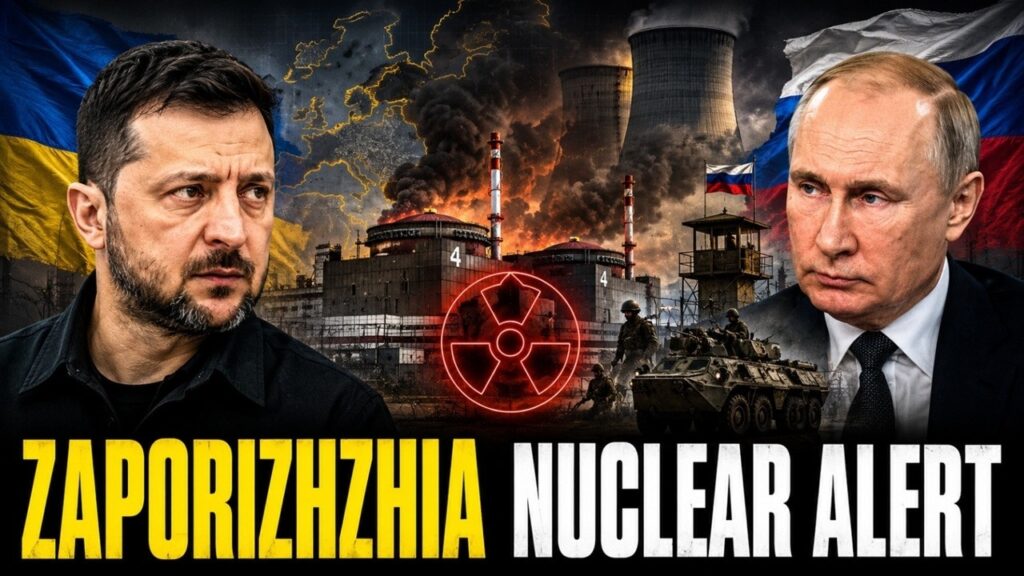
The Zaporizhzhia Nuclear Power Plant, Europe’s largest nuclear facility, has once again lost its external power supply. Here’s why repeated outages at the Russian-controlled plant remain a major concern for Ukraine, Europe, and international nuclear safety experts. The Zaporizhzhia Nuclear Power Plant, the largest nuclear facility in Europe, has once again become the focus of international concern after losing its connection to external electricity supplies.
Located in southern Ukraine and under Russian control since 2022, the plant depends on outside power sources to operate critical safety systems. When those power lines fail, emergency backup systems must immediately take over to ensure reactor safety.
While no immediate nuclear emergency has been reported, the latest outage has renewed concerns among international experts about the risks of operating a major nuclear facility in the middle of an active war zone.
The incident serves as another reminder that one of Europe’s most strategically important energy facilities remains vulnerable to the ongoing conflict.
What Happened at the Zaporizhzhia Nuclear Plant?
According to Ukrainian officials and international monitoring agencies, the plant lost its connection to external power after damage was reported to transmission infrastructure serving the facility.
This is not an isolated event.
Since the start of the Russia-Ukraine war, Zaporizhzhia has experienced multiple disruptions to its external power supply. Each incident has forced operators to rely on emergency systems to maintain essential safety functions.
Although all six reactors at the facility are currently shut down, they still require continuous cooling, monitoring, and maintenance. Nuclear fuel continues to generate residual heat even after reactors stop producing electricity, making reliable power supplies essential for safe operations.
Whenever external electricity is lost, concerns immediately arise about the ability to maintain these critical safety systems over extended periods.
Why External Power Is Essential for Nuclear Safety
A common misconception is that nuclear reactors become completely safe once they are shut down.
In reality, reactor shutdown does not eliminate the need for electricity.
Even inactive reactors continue generating residual heat from spent nuclear fuel. Cooling systems must remain operational to prevent overheating, while monitoring equipment, control systems, communication networks, and security infrastructure must also continue functioning.

Under normal conditions, these systems rely on external electricity supplied through transmission lines connected to the broader power grid.
When those connections are lost, emergency diesel generators automatically activate to provide backup power.
While these generators are designed to ensure safety during emergencies, they are intended as temporary solutions rather than permanent alternatives. Prolonged dependence on backup systems increases operational risks and places additional stress on critical infrastructure.
For this reason, repeated power interruptions are treated as serious safety concerns by nuclear regulators and international experts.
A Repeated Warning Sign for International Nuclear Authorities
The latest outage is part of a pattern that has persisted throughout the conflict.
International inspectors from the International Atomic Energy Agency (IAEA) have documented multiple incidents involving damage to power infrastructure connected to the Zaporizhzhia facility.
In several cases, the plant has been left relying on only a single remaining external power line, creating a particularly vulnerable situation. If that final connection is damaged, operators have no choice but to switch entirely to emergency backup systems.
IAEA Director General Rafael Grossi has repeatedly described the situation as unstable and unacceptable, warning that nuclear facilities should never operate under such conditions.
The agency continues to call for measures that reduce risks around the site and improve the reliability of power supplies necessary for safe operations.
Despite these efforts, the challenges associated with maintaining nuclear safety in an active conflict zone remain significant.
Russia and Ukraine Continue to Exchange Accusations
As with many aspects of the war, responsibility for damage near the plant remains highly contested.
Russian and Ukrainian officials have repeatedly accused each other of endangering nuclear safety through military activities near the facility and surrounding infrastructure.
Both sides argue that the actions of the other are creating unnecessary risks for one of Europe’s most important nuclear sites.
These competing narratives have complicated international efforts to assess responsibility and identify long-term solutions.
However, for many nuclear safety experts, assigning blame is secondary to preventing an accident.
Their primary concern remains ensuring uninterrupted access to electricity, protecting critical infrastructure, and reducing the possibility of a nuclear incident regardless of which side controls the territory.
Why the Entire World Is Paying Attention
The Zaporizhzhia Nuclear Power Plant is not just a Ukrainian asset. Its significance extends far beyond national borders.
As Europe’s largest nuclear power facility, any serious accident could have consequences reaching well beyond Ukraine. Neighboring countries would likely face environmental, economic, and political impacts if a major nuclear incident were to occur.
This is one reason why developments at Zaporizhzhia receive such intense international attention.
Many people continue to associate nuclear risks in the region with the memory of the 1986 Chernobyl disaster. While experts emphasize that Zaporizhzhia uses a different reactor design and incorporates more advanced safety features, the prospect of a nuclear facility operating amid ongoing military conflict remains deeply concerning.
For specialists, the greatest danger may not be a single catastrophic event but rather the gradual accumulation of risks created by repeated outages, infrastructure damage, maintenance challenges, and continuous military activity near the site.
Why There Is No Easy Solution
Despite international concern, finding a practical solution remains difficult.
The plant remains under Russian control, while military operations continue across southern Ukraine. Transmission infrastructure remains vulnerable to damage, and ongoing hostilities complicate efforts to establish long-term safety guarantees.
The IAEA maintains a presence at the site and continues monitoring conditions, but international inspectors have limited ability to influence military operations occurring around the facility.
As long as the war continues, the risks associated with the plant are unlikely to disappear entirely.
Every damaged transmission line, military strike, infrastructure failure, or security incident introduces new uncertainty into an already fragile situation.
This reality has made Zaporizhzhia one of the most closely watched locations in the entire conflict.
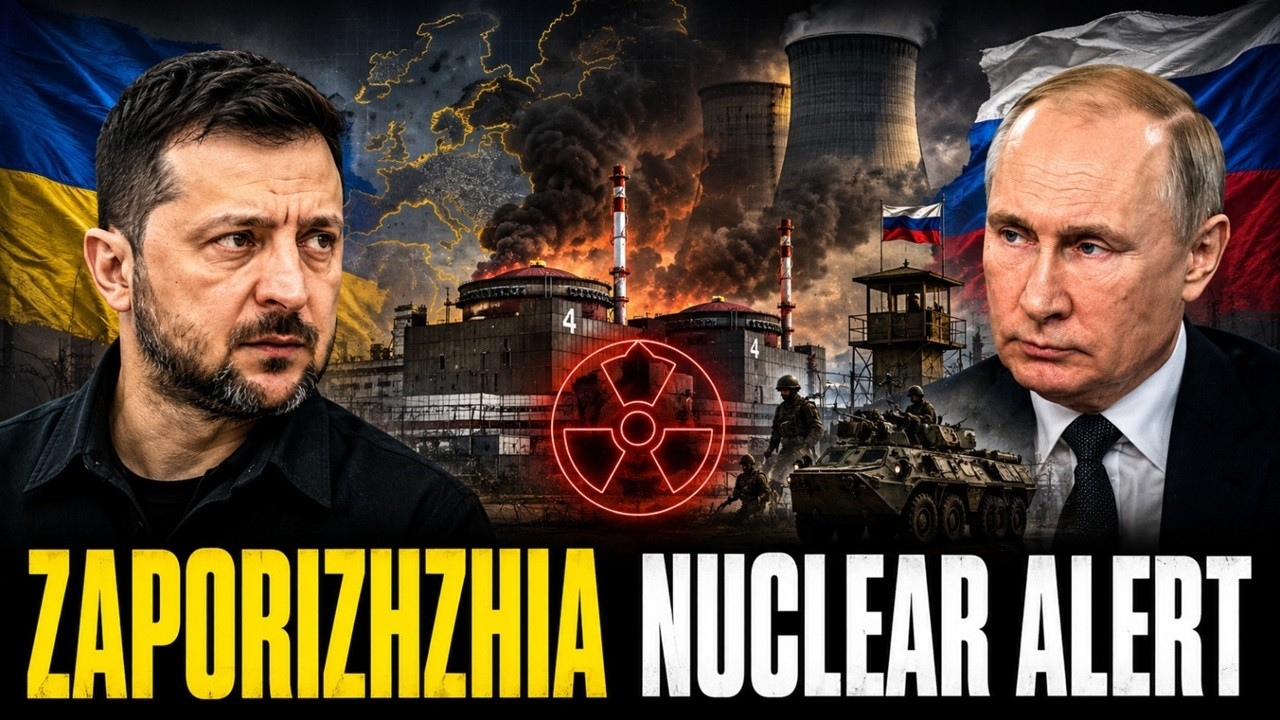
Nuclear Safety Remains One of the Most Serious Risks of the Ukraine War
The latest power outage at the Zaporizhzhia Nuclear Power Plant is more than just another infrastructure incident.
It highlights the ongoing vulnerability of a major nuclear facility operating under wartime conditions.
Although the reactors remain shut down, the plant still requires reliable electricity to power cooling systems, monitoring equipment, and essential safety infrastructure. Each interruption raises concerns about the resilience of those systems and the ability to manage future emergencies.
For now, emergency backup systems have once again prevented a more serious situation.
However, the repeated loss of external power demonstrates that nuclear safety remains one of the most significant and persistent risks associated with the Russia-Ukraine war.
Until the conflict ends and long-term stability returns to the region, concerns surrounding Europe’s largest nuclear power plant are likely to remain at the center of international attention.
Follow Indo-Pacific Report
For in-depth analysis of global security, energy infrastructure, nuclear safety, geopolitics, and the Russia-Ukraine war, visit: