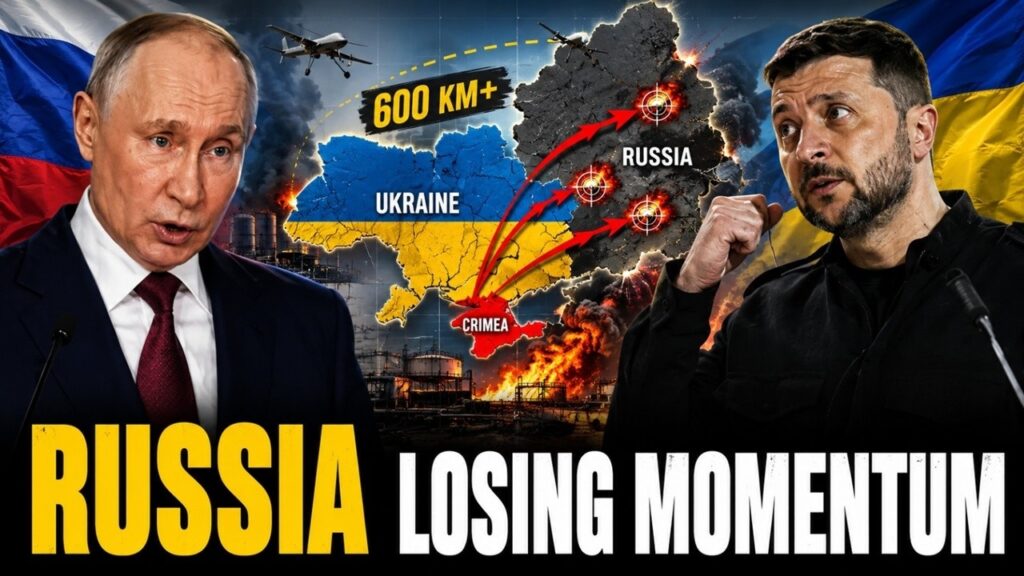
Ukrainian President Volodymyr Zelenskyy says Russia is gradually losing the initiative in the war. Here is what his latest remarks reveal about battlefield trends, drone warfare, Crimea, and the future of the Russia-Ukraine conflict.
More than four years after Russia launched its full-scale invasion of Ukraine, President Volodymyr Zelenskyy believes the conflict is entering a new phase.
In a recent interview, Zelenskyy argued that while Ukraine is not yet claiming victory, Russia is gradually losing momentum on the battlefield. According to the Ukrainian leader, Russian forces continue to suffer significant losses while their ability to achieve major breakthroughs has slowed considerably.
His comments offer insight into how Kyiv currently views the state of the war and the challenges that both sides continue to face.
Ukraine Expands Long-Range Operations
One of the key factors behind Ukraine’s confidence is its growing ability to conduct long-range drone operations.
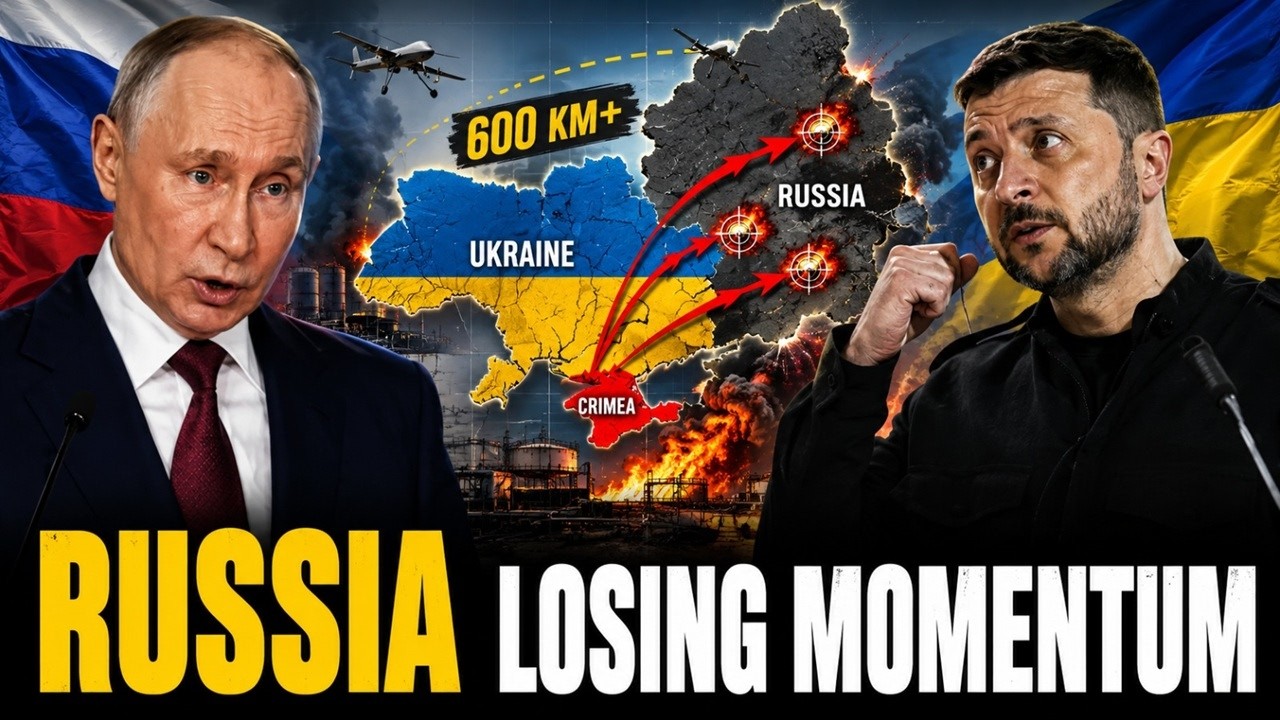
Over recent months, Ukrainian drones have targeted fuel facilities, logistics networks, and military infrastructure deep inside Russian territory and in Russian-controlled areas. These operations are designed to increase pressure on Moscow by disrupting supply chains and forcing Russia to dedicate additional resources to defense.
Ukrainian officials argue that these strikes are not intended simply to create headlines. Instead, they are part of a broader strategy aimed at increasing the cost of the war for the Kremlin.
The Goal: Increase Pressure on Russia
According to Ukrainian leadership, long-range drone attacks serve multiple purposes.
They target infrastructure that supports military operations, complicate logistics planning, and force Russia to expand air defense coverage far beyond the front lines. They also demonstrate Ukraine’s growing technological capabilities in modern warfare.
https://indopacificreport.com/ukraine-brings-war-closer-to-russia-than-ever-before/
By bringing elements of the conflict closer to Russian territory, Kyiv hopes to create strategic pressure that affects military planning and resource allocation.
Peace Talks Remain Elusive
Despite ongoing military operations, diplomatic efforts have not completely disappeared.
Zelenskyy has indicated that Ukraine remains open to discussions regarding the future of the conflict. However, significant differences between Kyiv and Moscow continue to prevent meaningful progress toward a negotiated settlement.
Russia maintains its existing strategic objectives, while Ukraine continues to emphasize sovereignty, territorial integrity, and security guarantees as essential conditions for any long-term agreement.
As a result, diplomacy remains overshadowed by developments on the battlefield.
The Role of International Support
The war continues to depend heavily on international support and cooperation.
Ukraine’s Western partners have provided military assistance, economic support, and diplomatic backing throughout the conflict. However, global attention has increasingly been divided among multiple international crises, creating concerns in Kyiv about maintaining long-term support.
Ukrainian officials continue to emphasize the importance of sustained assistance as the war enters another challenging phase.
Ukraine’s Growing Drone Advantage
One of the most significant military developments since 2022 has been Ukraine’s rapid advancement in drone technology.
Ukrainian engineers, defense companies, and military planners have developed innovative systems capable of conducting reconnaissance missions and long-range strikes. These capabilities have helped offset some of Russia’s advantages in manpower and conventional military equipment.

Many defense analysts now view Ukraine as one of the leading innovators in drone warfare, with several countries studying lessons from the conflict.
Air Defense Remains a Critical Priority
Despite recent successes, Ukraine continues to face intense missile and drone attacks.
Cities across the country remain vulnerable to long-range strikes targeting civilian infrastructure, energy facilities, and transportation networks. For this reason, Zelenskyy continues to emphasize the importance of advanced air defense systems.
According to Ukrainian officials, strengthening air defense capabilities remains one of the country’s highest priorities.
Crimea Remains a Strategic Focus
Zelenskyy also reiterated that Ukraine has not abandoned its long-term objective regarding Crimea.
While military operations remain sensitive, Ukrainian forces continue targeting infrastructure that supports Russian military activity in and around the peninsula. Logistics hubs, fuel facilities, and military assets remain important targets within Kyiv’s broader strategy.
The objective is to increase the operational costs associated with maintaining military control of the region.
What Happens Next?
The future direction of the war remains uncertain.
Ukraine believes that growing drone capabilities, international support, and sustained pressure on Russian military infrastructure are gradually shifting momentum. Russia, meanwhile, continues to pursue its own military objectives and maintains substantial military resources.
As both sides adapt to changing battlefield conditions, the conflict is increasingly becoming a contest of endurance, technology, economic resilience, and political will.
Conclusion
President Zelenskyy’s latest assessment reflects Ukraine’s belief that the dynamics of the war are evolving. While he stops short of claiming victory, he argues that Russia is no longer advancing with the same momentum seen earlier in the conflict.
Whether this shift ultimately changes the outcome of the war remains unclear. What is certain is that the Russia-Ukraine conflict continues to evolve, with new technologies, changing strategies, and international politics all shaping the battlefield.
About Indo Pacific Report
For more geopolitical analysis, international affairs coverage, defense updates, and strategic insights, visit:
Follow Indo Pacific Report for comprehensive coverage of global conflicts, diplomacy, security developments, and emerging geopolitical trends.