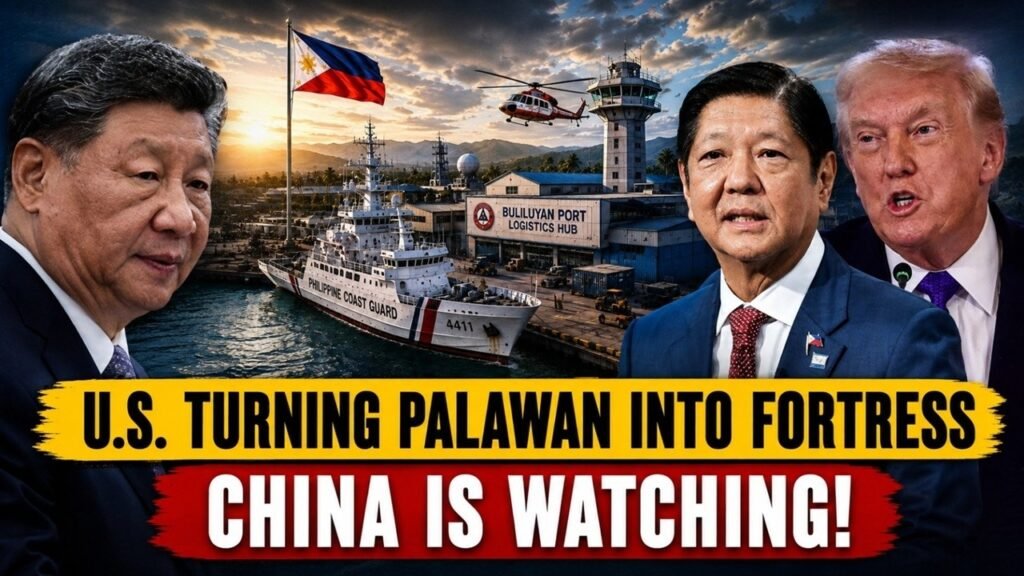
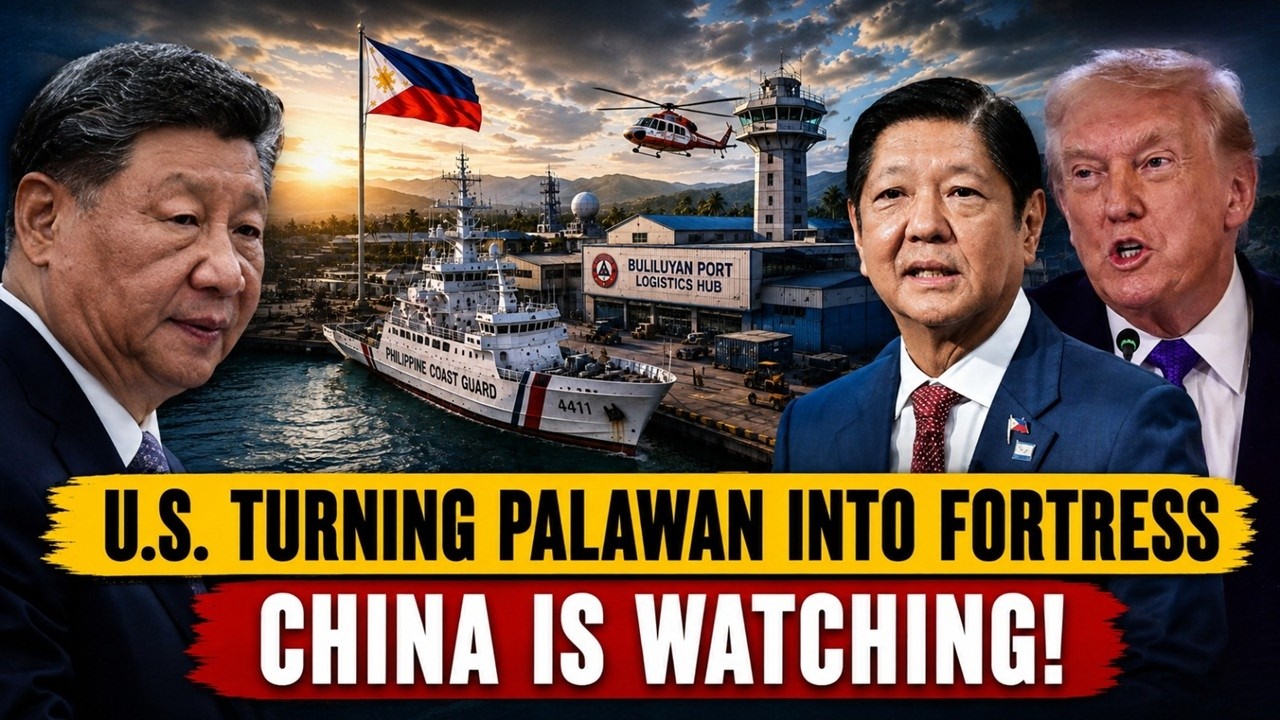
U.S. Secretly Expanding Coast Guard Base in the Philippines | China Won’t Like This
The controversy surrounding Defense Secretary Gilberto Teodoro has become one of the most widely discussed political and national security issues in the Philippines. What initially appeared to be another debate over China quickly evolved into a broader discussion about constitutional responsibility, public office, and national sovereignty. After Teodoro said that government officials who could not support the country’s position on the West Philippine Sea should either support government policy, challenge it before the courts, or leave public office, the statement sparked criticism from political opponents. However, when Malacañang publicly defended his remarks, the discussion shifted from politics to a much larger question: How should democratic governments ensure that their officials represent the country’s official position on issues of sovereignty?
The Controversy and the Principle
The controversy began when Defense Secretary Gilberto Teodoro emphasized that government officials have a constitutional obligation to support the Philippines’ official position on the West Philippine Sea while serving in public office. His remarks immediately drew criticism, particularly from Davao First District Representative Paolo Duterte, who accused him of imposing a political loyalty test and portraying China as an adversary. Malacañang, however, rejected those accusations and clarified that Teodoro’s comments were not about loyalty to any political leader but about respecting the Constitution, Philippine laws, and the country’s sovereign rights. According to the administration, public officials remain free to hold personal opinions, but while exercising the authority of the State, they are expected to uphold established government policy.
Understanding the Philippines’ West Philippine Sea Policy
The Philippines’ policy on the West Philippine Sea is not based on political rhetoric or the agenda of a single administration. Instead, it is built upon a legal framework that includes the 1987 Constitution, Administrative Order No. 29, the United Nations Convention on the Law of the Sea (UNCLOS), the landmark 2016 Arbitral Award, and more recent legislation such as the Maritime Zones Act. Together, these legal instruments define the country’s maritime rights and guide its diplomatic, legal, and security policies. They also form the basis of the Philippines’ arguments before the United Nations and other international institutions.
The controversy began after Philippine Defense Secretary Gilberto Teodoro stated that government officials who cannot support the Philippines’ official position on the West Philippine Sea have three clear options: support the government’s policy, challenge it through the courts if they believe it is unlawful, or step away from public office. His remarks were rooted in the belief that public officials are entrusted with implementing the State’s policies rather than publicly contradicting them while exercising official authority. According to Teodoro, serving in government carries constitutional responsibilities that go beyond personal political views. He emphasized that every public official takes an oath to uphold the Constitution and protect the country’s sovereignty, making it their duty to represent the government’s established legal position on matters of national interest. While he acknowledged that officials remain free to hold personal opinions, he argued that those opinions should not undermine the country’s official policy while they continue to serve in government.
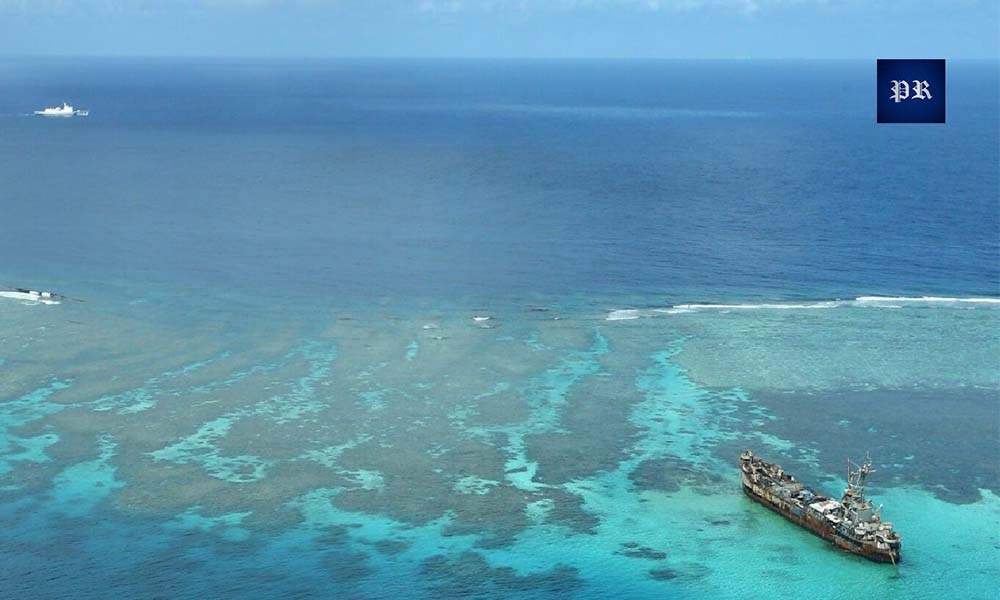
Philippines Challenges China AGAIN at the U.N Over the South China Sea
Why This Debate Matters More Than It Appears
For the Marcos administration, the controversy extends far beyond domestic politics. The Philippines is actively defending its maritime rights through diplomatic protests, legal initiatives, coast guard operations, and security cooperation with international partners. Because these efforts rely heavily on international credibility, officials argue that the government must present a consistent legal position both at home and abroad. Supporters of Teodoro believe that conflicting public statements from senior officials could weaken the country’s diplomatic position and create uncertainty among international partners about the Philippines’ long-term strategy.
Beyond the immediate political debate, the controversy reflects the broader challenges the Philippines faces as it balances national security, democratic governance, and regional diplomacy. The country is strengthening defense partnerships, expanding cooperation with allies, and actively asserting its maritime rights through legal and diplomatic channels. At the same time, it continues to maintain economic and diplomatic engagement with China despite ongoing tensions in the West Philippine Sea. How Philippine leaders and public officials communicate these policies will play an important role in shaping the country’s international credibility. Supporters believe that a unified national position strengthens the Philippines’ standing abroad, while critics argue that open debate is an essential part of any healthy democracy. As geopolitical competition in the Indo-Pacific continues to intensify, this discussion will remain significant not only for Philippine politics but also for regional stability and the future of international law in the South China Sea.
Why Teodoro Chose This Moment
The timing of Teodoro’s remarks is significant because the Philippines has recently intensified its diplomatic efforts regarding the West Philippine Sea. Only days before the controversy, Manila submitted additional information to the United Nations concerning the outer limits of its extended continental shelf. At the same time, the country continues to strengthen defense cooperation with allies while increasing coast guard patrols in disputed waters. Against this backdrop, Teodoro argued that consistency in government messaging is essential for protecting the credibility of the Philippines’ legal and diplomatic campaign.
Teodoro’s comments quickly drew criticism from Davao First District Representative Paolo Duterte, who accused the defense secretary of “demonizing China” and creating what he described as a political loyalty test for government officials. Duterte argued that public servants should be able to express different views on foreign policy without being pressured to support every government position or consider resigning from office. From his perspective, disagreement over the West Philippine Sea issue should not automatically be interpreted as disloyalty to the Philippines. His criticism sparked a broader debate over the balance between freedom of expression and the responsibilities that come with public office. The exchange also highlighted the growing political divide over how the Philippines should manage its relationship with China while continuing to defend its sovereign rights in the West Philippine Sea.
His Critics See It Differently
Despite government support for Teodoro’s position, critics argue that democratic societies should allow public officials greater freedom to express differing opinions without facing pressure to resign. They warn that expecting complete policy alignment could discourage healthy debate and reduce political diversity within government institutions. At the regional level, the discussion also reflects broader questions about international law, diplomacy, and security, as ASEAN continues negotiations with China over a South China Sea Code of Conduct while regional powers closely monitor developments in the Indo-Pacific.
The Philippines’ position on the West Philippine Sea is supported by a legal framework that has developed over several decades. At the center of this framework is the 1982 United Nations Convention on the Law of the Sea (UNCLOS), which establishes the maritime rights and responsibilities of coastal states. In 2016, an international arbitral tribunal ruled in favor of the Philippines, concluding that China’s expansive “nine-dash line” claim has no legal basis under UNCLOS within the Philippines’ exclusive economic zone. Although China rejected the ruling, the Philippine government continues to regard the award as legally binding and an important pillar of its foreign policy. Domestically, the Constitution, Administrative Order No. 29, and the Maritime Zones Act further reinforce the country’s official position. Together, these legal instruments shape the Philippines’ diplomatic initiatives, maritime law enforcement, and international advocacy, demonstrating that its policy is grounded in law rather than political preference.
The Bigger Strategic Picture
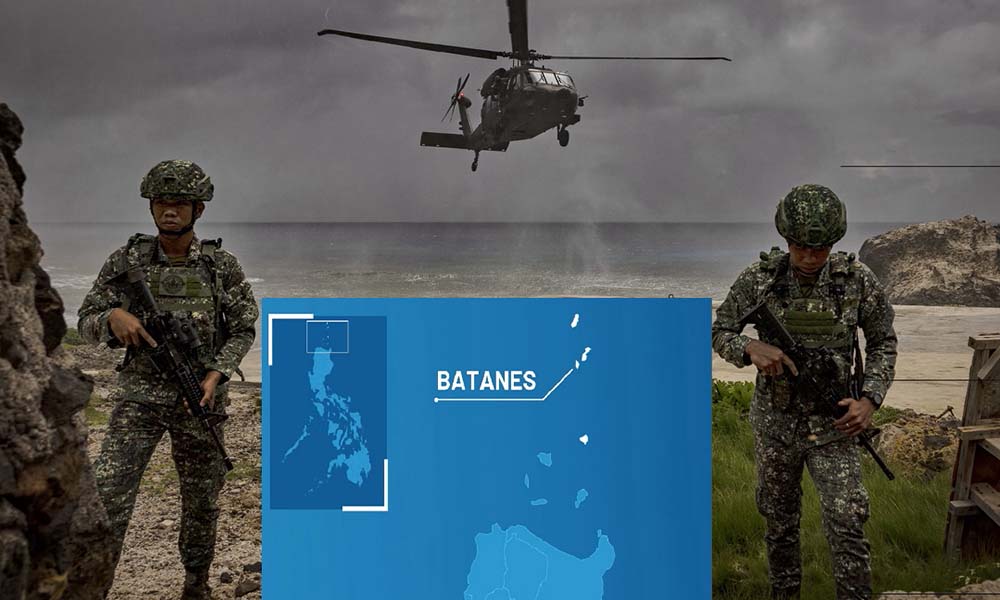
For Teodoro, the debate is part of a larger strategic challenge that goes beyond maritime disputes. He has repeatedly argued that sovereignty is increasingly contested not only through military activities but also through legal claims, diplomatic messaging, public narratives, and information campaigns. His response to controversial claims by some Chinese scholars regarding Batanes illustrates his belief that protecting Philippine sovereignty requires vigilance across multiple domains. From this perspective, national security depends as much on consistent communication and legal strategy as it does on military capability.
Conclusion – Why This Story Matters
The debate over Gilberto Teodoro’s remarks ultimately raises a broader constitutional and political question that extends beyond the West Philippine Sea. It asks whether public officials should publicly support the government’s established legal position on issues of national sovereignty while serving in office, or whether they should have greater freedom to openly challenge it. Supporters view Teodoro’s position as a necessary defense of constitutional responsibility and national credibility, while critics believe it risks limiting democratic debate. As tensions in the Indo-Pacific continue and the Philippines strengthens its legal and diplomatic efforts, this discussion is likely to remain central to the country’s national security and foreign policy for years to come.
About Indo-Pacific Report
For more geopolitical analysis, strategy coverage, and Indo-Pacific security reporting, visit Indo-Pacific Report:
Website
Facebook
YouTube
U.S. Secretly Expanding Coast Guard Base in the Philippines | China Won’t Like This