Teodoro JUST Drew a Line – Support the Philippines Against China or Leave
The Philippine Navy is entering one of the most important phases in its history. For decades, the country relied on a relatively small fleet that was primarily designed for coastal patrols, humanitarian missions, and internal security operations. However, the security environment in the Indo-Pacific has changed dramatically over the past decade. Rising tensions in the West Philippine Sea, increasing maritime disputes, and the need to protect one of the world’s largest Exclusive Economic Zones (EEZ) have forced Manila to rethink its naval strategy.
The commissioning of the first two Miguel Malvar-class guided-missile frigates marked a turning point for the Philippine Navy. These modern warships introduced advanced air defense, anti-submarine warfare, and anti-ship capabilities that were previously unavailable to the country’s naval forces. More importantly, they demonstrated that the Philippines is serious about building a modern navy capable of protecting its national interests in increasingly contested waters.
Recent reports suggesting that President Ferdinand Marcos Jr. is considering the acquisition of additional Miguel Malvar-class Flight IV frigates have generated significant attention among defense analysts. If approved, the Philippine Navy could eventually operate a fleet of twelve modern guided-missile frigates. Such a development would not simply increase the number of warships in service—it would fundamentally transform the Navy’s operational capabilities, allowing it to maintain a stronger and more consistent presence across its vast maritime domain.
Why the Philippine Navy Is Expanding Its Fleet
The decision to expand the Philippine Navy is not based on prestige or the desire to build a larger military. Instead, it is driven by practical security requirements and the country’s changing strategic environment. As an archipelagic nation with more than 7,600 islands, the Philippines depends heavily on secure sea lanes for trade, food security, energy supplies, and national defense. Protecting these waters requires a capable and modern navy that can operate far beyond the country’s coastline.
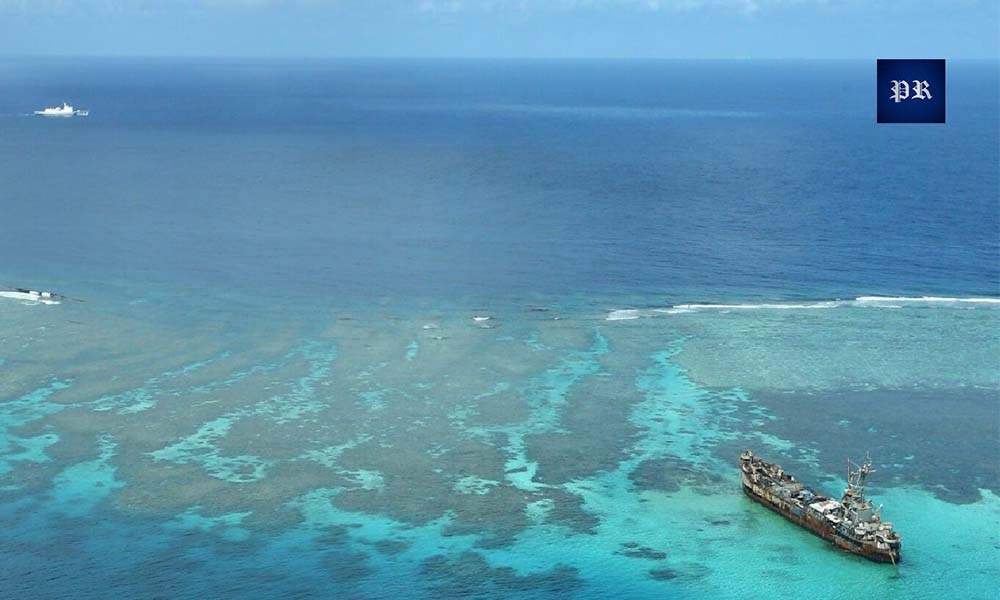
One of the main reasons behind this modernization effort is the increasing number of maritime confrontations in the West Philippine Sea. Over the past several years, Philippine Coast Guard and Navy vessels have encountered Chinese Coast Guard ships and maritime militia vessels during routine patrols and resupply missions. These incidents have highlighted the limitations of the Philippines’ older naval assets, many of which lacked the endurance, sensors, and defensive systems needed to operate effectively in contested waters.
Modern naval operations require ships that can remain at sea for extended periods while conducting surveillance, escort missions, and deterrence patrols. The Miguel Malvar-class frigates are specifically designed to perform these roles. Equipped with advanced radar systems, vertical launch systems, anti-ship missiles, and anti-submarine capabilities, these warships significantly improve the Philippine Navy’s ability to monitor and protect its maritime territory.
A Navy That Could No Longer Protect Its Own Seas
For much of its modern history, the Philippine Navy operated under significant resource constraints. Many of its ships were aging vessels acquired from foreign navies, often decades after their original commissioning. While these ships served the country with distinction, they were never designed to address the complex security challenges of the twenty-first century.
The Philippines possesses one of the largest maritime jurisdictions in Southeast Asia, with an Exclusive Economic Zone covering more than 2.2 million square kilometers. Monitoring such an enormous area requires advanced surveillance systems, long-range patrol capabilities, and modern surface combatants capable of remaining at sea for extended periods. Unfortunately, the Navy’s legacy fleet struggled to meet these demands.
China-Philippines CLASH Triggers Major U.S. Naval Response in the South China Sea!
As maritime tensions increased, particularly in the West Philippine Sea, the shortcomings of the older fleet became increasingly apparent. Philippine vessels were often required to conduct patrols in areas where they faced technologically superior ships equipped with more advanced sensors, communication systems, and defensive weapons. This imbalance underscored the urgent need for modernization.The strategic environment also evolved rapidly. Maritime security is no longer limited to traditional naval warfare. Modern navies must address a wide range of challenges, including illegal fishing, piracy, smuggling, disaster response, search and rescue operations, cyber threats, and gray-zone activities involving coast guards and maritime militias. Meeting these diverse responsibilities requires flexible and technologically advanced naval platforms.
Recognizing these realities, Philippine defense planners initiated a long-term modernization strategy designed to transform the Navy into a credible maritime force. This strategy focuses not only on acquiring new warships but also on improving training, logistics, maintenance infrastructure, and interoperability with allied navies.
Why the Philippines Could Build a Fleet of 12 Frigates
When the Philippine Navy first ordered the Miguel Malvar-class frigates, many observers viewed the acquisition as another routine defense procurement. Two advanced warships would replace aging vessels and improve the Navy’s combat capability, but few expected the program to expand significantly beyond the initial order. However, recent developments suggest that the Miguel Malvar-class may become the backbone of the country’s future naval fleet.
The first two frigates demonstrated the effectiveness of the platform and validated the Navy’s modernization strategy. Their advanced combat systems, improved endurance, and multi-role capabilities provided the Philippine Navy with a level of operational flexibility it had never possessed before. As a result, defense planners quickly recognized that expanding the fleet using the same design would be more practical than introducing multiple new ship classes.
Following the commissioning of the initial vessels, plans emerged for two additional Miguel Malvar-class frigates under a repeat-order program. Repeat orders offer several advantages. Shipbuilders can construct additional vessels more efficiently because production lines are already established, while navies benefit from reduced costs associated with crew training, maintenance, and logistics. Standardizing the fleet also simplifies operational planning and improves long-term sustainability.

According to various defense reports, President Ferdinand Marcos Jr. has reportedly expressed interest in acquiring six additional Miguel Malvar Flight IV frigates. Although this proposal has not yet received formal budget approval or contractual confirmation, it reflects a strategic vision that extends well beyond short-term modernization goals. If eventually implemented, the Philippine Navy would operate a fleet of twelve advanced guided-missile frigates—an unprecedented development in the country’s naval history.
The significance of twelve frigates extends beyond simple fleet expansion. Modern naval operations require continuous deployments across multiple regions while simultaneously maintaining ships undergoing maintenance, upgrades, crew training, and logistical support. A larger fleet ensures that sufficient vessels remain operational at any given time without overburdening personnel or equipment.
For an archipelagic nation like the Philippines, maintaining persistent naval presence is essential. Warships must patrol disputed waters, escort government vessels, participate in multinational exercises, conduct humanitarian missions, and respond rapidly to emergencies. These diverse responsibilities cannot be effectively managed by a small fleet regardless of individual ship capability.
The Strategic Importance of the West Philippine Sea
The West Philippine Sea has become one of the most strategically significant maritime regions in Southeast Asia. While it represents only a portion of the larger South China Sea, it holds enormous importance for the Philippines because it contains valuable fishing grounds, potential offshore oil and natural gas reserves, and some of the world’s busiest international shipping routes. For Manila, protecting this area is not only a matter of national sovereignty but also of economic security, energy independence, and regional stability.
Over the past decade, tensions in the West Philippine Sea have steadily increased. Philippine Coast Guard vessels, Navy ships, and civilian fishing boats have encountered frequent challenges while operating inside areas that the Philippines considers part of its Exclusive Economic Zone (EEZ). These encounters have highlighted the growing need for a stronger and more capable naval presence that can protect national interests without unnecessarily escalating tensions.
Unlike traditional naval conflicts, many of today’s maritime disputes occur in what analysts describe as the “gray zone.” Instead of conventional warfare, countries often use coast guard ships, maritime militia vessels, and administrative measures to assert their claims. These activities create persistent pressure while remaining below the threshold of open military conflict. For the Philippines, responding effectively to these challenges requires not only diplomacy but also a professional and well-equipped navy capable of maintaining a continuous presence at sea.
Why Geography Makes a Larger Navy Essential
The geography of the Philippines presents unique security challenges that few countries face. As an archipelagic nation consisting of more than 7,600 islands, the country possesses one of the world’s largest maritime jurisdictions. This vast area includes thousands of kilometers of coastline, numerous strategic waterways, and an Exclusive Economic Zone covering more than 2.2 million square kilometers.
Protecting such an enormous maritime domain requires far more than a handful of patrol ships. Unlike countries with a single coastline, the Philippine Navy must simultaneously monitor multiple regions, including the West Philippine Sea, the Philippine Sea, the Luzon Strait, the Sulu Sea, the Celebes Sea, and the waters surrounding Palawan and Mindanao. Each area presents its own security challenges, ranging from territorial disputes and illegal fishing to piracy, smuggling, and natural disasters.
How Twelve Frigates Could Transform Philippine Maritime Security
One of the greatest advantages of a larger frigate fleet would be the ability to maintain a continuous naval presence in key strategic areas. Instead of concentrating limited resources in one location, the Navy could simultaneously deploy ships to the West Philippine Sea, the Philippine Sea, and other important maritime regions. Continuous presence serves as a powerful deterrent by demonstrating that the Philippines is capable of monitoring and protecting its waters on a daily basis.
A larger fleet would also improve maritime domain awareness. Modern frigates equipped with advanced radar systems, electronic sensors, and communication networks can collect valuable information about activities occurring across the maritime environment. When integrated with surveillance aircraft, satellites, coastal radar stations, and allied intelligence, these ships become part of a comprehensive maritime security network capable of detecting potential threats much earlier.
Twelve modern frigates would also strengthen cooperation with regional allies. Joint patrols, combined exercises, and humanitarian missions require ships capable of operating alongside advanced naval forces from countries such as the United States, Japan, Australia, and South Korea. Standardized, technologically advanced frigates improve interoperability while enhancing the Philippines’ contribution to regional security initiatives.
Perhaps most importantly, a fleet of twelve frigates would symbolize the Philippines’ transition from a primarily coastal defense force to a modern maritime navy capable of protecting national interests throughout its Exclusive Economic Zone. While the fleet would remain smaller than those of major regional powers, its advanced technology, professional crews, and integration with other defense systems would significantly strengthen the country’s deterrence capabilities.
About Indo-Pacific Report
For more geopolitical analysis, strategy coverage, and Indo-Pacific security reporting, visit Indo-Pacific Report:
Website
Facebook
YouTube
Teodoro JUST Drew a Line – Support the Philippines Against China or Leave