Cuba’s Worst Economic Crisis Since the Soviet Collapse
A new development in Cuba is attracting international attention.
Cuban authorities have begun expanding civilian defense preparations and distributing weapons to selected civilian units as part of what officials describe as efforts to strengthen national defense.
The move comes at a time of growing geopolitical tensions and renewed debate about the future of U.S.-Cuba relations.
Supporters say the measures are necessary to protect national sovereignty.
Critics argue that the move reflects growing concerns inside the Cuban government about potential instability and external pressure.
Whatever the reason, the development has reopened questions about security, politics, and the future of Cuba’s relationship with Washington.
WHAT IS CUBA DOING?
According to reports, Cuban authorities are increasing the role of civilian defense organizations and local territorial defense units.
These groups are designed to support national defense in the event of a national emergency.
The Cuban government has long maintained a system that combines regular military forces with civilian defense structures.
Officials say the latest measures are intended to improve readiness and strengthen the country’s ability to respond to potential threats.
The move follows a long-standing Cuban doctrine that emphasizes national mobilization and resistance against foreign intervention.
WHY IS THIS HAPPENING NOW?
The timing is drawing attention.
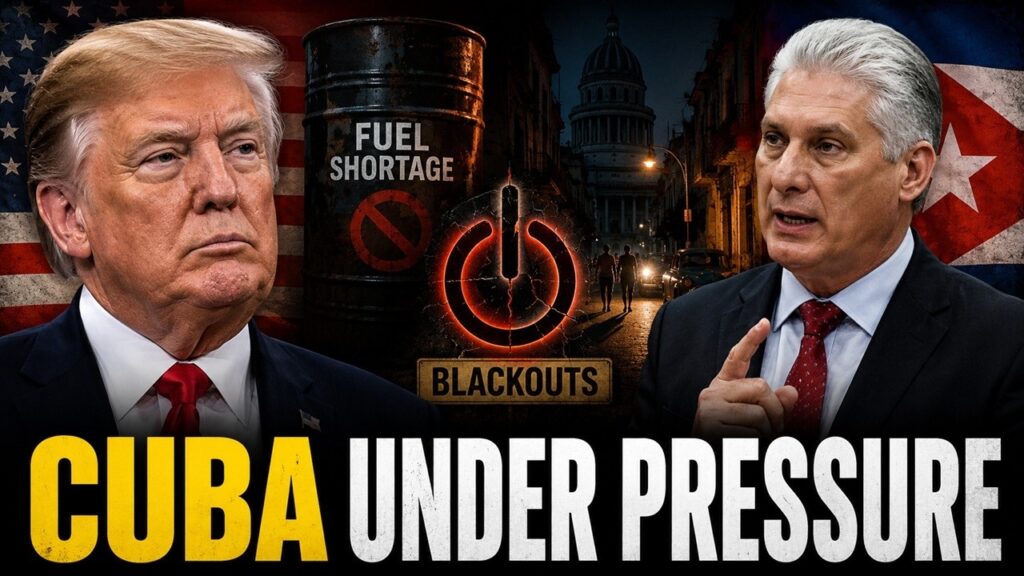
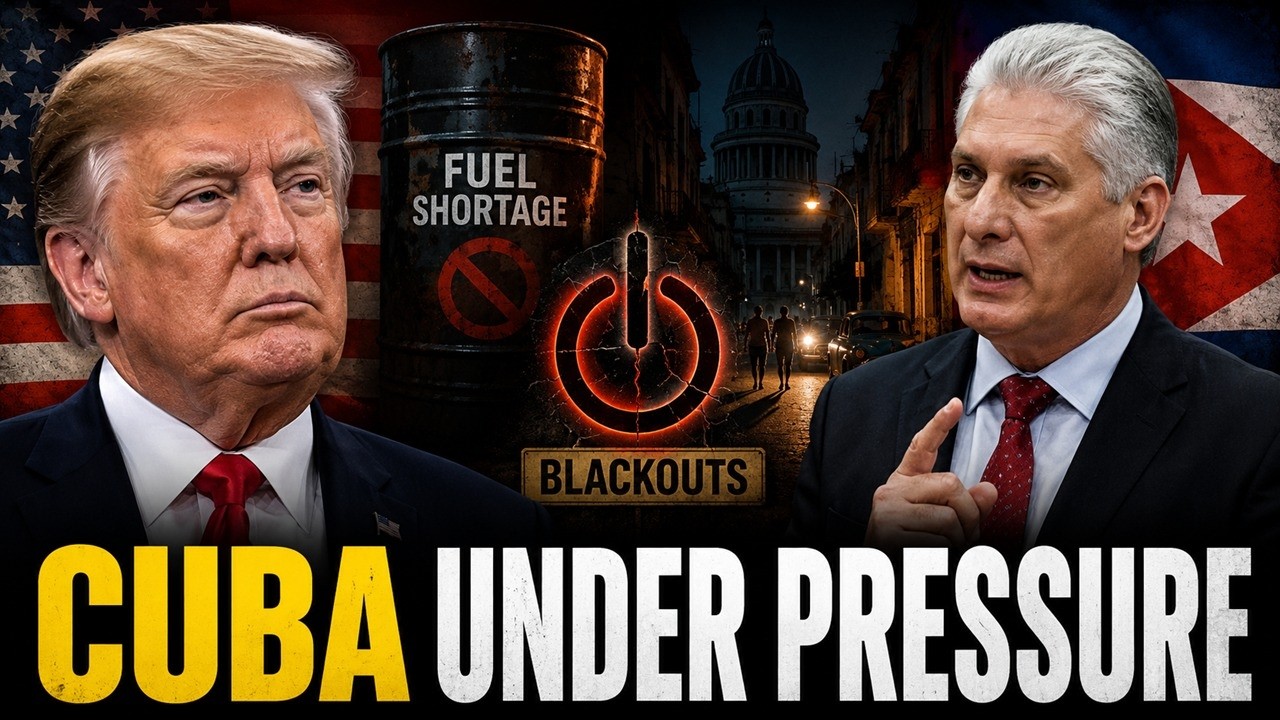
Cuba is facing one of its most difficult economic periods in decades.
The country continues to struggle with shortages of fuel, food, medicine, and electricity.
Economic pressures have contributed to growing public frustration and periodic protests.
At the same time, relations with the United States remain complicated.
Although there is no evidence that a U.S. military intervention is being planned, some Cuban officials and commentators have warned about what they see as increasing political pressure from Washington.
This broader environment has fueled concerns inside Cuba about national security and political stability.
THE SHADOW OF HISTORY
To understand Cuba’s actions, it is important to understand history.
For more than sixty years, relations between Cuba and the United States have been shaped by confrontation, sanctions, and political rivalry.
Events such as the 1961 Bay of Pigs invasion and the 1962 Cuban Missile Crisis remain deeply embedded in Cuba’s political memory.
For many Cuban leaders, national defense planning is influenced by those historical experiences.
As a result, security preparations are often viewed through the lens of past confrontations with the United States.
WHY SOME ANALYSTS ARE TALKING ABOUT TRUMP
Recent political commentary has linked Cuba’s actions to concerns about the future direction of U.S. policy.
Some analysts speculate that a more confrontational approach toward Cuba could emerge if Washington increases pressure on governments viewed as adversaries.
However, it is important to note that no official U.S. policy has called for military action against Cuba.
Most discussions remain focused on sanctions, diplomacy, migration, and economic pressure rather than military intervention.
Still, speculation about future U.S.-Cuba relations has contributed to the current debate.
Trump’s Iran Deal Is Dividing Republicans and Could Reshape the Entire Middle East
CUBA’S BIGGER SECURITY STRATEGY
The latest measures are part of a broader Cuban security doctrine.
Unlike larger military powers, Cuba has traditionally emphasized what it calls a “war of the whole people” strategy.
The idea is simple.
If the country ever faced a major external threat, civilian organizations would support military forces and help sustain national resistance.
This approach has been a central feature of Cuban defense planning for decades.
The recent mobilization efforts appear consistent with that long-standing strategy.
WHAT DOES THIS MEAN FOR THE REGION?
The developments are unlikely to trigger an immediate crisis.
However, they highlight the continuing mistrust that shapes relations between Cuba and the United States.
The Caribbean may not receive the same attention as Eastern Europe, the Middle East, or the Indo-Pacific, but it remains strategically important.
Any significant deterioration in U.S.-Cuba relations could affect regional security, migration patterns, and diplomatic relations across Latin America.
For neighboring countries, stability remains the preferred outcome.
WHAT HAPPENS NEXT?
Several possibilities remain.
Cuba may continue expanding civilian defense programs as a precautionary measure.
The United States could maintain its current approach, focusing on sanctions and diplomatic pressure.
Or both sides could pursue limited engagement to reduce tensions.
At the moment, there are no signs of an immediate military confrontation.
However, the latest developments show that distrust between Havana and Washington remains deeply rooted.