ADB Offers Philippines $1.75 Billion as Middle East War Shakes the Economy
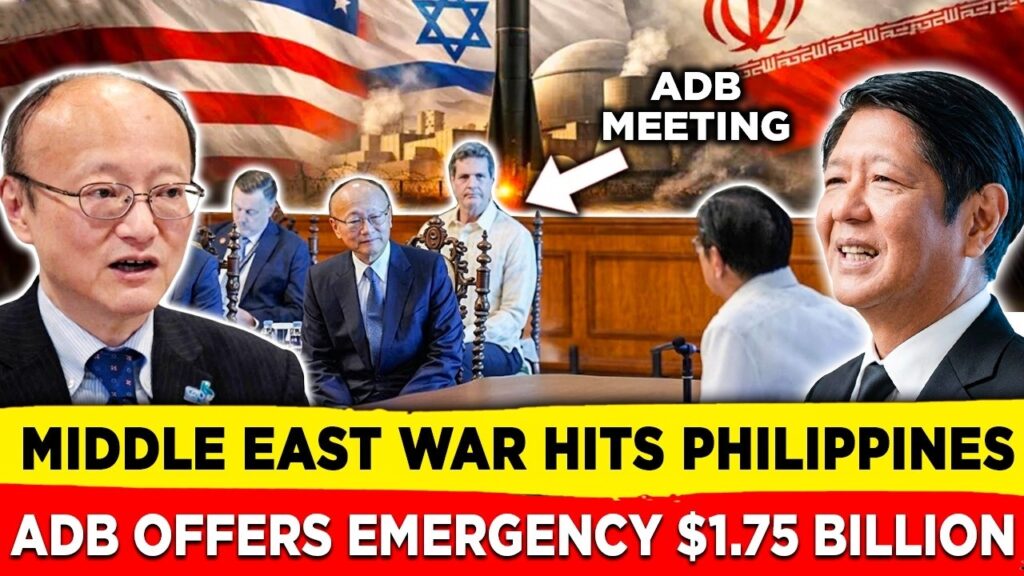
A war thousands of miles away is now hitting the Philippines hard. Fuel prices are climbing. Food is getting more expensive. Families are feeling the strain. And on May 15, 2026, the Asian Development Bank stepped in with a major offer.
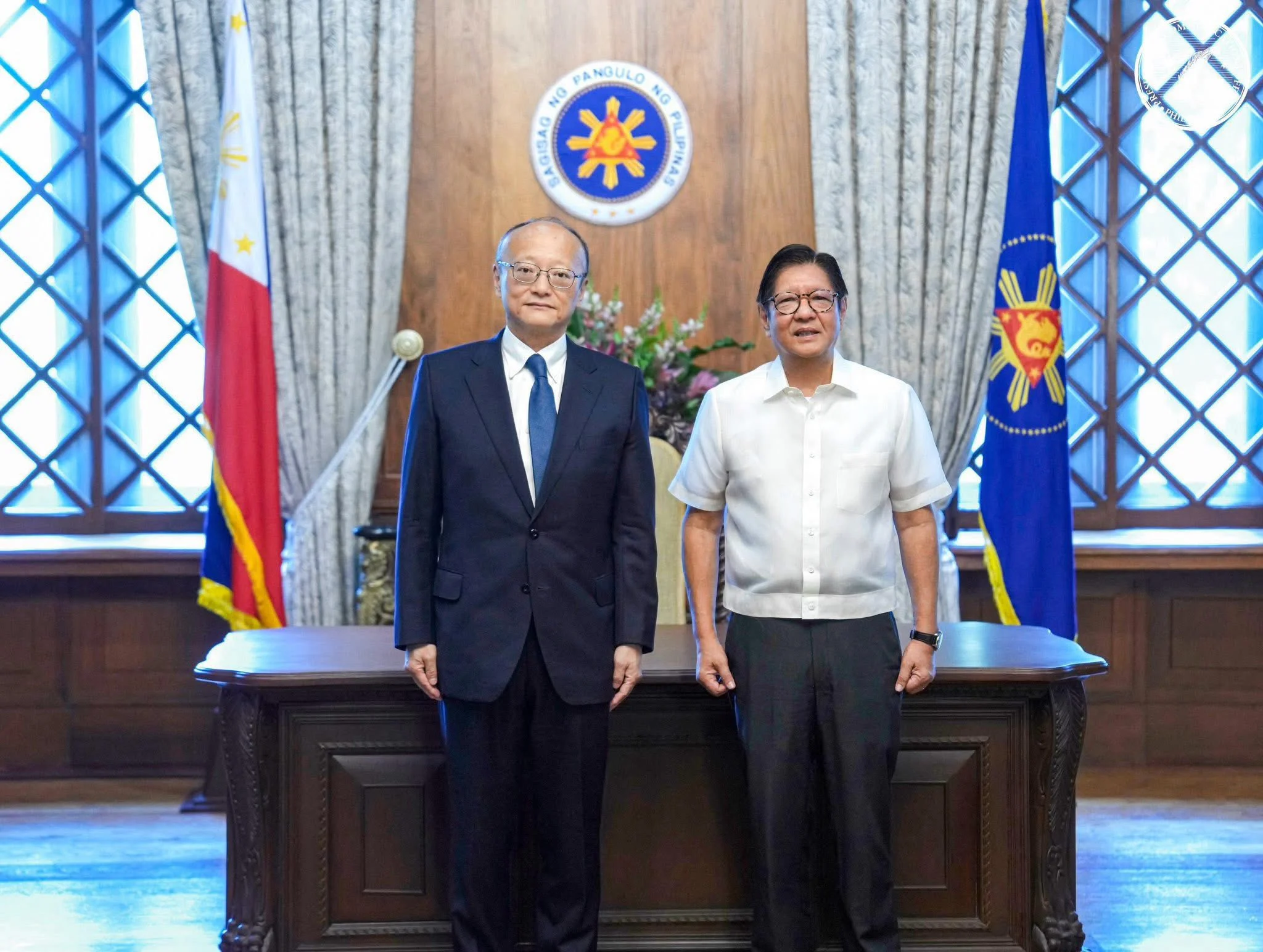
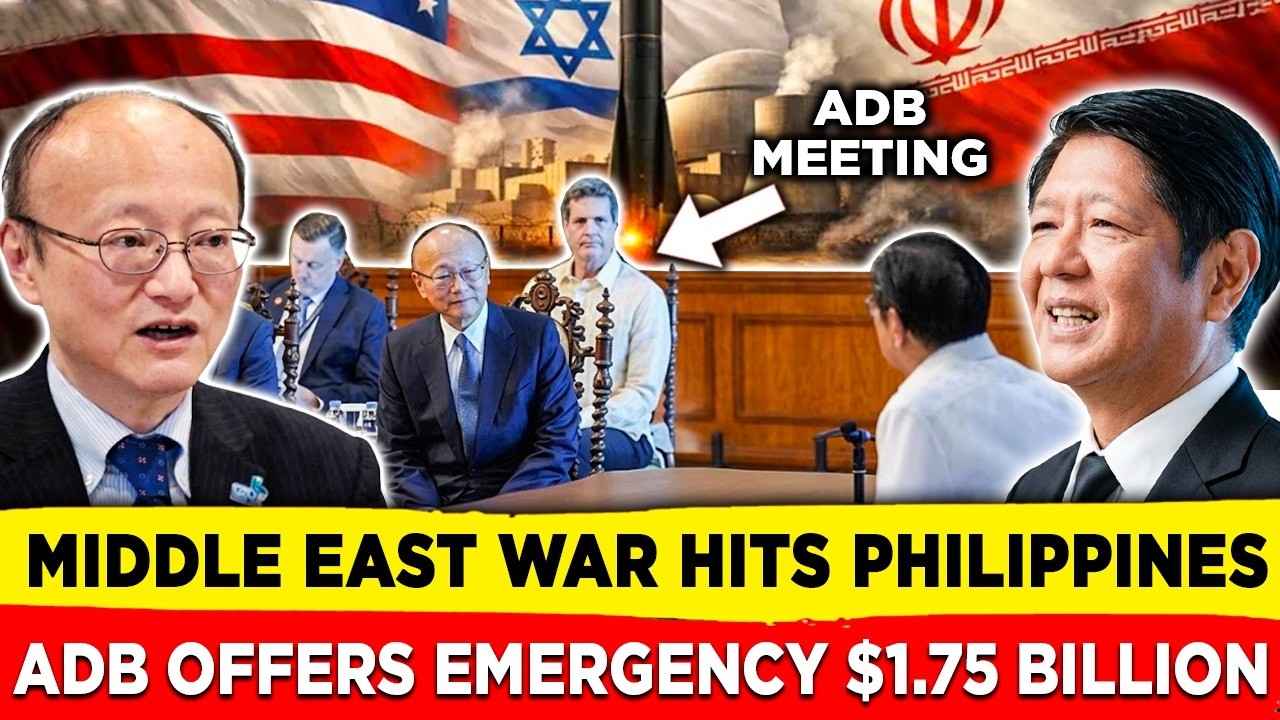
ADB President Masato Kanda walked into Malacañan Palace that Friday to meet President Ferdinand Marcos Jr. He came with a clear message: the bank is ready to send up to $1.75 billion in extra financing to help the Philippines survive the shock from the Middle East conflict.
“The Philippines is ADB’s home, and we see the strain this crisis is placing on Filipino families, workers, and businesses,” Kanda said. “ADB will act swiftly to support the government to protect vulnerable communities, manage fiscal pressures, and strengthen the economy’s resilience.”
That single sentence sums up the moment. A regional war has gone global. And countries that depend on imported energy are paying the price.
What the $1.75 Billion Really Means
This is not a simple cash gift. The money will come through three different channels.
First, policy-based lending. This helps the government keep funding its emergency programs without breaking the budget. Second, countercyclical lending. In plain words, this lets Manila spend during a crisis instead of being forced to cut back. Third, trade finance, if needed, to keep imports flowing.
And here is the important part. The $1.75 billion is on top of about $2 billion in policy-based loans the ADB is already preparing for the Philippines this year. Last year alone, the country received $6.81 billion in loans, grants, and co-financing from the bank. The relationship runs deep.
Why the Philippines Is Getting Hit So Hard
To understand why this support matters, we need to look at the economy.
The Philippines buys nearly all of its fuel from abroad. Some estimates put it at 90 to 100 percent. Most of that oil comes from the Middle East, mainly Iraq, Kuwait, Saudi Arabia, and the United Arab Emirates.
So when the United States and Israel launched their attack on Iran on February 28 and the Strait of was effectively shut down, the shock hit the Philippines instantly. That single waterway carries roughly one-fifth of the world’s oil shipments. Block it, and prices everywhere explode.
The numbers tell the story.
Oil prices crossed $100 a barrel. The Department of Energy warned that diesel could climb toward P115 per liter. Inflation jumped to 7.2 percent in April 2026, up from 4.1 percent in March. That is the highest inflation rate in three years. The peso slid to a record low of P61 against the U.S. dollar on April 28.
Every one of these numbers becomes a real-world pain. A jeepney driver pays more for fuel. A farmer pays more for fertilizer. A mother pays more for rice. A factory pays more to ship goods. The chain runs through the whole economy.
OFWs and the Quiet Risk
There is another silent danger. More than 2.4 million Filipinos work in the Middle East. They send money home every month. Last year, Overseas Filipino Workers sent back a record $35.6 billion. About $6.5 billion of that came from the Gulf region.
If the war drags on, jobs become unstable. Workers may need to be brought home. Remittances could fall. Think tank Capital Economics warned that this time the shock is worse than past crises. In past wars, falling remittances usually came with falling oil prices. Now both pressures are hitting at the same time.
Capital Economics has already cut its 2026 growth forecast for the Philippines from 4.5 percent down to 3.8 percent. That kind of cut is not small. It means fewer jobs, slower wages, and tighter household budgets.
China Is Watching the Philippines Fight Two Wars at Once — and It’s Taking Notes
The Government’s Response
President Marcos has not been silent. He declared a state of national energy emergency. He signed Executive Order No. 110, which launched the Unified Package for Livelihoods, Industry, Food, and Transport, known by its short name, UPLIFT.
UPLIFT is now the heart of the government’s response. The program includes fuel subsidies, lower excise taxes on kerosene and liquefied petroleum gas, and direct cash help for transport workers, farmers, fishers, and Filipinos coming home from the Middle East. A special UPLIFT Committee, chaired by the President himself, runs the whole effort.
This is where the ADB money fits in. The government cannot fund all these emergency programs and still keep the budget healthy on its own. The $1.75 billion gives Manila breathing room.
The ADB has also offered something beyond cash. It is working with the Department of Agriculture on fertilizer security, with the Department of Social Welfare and Development on protecting the poor, and with energy agencies on clean energy, energy efficiency, and mass transit projects. The goal is to make the Philippines less exposed the next time a crisis like this hits.
The Bigger Picture
This story is about more than one loan to one country. It is about how fragile modern economies have become.
A war in one region can crash currencies on the other side of the world. A blocked shipping lane can raise the price of bread in Manila. A regional conflict can rewrite a national budget.
The ADB knows this. That is why earlier in May, President Kanda also announced a much bigger commitment: $30 billion by 2030 to help ASEAN countries handle long-term shocks like this one. The announcement came at the 48th ASEAN Summit in Cebu.
Multilateral banks are quietly becoming the safety net for the world. When private investors run away during a crisis, lenders like the ADB, the IMF, and the World Bank are the ones who step in. Their loans are slower, calmer, and aimed at long-term stability, not short-term profit.
What This Really Says
The $1.75 billion offer is more than emergency money. It is a warning. It is a reminder that an oil-importing, remittance-dependent economy can be shaken by a war it has nothing to do with.
For the Philippines, the real challenge is not just surviving this shock. It is building the kind of economy that does not break every time a distant region catches fire. That means stronger local energy, smarter farming, better trade links, and a more diverse workforce abroad.
The ADB has given Manila a financial cushion. But the bigger lesson is harder to ignore. In today’s connected world, no country is truly far from any war. And the cost of staying unprepared is rising every year.