Why Did the U.S. Fly Weapons to the Philippines Instead of Shipping Them?
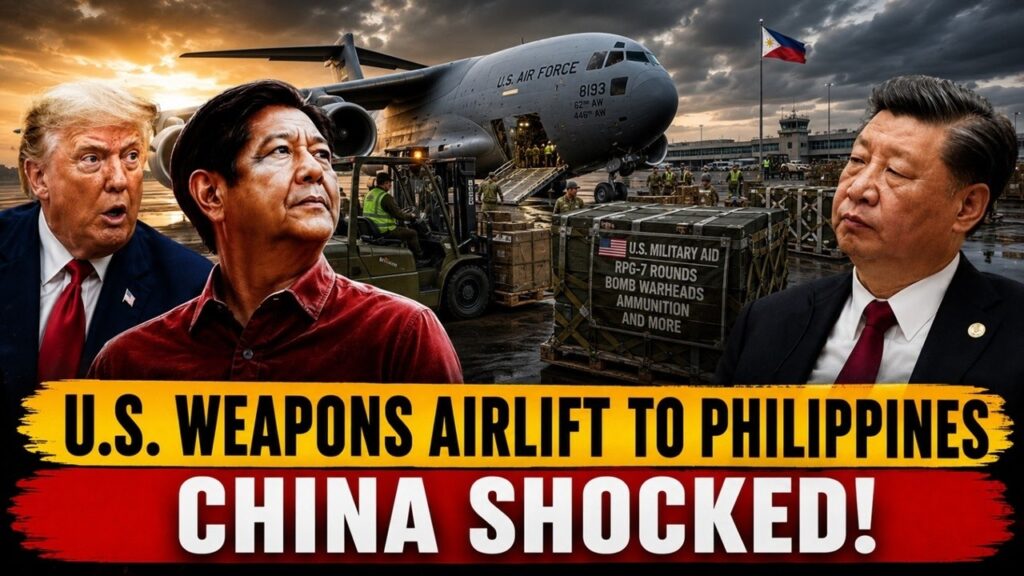
A detailed analysis of the recent U.S. military airlift to the Philippines, the reported delivery of RPG-7 ammunition, Foreign Military Financing, AFP modernization, and its strategic implications for the Indo-Pacific region. A recent U.S. military cargo flight to the Philippines may have appeared to be an ordinary logistics operation, but defense analysts believe it represents something far more significant. Reports indicate that the aircraft delivered 864 RPG-7 rounds and 10 bomb warheads under an $80 million U.S. Foreign Military Financing (FMF) package aimed at strengthening the Armed Forces of the Philippines (AFP).
Unlike deliveries of fighter aircraft, missile systems, or naval vessels, shipments of ammunition rarely dominate international headlines. However, military experts consistently emphasize that ammunition and logistics are the foundation of combat readiness. Even the world’s most advanced weapon systems become ineffective without a reliable supply chain.
The timing of this shipment is equally important. It comes as the United States and the Philippines continue expanding defense cooperation amid growing security challenges in the South China Sea and broader Indo-Pacific region. Joint military exercises have become larger, new defense facilities have opened under the Enhanced Defense Cooperation Agreement (EDCA), and the AFP is undergoing one of the most ambitious modernization programs in its history.
This article explores what was reportedly delivered, why the shipment was transported by air rather than sea, how it fits into the AFP modernization strategy, and what it reveals about the future of the U.S.-Philippines alliance.
What Exactly Was Delivered?
According to defense reports, the latest U.S. military airlift reportedly transported 864 rounds for RPG-7 rocket-propelled grenade launchers along with 10 bomb warheads to the Armed Forces of the Philippines. The shipment has been associated with Washington’s $80 million Foreign Military Financing(FMF) assistance package designed to enhance Philippine defense capabilities.
Although neither Washington nor Manila has released an official inventory of the cargo, the reported shipment aligns closely with the United States’ ongoing efforts to strengthen its long-standing treaty ally through security assistance, military training, and logistical support.
Marcos: A “Future-Ready” PH–US Alliance Evolving Beyond Defense
At first glance, the delivery may appear relatively small compared to the acquisition of fighter aircraft or missile defense systems. However, military readiness depends not only on sophisticated weapons but also on a continuous supply of ammunition, spare parts, fuel, maintenance equipment, and logistics. These essential resources ensure that military forces remain operational during both peacetime training and potential crises.
In modern warfare, logistics often determine operational success. History has repeatedly shown that even highly advanced armed forces struggle to sustain military operations without adequate ammunition and supply chains. From this perspective, the reported shipment represents more than a simple cargo delivery—it reflects an investment in long-term operational readiness.
Why Was the Shipment Airlifted Instead of Transported by Sea?
One of the most important questions surrounding the recent U.S. military assistance package is why the reported shipment was transported by air instead of using conventional sea freight. After all, cargo ships can carry significantly larger volumes of military equipment at a much lower cost. However, when military planners prioritize operational readiness and rapid response, speed often becomes more valuable than cost.
Strategic airlift allows critical military supplies, ammunition, personnel, and equipment to reach their destination within hours or days rather than the weeks normally required by sea transport. This capability has become a central pillar of U.S. military logistics, enabling forces to reinforce allies quickly during emergencies, military exercises, or humanitarian operations.
The recent shipment demonstrates that the United States is not only supplying defense equipment to the Philippines but also strengthening its ability to deliver military assistance rapidly whenever required. Every successful airlift enhances logistical coordination between both armed forces, improves interoperability, and tests the infrastructure needed to sustain future operations.
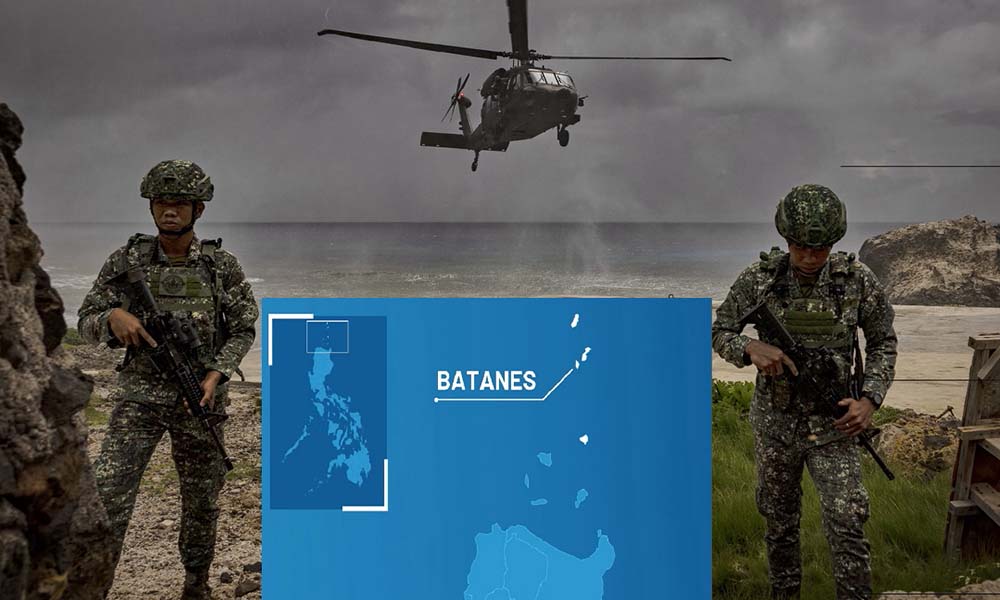
This capability was clearly demonstrated during Exercise Balikatan 2026, where U.S. Air Force C-130J Super Hercules aircraft transported troops, HIMARS rocket launchers, and military equipment to several strategic locations across the Philippine archipelago, including Clark Air Base, Laoag, and Itbayat Island. These exercises showcased how quickly allied forces can reposition military assets across geographically dispersed islands.
Although neither Washington nor Manila has described this latest airlift as a response to a specific security incident, the operation reflects an increasingly important strategic reality. In today’s Indo-Pacific security environment, the ability to reinforce an ally rapidly can be just as important as the military equipment itself. Fast logistics strengthen deterrence by ensuring that friendly forces remain prepared to respond whenever regional tensions increase.
Understanding Foreign Military Financing (FMF) and Its Strategic Importance
The reported ammunition delivery forms part of an $80 million U.S. Foreign Military Financing (FMF) assistance package, a security cooperation program designed to strengthen the defense capabilities of American allies and strategic partners around the world. Despite its name, Foreign Military Financing is not simply a financial grant transferred directly to another government. Instead, it provides funding that allows partner nations to acquire approved military equipment, training, logistical support, maintenance services, and defense technologies from the United States.
Managed by the U.S. Department of State, the FMF program serves a much broader purpose than supplying weapons alone. It aims to build capable, professional, and self-reliant armed forces that can operate effectively alongside U.S. military forces during joint exercises, humanitarian assistance missions, and regional security operations.
For the Philippines, FMF has become an essential component of its ongoing military modernization efforts. As one of America’s oldest treaty allies in Asia, the Philippines occupies a strategically important position along the First Island Chain, placing it at the center of Washington’s Indo-Pacific security strategy. Over the past several years, U.S. military assistance has steadily expanded through larger Balikatan exercises, enhanced cooperation under the Enhanced Defense Cooperation Agreement (EDCA), intelligence sharing, and increased defense funding.
The latest shipment should therefore be viewed as part of a long-term investment rather than a one-time delivery of ammunition. It reflects Washington’s commitment to helping the Armed Forces of the Philippines improve operational readiness, strengthen logistical capabilities, and develop a modern military capable of addressing emerging security challenges throughout the Indo-Pacific region.
Why Is the United States Expanding Military Assistance Now?
The growing pace of U.S. military assistance to the Philippines is closely linked to the rapidly changing security environment across the Indo-Pacific. Over the past decade, regional tensions have increased significantly, particularly in the South China Sea, where competing territorial claims continue to create friction between several nations.
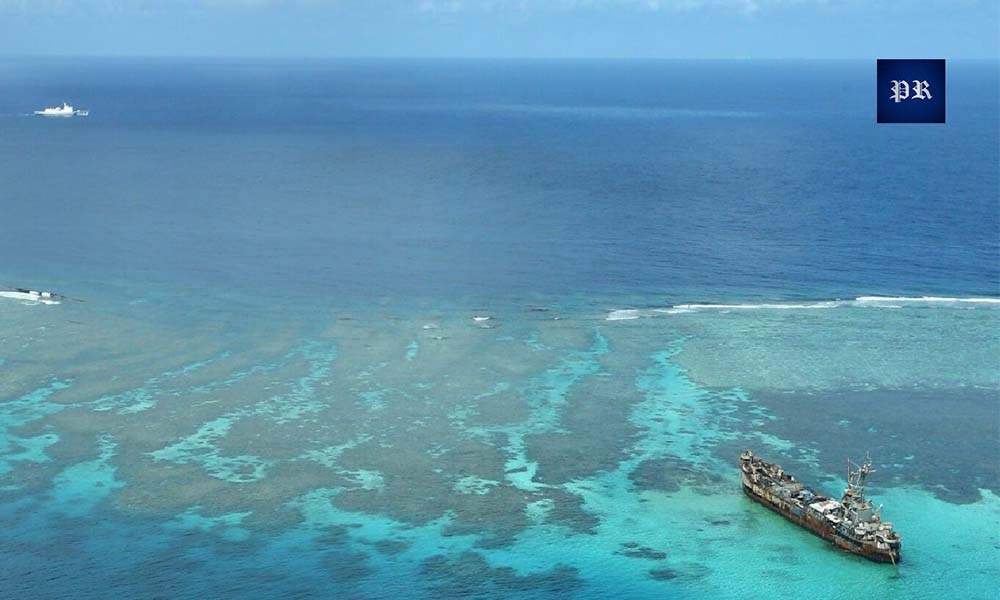
In recent years, encounters between Philippine and Chinese vessels have become increasingly frequent around disputed maritime features such as Second Thomas Shoal and Scarborough Shoal. Incidents involving water cannons, dangerous maritime maneuvers, and collisions during Philippine resupply missions have raised international concern and highlighted the importance of maintaining stability in one of the world’s busiest shipping routes.
At the same time, the Armed Forces of the Philippines are undergoing a historic transformation. After decades primarily focused on internal security and counterinsurgency operations, the military is shifting toward territorial defense, maritime security, and external defense. This transition requires not only advanced weapon systems but also stronger logistics, modern infrastructure, intelligence capabilities, and closer cooperation with allied nations.
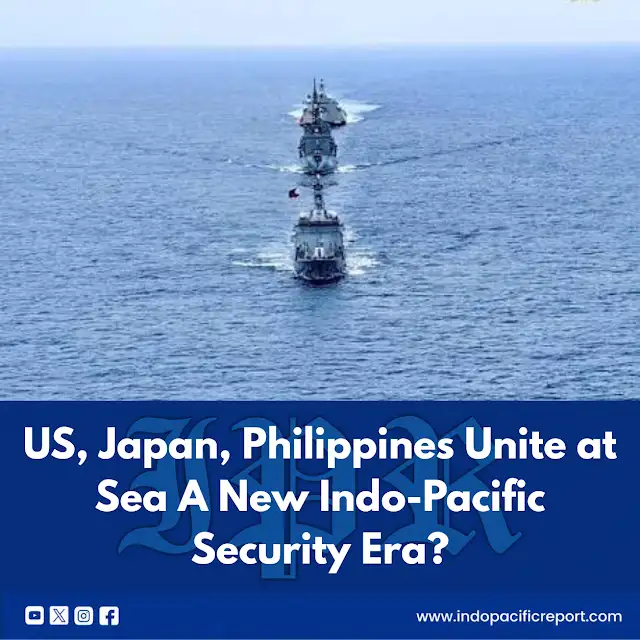
The United States views the Philippines as a critical security partner in maintaining a free and open Indo-Pacific. Consequently, both countries have expanded joint military exercises, increased access to strategic military facilities under EDCA, enhanced intelligence sharing, and improved rapid deployment capabilities.
While officials have emphasized that the latest ammunition shipment is part of routine defense cooperation rather than a response to any single incident, its timing reflects broader strategic planning. Strengthening military readiness before a crisis occurs is widely regarded as one of the most effective methods of deterrence. Rather than preparing for conflict, these initiatives are intended to reduce the likelihood of miscalculation by demonstrating that both allies remain capable, coordinated, and prepared to respond to evolving regional security challenges.
How the Shipment Supports the Modernization of the Armed Forces of the Philippines (AFP)
The recent U.S. military airlift represents only one component of the Philippines’ broader defense modernization strategy. Under the AFP’s Re-Horizon modernization program, the country is investing in advanced military capabilities designed to strengthen territorial defense, maritime security, and national sovereignty.
Modernization is often associated with acquiring new fighter aircraft, naval vessels, missile systems, and surveillance technologies. However, defense experts consistently emphasize that these high-profile platforms cannot operate effectively without a reliable logistical foundation. Ammunition, maintenance, spare parts, fuel supplies, communications systems, and transportation networks are all essential elements that sustain military operations over extended periods.
In recent years, the Philippines has significantly upgraded its defense capabilities through acquisitions such as BrahMos coastal defense missile systems, FA-50 light combat aircraft, and Jose Rizal-class guided missile frigates. These investments reflect Manila’s commitment to building a more capable and credible defense force capable of protecting its maritime interests.
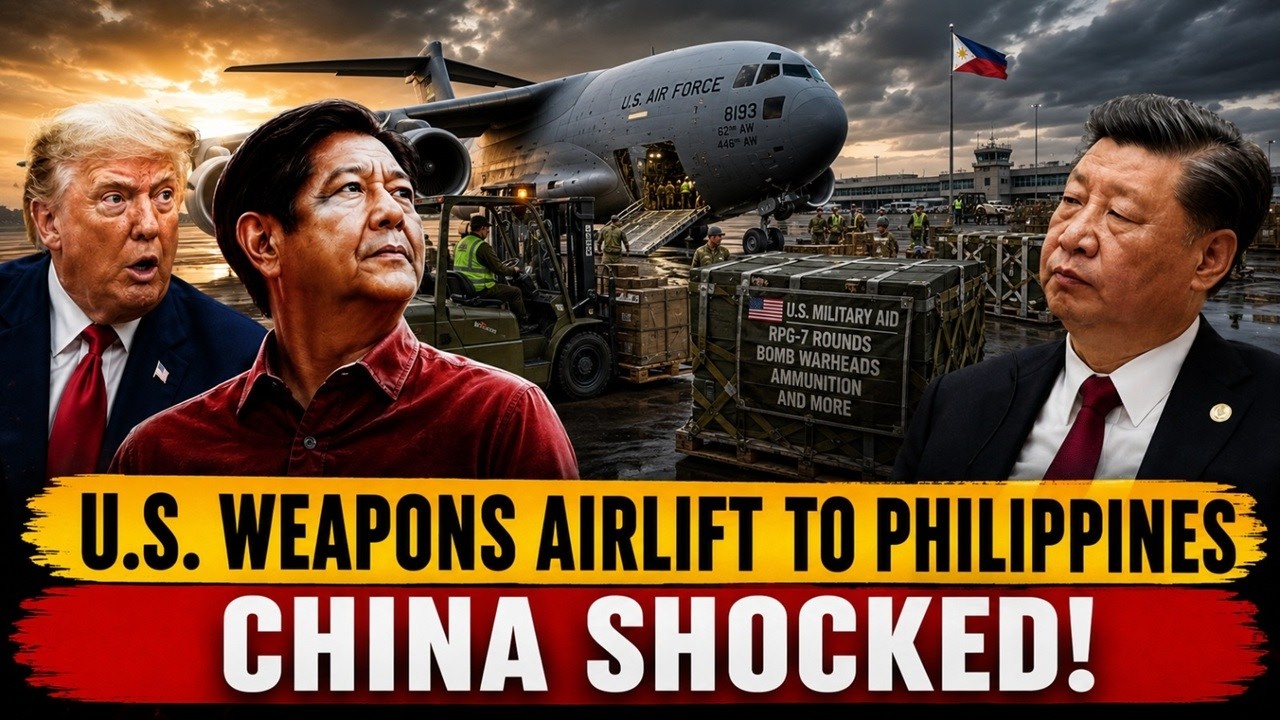
The reported ammunition shipment contributes directly to this modernization effort by strengthening one of the military’s most fundamental requirements—combat sustainment. A well-equipped military must also possess sufficient logistical capacity to maintain readiness during both peacetime operations and potential contingencies.
Viewed within this broader context, the latest U.S.-supported delivery is not simply a shipment of ammunition. It is another step toward building a more resilient, better-prepared, and operationally effective Armed Forces of the Philippines capable of addressing the increasingly complex security challenges emerging
About Indo-Pacific Report
For more geopolitical analysis, strategy coverage, and Indo-Pacific security reporting, visit Indo-Pacific Report:
Website
Facebook
YouTube
Why Did the U.S. Fly Weapons to the Philippines Instead of Shipping Them?