Ukraine’s Drone War Is Coming to the Philippines | What Happens Next?
The first-ever official defense dialogue between Ukraine and the Philippines marks a significant milestone in the growing relationship between the two countries. While Ukraine has traditionally focused its diplomatic efforts on Europe and North America since the start of the Russia-Ukraine war, it is now expanding its partnerships across the Indo-Pacific. At the same time, the Philippines is accelerating its military modernization program as regional security challenges continue to evolve, particularly in the South China Sea. Against this backdrop, both governments have agreed to begin negotiations on a proposed Drone Deal, signaling a shared interest in defense innovation, military cooperation, and the exchange of battlefield experience. Although no formal agreement has been signed yet, the discussions have attracted international attention because they could lay the foundation for a long-term strategic partnership between Europe and Southeast Asia.
What Happened in Kyiv?
On July 24, 2026, Ukraine welcomed the first official delegation from the Philippine Department of National Defense in the history of bilateral relations. The Philippine delegation, headed by Undersecretary of National Defense Salvador Mison, met with senior Ukrainian officials to discuss ways of expanding defense cooperation. During the meeting, Ukraine introduced its new Drone Deal initiative, and both sides agreed to begin formal negotiations to explore possible areas of collaboration.
However, it is important to separate confirmed facts from speculation. The meeting did not result in the signing of a drone procurement contract or a military technology transfer agreement. There was no announcement regarding joint drone production, weapons sales, or defense manufacturing projects. Instead, both governments agreed to establish working-level discussions that will examine how Ukraine’s battlefield experience and defense expertise could contribute to future cooperation. Beyond defense, the two countries also discussed strengthening diplomatic relations and expanding engagement within the broader Indo-Pacific region.
What is Ukraine’s Drone Deal?
Despite its name, Ukraine’s proposed Drone Deal is much broader than simply buying or selling drones. It represents a new framework for international defense cooperation based on the lessons Ukraine has learned during more than four years of large-scale warfare. Instead of focusing solely on military equipment, the initiative emphasizes the sharing of operational knowledge, technological innovation, and practical battlefield experience.
The Drone Deal framework may include areas such as technology transfer, joint research and development, military training, cybersecurity cooperation, industrial collaboration, and the development of next-generation unmanned systems. Ukraine has rapidly emerged as one of the world’s leading innovators in drone warfare, developing advanced surveillance drones, FPV attack drones, maritime drones, and counter-drone technologies. By offering this expertise to international partners, Kyiv aims to strengthen its defense industry while helping friendly countries prepare for the changing nature of modern warfare.
Why the Philippines is Interested
The Philippines has compelling reasons to explore closer defense cooperation with Ukraine. As tensions continue in the South China Sea, Manila is investing heavily in modernizing its Armed Forces to improve maritime security, intelligence gathering, and territorial surveillance. Traditional military platforms such as warships and fighter aircraft remain important, but modern conflicts increasingly rely on unmanned systems that are more affordable, flexible, and effective in monitoring large areas.
Ukraine’s experience offers valuable lessons because it has successfully integrated drones, artificial intelligence, electronic warfare, and real-time intelligence into military operations under actual combat conditions. Rather than simply purchasing new drone technology, the Philippines is interested in understanding how Ukraine develops military doctrine, adapts quickly to changing battlefield conditions, and integrates unmanned systems into land, sea, and air operations. These practical lessons could help strengthen the Philippines’ defensive capabilities while supporting its long-term military modernization strategy.
China Furious as Taiwan Backs Philippines in the South China Sea Dispute
Why Ukraine Wants the Philippines
The partnership is equally beneficial for Ukraine. Since the beginning of the war, Kyiv has sought international military assistance, but it is now increasingly positioning itself as a provider of defense innovation and battlefield expertise. Expanding cooperation with the Philippines supports Ukraine’s broader strategy of building new partnerships beyond Europe while opening opportunities for defense exports, industrial cooperation, and technological collaboration.
The Philippines is also strategically important because of its geographic location at the crossroads of the South China Sea, the Philippine Sea, and the wider Indo-Pacific region. As one of Southeast Asia’s fastest-modernizing militaries, Manila represents an attractive long-term defense partner. Additionally, stronger relations with the Philippines could help Ukraine strengthen its diplomatic engagement with ASEAN and increase its presence across Southeast Asia. For Kyiv, the proposed Drone Deal is therefore about much more than defense—it is also part of a wider diplomatic and economic strategy.
Impact on the Indo-Pacific
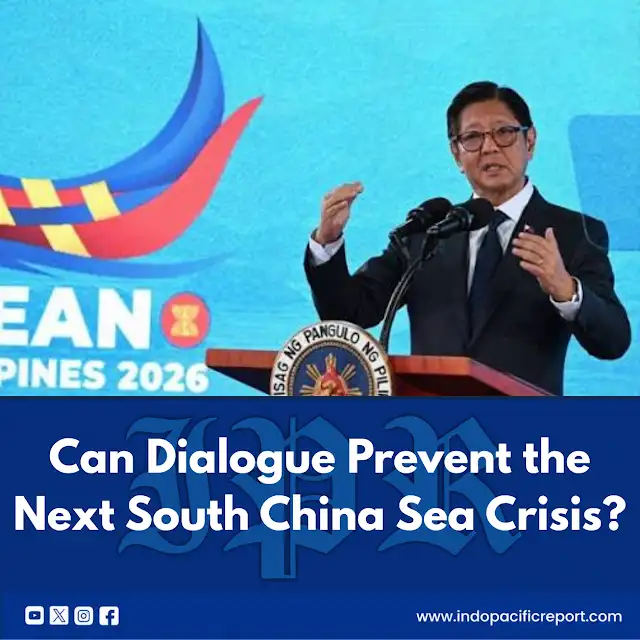
Although no formal agreement has been signed, the proposed Drone Deal could have important implications for security across the Indo-Pacific. Military planners throughout the region are increasingly recognizing that future conflicts will rely heavily on drones, artificial intelligence, electronic warfare, and autonomous systems. Ukraine’s experience has demonstrated how relatively inexpensive unmanned technologies can significantly improve battlefield awareness, precision strikes, and maritime operations against larger conventional forces.
For countries like the Philippines, the greatest value may not lie in acquiring a specific drone platform but in learning how to integrate these technologies into broader military strategy. If cooperation expands, Ukraine’s battlefield knowledge could influence how Indo-Pacific nations approach maritime surveillance, island defense, deterrence, and responses to gray-zone activities. This reflects a broader global trend in which military partnerships focus not only on purchasing equipment but also on sharing operational expertise and innovation.
Conclusion
The discussions between Ukraine and the Philippines represent the beginning of an important new chapter in bilateral relations rather than the completion of a defense agreement. At this stage, no drone procurement contract, weapons transfer, or joint production project has been confirmed. Instead, both governments have committed to opening negotiations and exploring areas where Ukraine’s wartime experience can support the Philippines’ military modernization efforts.
If these discussions continue to develop, they could eventually lead to cooperation in military training, technology transfer, cybersecurity, industrial partnerships, and defense innovation. More importantly, the initiative demonstrates how Ukraine is transforming from a country primarily receiving military assistance into one that increasingly shares its operational knowledge with international partners. For the Philippines, the partnership offers access to some of the world’s most battle-tested expertise in unmanned warfare. As global security continues to evolve, this emerging relationship is likely to remain an important development to watch across both Europe and the Indo-Pacific.
About Indo-Pacific Report
For more geopolitical analysis, strategy coverage, and Indo-Pacific security reporting, visit Indo-Pacific Report:
Website
Facebook
YouTube
Ukraine’s Drone War Is Coming to the Philippines | What Happens Next?