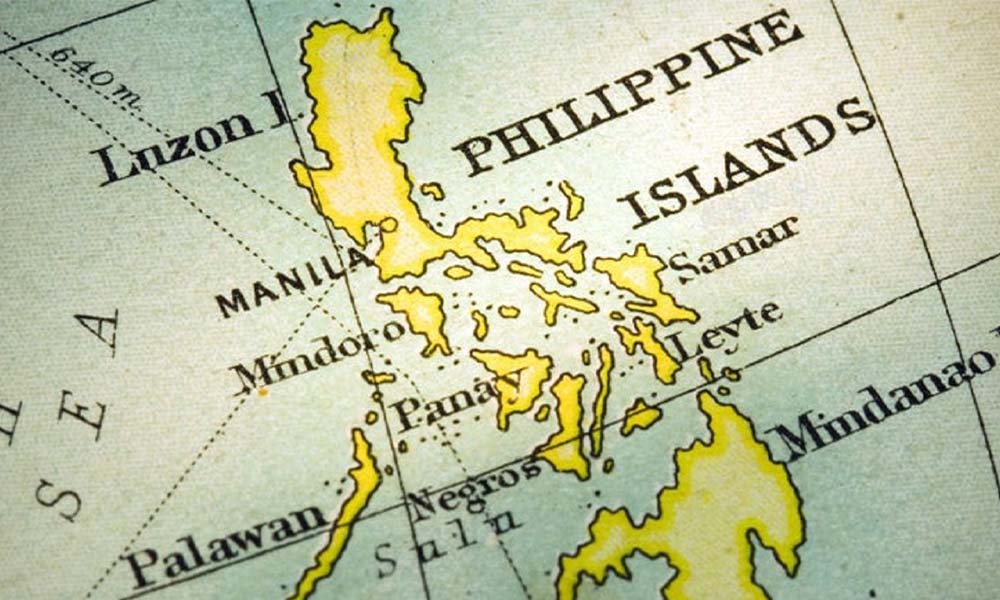
US to Build Navy Repair Facilities in the Philippines (Palawan / near Second Thomas Shoal)
“We are investing in facilities that will help the Philippines sustain its maritime presence in the West Philippine Sea.” That line dropped quietly in a briefing. But don’t let the calm wording fool you. Because here’s the real question no one can ignore: What happens when repair docks start appearing just a few sailing hours away from one of the most contested shoals in Asia?
This week, the United States confirmed it will fund and construct two boat repair facilities in western Palawan, one in Oyster Bay and another in Quezon town. On paper, they’re small-boat maintenance hubs. Nothing flashy. No warships. No missile batteries. Just repair yards. But sometimes the most strategic moves don’t look dramatic at all.
Think about it. For years, every resupply mission to Second Thomas Shoal has felt like a gamble. Wooden boats, steel-hulled coast guard vessels, tense radio warnings, water cannons blasting across decks. We’ve all seen the footage. Filipino sailors bracing against impact. Journalists ducking behind railings. That grounded ship, the Sierra Madre, rusting but defiant.
Now imagine this: instead of limping hundreds of miles back to a major port after a hull gets cracked or an engine overheats, Philippine boats can repair closer to the action. Faster turnaround. Less vulnerability. More presence. It changes the rhythm.
Palawan isn’t just a scenic island with postcard beaches. It’s the gateway to the western Philippine EEZ. From there, you’re within operational range of the Spratlys. Within reach of Second Thomas Shoal. Within the same waters where confrontations in 2023 and 2024 escalated, ramming incidents, blocked resupply missions, coast guard standoffs that felt one miscalculation away from something worse.
This is why these facilities matter. They’re not about launching offensives. They’re about endurance. And endurance, in maritime disputes, is everything. If you’ve followed the South China Sea long enough, you know the pattern. Pressure. Delay. Harassment. Wear the other side down. Make presence costly. Make resupply exhausting. Make maintenance a nightmare. It’s slow coercion, not headline-grabbing war. So Manila adapting? That’s significant. Because resilience isn’t loud. It’s logistical.
The U.S. has been clear: this does not involve new permanent combat deployments. But let’s be real, infrastructure is influential. When Washington funds repair capacity in Palawan, it’s doing more than pouring concrete. It’s embedding operational continuity into Philippine maritime operations.

And that sends a message. Not a shouting match. Not a missile test. A message that says: You can’t exhaust us that easily. I keep thinking about the sailors stationed aboard the Sierra Madre. Rotating in and out. Living inside a rusting World War II-era ship deliberately grounded as a territorial marker. It’s symbolic, yes. But it’s also human. Young men and women far from home, watching the horizon for approaching vessels.
For them, a nearby repair facility isn’t abstract geopolitics. It’s safer missions. Quicker fixes. Less time exposed. This move tightens U.S.-Philippine defense cooperation, no doubt. It deepens interoperability. It reinforces the alliance. But more than anything, it shores up Manila’s ability to stay present in its own waters.
And in the South China Sea, presence is power. So here’s the bigger question: Is this the quiet beginning of a more permanent logistical footprint in western Palawan? Or simply the next step in helping the Philippines stand its ground? Either way, one thing is clear. The chessboard just shifted and it didn’t require a single new warship to do it.
Project details (what’s being built)
So what exactly is being built? Not a giant naval base. Not an aircraft carrier pier. Not some dramatic Cold War–style fortress rising out of Palawan’s jungle. What’s coming is quieter. But honestly? It might be smarter. The facilities will be located at Naval Detachment Oyster Bay in Ulugan Bay (Puerto Princesa) and in Quezon town in western Palawan. If you know the map, that’s not random. Oyster Bay has long been considered one of the most strategically positioned natural harbors facing the West Philippine Sea. Deep waters. Good cover. Close enough to matter.
And Quezon? Even closer to the operational edge. These aren’t showpiece projects. They’re being sized specifically for small boats, rigid-hulled inflatable boats (RHIBs), assault craft, and support for unmanned surface vessels. The design-build notices referenced support for vessels around 11.6 meters in length. That’s a patrol craft scale. Fast. Agile. The kind of boats that actually do the day-to-day work out there, escorting resupply missions, shadowing foreign vessels, asserting presence.
Let’s be honest. In the South China Sea, the real action doesn’t happen between destroyers trading missiles. It happens between small gray boats maneuvering within meters of each other. It’s coast guard cutters. Maritime militia. Patrol craft edging closer than anyone is comfortable with. That’s why maintenance matters.https://indopacificreport.com/australia-boosts-philippine-defense-complementing-u-s-partnership/
Because here’s the thing most people don’t think about: small boats take punishment. Saltwater corrosion. Engine stress. Hull damage from aggressive maneuvering. If you can’t repair quickly, your operational tempo drops. And once your tempo drops, your presence fades. And presence, we’ve seen this again and again, is everything.
The procurement trail makes it clear this wasn’t improvised. The U.S. Naval Facilities Engineering Systems Command (NAVFAC) issued design-build solicitations in mid-2025. Public notices. Structured contracting. This is institutional planning, not a reactionary move after a single incident. That detail matters. It tells us this is part of a longer arc, a deliberate effort to reinforce maritime sustainability in western Palawan.
And I’ll say this bluntly: logistics wins maritime contests more often than headlines do. You can have brave sailors. You can have political will. But if your engines fail and your hulls crack and you have to sail days back for repairs? You lose momentum. Slowly. Quietly. With Oyster Bay and Quezon equipped to service RHIBs and similar platforms, turnaround times shrink. Boats go back out faster. Crews spend less time exposed during long transits. Maintenance becomes local, not distant.
It’s not dramatic. But it’s durable. And in a contested sea where the strategy often revolves around exhaustion, wearing the other side down, durability might be the most powerful move of all.https://www.youtube.com/watch?v=OMUbZ4O1wdI
Strategic objectives (US & Philippines)
Let’s strip this down to what it really is. Why would Washington spend money on small-boat repair hubs in Palawan? Why would Manila welcome it, especially knowing Beijing is watching every move? Because this isn’t about symbolism. It’s about staying power.
First, operational readiness.
Western Command, the Philippine military command responsible for Palawan and the West Philippine Sea, operates in an environment where boats don’t just patrol, they endure friction. Salt corrosion. Engine strain. Close-quarters maneuvering during standoffs. Even minor hull damage can sideline a vessel longer than people realize. If repairs happen far from the operational area, patrol tempo slows. If patrol tempo slows, presence thins. And once presence thins, the narrative shifts. These facilities cut that loop.
Shorter repair cycles mean faster turnaround. Faster turnaround means more frequent patrols. More patrols mean sustained presence near places like Second Thomas Shoal. It’s logistics math, honestly. Not glamorous. But brutally effective. And I think that’s the key here. This is about tempo control. Second, burden-sharing and capacity building.
Subic Bay Returns to the Geopolitical Spotlight US–China Rivalry in the Indo‑Pacific
Notice what this is not: it’s not a new U.S. base filled with American destroyers. The facilities are designed to service Philippine vessels. Philippine crews. Philippine operational requirements.
That framing matters. A lot. Washington has been leaning hard into the language of “capacity building” and a “free, open, and resilient Indo-Pacific.” Critics roll their eyes at the phrasing, sure. But in practice, this is what it looks like: infrastructure that upgrades a partner’s ability to stand on its own feet.https://www.youtube.com/watch?v=WVKV0c626YA
It’s not garrisoning. It’s enabling. There’s a difference between parking your own warships somewhere and making sure your ally’s boats don’t break down mid-mission. One signals dominance. The other signals reinforcement. And right now, reinforcement is strategically smarter. Third, and this is where it gets subtle, deterrence signaling. Not loud deterrence. Not aircraft carriers cutting through contested waters. Quiet deterrence.
Logistics is alliance glue. When you build shared infrastructure, you create interoperability pathways. You align maintenance standards. You align communication protocols. You align operational rhythms.
That kind of integration doesn’t escalate on paper. But it deepens practical alliance ties in a way that’s hard to unwind later. And here’s the balancing act: this strengthens the U.S.-Philippines alliance without crossing into the forward-basing of major American combatants in Palawan. No permanent strike groups. No headline-grabbing deployment that would immediately spike regional tensions. It’s firm, but calibrated.
You could call it strategic restraint. Or strategic patience. Either way, it reflects something interesting about how both Washington and Manila are thinking right now. They’re not trying to win a dramatic moment. They’re trying to win the long game. Sustainment over spectacle. Resilience over reaction. And in the South China Sea, where pressure is constant but rarely explosive, that approach might be exactly the point.
Political messaging & quotes
Now let’s talk about the words. Because in geopolitics, the language is never accidental. When the U.S. Embassy framed the Palawan facilities as support for a “free and open Indo-Pacific,” that wasn’t filler language. That phrase has basically become Washington’s strategic shorthand. It signals rules-based order. Freedom of navigation. Alliance solidarity. It’s a diplomatic code, but everyone in the region understands what it implies.
The tone coming out of the embassy has been steady, almost deliberately calm. This isn’t about provocation. It’s about partnership. The message is: we’re helping an ally strengthen its own capacity. That’s it. Clean. Controlled. Predictable.
But beneath that restraint, there’s a quiet firmness. Philippine Ambassador to Washington, Jose Manuel Romualdez, has leaned into that theme of commitment. He consistently emphasized that the U.S. remains engaged, that alliance obligations are real, and that Manila intends to defend its maritime claims, while still keeping diplomatic channels open. It’s a careful balance. Assert your rights. Avoid unnecessary escalation. Stay anchored to the alliance.https://www.youtube.com/watch?v=73KISFH1-aQ
And honestly, that balancing act is the story of Philippine foreign policy right now. But the sharpest soundbite? That came from Washington. Jake Sullivan, speaking in the context of Second Thomas Shoal, made it unmistakably clear: “The United States ‘will do what is necessary’ to see that the Philippines is able to resupply a ship on the Second Thomas Shoal.” That line hits differently.
Because it’s not abstract. It’s specific. It references the grounded Sierra Madre. It references the exact flashpoint where repeated confrontations have occurred. It’s reassurance, but it’s also a warning wrapped in diplomacy. “Will do what is necessary” leaves room. Strategic ambiguity. It doesn’t spell out methods. It doesn’t promise dramatic military intervention. But it signals resolve. And that’s the messaging pattern here overall. Not chest-thumping. Not theatrics.
Just steady reinforcement of three points: The alliance is active. The Philippines won’t stand alone. Resupply and sustainment are red lines.
In a region where every phrase is dissected, these statements aren’t just quotes. They’re signals sent outward, to Beijing, to ASEAN neighbors, to domestic audiences in Manila, that this partnership isn’t symbolic. It’s operational.
Operational / tactical effects (how this changes things at sea)
Okay. This is where things stop being abstract and start becoming very real out at sea. Because strategy sounds impressive in conference rooms. But out there? It’s engines, fuel lines, cracked hulls, radio chatter, weather, and whether your boat actually starts at 0400.
First, faster maintenance equals higher sortie rates.
If a rigid-hulled inflatable boat (RHIB) takes damage during a close maneuver, maybe from aggressive shadowing, maybe from heavy seas, and it has to travel far for repairs, that’s dead time. Days lost. Sometimes weeks. Crews waiting. Missions delayed. Now shrink that repair cycle.
Suddenly, a boat goes back out in 24–48 hours instead of sitting idle. Multiply that across multiple patrol craft. You don’t just maintain presence, you increase it.
Higher sortie rates mean more patrols.
More patrols mean more ISR coverage.
More ISR means fewer blind spots.
And in contested waters, blind spots are dangerous.
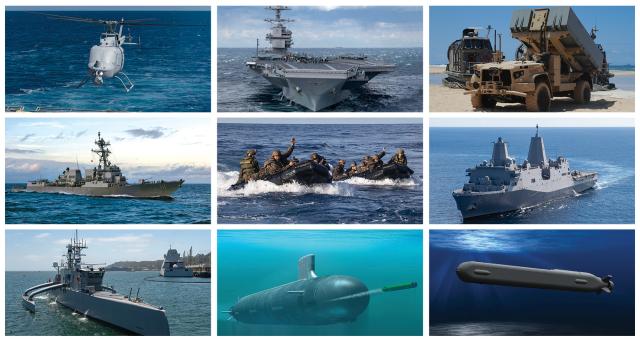
Second, manned and unmanned integration. This part is easy to overlook, but it’s big.
The contract language mentions support for unmanned surface vessels (USVs). That’s not accidental. It signals future-proofing. Small autonomous platforms can extend surveillance ranges, operate in riskier zones, and reduce exposure for crews.
Imagine a scenario near Second Thomas Shoal. A Philippine patrol craft deploys a USV ahead of it, gathering imagery, tracking movements, feeding data back in real time. If something escalates, commanders already have situational awareness before human crews get too close. That shifts decision cycles. And when you can repair and sustain both manned and unmanned platforms locally, you normalize that mixed operational model. It’s not experimental anymore. It becomes routine.
U.S. Eyes Massive Ammunition Factory at Subic Bay to Deter China!
Third and maybe most important, closing the operational gap. For years, one of the realities in the West Philippine Sea has been imbalance in presence. Chinese coast guard and maritime militia vessels often outnumber and outlast. They can shadow, obstruct, or linger for extended periods. That endurance edge matters.https://www.youtube.com/watch?v=geGNe-8Flzk
But forward logistics changes that equation. If Philippine patrol craft can operate more consistently, cycle faster, and sustain presence without long withdrawal periods for maintenance, the gap narrows. Not erased, but narrowed. And narrowing the gap reduces vulnerability to harassment tactics. Because a big part of maritime gray-zone strategy is pressure through persistence. Stay longer. Show up more often. Force the other side to expend more effort just to maintain routine activities.
If Manila can match that persistence more effectively, the psychological and operational dynamic shifts. It’s subtle. There won’t be a dramatic moment where someone declares, “The balance has changed.” That’s not how maritime competition works. It shifts slowly. Through infrastructure. Through logistics. Through tempo. But I’ll say this: when boats stop disappearing from contested waters for extended maintenance cycles, people notice. At sea, reliability is credibility. And credibility, in contested waters, is a form of power. Now zoom out. Because the moment concrete starts pouring in Palawan, the reaction isn’t just local. It ripples.
Regional & Adversary Reactions
Beijing’s response? Predictable. Almost scripted. Expect the phrases: “containment,” “Cold War mentality,” “external interference.” Chinese state media has already leaned into the idea that even small logistics projects signal creeping militarization. The argument will be that Washington is embedding itself deeper into Philippine security affairs under the guise of capacity-building.
And from Beijing’s perspective, the optics are uncomfortable. Even if these are small-boat repair facilities, they sit near operational corridors feeding into the Spratlys. Infrastructure that improves patrol endurance chips away at the effectiveness of pressure tactics.
But here’s the nuance: China doesn’t escalate over every development. It calibrates. More likely than dramatic retaliation is an uptick in gray-zone tactics, tighter shadowing, more maritime militia presence, louder diplomatic protests. Pressure without crossing the line.
ASEAN’s reaction will be more layered. Vietnam, Malaysia, Brunei, Taiwan, all claimants in overlapping waters, are watching closely. None of them want overt militarization. Everyone prefers “stability.” But quietly? Many are pursuing their own upgrades. Coast guard expansions. Radar systems. Small-vessel modernization.https://encrypted-tbn0.gstatic.com/images?q=tbn:ANd9GcTDEX-TF-R4ygWz3M58fG8itFLUXI1r4Ex_Jg&s
So while public statements may emphasize restraint, privately there’s recognition that logistics equals leverage. And then there’s domestic Philippine politics. Within defense circles and among advocates of stronger external deterrence, this move lands well. It aligns with the shift toward deeper alliance integration under EDCA. It signals that Washington’s commitments aren’t abstract.
But there will be questions. Environmental groups may scrutinize construction in Palawan, which has a fragile ecosystem. Local communities may ask about access roads, land use, and long-term control. Sovereignty debates never fully disappear in the Philippines. The government will need to be clear: these are Philippine facilities, U.S.-assisted, not foreign bases. That framing matters domestically.
Legal & Alliance Frame
Legally, this sits comfortably within existing frameworks. The 1951 Mutual Defense Treaty has been reaffirmed repeatedly. Washington has stated clearly: an armed attack on Philippine forces, including coast guard vessels in the South China Sea, would trigger obligations. These repair facilities don’t change that treaty. They operationalize it.
Under EDCA (Enhanced Defense Cooperation Agreement), U.S. forces can access agreed locations and fund infrastructure upgrades that remain Philippine-owned. That’s the model here. No treaty rewrite. No new basing agreement. Just logistics built inside established legal lanes. And that’s important. It reduces diplomatic shock.
Risks, Escalation Pathways & Mitigations
Still, this isn’t risk-free. More small-boat operations mean more close encounters. The West Philippine Sea is already crowded with patrol craft, coast guard vessels, and maritime militia units. Increase tempo, and the chances of collision, accidental or otherwise, rise. One misjudged maneuver. One aggressive intercept. Suddenly, things spiral.
Mitigation? Clearer joint SOPs. Deconfliction hotlines. Refined rules of engagement. The boring stuff. But the boring stuff prevents crises. There’s also the gray-zone retaliation risk. Beijing could increase economic pressure. Tourism flows. Trade inspections. Informal sanctions. It’s happened before in other contexts.
Countering that requires broader diplomacy. Diversified trade ties. Regional alignment so Manila doesn’t stand isolated if pressure builds. And then there’s domestic backlash. Environmental concerns in Palawan will need transparency. Procurement records should be public. Community consultations matter. If people feel blindsided, opposition grows. The safest narrative is simple: Philippine-owned, alliance-supported infrastructure enhancing national resilience.
Why the U.S. Wants Taiwan to Fund Philippines EDCA Military Bases?
Concrete Precedents
If anyone doubts why forward sustainment matters, point to Second Thomas Shoal. Repeated resupply missions blocked. Water cannons deployed. Ships rammed. Media footage showing how vulnerable those missions can be.
When your logistics chain stretches thin, every disruption becomes a crisis. This isn’t the first time infrastructure has quietly shifted capability either. Since 2014, EDCA upgrades, runway improvements, storage facilities, port enhancements, have steadily improved interoperability and rotational access. This is the same playbook. Just scaled to small boats. And sometimes small boats are where sovereignty is actually defended.
Angles That Hit Hard
If you’re shaping this into a piece, here’s where it gets interesting. Geopolitically: small things, big consequences. A repair dock for RHIBs sounds minor, until you realize those RHIBs are the ones maneuvering within meters of Chinese vessels.
Policy-wise: this is alliance logistics doctrine in action. Sustained presence without permanent basing. It’s a middle path between escalation and retreat.
Investigative angle? Pull the NAVFAC solicitation documents. Technical specs. Budget lines. Contractor names. Infrastructure tells its own story. But the strongest angle might be human.
Talk to the sailors who run the resupply missions. The mechanics who’ll work on engines at Oyster Bay. The crews know that if a fuel pump fails mid-mission, it’s not theory, it’s danger. Because in the end, maintenance equals sovereignty. It sounds unromantic. But that’s the truth.
Final Thought
This isn’t a dramatic headline move. No carrier strike group. No treaty announcement. Just two repair facilities in Palawan. But in the South China Sea, control isn’t won in one decisive battle. It’s shaped by who can show up tomorrow. And the day after. And the day after that. And showing up consistently? That’s power.https://youtu.be/QRyD9Fd5L68?si=BK7mVH8cNbhkYdhU