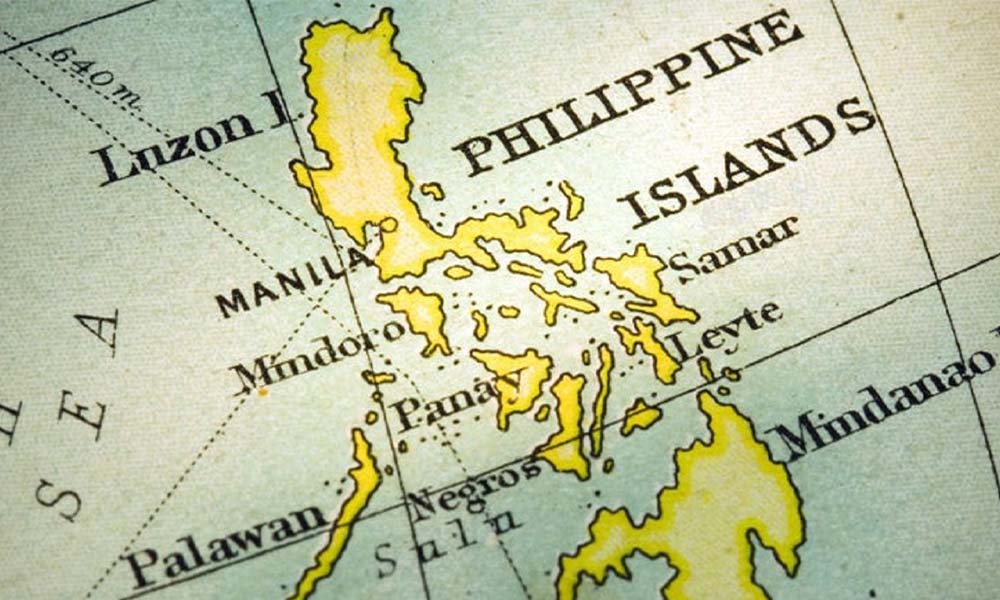
In the heart of Manila, where towering skyscrapers cast their shadows over vibrant markets buzzing with life, a quiet revolution is underway. The Philippines—long celebrated as a global BPO giant—is rewriting its narrative, setting its sights on an ambitious new goal: becoming a global tech powerhouse. Imagine this: a Filipino-engineered AI system revolutionizing healthcare in underserved communities, or a homegrown fintech app reshaping digital payments across Southeast Asia.
With a median age of 25, a digitally savvy population, and government-backed investments fueling innovation hubs like Clark and Cebu, the country is emerging as a serious contender for Asia’s next Silicon Valley. But with tech titans like India and China in the race, can the Philippines truly claim its place on the global stage? The answer lies in its untapped talent, relentless drive, and a vision to lead the future of technology.
Asia’s Tech Landscape in 2025: A Thriving Hub of Innovation
Asia is cementing its place as a global leader in technology, driven by unprecedented digital transformation. Southeast Asia’s digital economy is projected to hit $186 billion in GMV by 2025, a sharp rise from $139 billion in 2023. This growth is fueled by a young, digitally connected population, a booming e-commerce sector, and cutting-edge advancements in AI, fintech, and logistics. The region’s ability to attract record-breaking venture capital investment reflects its immense potential in shaping the global tech narrative.
Southeast Asia’s Rise: A New Frontier for Technology
Southeast Asia has become a magnet for tech investment, with countries like Singapore and Vietnam leading the charge. Singapore’s advanced regulatory environment and Vietnam’s rapid embrace of Industry 4.0 technologies are creating opportunities across AI, blockchain, and IoT. ASEAN’s collective focus on digital trade agreements and cross-border innovation underscores its ambition to be a powerhouse in the global tech industry.
The Philippines: Emerging as Asia’s Tech Powerhouse
Among Southeast Asia’s rising stars, the Philippines stands out as a promising tech hub. Its digital economy contributed $35.4 billion to GDP in 2024, a growth rate of 7.7% compared to the previous year. With projections indicating the Philippine IT services market will generate $2.5 billion in revenue by 2025, the country is capitalizing on its unique advantages: a skilled, English-speaking workforce, competitive costs, and government-backed initiatives like the Digital Cities 2025 program. These efforts are transforming cities like Cebu and Davao into innovation hotspots, signaling the Philippines’ readiness to compete on the global tech stage.
Factors Favoring the Philippines as a Tech Hub
A. Young and Tech-Savvy Population
One of the Philippines’ strongest assets is its youthful and highly adaptable population. With a median age of just 25.9 years, the country boasts one of the youngest workforces in Southeast Asia, perfectly positioned to drive innovation in the tech sector. English proficiency remains a standout strength, as the Philippines ranks among the top non-native English-speaking nations globally, making it an attractive destination for foreign companies seeking to establish operations or outsource services.
The country’s education system is increasingly aligning with the demands of the digital economy. Growing enrollment in STEM (Science, Technology, Engineering, and Mathematics) courses and rising interest in fields like artificial intelligence, data science, and cybersecurity are equipping the younger generation with the skills needed for tomorrow’s tech-driven industries.
In 2024, over 35% of Filipino college students pursued degrees in STEM-related disciplines—a significant increase from previous years. Nationwide initiatives like “Digital Rise” aim to enhance digital literacy among students, ensuring the workforce is prepared for the demands of the Fourth Industrial Revolution.
The combination of a young, educated, and tech-savvy population with widespread English fluency positions the Philippines as a prime contender for becoming a leading tech hub in Asia. These factors make the country not only a destination for outsourcing but also an emerging center for innovation and digital transformation.
B. Booming BPO Industry
The Philippines’ established Business Process Outsourcing (BPO) sector serves as a strong foundation for its transition into a leading tech hub. As one of the world’s largest BPO markets, the industry contributes significantly to the country’s economy, generating $32.5 billion in revenue in 2024, with projections to exceed $35 billion by 2025. This solid infrastructure and expertise in outsourcing have created a fertile ground for developing tech-related services.
The BPO industry has honed the workforce’s skills in customer service, IT support, software development, and back-office functions—critical competencies for a tech-driven economy. Over the years, BPO companies have increasingly adopted advanced technologies, such as AI, machine learning, and automation, to deliver more efficient services, further upskilling the local workforce.
Case Study:
Global tech giants like Accenture and IBM have long recognized the Philippines’ potential, establishing extensive operations in the country. These companies leverage the Filipino workforce’s expertise to deliver world-class IT services, including software development, cybersecurity, and data analytics. For example, Accenture’s delivery centers in Manila and Cebu play a key role in supporting its global innovation initiatives, showcasing the Philippines’ ability to meet high standards in tech services.
The success of these BPO leaders not only demonstrates the country’s capability but also paves the way for the growth of homegrown tech companies and startups, positioning the Philippines as a formidable player in the global tech ecosystem.
C. Government Support and Initiatives
The Philippine government has been actively pushing for digital transformation and innovation through targeted policies and programs. Central to these efforts is the “Digital Philippines” initiative, which aims to enhance internet connectivity, foster digital literacy, and build a robust tech infrastructure. The program includes investments in broadband networks, smart cities, and digital education, laying the groundwork for a thriving tech ecosystem.
In 2025, the government allocated ₱12 billion ($214 million) to bolster IT infrastructure, particularly in underserved areas, bridging the digital divide. Additionally, the Startup Venture Fund (SVF) supports emerging businesses, with ₱500 million ($9 million) earmarked to assist local tech startups.
These investments are complemented by tax incentives for IT-BPM companies and reforms to ease foreign ownership restrictions, encouraging more foreign investment in the tech sector. For instance, The rollout of the National Broadband Plan has already improved internet connectivity across major cities, while initiatives like “Free Wi-Fi for All” aim to bring connectivity to over 50,000 public areas by the end of 2025.
D. Growing Startup Ecosystem
The Philippines’ startup ecosystem is gaining momentum, with a growing number of incubators, accelerators, and venture capital firms fueling innovation. In 2025, the country is home to over 700 active startups, spanning sectors such as fintech, e-commerce, health tech, and edtech. This growth is driven by increasing investor confidence and the rise of tech-savvy entrepreneurs.
Venture capital funding in the Philippines reached $1.1 billion in 2024, a significant leap from previous years. Companies like GCash, the nation’s leading mobile wallet, and PayMongo, a fintech platform enabling seamless online payments, are prime examples of local startups achieving massive success. GCash surpassed 76 million users in 2025, while PayMongo attracted major global investors like Stripe. The success of these startups highlights the Philippines’ potential to incubate innovative solutions that address local and regional challenges, making it an attractive destination for investors.
E. Strategic Location and Connectivity
The Philippines’ geographic location offers a strategic advantage for tech companies looking to serve both East Asian and Southeast Asian markets. Positioned at the crossroads of key trade routes, the country acts as a natural gateway for businesses expanding across the region.
In recent years, improving internet infrastructure has further enhanced this advantage. The country’s average internet speed reached 86.5 Mbps for fixed broadband and 26.3 Mbps for mobile in 2025, a dramatic improvement from previous years. New submarine cable projects like Echo and Apricot, backed by Google and Meta, are expected to boost connectivity and data capacity even further.
The Philippines’ proximity to major markets like China, Japan, and Indonesia, coupled with improving digital infrastructure, makes it a prime hub for tech companies to scale operations and capture opportunities in Asia.
Challenges and Obstacles
A. Infrastructure Limitations
Despite recent advancements, the Philippines still faces infrastructure challenges that hinder its growth as a tech hub. While internet speed and accessibility have improved, they continue to lag behind other countries in the region. The country’s internet penetration rate stands at 72% as of 2025, leaving nearly a third of the population without reliable access. This digital divide is especially pronounced between urban centers like Manila and rural provinces, where connectivity remains limited.
The Philippines’ average internet speed of 86.5 Mbps for fixed broadband, while a significant improvement, still trails behind regional leaders like Singapore, which boasts speeds exceeding 200 Mbps. Addressing these gaps is crucial to fostering nationwide digital inclusivity and supporting tech-driven growth.
B. Skills Gap
While the Philippines benefits from a young and English-proficient workforce, there is a pressing need to address skills gaps in emerging technologies. Fields like software development, artificial intelligence, and data science require specialized expertise, which is currently limited. Additionally, the pace of technological change demands continuous learning and upskilling programs to keep the workforce competitive.
Although Filipino workers are known for their excellent communication skills, only 8% of university graduates specialize in STEM fields, highlighting the need for targeted education reforms and training programs to meet the demands of the global tech industry.
C. Regulatory and Bureaucratic Hurdles
Navigating the Philippines’ complex regulatory environment remains a challenge for tech companies. Issues such as lengthy business registration processes, inconsistent regulations, and high compliance costs can deter potential investors. In 2025, the Philippines ranked 95th out of 190 countries in the Ease of Doing Business Index, underscoring the need for streamlined policies.
Simplifying business registration and offering more incentives for foreign tech firms could significantly boost investments. The government’s recent efforts to digitize permit processes and reduce red tape are steps in the right direction, but more needs to be done to create a truly business-friendly environment.
D. Competition from Other Tech Hubs
The Philippines faces intense competition from established tech hubs like Singapore, Vietnam, and India, which have already built robust ecosystems for innovation. Singapore offers world-class infrastructure and ease of doing business, while Vietnam has rapidly scaled its tech industry through aggressive policy support and workforce development.
To stand out, the Philippines must leverage its unique strengths, such as its young workforce, BPO expertise, and strategic location. Highlighting these advantages and continuing to build a supportive ecosystem for startups and tech firms can help the country carve out its niche in the regional tech landscape.
The Future of Tech in the Philippines
A. Emerging Technologies and Trends
The future of tech in the Philippines is rich with potential, especially in emerging technologies like artificial intelligence (AI), fintech, and e-commerce. The rapid digitalization of businesses and everyday life is driving the country’s adoption of new technologies, positioning the Philippines as a key player in Southeast Asia’s tech landscape.
One of the most promising areas is fintech, with startups like GCash and PayMaya already revolutionizing how Filipinos handle payments. By 2025, 56% of Filipinos are expected to use mobile wallets, a shift that highlights the growing demand for digital financial services. In AI, the government’s investment in AI research and development is expected to foster homegrown solutions in areas like healthcare, education, and agriculture.
Moreover, the rise of e-commerce platforms is further accelerating the Philippines’ digital economy. As e-commerce sales in Southeast Asia are projected to exceed $200 billion by 2025, the Philippines, with its growing internet user base, stands poised to capture a significant share of this market.
In 2025, the Philippine government launched an AI Roadmap aimed at fostering AI innovation in industries such as healthcare and education, encouraging Filipino startups to create AI-driven solutions for local challenges.
B. Collaboration and Partnerships
Collaboration will be essential for the Philippines as it seeks to build a robust tech ecosystem. Partnerships between government, academia, and industry are critical to driving technological advancements and ensuring the country stays competitive. The private sector plays a crucial role, with industry leaders working alongside academic institutions to develop research initiatives and training programs that align with the needs of the tech sector.
One such initiative, the Philippine Software Industry Association (PSIA), fosters collaborative efforts across the tech community, bringing together startups, corporations, and academic institutions to promote growth and innovation in the software industry.
In 2024, PSIA launched a partnership with local universities to create industry-aligned curricula, equipping the next generation of Filipino tech professionals with the skills needed to excel in a rapidly changing landscape.
C. Investment and Growth Projections
The future of the tech industry in the Philippines is set for rapid expansion, with projections indicating substantial growth in both investment and the sector’s overall contribution to the national economy. By 2025, investments in the Philippine tech sector are expected to reach $1.3 billion, driven by growing interest from both local and foreign investors. Additionally, the sector is predicted to contribute over 10% to the country’s GDP by 2030, a significant increase from its current share.
The Philippine tech market is also benefiting from the country’s expanding middle class and increasing internet penetration, factors that will drive demand for tech products and services. The 5G rollout and the expansion of digital infrastructure will provide the foundation for continued growth in areas such as cloud computing, big data, and e-commerce.
In 2025, Invest in Philippines, a government-led investment initiative, launched a $500 million fund aimed at supporting local startups and attracting global tech giants, ensuring that the country’s tech ecosystem is ready to thrive in the next decade.
Conclusion: Can the Philippines Be the World’s Next Big Tech Hub?
The Philippines is at a pivotal moment in its journey to becoming a leading global tech hub. With a young, tech-savvy workforce, an established BPO industry, and significant government backing, the country is well-positioned to capitalize on the growing demand for digital services and emerging technologies in Southeast Asia. While challenges like infrastructure limitations and a skills gap remain, the Philippines’ strategic location, booming startup ecosystem, and increasing foreign investments set a promising stage for the future.
As industries around the world continue to embrace digital transformation, the Philippines has a unique opportunity to not only catch up but to leap ahead in areas like fintech, artificial intelligence, and e-commerce. However, realizing this potential will require a concerted effort from the government, academia, and the private sector to address its infrastructure shortcomings, nurture homegrown talent, and streamline business processes.
In conclusion, while the Philippines faces stiff competition from established tech hubs like Singapore and India, its blend of youthful innovation, digital drive, and strategic positioning could very well make it Asia’s next big tech powerhouse. The path is clear, but only time will tell if the Philippines can fully embrace its potential and rise to the challenge.