US Plans More Missile Deployments in the Philippines to Deter China
The United States is moving toward a stronger military presence in the Philippines as competition with China continues to reshape the security environment across the Indo-Pacific. Washington and Manila are working to expand their defense cooperation, with particular attention to advanced missile systems, unmanned military platforms, surveillance capabilities and regional security. The Philippines is becoming an increasingly important part of American military planning because of its strategic location near the South China Sea, Taiwan and the wider Western Pacific.The central issue is whether the Philippines is gradually becoming a permanent part of a wider American missile and surveillance network designed to strengthen deterrence against China. Understanding this development requires examining the weapons involved, the strategic geography of the Philippines and the potential consequences for regional security.
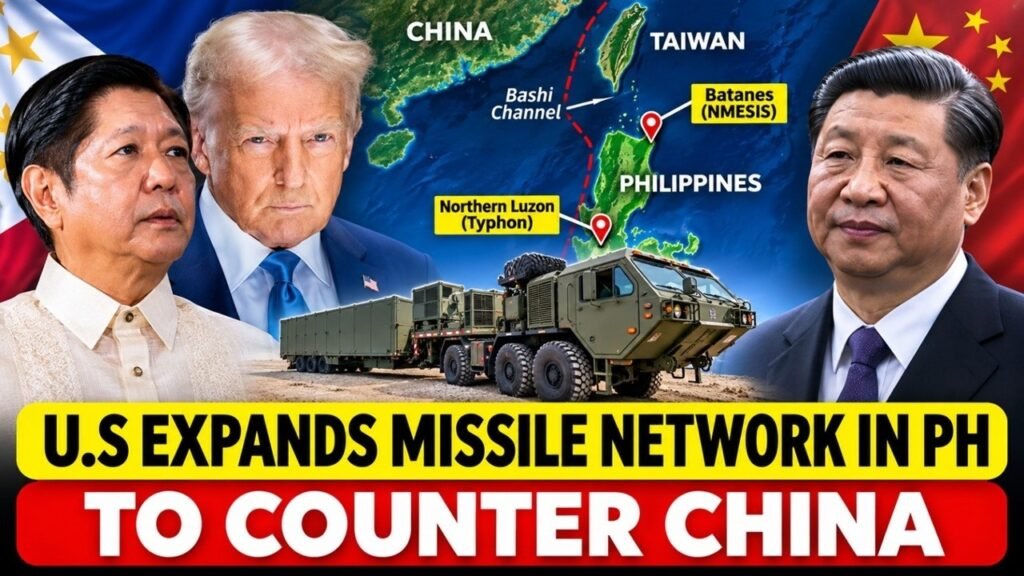
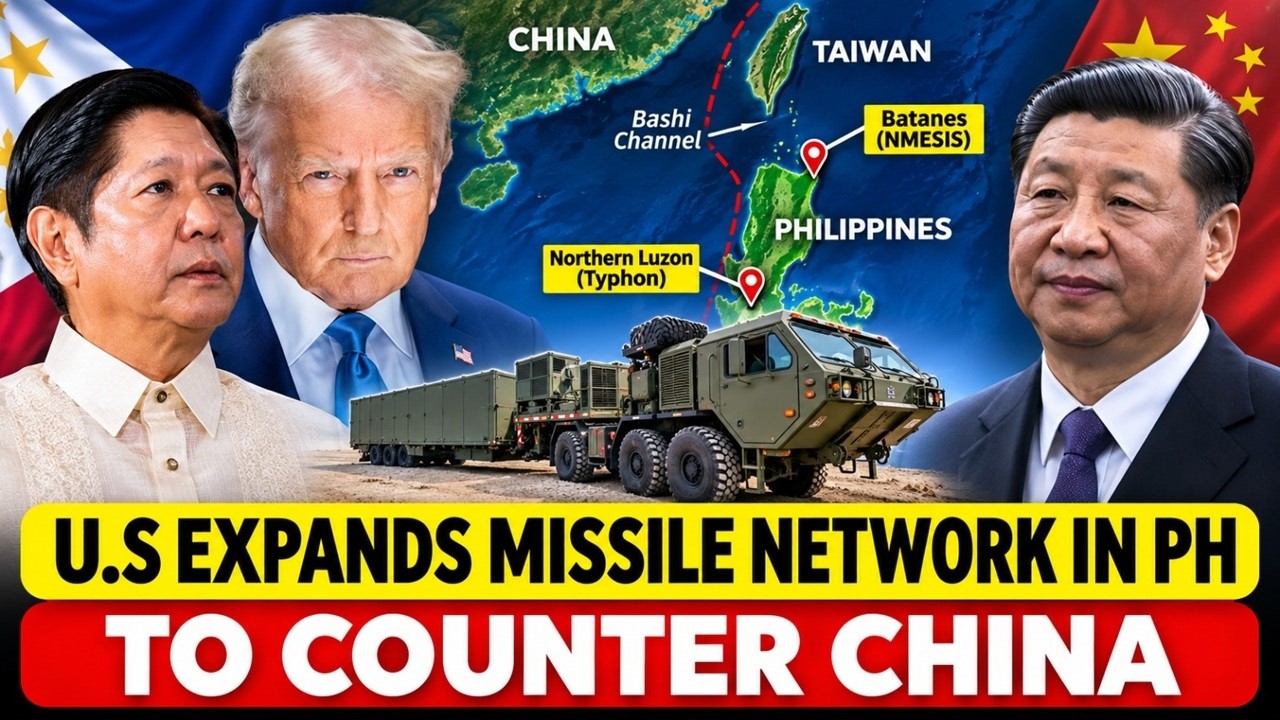
On February 16, 2026, the United States and the Philippines made a significant commitment during their bilateral strategic dialogue, agreeing to continue working toward increased deployments of advanced American missile and unmanned systems in the country. The announcement followed the arrival of the US Army’s Typhon missile system in northern Luzon and the deployment of the Marine Corps’ NMESIS anti-ship missile system to Batanes. These developments indicate that the American military partnership with Manila is becoming more focused on long-term operational capabilities rather than occasional military exercises. The growing presence of American weapons systems has also attracted strong attention from Beijing. China views the deployment of advanced missile capabilities close to its strategic approaches as a potential threat to its security and military freedom of action. Washington and Manila, however, argue that stronger defense cooperation is necessary to protect regional stability and discourage military aggression.
Why the Philippines Is So Important to US Military Strategy
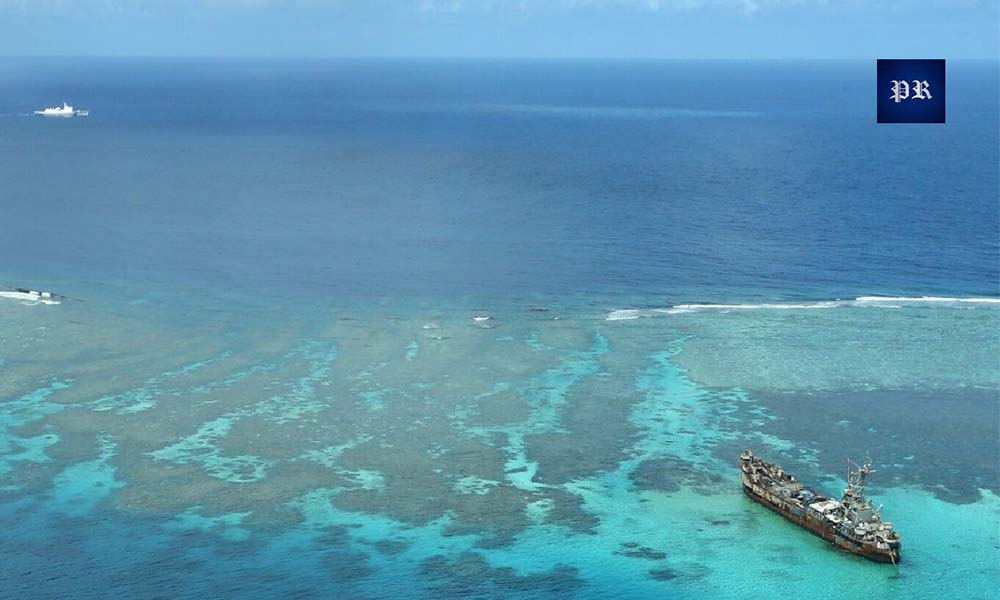
The Philippines occupies one of the most strategically important geographical positions in the Indo-Pacific. Its location places it between the South China Sea and the wider Pacific Ocean, giving American forces access to important maritime routes and military approaches. For Washington, the country provides an important position along the First Island Chain, a geographical line extending from Japan through Taiwan and the Philippines toward Southeast Asia. The First Island Chain plays a significant role in the military calculations of both the United States and China. American planners consider access to this region essential for maintaining their ability to operate across the Western Pacific. China, meanwhile, views the surrounding islands and maritime passages as potential obstacles to the movement of its naval and air forces beyond its nearby waters. The Philippines is particularly important because its geographical position connects two major security areas: the South China Sea and the Taiwan Strait. Its western coastline faces the South China Sea, where Manila and Beijing have competing maritime claims. Its northern islands are located close to Taiwan and important maritime passages connecting the South China Sea with the Philippine Sea.
One of these passages is the Bashi Channel, which lies between Taiwan and the northern Philippines. It is an important maritime route for naval and commercial movement between surrounding waters. Its geographical importance means that military developments in northern Philippines could have consequences extending well beyond the country’s immediate territorial concerns. This is one reason Washington is interested in strengthening its military presence across the Philippine archipelago. Land-based missile systems positioned in strategically important locations could provide additional military options and make it more difficult for an opposing force to operate freely. Instead of relying entirely on aircraft carriers, warships and military aircraft, the United States can use mobile land-based systems to strengthen its regional defense posture. This approach is closely connected to deterrence by denial. The idea is to make military aggression more difficult and costly by creating additional obstacles for an opposing force. If Chinese military planners must consider the possibility of facing mobile missile systems across important maritime approaches, their operational calculations become more complicated.
Typhon Missile System: America’s Long-Range Military Capability
One of the most important developments in US-Philippines defense cooperation was the arrival of the American Army’s Typhon Mid-Range Capability system in northern Luzon in April 2024. Its deployment attracted international attention because it introduced an advanced American ground-based missile capability into a strategically sensitive part of the Indo-Pacific. Typhon is designed to launch two important American missile systems: the Tomahawk Land Attack Missile and the Standard Missile-6, commonly known as SM-6. These weapons provide different capabilities, making Typhon a flexible platform for several military missions. The Tomahawk is a long-range cruise missile primarily designed to strike land-based targets. Depending on the variant, it can travel more than 1,000 miles, allowing American forces to threaten targets located far beyond the immediate deployment area. The SM-6 has a different role and is designed for multiple missions, including air and maritime engagements. The significance of Typhon is that it allows the United States to deploy long-range missile capabilities on land rather than depending entirely on naval platforms or aircraft. This gives American military planners additional flexibility when operating across the Western Pacific.
Northern Luzon is particularly relevant because of its position near important maritime approaches. From a strategic perspective, the presence of Typhon in the Philippines provides another option for American forces seeking to strengthen their military posture along the First Island Chain.
China has strongly opposed the deployment, arguing that American intermediate-range missile capabilities in the region could undermine stability and increase the possibility of confrontation. Washington and Manila, on the other hand, have defended their cooperation as a necessary step toward strengthening regional deterrence. The system received further attention during the Balikatan military exercises in May 2026. American forces launched a Tomahawk cruise missile from the Typhon system at Tacloban Airport in Leyte. The missile reportedly travelled approximately 630 kilometres before striking its designated target in Nueva Ecija.
This demonstration was important because it showed that American personnel could transport, operate and employ the system during a joint military exercise in the Philippines. Moving a missile launcher between locations demonstrates logistical capability, while conducting a live-fire mission provides a more practical test of its operational procedures. In October 2026, American Army officials described the Typhon deployment as more than 30 months of forward presence in the Philippines. This experience is significant because operating an advanced missile system in another country requires much more than bringing military equipment to a new location. It involves trained personnel, maintenance, transportation, communications and logistical support. However, the presence of Typhon does not mean that the Philippines owns the system or automatically controls its use. It remains an American military capability, and its deployment during exercises should not be confused with the transfer of operational authority to Manila.
Why America Is Strengthening Its Anti-Ship Capabilities Near Taiwan
Alongside Typhon, the United States has introduced another important weapon system into its military cooperation with the Philippines. The Navy-Marine Expeditionary Ship Interdiction System, known as NMESIS, is a mobile anti-ship missile platform operated by the US Marine Corps.
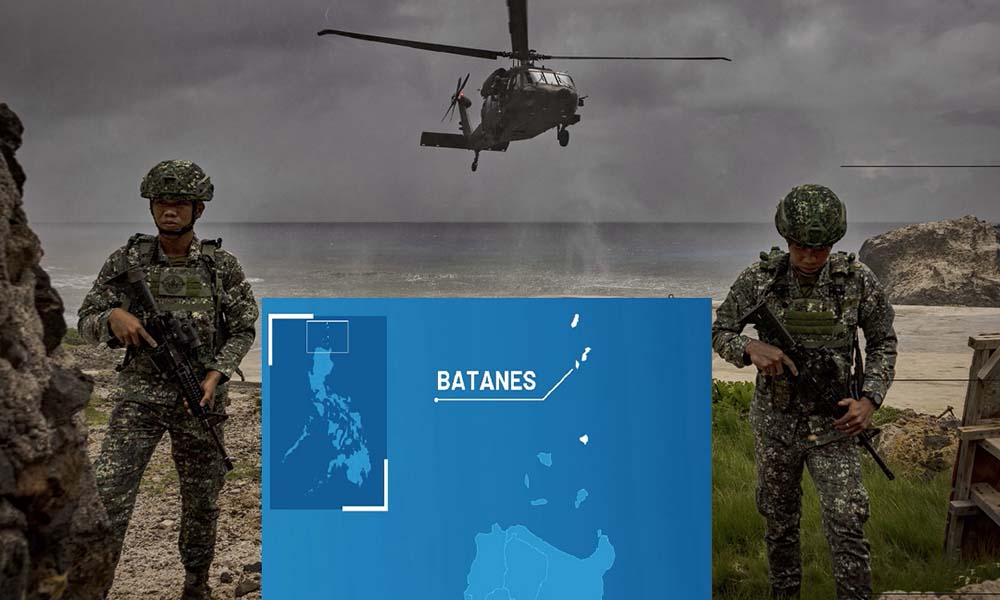
Unlike Typhon, which can launch different types of missiles, NMESIS is specifically designed around an anti-ship mission. It uses the Naval Strike Missile, a weapon developed to engage surface vessels. Its mobile configuration allows Marines to transport and position the system in different locations, making it suitable for operations across island environments. In April 2025, American Marines deployed NMESIS to Batan Island in Batanes during the Balikatan military exercises. This location is particularly important because Batanes lies close to Taiwan and overlooks the Bashi Channel.
The military concept behind NMESIS is known as sea denial. Sea denial does not necessarily require a country to control an entire maritime area. Instead, it involves creating enough military risk to make it difficult for an opposing naval force to operate freely in particular waters. Mobile coastal missile systems can contribute to this strategy by threatening naval vessels moving through important maritime routes. Because the launchers can be repositioned, an opposing military may find it more difficult to identify their exact locations and plan around them. For the United States, the deployment of NMESIS in northern Philippines demonstrates the value of the country’s geographical position. The islands near Taiwan and the Bashi Channel provide a potentially important location for strengthening maritime defense capabilities. Typhon and NMESIS therefore serve different but complementary purposes. Typhon provides long-range land-attack and other missile engagement options, while NMESIS focuses specifically on threatening surface vessels. Together, they demonstrate how Washington is exploring a more distributed military posture across the Indo-Pacific. These deployments also explain why the Philippines has become increasingly important in American planning. Its islands provide geographical access to maritime approaches that are strategically significant in both a South China Sea crisis and a possible Taiwan Strait conflict.
What Additional US Missile Systems Could Be Deployed
The February 2026 bilateral strategic dialogue is particularly significant because it established a commitment to continue working toward increased American missile and unmanned-system deployments in the Philippines. This suggests that the existing Typhon and NMESIS deployments may represent only part of a wider defense cooperation strategy. Philippine Ambassador to the United States Jose Manuel Romualdez subsequently indicated that officials had discussed the possibility of deploying upgraded American missile launchers during 2026. He also suggested that the Philippines could eventually acquire some of these advanced systems. Such developments could represent a deeper military relationship between the two countries. Instead of simply hosting American-operated equipment, Manila may gradually seek to develop its own advanced missile capabilities and strengthen its ability to defend national territory. However, it is important to distinguish between a political commitment, a reported discussion and a confirmed military deployment. The February agreement indicates the direction of cooperation, but the precise number of additional launchers, their models, deployment locations and operational timelines have not been publicly established.
A wider American missile network could potentially combine long-range land-attack weapons, mobile anti-ship systems and smaller precision-fire platforms. Each capability would serve a different military purpose, but their combined presence could make it more difficult for an opposing force to operate without facing additional risks. The Philippines also presents logistical challenges for such a strategy. Its territory consists of thousands of islands, meaning that transporting heavy military equipment, maintaining supplies and supporting personnel across different locations can be complicated. Any expansion would require reliable infrastructure, trained military personnel and effective coordination between American and Philippine forces. The wider objective is not necessarily to place every missile system in one location. Instead, the United States appears interested in developing a more distributed defense posture in which different capabilities can operate from different locations. This approach could make military planning more complicated for China, although it would also create additional requirements for surveillance, communications and logistical support.
America’s Drone and Surveillance Network: The Technology Behind Its Missile Strategy
Missile systems are only one part of modern military operations. Advanced weapons require accurate information about potential targets, maritime movements and changing security conditions. Without reliable intelligence and surveillance, even sophisticated missile platforms may have limited operational effectiveness. This is why unmanned systems have become an increasingly important part of US-Philippines defense cooperation. The February 2026 announcement connected the expansion of missile deployments with additional unmanned military capabilities, highlighting the growing importance of surveillance and intelligence in the American regional strategy. One example is the MQ-9A Reaper, an American unmanned aircraft capable of conducting aerial surveillance and intelligence missions. Platforms of this kind can monitor large geographical areas and provide information that supports military planning and situational awareness. The Philippines has also received autonomous maritime platforms. In June 2026, the United States transferred four Ocean Aero Triton autonomous underwater and surface vehicles to the Philippine Navy. These platforms are designed to operate both above and below the ocean’s surface, allowing them to contribute to maritime monitoring and information gathering.
The importance of these systems extends beyond simply observing commercial or military vessels. Maritime security also requires a better understanding of activity beneath the ocean’s surface and the ability to identify unusual movements across large areas. Autonomous platforms can help improve the information available to naval forces. USNI News has also reported plans to provide additional unmanned capabilities, including attack drones by 2027. This should be understood as a reported future plan rather than a completed transfer. The relationship between drones and missile systems is straightforward. Surveillance platforms help military forces understand what is happening in their surrounding environment, while missile systems provide additional military options. Communications networks connect information with command decisions.
How the Philippines Could Benefit From US Missile Deployments
The expanding American military presence offers several potential benefits for the Philippines, particularly as Manila seeks to modernize its armed forces and improve its ability to protect national territory and maritime interests. For many years, the Philippines has faced challenges in developing the military capabilities required to defend a large archipelago. Its geographical position creates significant maritime security responsibilities, while its military modernization efforts require investment in equipment, personnel, infrastructure and technology. American defense cooperation could help Philippine forces gain experience operating alongside advanced military systems. Joint exercises can improve communication, coordination and interoperability, allowing personnel from both countries to work more effectively together. The February 2026 strategic dialogue also included a commitment to prioritize available Foreign Military Financing for mutually determined Philippine defense requirements. Such support could provide another opportunity to strengthen the country’s military modernization program. However, there is an important difference between hosting an American missile system and owning one. An American-operated launcher remains under American military control. Its presence in the Philippines does not automatically give the Philippine military the authority to operate or independently use it.
If Manila eventually acquires similar systems, it will need trained personnel, maintenance facilities, technical support, ammunition supplies and effective command structures. Purchasing advanced military equipment is only the beginning of building an independent defense capability.
This is particularly important for the Philippines’ Comprehensive Archipelagic Defense Concept, which recognizes the need to protect the country’s territory, maritime approaches and surrounding waters across a geographically dispersed archipelago. American assistance could accelerate this modernization process, but the long-term objective should be to strengthen Philippine national defense rather than create permanent dependence on foreign military capabilities. The Philippines must therefore balance the immediate advantages of American military cooperation with its broader responsibility to develop an effective and sustainable national defense system.
Why China Opposes American Missile Deployments in the Philippines
China has repeatedly expressed concern over the growing American military presence in the Philippines, particularly the deployment of the Typhon missile system. Beijing argues that bringing intermediate-range missile capabilities closer to Chinese territory could undermine regional security and increase the risk of military confrontation. From China’s perspective, the geographical position of these systems is extremely important. A long-range missile launcher positioned in northern Luzon has a different strategic significance from the same system deployed thousands of kilometres away. Its location affects military calculations across the Western Pacific, including the South China Sea and areas surrounding Taiwan.
The presence of NMESIS in Batanes creates another concern for Beijing. Because the islands are located near Taiwan and the Bashi Channel, mobile anti-ship missile systems could influence the calculations of naval forces operating through important maritime routes. China sees these deployments as part of a wider American effort to strengthen the First Island Chain and maintain a military advantage in the region. From Beijing’s perspective, the growing network of American defense partnerships could limit China’s ability to operate freely across the Western Pacific.
Washington and Manila offer a different explanation.
Both governments argue that their military cooperation is intended to strengthen deterrence and respond to growing regional security challenges. The Philippines, in particular, has its own maritime and territorial concerns in the South China Sea. The strategic interests of all three countries are therefore different. The United States wants to maintain its ability to operate across the Indo-Pacific. The Philippines wants stronger protection for its sovereignty and maritime interests. China wants to prevent an expansion of American military capabilities near its strategic approaches. These competing interests create the possibility of a security dilemma. Actions that one government considers defensive may be interpreted by another as preparation for offensive operations. If China responds through increased military exercises, naval patrols or additional defense capabilities, Washington and Manila may feel greater pressure to strengthen their own deployments. This could create a cycle of military competition in which each side argues that its actions are necessary for national security.
Could the Philippines Become Part of a Future Conflict?
The Philippines’ geographical position makes it important not only to the South China Sea but also to the security of Taiwan. Batanes lies close to Taiwan, while the Bashi Channel connects the South China Sea with the Philippine Sea. These geographical features make northern Philippines strategically relevant to military planning across the wider Western Pacific. A serious conflict around Taiwan would have consequences extending far beyond the island itself. Naval operations, military aircraft movements, commercial shipping and regional supply chains could all be affected. Countries located near the Taiwan Strait would face significant economic and security challenges. The Philippines would be particularly exposed because of its proximity to Taiwan. Military operations in nearby waters could create risks for Philippine territory and citizens. Disruptions to shipping routes could also affect trade, energy supplies and economic activity.
American missile systems could contribute to a military strategy intended to complicate Chinese operations around Taiwan. Typhon provides long-range missile capabilities, NMESIS offers an anti-ship option, and unmanned platforms can support maritime surveillance. However, the presence of American weapons in the Philippines does not automatically mean that Manila has agreed to participate in a future Taiwan conflict. Hosting military equipment, conducting joint exercises and making decisions during an actual war are separate matters. The Philippine government would have to consider its own national interests, legal responsibilities and security priorities. Any conflict near Taiwan could place enormous pressure on Manila, especially if Philippine territory, citizens or military facilities were directly threatened. This creates a difficult strategic dilemma. The same geographical position that makes the Philippines valuable to American defense planning also places it close to one of the most sensitive potential military flashpoints in the world. For Manila, the challenge will be to strengthen national defense while avoiding unnecessary involvement in a conflict that could have devastating consequences for the country.
The Limitations of America’s Expanding Missile Strategy
Although additional missile systems could strengthen American deterrence in the Indo-Pacific, they cannot guarantee military success or prevent every possible conflict. Advanced weapons are only effective when supported by reliable intelligence, trained personnel, communications, logistics and maintenance. A mobile missile launcher may be more difficult to locate than a permanent military installation, but it is not invulnerable. Its movements can be monitored, its communications disrupted and its supporting infrastructure placed under pressure. A distributed missile network also requires reliable transportation systems, ports, airfields, fuel supplies and ammunition storage. If these supporting facilities are damaged or unavailable, even advanced weapons may become difficult to operate effectively. The Philippines faces additional geographical challenges because of its island structure. Moving military equipment between islands requires transportation resources and careful planning. Remote locations can also create difficulties for maintenance and the delivery of supplies.
There is another important limitation: political support. The presence of foreign military equipment remains a sensitive issue in Philippine domestic politics. Manila must ensure that its defense cooperation with Washington reflects national interests and maintains public and political support. The government must also consider the difference between American military priorities and Philippine security requirements. Washington may view the country as an important part of its regional strategy, but Manila must prioritize the protection of its own territory, citizens and economic interests. Ultimately, the effectiveness of America’s missile strategy will depend on much more than the number of weapons deployed. It will depend on whether the supporting military, political and logistical systems can function reliably during a serious regional crisis.
Deterrence or Escalation? The Strategic Challenge Facing Manila
The Philippines now faces an increasingly complicated security environment. Stronger missile and surveillance capabilities could make military aggression against its interests more difficult and costly. A stronger defensive position may discourage coercion and reduce the possibility that another country will attempt to use military force. However, expanding American military capabilities could also increase China’s concerns about its strategic environment. Beijing may interpret the growing presence of missile launchers and surveillance systems as part of a wider effort to restrict its military operations. This is the central challenge of deterrence. A government may describe its military actions as defensive, but other countries judge those actions according to their own security interests and threat perceptions. The United States wants to strengthen its position across the Western Pacific. China wants to preserve its military freedom of action and prevent further American expansion near its territory. The Philippines wants stronger national defense without becoming the centre of a wider confrontation. These interests do not always align. Manila may welcome American assistance while remaining concerned about the possibility that its territory could become a strategic target during a US-China conflict. For this reason, military modernization must be accompanied by diplomacy and crisis-management mechanisms. Transparent communication, regional dialogue and reliable diplomatic channels can help reduce misunderstandings and prevent military incidents from escalating. The success of the American-Philippine partnership should not be measured only by the number of missiles or military platforms deployed. Its real value should be judged by whether it strengthens Philippine security while reducing the likelihood of a wider regional war.
What Comes Next for US Military Presence in the Philippines?
The February 2026 bilateral agreement provides a clear indication that Washington and Manila intend to continue expanding their defense cooperation. The existing Typhon and NMESIS deployments, combined with the transfer of autonomous maritime platforms, demonstrate that the relationship is becoming increasingly focused on advanced military capabilities. Future developments could involve additional missile launchers, improved surveillance systems, stronger communications networks and more extensive military exercises. Cooperation with regional partners, including Japan and Australia, could also strengthen intelligence sharing and maritime security across the Indo-Pacific. However, the exact scale and timeline of future deployments remain important questions. The February agreement does not establish a publicly confirmed number of additional missile systems or provide a complete list of future deployment locations. For the Philippines, the next challenge will be turning defense cooperation into sustainable national capabilities. This will require investment in military training, infrastructure, maintenance, surveillance and independent defense planning. For China, the challenge will be adapting to an Indo-Pacific environment in which American military capabilities are becoming more geographically distributed. For Washington, the test will be whether its expanding network can strengthen deterrence without encouraging a dangerous military escalation. The coming years will therefore be important for determining how the Philippines manages its relationship with the United States while maintaining its own strategic independence.
Conclusion
The expanding American military presence in the Philippines reflects a significant change in the regional security environment. The Typhon missile system, NMESIS anti-ship capabilities and growing cooperation in unmanned surveillance technologies demonstrate that Washington increasingly views the Philippines as an important part of its Indo-Pacific defense strategy. For the United States, the country’s geographical position provides valuable access along the First Island Chain and near important maritime approaches surrounding Taiwan and the South China Sea. For the Philippines, closer defense cooperation offers an opportunity to strengthen national security and modernize its armed forces. For China, however, these deployments represent a growing American military presence near its strategic approaches.
The consequences will depend on how all three countries manage their competing interests. Additional missile systems could strengthen deterrence and discourage military aggression, but they could also intensify strategic competition if Beijing responds with additional military deployments and countermeasures.The Philippines must therefore pursue a careful balance. It needs stronger defense capabilities, but it must also protect its national decision-making authority and avoid becoming a frontline battlefield in a wider confrontation between Washington and Beijing. Ultimately, the most important question is not how many American missiles will arrive in the Philippines next. It is whether the expanding military partnership will make the Indo-Pacific safer, protect Philippine sovereignty and prevent a conflict that could affect the entire region.
About Indo-Pacific Report
For more geopolitical analysis, strategy coverage, and Indo-Pacific security reporting, visit Indo-Pacific Report:
Website
Facebook
YouTube
US Plans More Missile Deployments in the Philippines to Deter China