US and Philippines to Strengthen Coastal Defence Capabilities in Palawan to Deter China!
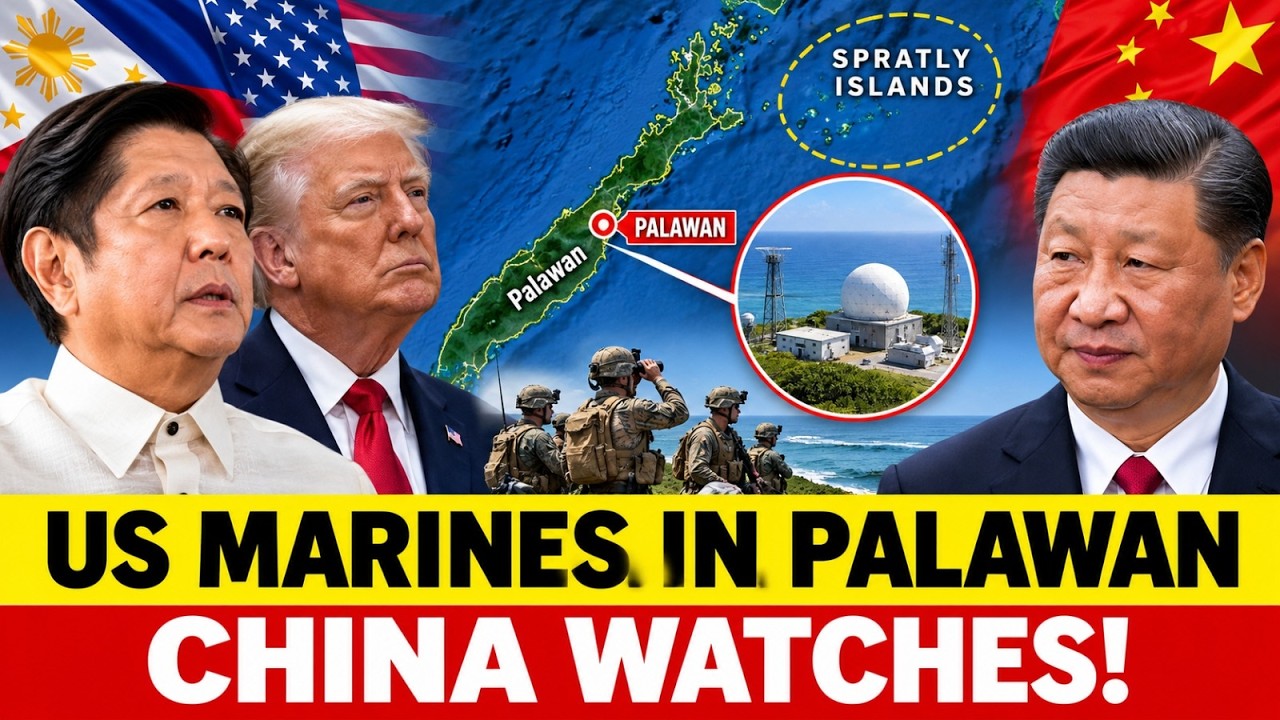
The Philippines is taking another important step towards strengthening its coastal defence capabilities as American and Filipino Marines work together in Palawan, one of the country’s most strategically important locations along the West Philippine Sea. The latest military cooperation reflects Manila’s growing focus on maritime security, coastal surveillance and the protection of its territorial interests at a time when tensions between the Philippines and China continue to shape the regional security environment. The joint activities are part of Archipelagic Coastal Defense Continuum 26.5, commonly known as ACDC 26.5, a bilateral training initiative designed to improve military coordination and strengthen the Philippine Marine Corps’ ability to defend the country’s maritime approaches. During the exercise, American and Philippine Marines conducted fire-support rehearsals and worked on setting up a Ground Based Maritime Systems-Light (GBMS-L) radar system at Aporawan in Palawan.
Its proximity to the disputed Spratly Islands makes the province an important location for monitoring maritime activity and supporting the country’s wider defence arrangements. However, the significance of ACDC 26.5 should be understood realistically. The exercise does not mean that the Philippines has suddenly gained military superiority over China or established complete control over surrounding waters. Rather, it demonstrates how Manila and Washington are working to improve the surveillance, communication and operational coordination needed to make Philippine coastal defence more effective. The central question is whether this growing cooperation can help the Philippines protect its maritime interests and strengthen deterrence against increasing Chinese maritime pressure. The answer depends not only on the equipment being introduced but also on how effectively Philippine forces can operate, maintain and integrate these capabilities into a wider national defence network.
Why Palawan Is So Important for Philippine Coastal Defence
Palawan occupies a significant position in the Philippines’ maritime geography because its western coastline faces the South China Sea and lies relatively close to the disputed Spratly Islands. These waters have remained a major source of regional tension because of overlapping territorial claims, fishing activities, potential energy resources and their importance to international shipping. For the Philippines, maintaining awareness of developments around this area is an important part of protecting national interests and supporting the security of its western maritime approaches. The country’s geographical structure creates a difficult defence challenge. The Philippines consists of thousands of islands spread across a large maritime area, making it difficult to monitor every coastline and surrounding sea using a limited number of ships, aircraft and military installations. Unlike countries that can concentrate their defence systems along a relatively straightforward land border, the Philippines must maintain awareness across extensive coastal areas, island passages and important maritime routes. Palawan can contribute to this responsibility because of its location along the country’s western side.
Coastal surveillance facilities, military personnel and supporting infrastructure in the province can help improve awareness of activity in nearby waters and support operations connected to the wider West Philippine Sea. Its strategic importance also comes from its potential role within a broader network of coastal positions, naval patrols, aircraft and communications systems. However, geographical location alone does not provide military control. A military facility in Palawan cannot independently control the South China Sea, prevent every foreign vessel from entering disputed waters or replace the operational capabilities of the Philippine Navy and Air Force. Its real value depends on how effectively information collected along the coastline can be shared with other military units and translated into an appropriate response. This is precisely why the latest US-Philippine military cooperation deserves attention. The activities in Palawan connect the province’s strategic geography with practical defence requirements, including surveillance, communication and coordination between different military forces.
What Happened During the US-Philippine Military Exercise?
Archipelagic Coastal Defense Continuum 26.5 brought together US Marines assigned to Marine Rotational Force–Southeast Asia and Philippine Marines from the 3rd Marine Brigade. The training was designed to support the Philippine Marine Corps’ Archipelagic Coastal Defense Concept while improving interoperability and combined readiness between the two countries’ military personnel. According to the US military’s published documentation, one of the activities took place at Camp Rodolfo on November 3, 2026, where American and Philippine Marines participated in a fire-support rehearsal class. Further activities took place at Aporawan on November 5, including additional fire-support rehearsals and the setup of a Ground Based Maritime Systems-Light radar system. The participation of both forces is important because military cooperation requires much more than conducting exercises at the same location. Personnel must understand one another’s procedures, communicate information accurately and coordinate their responsibilities during complex operations. Fire-support rehearsals help military personnel practise these procedures and improve their ability to coordinate supporting capabilities when required. The radar setup added a maritime surveillance element to the training, connecting the exercise with the Philippines’ broader effort to improve awareness of activity around its coastline.
U.S Moved Military Aircraft to the Philippines Ahead of Trump’s Visit
The US Marines participating in the exercise were assigned to Marine Rotational Force–Southeast Asia, which operates under I Marine Expeditionary Force. Their involvement reflects the continuing military relationship between Washington and Manila, particularly in areas connected to maritime security and territorial defence. It is important, however, to distinguish between training activities and actual combat operations. The publicly available information about ACDC 26.5 confirms fire-support rehearsals and radar setup, but it does not establish that the exercise involved a live missile launch, an actual engagement against a Chinese vessel or a fully integrated operational targeting network. The importance of the activity lies in the procedures and capabilities that the two countries are practising rather than any claim that a major military confrontation has taken place. For the Philippines, these exercises provide an opportunity to improve the practical skills required to defend an archipelagic country. For the United States, they strengthen coordination with an important treaty ally in a strategically sensitive part of the Indo-Pacific.
Why the Ground Based Maritime Systems-Light Radar Matters
One of the most important elements of ACDC 26.5 was the setup of the Ground Based Maritime Systems-Light radar at Aporawan in Palawan. The system is relevant because maritime surveillance is becoming an increasingly important part of modern coastal defence, particularly for countries that must monitor large areas of ocean with limited military resources. For the Philippines, understanding what is happening in surrounding waters is essential to protecting its maritime interests and responding to developments in the West Philippine Sea. A ground-based maritime radar can help coastal personnel detect and monitor maritime activity within its operational range and technical capabilities. It provides information that may help military personnel develop a clearer picture of nearby maritime movements. However, detecting a vessel is only the beginning of the surveillance process. Radar information does not automatically establish the identity, intentions or activities of every detected vessel. Personnel may need additional information, intelligence assessments and communication with other military units before they can determine what a particular contact represents. This distinction is particularly important in the South China Sea, where commercial vessels, fishing boats, coast guard ships and naval vessels may operate in the same general maritime environment.
A surveillance system can help identify activity, but trained personnel must assess the information before any decision is made. The effectiveness of radar also depends on its connection with other defence capabilities. If information cannot be transmitted reliably to command centres or relevant military units, its operational value becomes limited. Similarly, radar equipment requires trained operators, technical maintenance, reliable power supplies and appropriate communications infrastructure to remain effective. This means that the real significance of the GBMS-L setup is not simply the introduction of another piece of military equipment. It is the opportunity to improve the information available to coastal forces and strengthen the relationship between surveillance, communication and operational coordination. For the Philippines, better maritime awareness could support the protection of important coastal areas and improve its ability to understand developments around strategically sensitive waters. Nevertheless, the available information does not establish the radar’s exact coverage, detection range or level of integration with other Philippine military systems. Its contribution should therefore be assessed as part of a developing coastal-defence effort rather than evidence that the country has already established complete maritime surveillance coverage.
The Philippines Is Building a Wider Archipelagic Coastal Defence System
The importance of the Palawan exercise becomes clearer when viewed alongside the Philippine Marine Corps’ wider Archipelagic Coastal Defense Concept. Introduced in 2021, the concept reflects the country’s need to develop military capabilities suited to its geographical position as an island nation. Traditional military structures focused mainly on land-based operations cannot fully address the challenges facing a country whose territory includes thousands of islands, extensive coastlines and important maritime approaches. The Philippines therefore needs a defence system that connects coastal surveillance, naval capabilities, air support, communications and shore-based military assets. The Philippine Marine Corps has been developing capabilities intended to strengthen this approach, including the role of its Coastal Defense Regiment and shore-based anti-ship and air-defence systems. These capabilities are intended to contribute to the protection of important coastal locations and maritime approaches, particularly in areas where the country’s territorial interests may face pressure. However, a modern coastal-defence system cannot depend on weapons alone. Anti-ship missiles may provide a defensive capability, but military personnel still need reliable information about maritime activity, effective communications and the ability to coordinate with other services. Without these supporting arrangements, even advanced military equipment can become less effective.
This is why exercises involving surveillance systems and fire-support coordination have wider importance. They help develop the procedures required to connect different military capabilities into a functioning defence structure. Consider the situation in which a Philippine coastal unit detects a vessel operating near an important maritime area. The information may need to be shared with a command centre, assessed by intelligence personnel and communicated to naval or air units responsible for monitoring the situation. Each stage requires coordination and dependable information exchange. The broader purpose of an archipelagic defence system is to reduce the gaps between these different responsibilities and ensure that military units can work together more effectively. ACDC 26.5 supports this objective through practical training, although it does not mean that the entire defence network has already been completed. The long-term challenge for Manila will be to connect individual training activities, surveillance installations and military capabilities into a sustainable system that can operate across the country’s extensive maritime territory.
Why the United States Is Helping the Philippines Strengthen
American participation in ACDC 26.5 is an important part of the wider security relationship between the United States and the Philippines. Washington and Manila have maintained a longstanding defence partnership, and their military cooperation has become increasingly relevant as both countries pay greater attention to maritime security in the Indo-Pacific. The participation of US Marines from Marine Rotational Force–Southeast Asia reflects the practical side of this relationship. Rather than focusing only on diplomatic statements or defence agreements, the two countries are conducting activities designed to improve how their military personnel communicate and coordinate during demanding situations. This type of cooperation is particularly important because modern military operations often involve several services and different categories of equipment. A coastal-defence operation may require surveillance personnel, ground forces, naval units, aircraft and command centres to exchange information and coordinate their responsibilities. When personnel from two different countries are involved, differences in procedures, communication systems and operational practices can create additional challenges. Joint training provides an opportunity to identify these difficulties before a real security crisis develops. American Marines can share operational experience and practise coordination procedures alongside Philippine personnel, while Filipino Marines gain opportunities to improve their understanding of combined operations.
However, the long-term value of this cooperation depends on the ability of Philippine forces to maintain their own expertise and operate their capabilities independently when required. The United States can provide training and support, but it cannot replace the Philippines’ responsibility to defend its own territory and maritime interests. Repeated exercises are therefore more valuable than isolated training events. They help develop institutional knowledge, strengthen professional relationships and improve familiarity between military units over time. The wider objective is to create a Philippine military that can operate more effectively within its own defence structure while maintaining the ability to coordinate with its American partner when necessary. For Washington, a more capable Philippine military also strengthens the defence partnership in a strategically important part of the Indo-Pacific. For Manila, the cooperation provides access to experience and training that may support its long-term military modernization programme.
From ACDC 26.4 to ACDC 26.5: A Growing Pattern of Military Cooperation
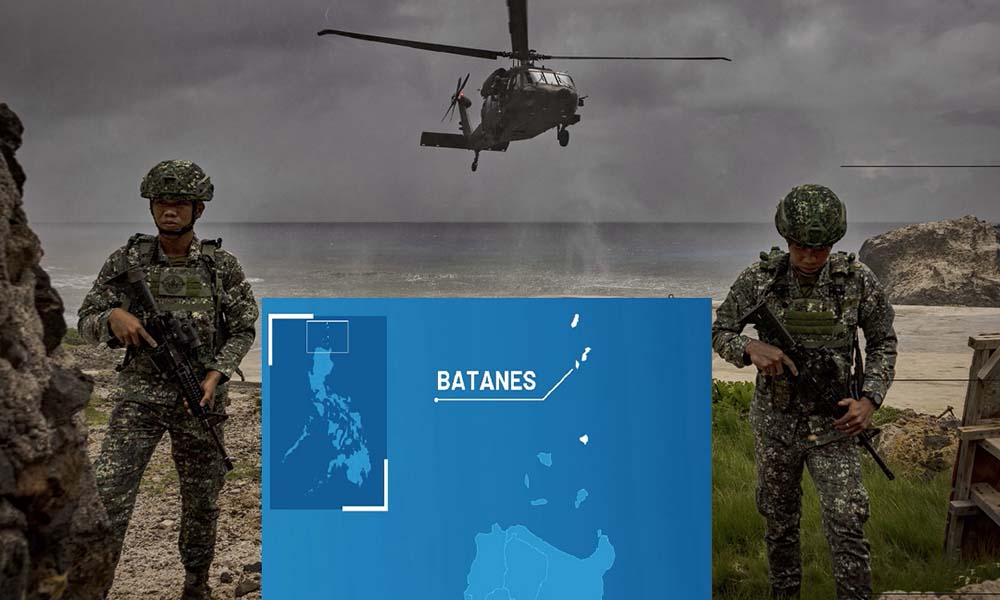
ACDC 26.5 was not an isolated military activity. It followed an earlier phase of the same training initiative, ACDC 26.4, which took place in August 2026 at Camp Bojeador in northern Luzon. During that earlier activity, American and Philippine military personnel conducted fire-support team training and maritime fires and effects planning. The activities involved coordination procedures and simulated maritime scenarios intended to strengthen the ability of the two forces to work together. The August training demonstrated the importance both countries are placing on maritime fires planning and the coordination of different military capabilities. Reporting on ACDC 26.4 also referred to simulated strike planning connected with the BrahMos missile system. This is an important distinction because simulated planning does not mean that missiles were actually launched or that a live strike against a maritime target took place. ACDC 26.5 added another dimension to this continuing cooperation by combining further fire-support rehearsals with the setup of the GBMS-L maritime surveillance radar. These activities are connected through a broader operational requirement. Military forces need information about maritime activity before they can properly assess a situation and plan an appropriate response.
Surveillance systems can contribute to that information, while fire-support rehearsals help personnel practise the coordination procedures that may be required during defensive operations. Taken together, the two training phases illustrate how the Philippines and the United States are developing cooperation around maritime awareness, operational planning and coastal defence. However, it would be inaccurate to describe these activities as proof that a complete integrated military system is already operational. The development of an effective defence network requires continued investment, compatible systems, trained personnel and repeated practical exercises. The real significance of ACDC 26.4 and ACDC 26.5 is that they form part of a continuing effort to improve the foundations of US-Philippine military coordination.
China’s Maritime Presence and the Strategic Importance
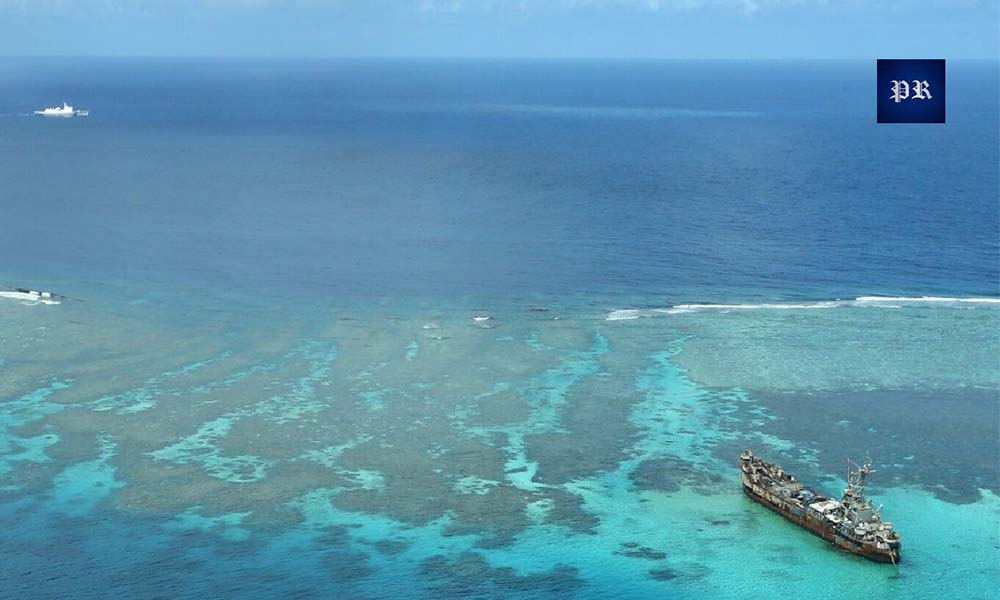
The growing focus on coastal defence in Palawan cannot be separated from the wider tensions between China and the Philippines in the South China Sea. Beijing maintains extensive maritime capabilities, including a powerful navy and coast guard, while the Philippines continues to face challenges involving disputed maritime areas and the protection of its fishing and economic interests. Encounters between Philippine vessels and Chinese maritime forces have repeatedly highlighted the difficulties facing Manila. These situations may involve coast guard operations, naval vessels, maritime patrols and other activities that create pressure around disputed waters. The September 24, 2026, rotation and resupply incident at Ayungin Shoal, highlighted in the supplied reporting, is one example of the continuing challenges surrounding Philippine maritime operations. Such incidents demonstrate why the Philippine government places increasing importance on maritime awareness and the ability to monitor developments around strategically important locations. The West Philippine Sea matters not only because of territorial disputes but also because of its economic and geographical importance. Fishing communities depend on access to marine resources, while the wider South China Sea connects major shipping routes and carries substantial importance for regional trade. Any prolonged instability in these waters could affect maritime activity and the security calculations of countries across the Indo-Pacific. For the Philippines, improving coastal surveillance is therefore about more than preparing for a possible military confrontation. It is also about strengthening the ability of the government to understand maritime developments, protect national interests and coordinate an appropriate response to different forms of pressure. At the same time, it is important not to treat every maritime encounter as an act of war.
Coast guard confrontations, maritime coercion and an armed military attack are different situations with different legal and strategic consequences. The Philippines must be able to respond according to the circumstances rather than assuming that every encounter requires a military response. This is where improved surveillance and communication become particularly useful. Better information can help decision-makers assess developments more accurately and avoid unnecessary escalation. Palawan’s position along the western side of the archipelago makes it a relevant part of this wider effort, especially as Manila seeks to strengthen its presence and awareness in the West Philippine Sea.
Can US-Philippine Military Cooperation Deter China?
One of the biggest questions surrounding ACDC 26.5 is whether closer military cooperation between the United States and the Philippines can discourage China from applying further pressure in disputed waters. The exercise itself does not change the military balance in the South China Sea, but it can contribute to a wider deterrence strategy by improving the Philippines’ ability to monitor maritime activity and coordinate its defensive capabilities. Deterrence depends partly on whether a potential adversary believes that aggressive action could face an effective response. A country with limited surveillance and weak coordination may struggle to understand a developing situation or respond quickly. By improving these capabilities, the Philippines can gradually reduce some of the weaknesses that could otherwise limit its defensive options. Better maritime surveillance is one important part of this process. When coastal forces have access to more reliable information, they may be better positioned to understand vessel movements and identify developments that require attention. Improved communication can also help ensure that information reaches the appropriate military authorities without unnecessary delays. Another factor is the geographical distribution of defensive capabilities.
A defence network that includes several coastal locations, surveillance facilities and supporting military units may provide greater flexibility than one that depends on a small number of isolated positions. Regular training with the United States can further improve interoperability, making it easier for both countries to coordinate their activities when required. Nevertheless, the Philippines continues to face a substantial capability gap compared with China, particularly in terms of the size and resources of their respective military forces. ACDC 26.5 cannot eliminate that difference, provide the Philippines with complete control over disputed waters or guarantee that future maritime confrontations will be avoided. Its contribution is more limited but still important. It supports the development of practical capabilities that may improve Manila’s awareness, strengthen territorial defence and increase the potential costs of coercive action against Philippine interests. Ultimately, deterrence will depend on the consistency of military modernization, the reliability of defence infrastructure and the credibility of the country’s partnerships. One exercise cannot establish a lasting deterrent, but repeated cooperation can contribute to a stronger defensive posture over time.
Challenges Facing the Philippines’ Coastal Defence Strategy
Although the Philippines is making progress in strengthening its coastal-defence capabilities, turning military exercises into a reliable national defence system will not be easy. The country’s geographical structure creates one of its biggest challenges. Thousands of islands and extensive maritime approaches require continuous surveillance, reliable transportation and effective communication between military units operating across different locations. Establishing radar equipment in a strategically important area is useful, but maintaining that equipment over the long term requires trained operators, technical support, spare parts and dependable infrastructure. Without these supporting resources, even modern surveillance systems may struggle to deliver consistent results. Another major challenge is command and control. Information collected by coastal surveillance units must reach the appropriate decision-makers, who need to assess the situation and coordinate with other military services. The Philippine Navy, Marine Corps and Air Force must be able to share relevant information and work together rather than operating as separate organisations with limited coordination. This becomes particularly important during a complicated maritime situation in which several vessels, aircraft and military units may be involved at the same time. Financial resources are another important consideration.
Military modernization requires long-term investment in equipment, personnel, infrastructure and maintenance. Purchasing advanced radar systems or coastal-defence weapons is only one part of the process. The government must also ensure that the military has enough resources to operate these systems effectively for years rather than only during scheduled exercises. The Philippines must also consider the difference between developing military capabilities and maintaining them during a prolonged crisis. A system that performs well during a short training activity may face different pressures when required to operate continuously under difficult conditions. China’s larger military resources make the challenge even more complicated. Manila cannot realistically develop capabilities equal to China’s across every military domain. Instead, its objective is to improve surveillance, strengthen territorial defence and develop practical capabilities that make coercion more difficult. The long-term success of ACDC 26.5 will therefore depend on whether the training and experience gained in Palawan become lasting improvements in the Philippine military’s operational readiness.
Palawan’s Role in the Wider Indo-Pacific Security Strategy
Palawan is important not only to Philippine national defence but also to the wider security environment of the Indo-Pacific. The Philippines occupies a strategically significant position along the First Island Chain, a geographical arc that includes Japan, Taiwan and the Philippine archipelago. This location connects the South China Sea with the wider western Pacific and places the country near important maritime routes and regional security interests. For the United States, strengthening the defence capabilities of the Philippines supports an important treaty ally and contributes to Washington’s broader objective of maintaining regional stability. A more capable Philippine military can improve maritime awareness, support territorial defence and strengthen the ability of both countries to coordinate during security challenges. However, American cooperation is only one part of the Philippines’ expanding regional relationships. Japan and Australia have also increased their defence engagement with Manila through military exercises, security cooperation and discussions about regional maritime stability.
These partnerships reflect growing interest in supporting the Philippines’ ability to protect its maritime interests. Nevertheless, the expansion of security cooperation should not be confused with the creation of a single regional military command. The United States, Japan, Australia and the Philippines continue to maintain their own national policies, strategic interests and decision-making authority. Their cooperation is based on shared security concerns rather than complete agreement on every regional issue. There is also a possibility that expanding military cooperation could increase strategic mistrust between Beijing and Washington. The Philippines views stronger coastal defence as a way to protect its territory and discourage coercion, while China may interpret greater US military involvement as a challenge to its regional position. This creates a difficult security environment in which defensive preparations by one country may be viewed as threatening by another. The challenge for regional governments is to strengthen their legitimate security interests while avoiding unnecessary escalation. For Manila, the objective should remain the protection of national sovereignty, maritime rights and regional stability. ACDC 26.5 is a relatively small but meaningful part of this wider strategic picture because it demonstrates how military partnerships are increasingly focused on practical maritime-defence capabilities rather than diplomatic cooperation alone.
What ACDC 26.5 Means for the Future of Philippine
The broader significance of ACDC 26.5 lies in the way it connects military training with the Philippines’ long-term modernization priorities. The exercise brought American and Filipino Marines together in Palawan to conduct fire-support rehearsals and establish a ground-based maritime surveillance radar system. These activities reflect the growing importance of information, coordination and readiness in modern coastal defence. For a country with extensive coastlines and strategically important maritime approaches, the ability to monitor activity and communicate information effectively can be just as important as possessing advanced military equipment. The Philippine military must therefore continue developing the capabilities that support a modern archipelagic defence structure. This includes improving surveillance coverage, strengthening communications, training personnel and ensuring that different military services can coordinate their activities. The role of the United States will remain relevant because repeated joint exercises can help improve operational familiarity and support the development of Philippine military expertise. However, the ultimate responsibility for maintaining these capabilities belongs to the Philippines itself. Manila will need to provide consistent funding, develop local technical expertise and establish reliable maintenance arrangements if it wants the benefits of military cooperation to continue beyond individual exercises. The development of coastal defence is a long-term process, and its success cannot be measured simply by the number of exercises conducted or equipment installed. It must be assessed through the practical ability of military forces to maintain surveillance, share information and respond appropriately when required. This is particularly important as the strategic environment around the South China Sea continues to evolve. The Philippines needs a defence structure that is sustainable, adaptable and capable of protecting national interests without creating unnecessary regional instability. ACDC 26.5 provides another opportunity to move towards that objective, but much of the work remains ahead.
Conclusion
The joint activities conducted by US and Philippine Marines in Palawan highlight the growing importance of coastal defence in the Philippines’ national security planning. Through ACDC 26.5, the two countries worked on fire-support coordination and the setup of a Ground Based Maritime Systems-Light radar system, supporting the Philippine Marine Corps’ wider Archipelagic Coastal Defense Concept. These activities are particularly relevant because Palawan faces the West Philippine Sea and occupies an important geographical position near disputed maritime areas. Better surveillance, stronger communication and improved military coordination could help the Philippines develop a more effective approach to protecting its maritime interests. At the same time, the exercise should not be presented as a sudden military breakthrough against China. It did not establish complete surveillance coverage, demonstrate a live missile engagement or eliminate the military differences between the two countries. Its significance is more practical: it contributes to the experience and procedures needed to strengthen the Philippines’ coastal-defence capabilities over time. For Washington, supporting a more capable Philippine military strengthens an important regional partnership. For Manila, the priority is to turn international cooperation into sustainable national defence capabilities. For Beijing, these developments reflect the Philippines’ determination to improve its ability to monitor and protect its western maritime approaches. The most important test will come after the training activities end. Can Philippine forces maintain their radar systems, sustain communications and coordinate effectively with other military services? Can the government provide the resources needed to keep these capabilities operational over the long term? And can Manila strengthen its deterrence without increasing the risk of unnecessary confrontation? The answers will determine the real impact of ACDC 26.5. Palawan is not simply another location for bilateral military exercises. It is becoming an important part of the Philippines’ wider effort to protect its archipelago, improve maritime awareness and strengthen its position in the Indo-Pacific. The future of Philippine coastal defence will depend not on one exercise, but on whether Manila can transform repeated military cooperation into a reliable and sustainable national defence system.
About Indo-Pacific Report
For more geopolitical analysis, strategy coverage, and Indo-Pacific security reporting, visit Indo-Pacific Report:
Website
Facebook
YouTube