U.S. Navy Secures Philippines’ $26 Trillion Gas Field, Blocking Outside
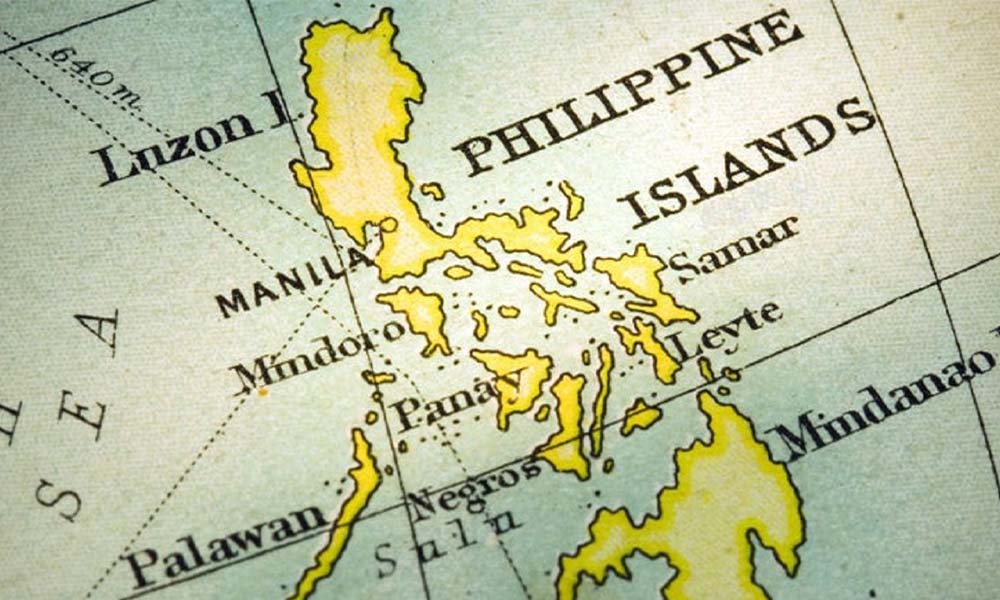
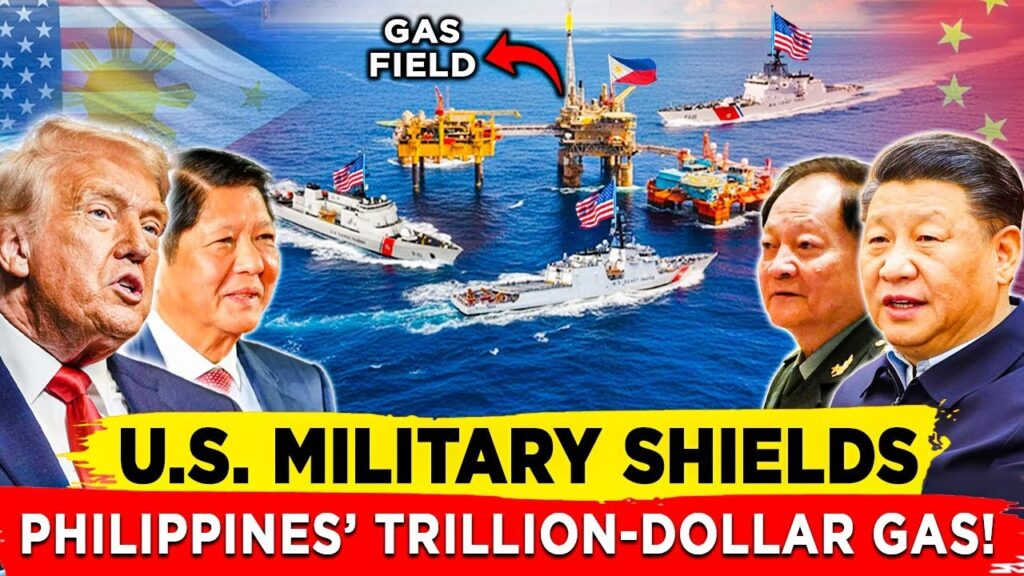
This discovery could change the Philippines forever.” That was the quiet warning behind the headlines this week, as Manila confirmed a major new offshore gas find east of Malampaya, just as U.S. naval forces ramp up their presence in the same waters. One question immediately follows, and it’s the one nobody can dodge: when energy, territory, and great-power rivalry collide in the South China Sea, who really controls the future?
Think about it for a second. A country that has spent decades importing fuel suddenly sits atop a gas reserve capable of powering millions of homes, right inside contested waters where gray-zone confrontations are now routine. This isn’t just about electricity bills or energy security. It’s about leverage. It’s about deterrence. And it’s about why the Philippines, backed by the U.S. Navy, is no longer willing to leave its most valuable offshore asset exposed.
From Europe’s gas wars to the Middle East’s oil chokepoints, history has a pattern: energy discoveries redraw strategic maps. Malampaya East-1 is doing exactly that in Southeast Asia. What looks like a technical drilling update is actually a geopolitical signal, one that explains why patrols are tightening, alliances are hardening, and outside interference is being quietly shut out.

If you want to understand where the next pressure point in the Indo-Pacific is forming, and why this gas field matters far beyond the Philippines, keep watching. The real story begins below.
Economic Stakes: The $26 Trillion Question
Here’s the part that makes people sit up straight. This isn’t just one gas field. Malampaya East-1 is the spark, but the fire underneath is much bigger. Energy analysts have been saying it quietly for years: the wider South China Sea could be sitting on around 190 trillion cubic feet of natural gas and roughly 11 billion barrels of oil. Put a rough value on that, and you’re staring at something close to $26 trillion in potential hydrocarbons. That’s not pocket change. That’s world-shaping money.
For the Philippines, this hits close to home. Anyone who’s lived there knows how painful power bills can be, how exposed the country is to imported fuel prices, and how every spike in global energy markets lands straight on ordinary households. Now imagine flipping that equation. Imagine producing more of your own energy, stabilizing electricity prices, and keeping billions of dollars inside the economy instead of sending them overseas every year. That’s what’s actually at stake here, not abstract numbers, but daily life.

And then there’s investment. Energy discoveries don’t stay isolated. They pull in infrastructure money, service industries, ports, pipelines, skilled jobs. Whole ecosystems grow around them. We’ve seen it happen in the North Sea, in parts of Africa, in the Eastern Mediterranean. Countries that were once energy-poor suddenly had leverage, options, breathing room. The Philippines is looking at that same fork in the road.
But here’s the uncomfortable truth: resources don’t mean much if you can’t protect them. Control determines who drills, who profits, and who sets the rules. That’s why this gas field isn’t just an economic opportunity, it’s a strategic prize. The numbers explain the attention. The patrols. The alliances. When trillions are on the table, no one pretends this is just about geology anymore.
The Legal Ground: EEZ & International Law
On paper, this part is actually very clear. Almost boringly clear. Under international law, specifically the UN Convention on the Law of the Sea, the Philippines has exclusive rights to explore and exploit natural resources within 200 nautical miles of its coastline. That’s the Exclusive Economic Zone. Malampaya East-1 sits well inside it. No legal gymnastics required. And then came 2016. The Hague tribunal didn’t hedge, didn’t split the difference, didn’t play diplomat. It ruled flat-out that China’s so-called “nine-dash line” has no legal basis whatsoever. None. No historic rights. No special exceptions. From a legal standpoint, the Philippines won cleanly. If this were a courtroom drama, the judge would’ve banged the gavel and gone home.
Luzon Strait: How the U.S. and Philippines Plan to Deter China’s Navy
But the ocean doesn’t work like a courtroom. Out there, law doesn’t enforce itself. There’s no maritime police showing up because a ruling exists. In contested waters, legality is only as strong as a country’s ability to defend, deter, and sustain presence. That’s the uncomfortable gap between theory and reality. Diplomatic notes matter. Legal victories matter. But ships, patrols, and alliances increasingly decide whether those rights are respected or ignored.
That’s why every discussion about EEZs quietly slides into talk of navies. Why lawyers and admirals now occupy the same strategic space. The Philippines isn’t arguing about ownership anymore, that part is settled. The real question now is whether international law can be upheld in waters where power has a habit of testing boundaries.
Shifting Security Dynamics: U.S.–Philippines Naval Presence
If you’ve been watching the waters lately, one thing is hard to miss: there’s a lot more steel in the sea. U.S. naval activity around the West Philippine Sea has picked up in a way that feels deliberate, steady, and frankly impossible to ignore. Not loud. Not flashy. Just constant. Ships moving. Aircraft overhead. Joint patrols that send a quiet but very clear message: someone is watching.
This isn’t new, but the timing matters. As the gas discovery grabbed attention, the security environment tightened almost instinctively. The U.S. and the Philippines have been bound by defense agreements for decades, and this is what those old treaties look like when they’re actually used. No grand announcements. No red lines drawn in public. Just presence, the most underrated form of power in maritime politics.
Freedom of Navigation Operations sit at the center of this. On the surface, they’re about principle: keeping sea lanes open, challenging excessive claims, sticking to international law. In practice, they do something more subtle. They normalize movement in contested waters. They make interference awkward, risky, and politically costly without firing a shot. It’s deterrence by routine.
What’s interesting is how calibrated it all feels. The goal isn’t to provoke a showdown. Nobody’s racing toward a crisis. The aim is to raise the threshold, to make it clear that disrupting energy exploration or harassing vessels won’t go unnoticed or unanswered. In that sense, the U.S.–Philippines naval posture isn’t about escalation. It’s about control of tempo. Slow, steady, and just firm enough to remind everyone that this part of the sea is no longer undefended.https://youtu.be/7KIZVdxG9C8?si=K_pUeLoiuRgBr8cg
Case Examples of Engagement & Tension
A. Second Thomas Shoal: A Microcosm of the Bigger Fight
If you want to understand how tense things really are out there, don’t look at maps, look at Second Thomas Shoal. It’s a rusting ship, a handful of marines, and a strip of reef. And yet, it’s become one of the most dangerous pressure points in the region.
In June 2024, things crossed an uncomfortable line. Philippine forces on a resupply mission were physically confronted by Chinese Coast Guard personnel. Not radio warnings. Not shadowing. Actual hands-on interference. That moment mattered, because it showed how fast these encounters can slide from “managed tension” into something messier. One bad decision, one injury, and suddenly everyone’s scrambling to control the fallout.
That wasn’t an isolated incident either. Less than a year earlier, in August 2023, Chinese vessels repeatedly used high-powered water cannons to block Philippine supply boats heading to the same outpost. No missiles. No gunfire. Just enough force to intimidate, damage equipment, and test resolve. That’s the gray zone in action, pressure without war, coercion without crossing the line that triggers retaliation.
And here’s the thing: these tactics work precisely because they live in that legal and political gray space. They exhaust crews. They strain nerves. They force governments to respond carefully, every single time. Second Thomas Shoal isn’t about one reef. It’s a live demonstration of how contested waters are controlled day by day.https://youtu.be/maH2SXynpeQ?si=yLHocx35b2zOYJNR
B. Naval Postures & Basing: The Quiet Reset
While these confrontations grab headlines, something quieter has been happening in the background. The U.S. has been methodically rebuilding its operational footprint around Subic Bay, not with fanfare, but with infrastructure. Surveillance upgrades. Logistics access. Facilities that don’t scream “base,” but function like one when needed.
Anyone familiar with Subic’s history knows why this matters. It was once the largest American naval base outside the U.S., and its geography hasn’t changed. Deep water. Strategic access. A front-row seat to the South China Sea. Reinvesting there isn’t nostalgia, it’s practicality.
These case examples tell a clear story. On the surface, incidents like Second Thomas Shoal look isolated and tactical. In reality, they’re stress tests. They show how close things already are to the edge, and why quiet naval positioning matters just as much as public statements. This isn’t escalation for drama’s sake. It’s preparation, shaped by experience, friction, and the understanding that the next confrontation probably won’t come with a warning.
Strategic Competition: China’s Persistent Presence
China never really leaves these waters. That’s the part many people miss. Day after day, Chinese coast guard and maritime law-enforcement vessels maintain a near-constant presence across contested areas of the West Philippine Sea. Sometimes they linger just outside sight. Sometimes they sit directly in the way. Either way, the message is the same: we’re here, and we’re not going anywhere.
Why the Philippines Is Considered the Weakest Link in the U.S. First Island Chain Policy
Beijing frames this as law enforcement, not provocation. Official statements regularly accuse outside forces, especially the United States, of stirring trouble, “interfering” in what China insists are its historical claims. It’s a familiar script. By presenting itself as the aggrieved party responding to foreign intrusion, China flips the narrative and shifts pressure onto smaller claimants like the Philippines. Presence becomes policy. Repetition becomes leverage.https://indopacificreport.com/luzon-strait-us-philippines-deterrence-china-navy/
Regional Security & Economic Traffic: Why These Waters Matter So Much
Strip away the politics for a moment and look at the traffic. The South China Sea is one of the busiest commercial arteries on the planet. Roughly $5.3 trillion worth of goods move through these waters every year, nearly a third of global maritime trade. Energy flows are layered on top of that: oil tankers, LNG shipments, refined fuels heading to East Asia’s biggest economies. This is why even countries with no territorial claims pay attention. Any disruption here doesn’t stay local. It shows up in shipping insurance rates, energy prices, delivery delays. What happens in these waters ripples outward fast. That reality hangs over every naval patrol and diplomatic exchange, whether officials admit it or not.
Strategic Messaging: Deterrence Without Drama
One of the most interesting things about the U.S. naval presence is how deliberately boring it’s made to look. Exercises are called “routine.” Patrols are described as “normal operations.” The language is careful, almost dull. That’s intentional. The strategy isn’t about flexing for headlines. It’s about quietly raising the cost of interference. Manila and its partners aren’t trying to trigger a crisis, they’re trying to make harassment harder, riskier, and less deniable. Stay inside international norms. Keep the tempo steady. Let the message land without shouting it. In contested waters, restraint can be its own form of power.
Energy Security and Domestic Politics
Inside the Philippines, this isn’t some abstract chessboard. President Ferdinand R. Marcos Jr. has openly made domestic energy security a priority, and that resonates. People feel energy prices. They feel shortages. They remember blackouts. Defending resource zones isn’t just about sovereignty, it’s about stability at home. At the same time, there’s a quiet unease. Many Filipinos support standing firm but worry about being dragged into a larger confrontation between giants. It’s a balancing act: protect what’s yours without becoming the frontline of someone else’s rivalry. That tension sits just below the surface of public debate.
Trade, Markets & Broader Geopolitical Effects
A stable South China Sea does more than protect gas fields. It steadies markets. It supports predictable energy pricing. It reassures investors who don’t like surprises. When tensions spike, volatility follows, in currencies, commodities, and capital flows. That’s why this isn’t only a regional issue. It shapes how companies plan, how governments hedge risk, and how alliances are tested. Stability here acts like oil in the global economic engine. Remove it, and everything grinds louder.
Environmental & Regulatory Considerations
There’s another layer people often skip: the environment. Offshore drilling carries real risks, spills, habitat damage, long-term ecological costs. Clear jurisdiction matters because it determines who enforces standards and who is accountable when things go wrong. In contested waters, regulation weakens. Responsibility blurs. Investors hesitate, not just because of politics, but because nobody wants to operate in a legal gray zone where rules can change mid-project. Ironically, resolving disputes doesn’t just protect sovereignty, it protects ecosystems too.
The Bigger Picture: U.S.–China Rivalry
Zoom out, and the pattern is obvious. What’s unfolding around this gas field is part of a much larger contest between the U.S. and China, one that stretches from trade routes to technology to military balance across the Indo-Pacific. Analysts warn that these flashpoints are connected. A confrontation here wouldn’t stay contained. It would test alliances, supply chains, and credibility across multiple regions. That’s why everyone moves carefully, even when tensions run hot.
ASEAN, Alliances, and the Quiet Middle
Southeast Asian countries are watching closely. U.S. defense officials have urged regional partners to strengthen maritime capabilities and coordinate responses to coercion at sea. But ASEAN has always been cautious, and for good reason. Economic ties to China run deep. Security concerns pull in the opposite direction. Most governments are trying to walk the middle path, hedging, diversifying, buying time. Unity sounds good in theory, but consensus is hard when stakes differ from capital to capital.
Future Trajectories: Where This Could Go
Several paths are still open. One is the status quo: slow energy development, occasional standoffs, steady military presence, no direct clashes. Messy, but manageable. Another is cooperative development, where claimants set aside disputes and agree on joint frameworks, possibly with ASEAN mediation. Hard, but not impossible. And then there’s the risk everyone quietly plans for but hopes to avoid: escalation. A collision. A miscalculation. An incident that spirals faster than diplomacy can slow it down.
Conclusion
This gas field is no longer just about energy. It sits at the intersection of law, power, economics, and environmental responsibility. How the Philippines and its partners manage this space will shape more than Manila’s energy future, it will test whether rules still matter in contested seas, or whether presence alone decides outcomes. In the South China Sea, that question is no longer theoretical. It’s already playing out, day by day, wave by wave.
If you want to understand where maritime power is really being tested, and how today’s quiet moves could shape tomorrow’s global order, this is a story worth following closely. Stay engaged, question the narratives, and keep watching the water.