South Korea to Boost Philippine Navy with 12 Warships by 2029 – Regional Security Shift
“This is not just a shipbuilding deal. This is a shift.” That was how one defense official in Manila reportedly framed it this week and honestly, it stuck with me. Because here’s the real question no one is asking loud enough: What happens when a navy that used to count hulls carefully suddenly starts adding twelve?
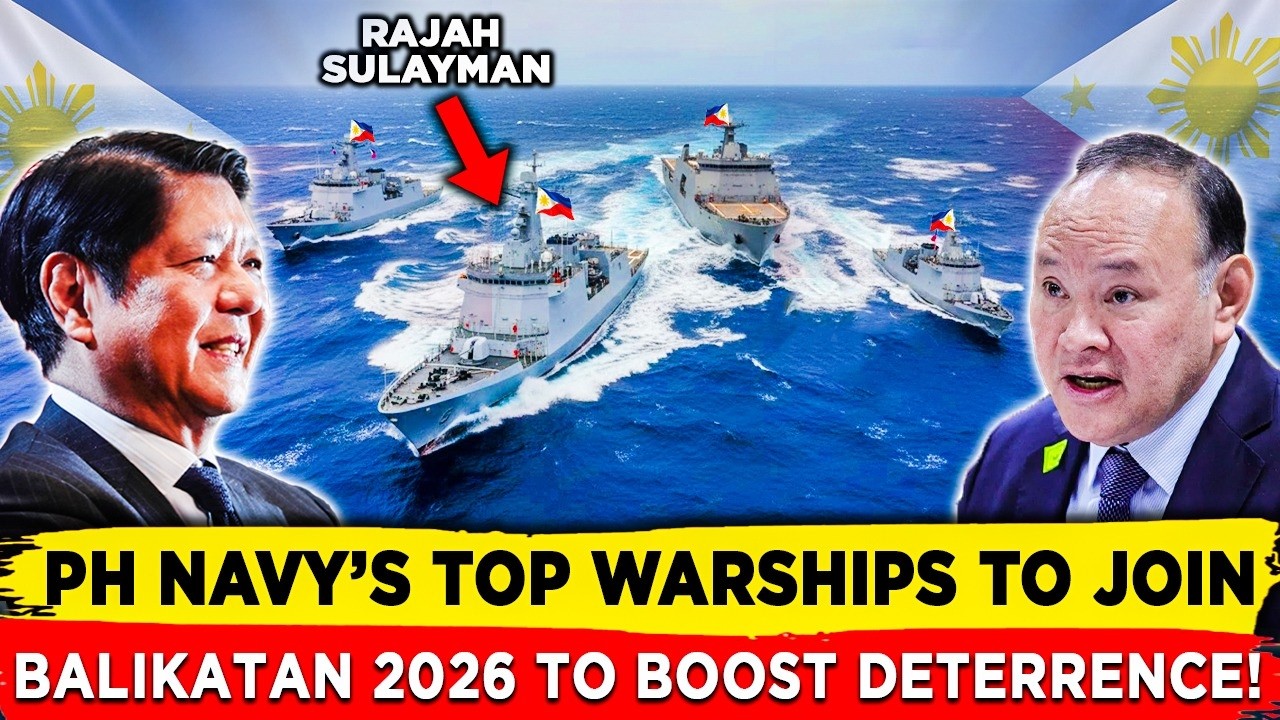
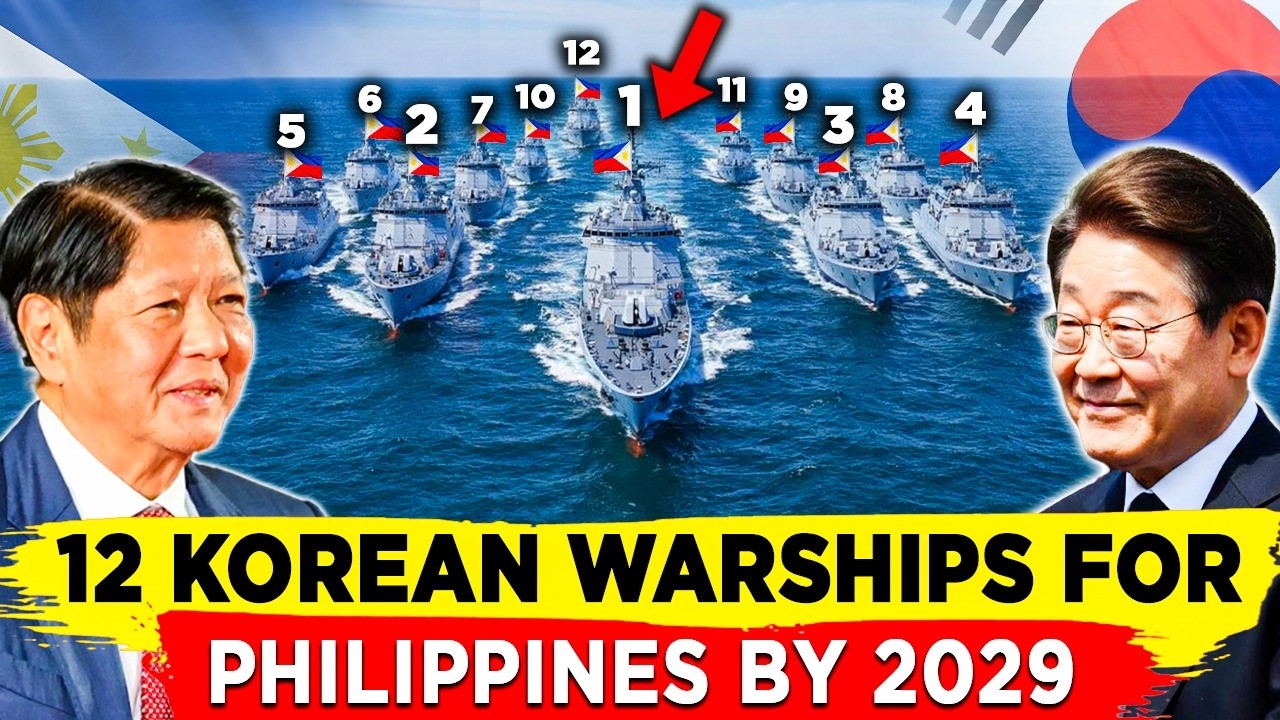
South Korea’s HD Hyundai Heavy Industries is delivering a 12-ship package to the Philippine Navy by 2029. Six Rajah Sulayman-class offshore patrol vessels. Additional Miguel Malvar / HDF-3200 frigates. A ₱34.4 billion frigate contract signed in December 2025. Vertical launch missile systems entering the fleet.
Pause there for a second. Vertical launch systems. For years, the Philippines’ challenge in the South China Sea wasn’t courage. It wasn’t intent. It was numbers. It was endurance. It was showing up day after day with enough presence to matter. I’ve followed Manila’s maritime story for a while now, and the pattern was obvious: one ship here, one patrol there, constant strain on limited assets.
Now the math is changing. Imagine this: instead of stretching a handful of high-value frigates thin across contested waters, you have dedicated offshore patrol vessels handling EEZ patrol, maritime law enforcement, and routine presence. That frees up heavier frigates, missile-capable frigates, for actual deterrence roles.https://www.youtube.com/watch?v=iSO66NJpefM
That’s not cosmetic modernization. That’s structural correction. And let’s be honest, the timing isn’t random. The South China Sea isn’t cooling down. It’s getting more crowded. Coast guards bumping hulls. Shadowing incidents. Radio warnings that sound polite but carry sharp undertones. In that environment, patrol density equals political leverage.
The Rajah Sulayman-class OPVs are the steady heartbeat. They stay out longer. They cost less to operate. They quietly normalize Philippine presence in its own waters. But the HDF-3200 / Miguel Malvar-class frigates? That’s the shift from presence to consequence.

When you introduce vertical-launch missile capability into your surface fleet, you change how others calculate risk. It doesn’t mean escalation. It means credibility. It means that any potential adversary has to think twice before assuming numerical advantage equals dominance.
And here’s what really stands out to me, this isn’t Manila acting alone. This is deepening defense-industrial cooperation with South Korea, a country that understands maritime vulnerability and regional competition in a very real way. Seoul isn’t just exporting ships; its exporting confidence and long-term sustainment architecture. Twelve ships by 2029.
Philippines Needs Submarines Now More Than Ever to Deter China
Read that again. If deliveries stay on track, the Philippine Navy of 2029 will not look like the Philippine Navy of 2019. More hulls. Better endurance. Real missile capability layered into the fleet. Greater operational flexibility. The ability to divide missions properly instead of constantly juggling priorities.
And that’s the quiet revolution here. Not dramatic speeches. Not flashy announcements. Just steel being cut, hulls being launched, systems being installed. Slowly. Methodically. Almost boring if you’re not paying attention.
But if you are paying attention? You can see it. The balance in the South China Sea doesn’t change overnight. It changes through procurement cycles. Through contracts. Through shipyards thousands of miles away shaping the future of a regional navy. This deal is one of those moments. Not loud. But transformative.
Concrete deal facts & timeline
The numbers are worth paying attention to because they tell a story beyond just dollars and tons. On December 26, 2025, the Defense Acquisition Program Administration (DAPA) and HD Hyundai Heavy Industries signed a contract to build two 3,200-ton frigates for the Philippine Navy, with delivery scheduled by 2029. The deal was valued at roughly ₱34.4 billion, about US$585–587 million.
Fast forward a few weeks, and on January 13, 2026, the lead Rajah Sulayman-class OPV, the BRP Rajah Sulayman, departed Ulsan, South Korea, marking the first major delivery milestone for Manila’s fleet modernization. That ship isn’t just steel in the water; it’s the tangible start of a twelve-ship expansion that will dramatically shift the Philippine Navy’s posture.
PH Navy Just Got Stronger! BRP Diego Silang FFG-07 Joins Fleet
By the end of this near-term program, Manila will add six Sulayman-class offshore patrol vessels (HDP-2200 variant) and multiple HDF-3200 frigates (Miguel Malvar lineage). Altogether, that’s 12 new hulls entering service between now and 2029. Each addition increases patrol density, endurance, and presence, the kind of baseline capability that used to stretch thin across the country’s maritime zones.
But the real game-changer is the HDF-3200 frigates. These will be the Philippines’ first warships equipped with vertical launch systems (VLS). That doesn’t just modernize firepower. It opens the door to surface-to-air missile deployments and future upgrades, giving Manila a more credible deterrent in contested waters. For the first time, presence is backed with capability, a subtle but significant recalibration in the South China Sea.
This timeline isn’t just a list of events. It’s a roadmap for how a navy grows from scarcity to structured, layered maritime power. Every contract signed, every hull launched, and every system installed is a signal: the Philippines is stepping into a new phase of naval maturity, and by 2029, the balance of patrols and deterrence in its waters will look very different.https://www.youtube.com/watch?v=5KbbSneYUi4
Platform snapshot: specs & operational role
The Rajah Sulayman-class OPVs (HDP-2200 / HDP-2200+) are the workhorses of Manila’s upcoming fleet expansion. Each ship displaces around 2,400–2,450 tons, stretches roughly 94 meters, and can stay at sea for about 30 days. They carry an OTO Melara 76mm gun, Hanwha combat management systems, and long-range patrol sensors. But it’s not just about hardware, their real role is persistent maritime presence. Think EEZ patrol, fisheries protection, and constabulary duties in gray-zone situations. These ships are built to assert sovereignty quietly but consistently.
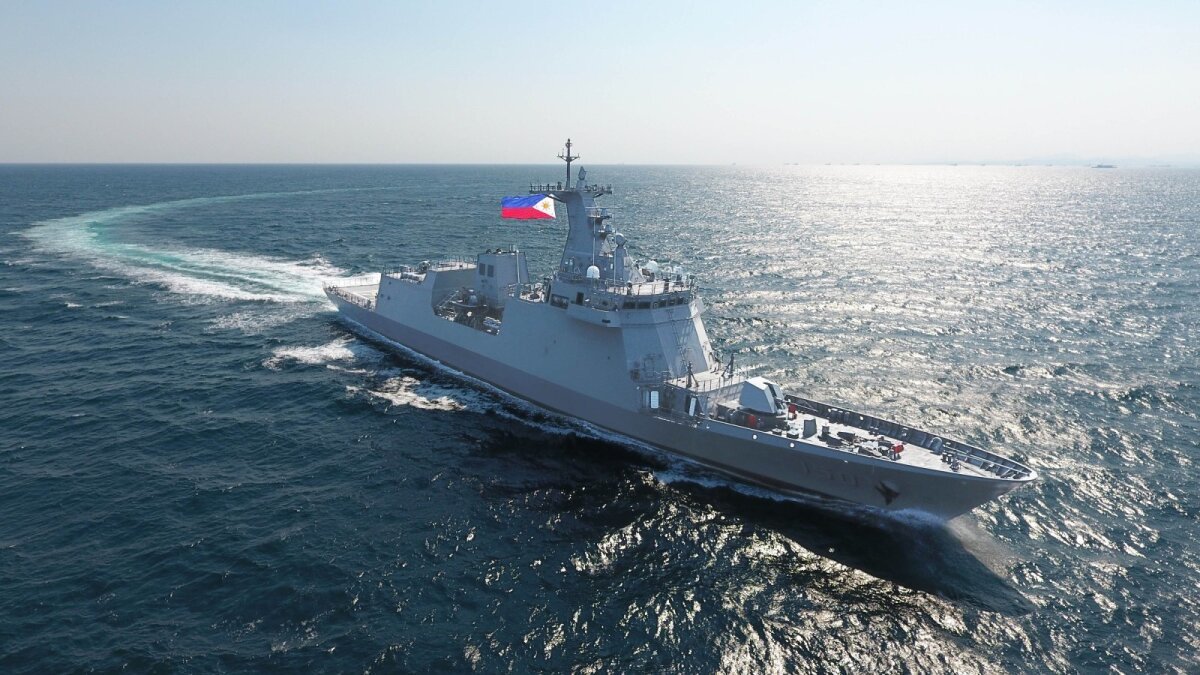
Then there’s the heavier hitter: the HDF-3200 / Miguel Malvar-class frigates, displacing 3,200 tons with a crew of roughly 120, capable of cruising at 25 knots for up to 20 days. These ships bring serious multi-role capability with AESA 3D radar, hull sonar, vertical-launch missile cells, anti-ship missiles, and medium-range SAMs like the reported VL-MICA. Their purpose isn’t just presence, its deterrence, anti-surface and anti-air warfare, fleet integration, and area-denial. When these frigates join the OPVs, the Philippine Navy doesn’t just patrol more, it projects credible power across contested waters.https://indopacificreport.com/why-the-u-s-wants-taiwan-to-fund-philippines-edca-military-bases/
Combined, the Sulayman OPVs and HDF-3200 frigates create a layered naval posture: endurance and density at the front line with OPVs, and deterrent punch and fleet coordination through frigates. By 2029, Manila will have a more versatile, resilient, and credible fleet, capable of sustained operations in the South China Sea.
South Korea to Boost Philippine Navy with 12 Warships by 2029 — Regional Security Shift
“This contract is a testament to the strong strategic partnership between Korea and the Philippines, built on trust…” Joo Won-ho, HD Hyundai Heavy Industries. That line kind of sticks with you. Because when you hear it, you realize this isn’t just about steel and shipyards. This is about changing the rules of presence in the South China Sea. Twelve new ships by 2029, six Rajah Sulayman-class offshore patrol vessels and multiple HDF-3200 / Miguel Malvar-class frigates, will reshape Manila’s naval posture in a way that has been long overdue. Vertical launch systems. Extended patrol endurance. More hulls in the water. The numbers alone tell a story, but the story behind them is even more interesting.
Philippines Vs. China: Is the Philippines Ready to Deter China Over the West Philippine Sea?
Concrete Deal Facts & Timeline
The roadmap is straightforward but ambitious. On December 26, 2025, DAPA and HD Hyundai Heavy Industries signed a ₱34.4B / 850 billion won contract to build two HDF-3200 frigates, with delivery set for 2029. Barely three weeks later, on January 13, 2026, the lead BRP Rajah Sulayman OPV departed Ulsan, marking the first operational milestone of this massive fleet expansion.
By the program’s near-term end, Manila will field 12 new hulls. That’s six OPVs for consistent EEZ patrol and constabulary duties, plus multiple guided-missile frigates with vertical launch systems, a capability Manila has historically lacked. These additions aren’t just incremental; they create persistent presence and credible deterrence, a combination that’s increasingly essential in contested waters.
Platform Snapshot: Specs & Operational Role
The Rajah Sulayman-class OPVs (HDP-2200 / HDP-2200+) are the fleet’s workhorses. Displacing roughly 2,400–2,450 tons, spanning 94 meters, and capable of 30-day deployments, these ships carry an OTO Melara 76mm gun, Hanwha CMS modules, and long-range patrol sensors. Their mission is straightforward but critical: EEZ patrol, fisheries protection, and gray-zone response. Steady, persistent, and visible, the kind of presence that says sovereignty without firing a shot .https://www.youtube.com/watch?v=zO9MxNZW9mo&list=PL4jgdFMGYAe7uj42HSdvZGrqaFAalo-NB
The HDF-3200 / Miguel Malvar-class frigates, by contrast, are the deterrent backbone. At 3,200 tons, with a crew of around 120 and a top speed of 25 knots, these ships combine AESA 3D radar, hull sonar, vertical launch missile cells, anti-ship missiles, and medium-range SAMs (e.g., VL-MICA) to provide layered anti-air and anti-surface coverage. Their role: fleet integration, area denial, and credible deterrence. Together, OPVs and frigates create a layered maritime posture that balances endurance with punch.
Case Studies: Narrative Proof Points
BRP Miguel Malvar (FFG-06), the first HDF-3200 integration, shows what these platforms can do. Steel cut in 2023, launched in 2024, sea trials through 2025, and commissioned in 2025. Crew training and logistics pipelines were accelerated with HHI support, delivering a frigate capable of multi-domain operations right off the bat
BRP Rajah Sulayman (OPV lead) — Jan 2026 send-off marked the transition from procurement to operational presence. Early patrols immediately increased situational awareness and strengthened fisheries enforcement, showing that new ships aren’t just symbolic: they deliver action.
Repeat Orders & Industrial Continuity — the Philippines’ continuous procurement from HHI (OPVs → frigates → additional frigates) illustrates standardization benefits: lower lifecycle costs, streamlined crew training, and predictable maintenance cycles.
Strategic Analysis & Regional Context
Operational Effect: Six OPVs significantly increase patrol density, enhancing persistent EEZ presence and maritime law enforcement. HDF-3200 frigates with VLS elevate deterrence, creating a layered air/surface defense umbrella, making gray-zone coercion more costly for potential adversaries.
Doctrine & Force Posture: Manila is shifting from a “coastal constabulary” focus to a maritime denial plus presence posture, OPVs for routine enforcement, frigates for higher-intensity deterrence and coalition interoperability.
Geopolitical Signal: South Korea emerges as a strategic partner beyond traditional Western suppliers, giving Manila more autonomy in procurement while deepening ROK–PH defense industrial ties.
Regional Balance: Quantitatively, the Philippines’ modern surface combatant tonnage rises by several thousand tons. While still below PLAN totals, the psychological and tactical impact in contested shoals is substantial. Patrick Cronin of the Hudson Institute aptly noted via Business Insider: “…adding two guided-missile frigates to their very small fleet means that China’s no longer running alone in the arms competition in the South China Sea.”
Risks, Gaps & Caveats
Even with this expansion, challenges remain. Staggered deliveries through 2029 mean short-term capability gaps persist. Weapons and sensor fit-outs may vary, so true combat power depends on final load-outs. Maintaining new ships requires stable O&M budgets and logistics pipelines, or capabilities could hollow quickly. Finally, more capable assets raise the stakes in encounters, demanding clear ROE and de-escalation protocols to manage regional tensions responsibly.
Policy Recommendations
To make the most of this fleet expansion, sustainment funding must be a top priority. Allocating multi-year operations and maintenance budgets will ensure that the new hulls remain fully operational, avoid gaps in readiness, and protect the long-term investment that these ships represent. Without steady funding, even the most advanced platforms can become liabilities rather than assets.
Logistics and training also need serious attention. Expanding shore infrastructure and running joint exercises with partners like South Korea, the United States, and Australia will give crews the experience and support needed to operate these vessels effectively. Familiarity with maintenance routines, resupply procedures, and combined operations will directly improve operational readiness and mission success.
Equally critical is C4ISR integration. Linking the new ships to coastal radar networks, satellite feeds, and airborne intelligence, surveillance, and reconnaissance assets will give commanders a complete maritime picture. This connectivity ensures that the increased fleet size translates into smarter, faster decision-making, rather than just more hulls at sea.
Finally, Manila should develop clear arms control and de-escalation protocols. As the navy becomes more capable, encounters in contested areas carry higher stakes. Clear rules of engagement, communication channels, and escalation management procedures will ensure that enhanced capabilities are used responsibly, reducing the risk of unintended confrontations while maintaining credible deterrence.
Bottom Line
By 2029, the Philippine Navy will be larger, more capable, and better integrated than ever before. Twelve new hulls, from persistent OPVs to missile-equipped frigates, will transform presence into credible deterrence. Beyond steel and sensors, this program signals a strategic shift in the South China Sea, one Manila and Seoul are quietly but deliberately shaping.https://youtu.be/zO9MxNZW9mo?si=QuskRPQ8FXyE3ry4