Philippines Opens New Luzon Strait Base to Bolster Deterrence Against China
“We cannot afford to be blind in our own waters.” That was how one Philippine defense official reportedly framed it this week and honestly, that line hits hard. Because here’s the real question: What happens when the world’s most contested waters sit right at your doorstep? Do you stay quiet and hope the storm passes? Or do you finally decide to anchor yourself firmly in the middle of it? This week, the Philippines chose the second option.
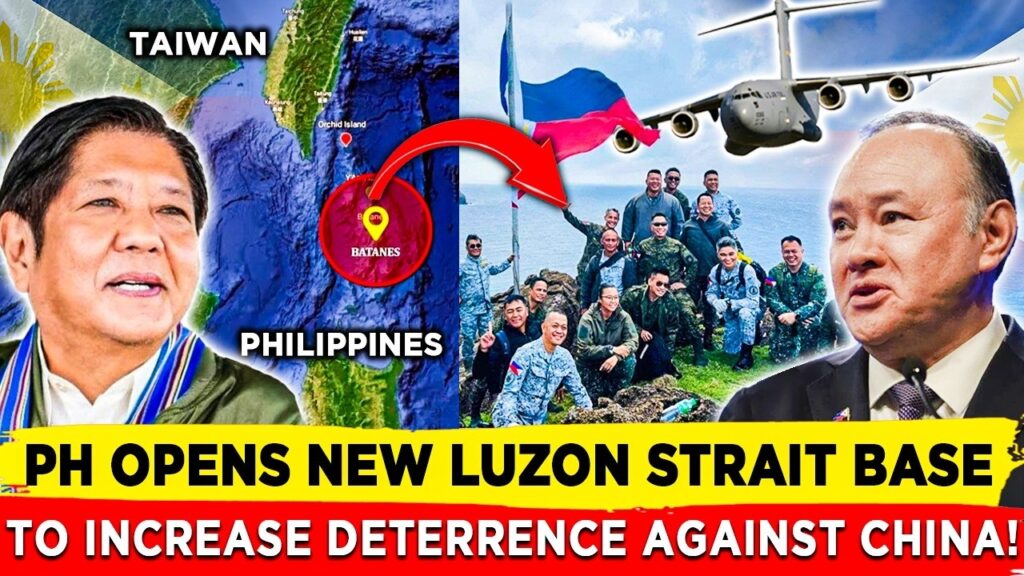
In the latest move that’s sending ripples across the Indo-Pacific, Manila inaugurated the Mahatao Forward Operating Base near the Luzon Strait, that narrow, deep-water corridor between Luzon and Taiwan where global trade ships pass silently by day and warships glide through at night. It’s not just another base. It’s a statement. A very deliberate one.
The Luzon Strait isn’t some random patch of blue on the map. It connects the South China Sea to the open Pacific. Oil tankers, container ships, submarines, aircraft carriers, they all move through this space. If tensions ever spiral in the Taiwan Strait, this passage becomes critical in hours, not days. Think of it like a highway interchange during rush hour. Whoever controls visibility and access there doesn’t just monitor traffic, they shape it.
And for years, the Philippines has watched this corridor from a distance. Sometimes cautiously. Sometimes nervously. But things have changed. China’s growing naval footprint in the South China Sea, from coast guard deployments to gray-zone pressure tactics, has pushed Manila into a different strategic mindset. This isn’t the Philippines of a decade ago, hedging quietly. This is a country recalibrating its defense posture in real time.
Mahatao, located in Batanes province, sits almost at the northern edge of the Philippine archipelago. On a clear day, locals say you can almost feel how close Taiwan is. Fishermen there have long understood that geography is destiny. Now, that understanding has turned into infrastructure.
This new facility strengthens maritime domain awareness. It improves response times. It deepens coordination with allies, particularly the United States and Japan — who see the Luzon Strait as a strategic artery in any regional contingency. And yes, it signals to Beijing that Manila is no longer comfortable playing the peripheral actor. There’s something human about this shift, too.
US to Deploy Advanced Missiles in Philippines Amid South China Sea Tensions
For decades, the Philippines has balanced between asserting sovereignty and avoiding escalation. It has tried dialogue. It has absorbed pressure. It has tested accommodation. But deterrence, real, visible deterrence, requires presence. And presence requires steel, radar, runways, and resolve.
This isn’t about provocation. It’s about positioning. The inauguration of the Mahatao Forward Operating Base marks more than a construction milestone. It marks a psychological shift. A country that once hesitated is now preparing. A maritime state is finally reinforcing its northern gate.
So the real question isn’t whether this base changes the strategic equation. It already does. The deeper question is whether this move stabilizes a fragile balance in the Indo-Pacific or pushes the region one step closer to something far more kinetic. Either way, the Luzon Strait just got a lot more consequential.

Background and Context
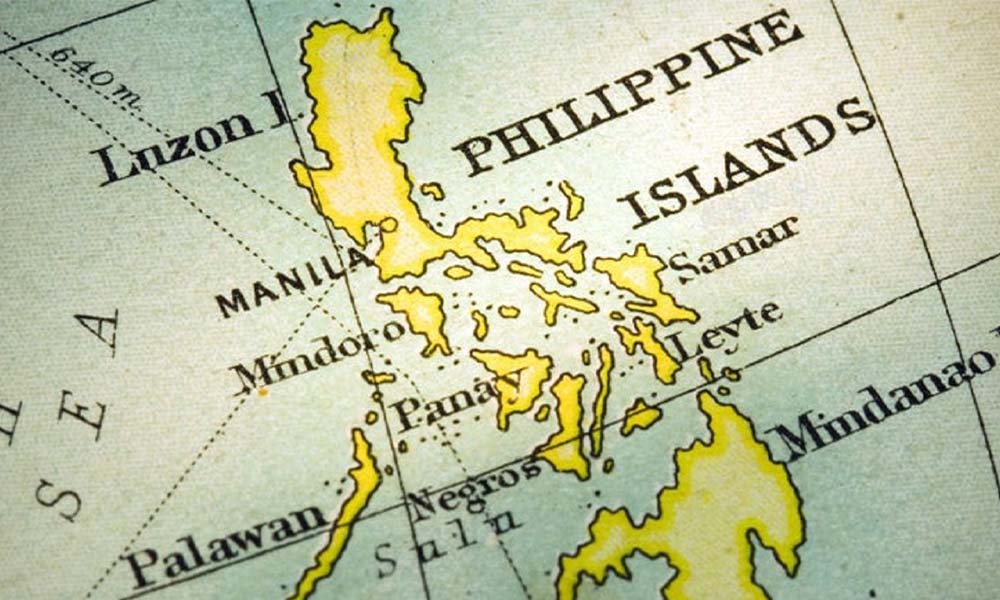
Before we get lost in strategy and headlines, it helps to pause and look at the map. Geography has a way of explaining politics better than any press conference ever could. The Luzon Strait lies between Luzon in the Philippines and Taiwan, stretching roughly 250 kilometers across. On paper, it’s just a body of water. In reality, it’s a narrow gateway connecting the South China Sea to the western Pacific. That alone makes it powerful. It’s one of those places that doesn’t make noise but quietly shapes outcomes.
Every day, massive cargo ships pass through that corridor carrying energy supplies, electronics, food, and everything in between. It’s a commercial lifeline for East Asia. Beneath those waters run undersea communication cables, the hidden system that keeps financial markets, military communications, and internet traffic alive across the region. Most people never think about those cables. But if they were disrupted, the consequences would be immediate and widespread.
Then there’s the military dimension, and this is where the Luzon Strait becomes even more consequential. Naval forces moving from the South China Sea into the Pacific, including submarines, often pass through this corridor. Its position makes it an ideal monitoring point. Whoever can observe activity there gains early warning. And in strategic terms, early warning is everything. Geography here isn’t passive. It’s leverage.
Now place that geography inside today’s security environment. Tensions between Manila and Beijing have steadily intensified over the South China Sea. Disputes around Scarborough Shoal and the Spratly Islands are no longer abstract diplomatic disagreements. They play out at sea, often involving direct encounters between vessels. Chinese Coast Guard ships have been recorded operating as close as 43 kilometers from the Philippine coastline. That proximity shifts the psychological landscape. It no longer feels distant or theoretical. It feels immediate.
At the same time, China has increased its naval and air activity in and around the Taiwan Strait. Exercises such as Strait Thunder–2025A may be framed as routine drills, but from Manila’s perspective, they signal a rising tempo of military preparedness in its near periphery. When major power competition intensifies just north and west of your territory, you don’t have the luxury of detachment.
This broader environment has shaped Philippine defense policy in noticeable ways. For decades, the Armed Forces of the Philippines focused largely on internal security challenges. External defense modernization moved slowly. That trajectory has changed.
The acquisition of the BrahMos anti-ship missile system was a clear pivot toward deterrence by denial, the ability to impose costs on hostile naval forces operating near Philippine waters. Additional investments, including guided-missile corvettes and surveillance upgrades, reinforce this shift toward building credible maritime defense capability.https://indopacificreport.com/5-major-issues-haunting-the-south-china-sea-in-2026/
Alliances have also regained strategic weight. The 1951 Mutual Defense Treaty with the United States is no longer treated as symbolic architecture from the Cold War era. It has evolved into an operational framework, with expanded exercises, planning coordination, and defense dialogues. Interoperability is no longer aspirational; it is being institutionalized.
Seen together, geography, rising regional tensions, and a modernization drive converge into a single logic. The Luzon Strait is not a peripheral space. It is a strategic hinge. And in a moment when the Indo-Pacific balance feels increasingly fragile, hinges become focal points.
The New Luzon Strait Base
If geography sets the stage, this base is the entrance cue. On August 28, 2025, the Philippines inaugurated the Mahatao Forward Operating Base in Mahatao, Batanes, the northernmost province of the Philippines. It sits roughly 120 miles south of Taiwan. That distance might sound comfortable on paper. It isn’t. In strategic terms, that’s close. Very close.
Batanes itself feels remote, windswept hills, dramatic coastlines, small communities used to typhoons and isolation. But that remoteness is precisely why it matters. From this position, you’re at the gateway to the South China Sea and just beside the Bashi Channel, a deep-water corridor submarines and naval vessels use to move between enclosed seas and the open Pacific. It’s not flashy territory. It’s consequential territory.
And here’s the thing, this base isn’t symbolic. It’s functional. Operationally, it hosts units under the Northern Luzon Naval Command and a Marine Battalion Landing Team. That combination matters. Naval presence provides maritime reach; marine forces add rapid-response and expeditionary capability. Together, they create a forward posture rather than a reactive one. In practical terms, that means quicker deployment timelines, better coordination, and fewer blind spots.
The infrastructure is designed to support maritime surveillance and logistics staging. Think sensors, mobility, supply chains. Not just watching the sea but being ready to act if necessary. It allows for rapid projection of naval and marine assets into surrounding waters. And in deterrence strategy, readiness is the message.
One of its core purposes is enhancing maritime domain awareness. The Luzon Strait is busy, strategically layered water. Monitoring vessel movements, tracking patterns, and distinguishing between routine transit and abnormal activity requires presence. You cannot manage what you cannot see. This base improves visibility and visibility stabilizes decision-making.
Then there’s deterrence. And this is where the signal becomes unmistakable. Establishing a forward operating base this close to strategic transit routes demonstrates a commitment to defending sovereign waters and exclusive economic zones. It communicates preparedness without necessarily escalating. Presence, when calibrated, can reduce miscalculation.
Why the Philippines Is Considered the Weakest Link in the U.S. First Island Chain Policy
The base also serves a cooperative function. It is positioned to support joint exercises and interoperability with partners such as the United States, Japan, and Australia. In today’s Indo-Pacific security architecture, coordination is as important as capability. Shared drills, logistics integration, and communication alignment reduce friction during crises.
And it’s not purely about conflict scenarios. The Philippines is one of the most disaster-prone countries in the world. Typhoons, earthquakes, maritime accidents, they are recurring realities. A forward base in Batanes can also function as a humanitarian staging point. That dual-use dimension matters. Defense infrastructure that supports disaster response strengthens public legitimacy.
What makes Mahatao significant isn’t just its hardware. It’s the strategic shift it represents. For years, the northern frontier of the Philippines was quiet, important, but underdeveloped in military terms. That is no longer the case. This is forward defense thinking. This is geographic realism translated into infrastructure. And in a region where timing and positioning define outcomes, positioning this far north changes the board.
Strategic Implications
This is where things get real. Because a base isn’t just concrete and radar systems. It’s a signal. And signals travel fast in the Indo-Pacific.
For the Philippines
For Manila, the most immediate implication is territorial security. The northern maritime frontier has historically been quieter than the South China Sea flashpoints, but quieter doesn’t mean safer. With a forward operating base in Mahatao, the Philippines can now project a defensive presence into waters that were previously monitored at a distance. That shortens response time. It strengthens patrol coverage. It shifts posture from reactive to anticipatory.
And that matters. There’s also the surveillance dimension. Enhanced monitoring through the Luzon Strait supports broader efforts to protect marine resources and uphold maritime law. Illegal fishing, unauthorized transits, gray-zone activities, these are persistent challenges. Surveillance isn’t just about warships. It’s about governance. It’s about demonstrating that maritime zones aren’t empty spaces, but regulated ones.https://www.youtube.com/watch?v=WA9zZ9TnXMs
If you zoom out, this is a country that spent decades underinvesting in external defense. Now it’s correcting that imbalance. Slowly, but deliberately.
For China
From Beijing’s perspective, the equation looks different. The establishment of a forward base so close to strategic transit routes signals Manila’s intent to deter further coercive pressure. It reinforces the reality that the Philippines is deepening defense coordination with partners across the Indo-Pacific. That alignment, whether through exercises, intelligence sharing, or access arrangements, alters the operational landscape.
China may interpret the move as part of a broader containment arc supported by the United States and regional partners. Even if Manila frames the base as sovereign self-defense, which it is, perception shapes reaction. And in strategic competition, perception often matters as much as capability.
The concern in Beijing will not simply be the base itself. It will be what the base represents: a Philippines less hesitant to assert maritime rights and more integrated into allied security planning.https://www.youtube.com/watch?v=NyuNRV1Xnqw
For Regional Security
At the regional level, the implications extend beyond bilateral tensions. The Luzon Strait sits along critical sea lanes that underpin regional trade and energy flows. A more robust Philippine posture contributes to stability in that corridor by improving monitoring and response capabilities. Stability here is not abstract, it affects shipping insurance rates, energy security, and crisis management timelines.
The base also strengthens collective deterrence. Security in the Indo-Pacific increasingly relies on networked partnerships rather than isolated alliances. Bilateral dialogues, multilateral naval exercises, interoperability frameworks, these mechanisms reduce the risk of miscalculation by clarifying commitments and capabilities.
In theory, credible deterrence lowers the probability of conflict. In practice, it requires careful calibration. Too little presence invites pressure. Too much visibility risks escalation. The Philippines is attempting to strike that balance, asserting sovereignty while avoiding provocation.https://www.youtube.com/watch?v=83tErAXyq10
And that balancing act will define whether the Mahatao Forward Operating Base becomes a stabilizing anchor or another focal point in an already crowded strategic theater. Either way, the northern edge of the Philippines is no longer peripheral. It’s central to the evolving security architecture of the Indo-Pacific.
International and Diplomatic Reactions
The moment a base like this opens, the reaction doesn’t stay local. It travels, through diplomatic cables, defense briefings, media headlines, and quiet strategic calculations.
From Washington’s side, support has been direct and consistent. The United States has reaffirmed expanded defense cooperation with the Philippines, including longer operational schedules and deeper planning dialogues. The tone has been firm but measured, emphasizing alliance commitments while framing activities as defensive and stabilizing.
F-22 Raptors Over Luzon: Strategic Signaling and Airpower Dynamics in the South China Sea
There’s also the hardware dimension. Plans involving systems such as the Typhon missile system reflect a layered deterrence approach. Philippine officials have repeatedly described these deployments as purely defensive, intended to strengthen readiness, not provoke confrontation. Still, the symbolism is powerful. Advanced capabilities positioned near a major maritime chokepoint are impossible to ignore.
From Beijing’s perspective, skepticism is almost guaranteed. China is likely to interpret the expansion of infrastructure and allied coordination near the Luzon Strait as part of a broader strategic alignment aimed at constraining its maneuver space. Increased militarization near critical waterways, especially those connected to the Taiwan Strait and the South China Sea, touches directly on China’s core security concerns.
Even if Manila frames its actions as sovereign self-defense, Beijing will analyze them through the lens of regional power balance. And in great-power politics, perception often moves faster than reassurance.https://www.youtube.com/watch?v=Z_g9v02gkRs
Across ASEAN, reactions are more restrained and more nuanced. Southeast Asian states are watching closely, but cautiously. Most regional governments prioritize stability and economic continuity. They seek stronger defense capabilities without tipping into overt bloc politics.
The Luzon Strait development fits into a broader pattern of quiet rebalancing across the Indo-Pacific. Countries are modernizing. Partnerships are deepening. Yet almost everyone is trying to avoid open escalation. It’s a delicate equilibrium, strategic hedging in motion.
Challenges and Considerations
Opening a forward base is one thing. Sustaining it is another. Batanes is geographically remote. Supply chains are longer. Weather conditions can be unforgiving. Maintaining year-round operational readiness in such a location requires consistent logistics planning, infrastructure resilience, and financial commitment. A forward posture only works if it’s sustainable.
South Korea to Boost Philippine Navy with 12 Warships by 2029 – Regional Security Shift
There’s also diplomatic sensitivity. China remains a major economic partner for the Philippines. Trade, investment, tourism, these ties don’t disappear because of security tensions. Manila must navigate defense strengthening while managing economic interdependence. That balance is complex and sometimes uncomfortable.
And domestically, defense expansion must coexist with development priorities. Infrastructure, poverty alleviation, disaster resilience, these remain pressing national concerns. Strategic modernization cannot appear detached from public welfare. It has to be framed, and implemented, as part of a broader national security concept that includes economic stability and humanitarian readiness. Strategic clarity is important. So is political calibration.
Conclusion
The Mahatao Forward Operating Base marks a watershed moment in Philippine defense strategy. It enhances maritime domain awareness. It strengthens deterrence along a critical northern frontier. And it reinforces alliance networks in an Indo-Pacific environment defined by intensified power competition.
As tensions continue to evolve around the South China Sea and the Taiwan Strait, the Philippines is signaling a shift, from reactive posture to proactive defense planning, from peripheral observer to engaged stakeholder in regional security architecture.
More than concrete and command posts, the base represents strategic foresight. It reflects a recognition that geography cannot be changed but preparedness can. In the end, Mahatao is not just about positioning forces. It is about positioning the Philippines within the evolving balance of power, asserting sovereignty, strengthening partnerships, and navigating deterrence without surrendering stability.https://youtu.be/_T03Lq8kiLA?si=udVEn6sle3Z8xicL