Philippine Air Force Receives New S-70i Black Hawks from Poland
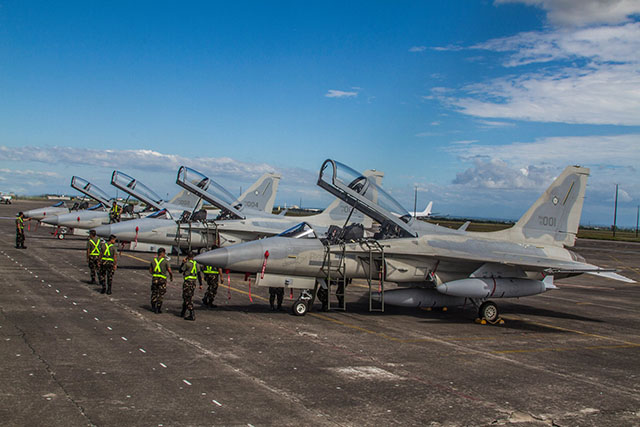
Military Modernization Beyond Paper and Budgets. What does military modernization look like when it moves beyond policy documents and budget allocations and begins delivering results in real time? For the Philippine Air Force (PAF), the answer is increasingly visible in modern aircraft taking to the skies, replacing aging platforms that once defined the limits of national air power. In an era shaped by intensifying maritime tensions, gray-zone coercion, and some of the world’s most frequent natural disasters, air mobility has emerged not as a secondary capability but as a strategic necessity.
A Nation Under Dual Pressure: Security and Natural Disasters
The Philippines sits at the intersection of two relentless challenges: a deteriorating regional security environment and a domestic landscape repeatedly tested by typhoons, earthquakes, and humanitarian emergencies. From disaster relief operations following Super Typhoon Odette to sustained airlift missions across remote island provinces, the PAF has long been expected to do more with aircraft often stretched beyond their intended service lives. These realities have given renewed urgency to the Armed Forces of the Philippines (AFP) Modernization Program, particularly in airlift and rotary-wing aviation.
Why the Latest S-70i Black Hawk Delivery Matters
It is against this backdrop that the latest delivery of S-70i Black Hawk helicopters from Poland assumes strategic importance. Far more than a routine procurement, these aircraft represent a decisive step in reshaping the PAF’s operational backbone. Globally recognized for performance in combat zones, disaster response, and multinational operations, the Black Hawk delivers speed, payload, survivability, and reliability that legacy platforms could no longer sustain. In recent disaster responses, modern helicopters have consistently demonstrated that the hours saved in deployment directly translate into lives saved on the ground.
From Humanitarian Response to National Deterrence
The significance of the S-70i extends well beyond humanitarian missions. As the Philippines strengthens its posture in the West Philippine Sea and deepens defense cooperation with allies through exercises such as Balikatan, air mobility and rapid deployment have become indispensable enablers of deterrence and presence. The Black Hawk’s ability to move troops, sustain isolated outposts, and operate in austere environments reinforces domestic resilience while enhancing regional security cooperation.
Ending the Era of Aspirational Modernization
Equally important, the delivery reflects a broader institutional shift. For decades, military modernization in the Philippines was often discussed in aspirational terms, delayed by fiscal constraints and competing priorities. Today, the integration of new-build S-70i Black Hawks—manufactured by PZL Mielec in Poland—into active squadrons signals that modernization is no longer theoretical. It is operational, measurable, and aligned with real-world security and humanitarian demands.
Bridging Strategy and Readiness in the Philippine Air Force
The arrival of the latest Black Hawks demonstrates how air power modernization bridges the gap between strategy and readiness. It reflects a PAF that is not merely upgrading equipment, but redefining how it responds to crises, defends national sovereignty, and operates as a credible partner in an increasingly contested region.
AFP Modernization Program and the Central Role of Air Mobility
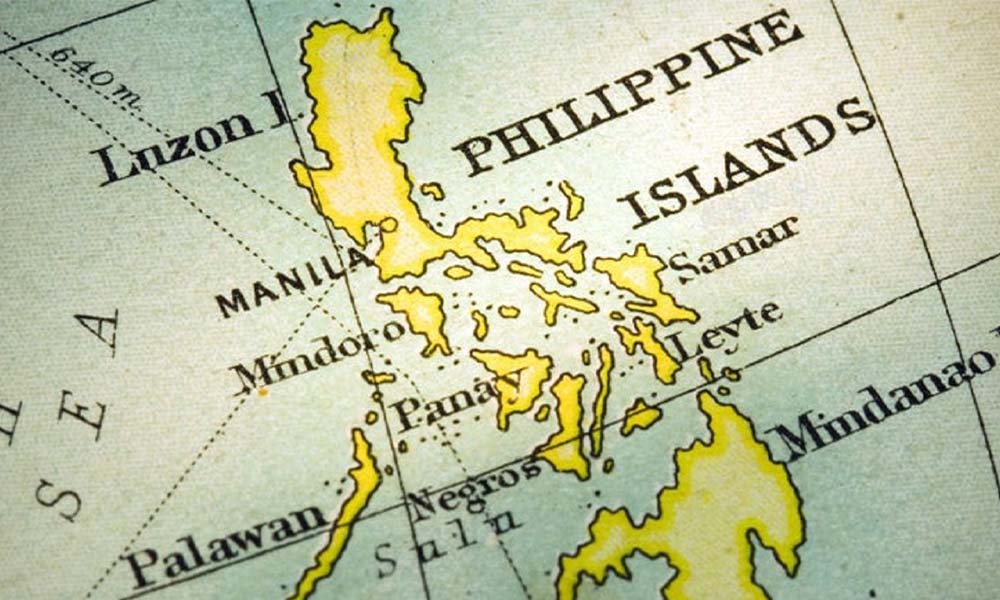
Central to this transformation is the AFP Modernization Program, which has evolved from a conceptual framework into a phased capability-building effort. The program recognizes that air mobility is not a luxury but a necessity for national defense, disaster response, and sovereignty protection. In a country comprising more than 7,600 islands, helicopters are often the primary means of rapidly transporting troops, equipment, and humanitarian aid.
Operating in One of the World’s Most Demanding Environments
The strategic value of the Black Hawk fleet is best understood within the Philippines’ operational environment. The country experiences more than 20 typhoons annually, alongside earthquakes, flooding, landslides, and volcanic activity. At the same time, maritime security challenges in the West Philippine Sea require sustained presence, rapid troop rotation, and logistical support to remote outposts. The S-70i is uniquely suited to operate across this full spectrum of missions.
Lessons Learned from Aging Helicopter Fleets
The acquisition falls under the Revised AFP Modernization Program, particularly Horizon 2 and Horizon 3, which emphasize mobility, survivability, and force projection. These priorities were shaped by hard lessons from past operations, where limited lift capacity delayed relief efforts and highlighted the risks of prolonged reliance on aging UH-1 Huey helicopters that had exceeded their intended service lives.
Why the Philippines Chose the S-70i Black Hawk
The decision to select the S-70i Black Hawk was grounded in operational practicality and long-term sustainability. With millions of flight hours worldwide across combat, peacekeeping, and humanitarian missions, the Black Hawk family offers a proven platform with a mature global support ecosystem. For the PAF, this translates into lower operational risk, predictable lifecycle costs, and improved interoperability with allied forces. China Fires Flares at Philippines Aircraft as EW Warfare Goes Live in the Spratlys
Building a Standardized Black Hawk Fleet
Procurement began with a 2019 contract, followed by deliveries between 2020 and 2023. Subsequent follow-on orders have brought the fleet to more than 30 aircraft—a transformative scale that allows the PAF to operate a standardized helicopter fleet rather than a fragmented mix of platforms. Standardization simplifies training, maintenance, and logistics while improving overall readiness.
Poland’s Role and Defense Supplier Diversification
A distinctive feature of the acquisition is Poland’s role as the manufacturing source. The S-70i helicopters are produced by PZL Mielec, a Lockheed Martin subsidiary and key node in the global Black Hawk production network. New-build aircraft, NATO-standard manufacturing, and quality assurance enhance reliability while supporting Manila’s broader goal of diversifying defense suppliers without sacrificing interoperability.
Technical Leap Forward: Performance and Capability
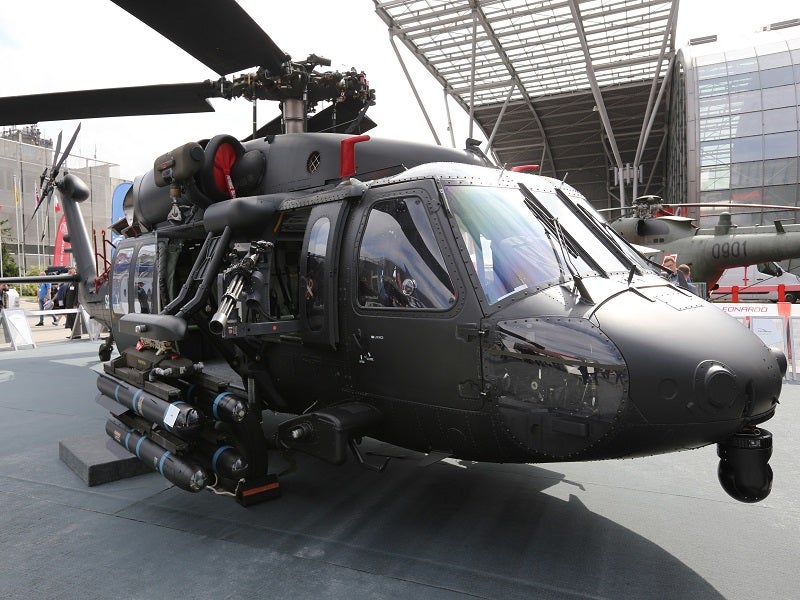
Technically, the S-70i represents a generational leap. Powered by twin GE T700-GE-701D engines, it delivers strong performance in hot, humid, and high-altitude conditions. With an external payload capacity of around 4,100 kilograms, a cruising speed of roughly 280 km/h, and a range approaching 590 kilometers, the aircraft enables rapid response across the archipelago.
Safety, Avionics, and Crew Survivability
Equally significant are the aircraft’s avionics and survivability features. A modern glass cockpit, advanced navigation systems, secure communications, and night-vision compatibility reduce pilot workload and improve situational awareness. Crashworthy seating, fuel systems, and structural design significantly enhance crew safety compared to legacy helicopters.
Multi-Role Missions Across the Archipelago
Operationally, the S-70i is a true multi-role platform. Its missions include troop transport, search and rescue, medical evacuation, and humanitarian assistance and disaster relief. In major typhoons, a single Black Hawk can move relief supplies that would otherwise require multiple smaller aircraft, dramatically reducing response time.
Supporting Joint Operations and Allied Interoperability
Beyond primary missions, the Black Hawk supports logistics resupply, command-and-control functions, and participation in joint and multinational exercises such as Balikatan. These roles enhance the PAF’s credibility and interoperability with allied forces.
Measurable Gains in Readiness and Response
The impact on readiness has been immediate. Rapid deployment has improved, aircraft availability rates have increased, and maintenance downtime has decreased. For a force operating under constant demand, these gains translate directly into lives saved and missions completed.
Air Mobility as a National Strategic Asset
PAF leadership has emphasized that readiness is a practical outcome. Mission-capable aircraft allow swift responses to disasters and security contingencies alike. In an archipelagic nation, air mobility has become a national strategic asset.
Regional Impact and Southeast Asian Security
Regionally, the expanded Black Hawk fleet positions the Philippines as a more capable security actor in Southeast Asia. Investment in credible modernization strengthens collective security and reassures partners of Manila’s commitment to responsible defense development.
Training, Sustainment, and Long-Term Challenges
Long-term success depends on training, logistics, and sustainment. While challenges remain—particularly lifecycle costs, infrastructure needs, and funding discipline—the program has already demonstrated the importance of structured oversight and planning.
The Future of PAF Rotary-Wing Operations
Looking ahead, the S-70i is set to remain the backbone of PAF rotary-wing aviation. Future upgrades, additional acquisitions, and deeper integration with ISR and command systems are likely.
Conclusion: A Strategic Investment with Lasting Impact
The latest delivery of S-70i Black Hawk helicopters represents far more than an equipment upgrade. It is a strategic investment in national defense, disaster resilience, and institutional modernization. By enhancing mobility, safety, and operational flexibility, the Black Hawk strengthens the Philippine Air Force’s ability to respond swiftly to crises, defend national interests, and operate confidently alongside regional and global partners—proof that sustained, well-aligned investment can deliver lasting transformation.