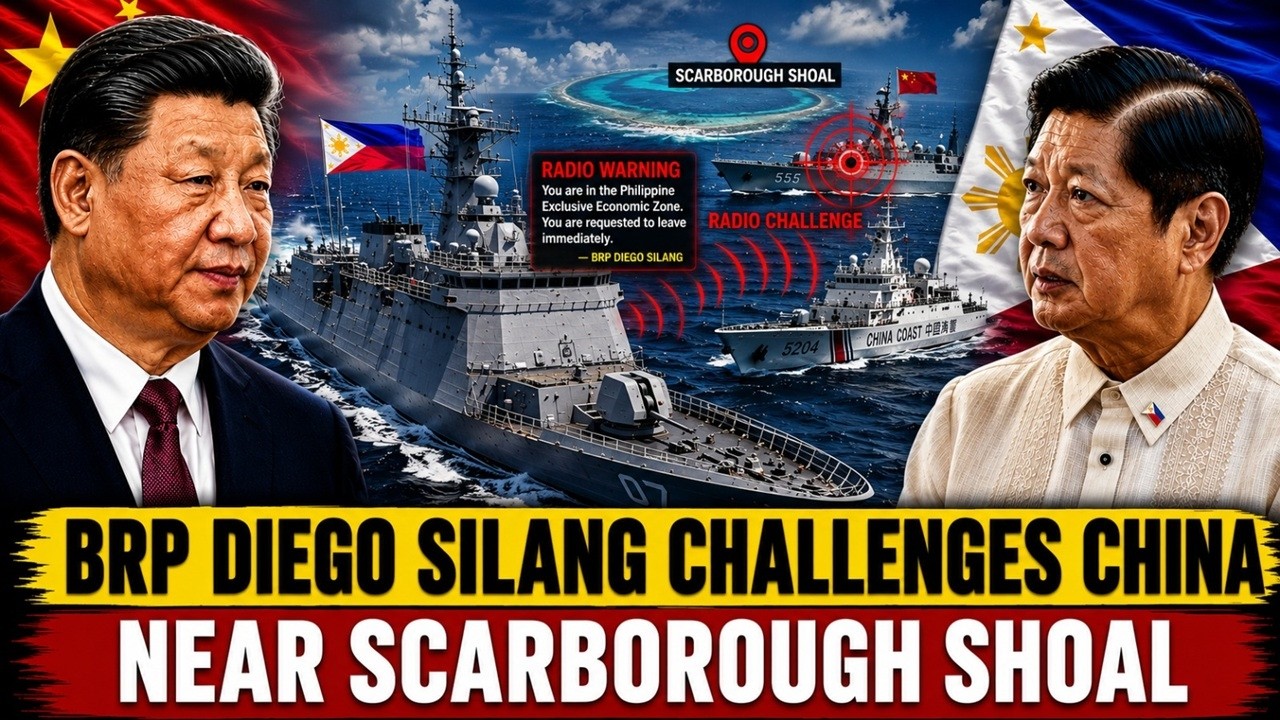
BRP Diego Silang Challenges China Near Scarborough Shoal in the South China Sea
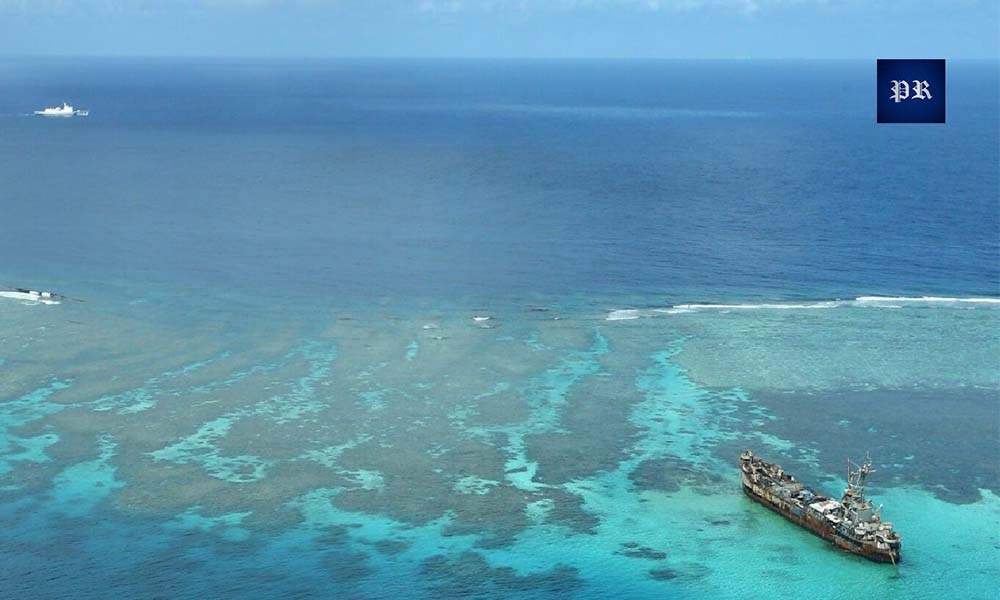
The Philippines’ New Maritime Confidence For years, the South China Sea has been one of the world’s most contested regions. The Philippines has faced increasing pressure from China’s growing maritime presence, especially around areas such as Scarborough Shoal and the West Philippine Sea.
But a major shift is underway. The arrival of modern naval platforms like BRP Diego Silang shows that Manila is moving from a reactive position toward a strategy built on presence, confidence, and deterrence.
A Radio Challenge With a Bigger Meaning
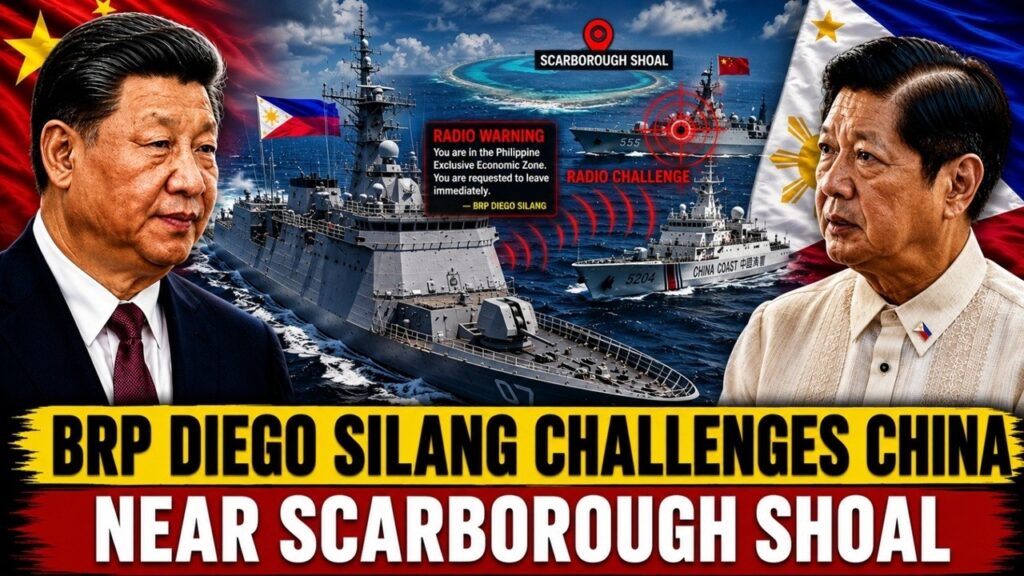
During a patrol near Scarborough Shoal, the Philippine Navy issued radio challenges to a Chinese naval frigate operating nearby. No shots were fired and no direct confrontation occurred, but the message was important: the Philippines is increasingly willing to actively monitor and assert its maritime rights.
In modern maritime competition, presence matters. A country cannot protect its interests only through it must maintain visible and consistent operations.
Why BRP Diego Silang Matters
BRP Diego Silang is one of the most advanced warships ever operated by the Philippine Navy. Built through cooperation with South Korea, the frigate represents a major improvement in Manila’s naval capabilities.
The ship provides better radar coverage, longer operational range, stronger communications, and improved ability to operate in contested waters. These capabilities allow Philippine sailors to conduct missions with greater confidence.
Japan Is Helping Transform Philippine Shipbuilding | China Is Watching
China’s Gray Zone Strategy in the South China Sea
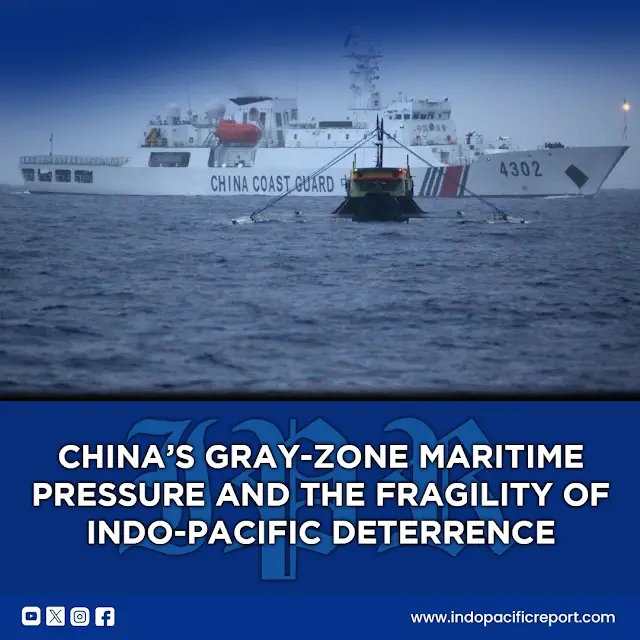
China’s maritime approach often combines different types of vessels, including coast guard ships, research vessels, and naval forces. This creates a layered presence designed to strengthen control without triggering open conflict.
This strategy is commonly described as gray zone competition — actions below the level of traditional warfare but designed to influence control and behavior at sea.
The Role of Alliances
The Philippines’ growing confidence is not only about new ships. It is also supported by stronger partnerships with countries including the United States, Japan, and Australia.
Security cooperation, military exercises, training, and defense assistance have increased Manila’s ability to monitor its waters and respond to challenges.
These partnerships create strategic depth and show that maritime security is no longer only a Philippine concern but a wider regional issue.
Transparency as a Strategic Tool
One of the Philippines’ strongest tools has been transparency. By releasing information about maritime encounters, publishing evidence, and documenting incidents, Manila has increased international awareness of activities in the South China Sea.
In gray zone competition, information matters. Documentation can shape diplomatic support and strengthen a country’s position in international discussions.
From Reaction to Persistent Presence
The Philippines is changing its maritime strategy. Instead of responding only after incidents happen, Manila is investing in regular patrols and stronger maritime awareness.
Defense modernization programs, new vessels, and increased cooperation reflect a broader goal: maintaining a consistent presence in areas where the Philippines believes it has legal rights.
The Challenges Ahead
Despite these improvements, major challenges remain. China possesses a much larger navy and coast guard force, meaning the Philippines must carefully balance firmness with avoiding unnecessary escalation.
Maintaining ships, training crews, and sustaining long-term patrol operations require significant resources. The future of Philippine maritime security will depend on continued investment and strong partnerships.
Conclusion: A New Chapter for the Philippines
BRP Diego Silang has not changed the entire balance of power in the South China Sea by itself. However, it represents something important: the growing ability and willingness of the Philippines to defend its interests through presence, professionalism, and cooperation.
The story of this warship is part of a larger transformation — a country building maritime capability, strengthening alliances, and ensuring that its voice is heard in one of the world’s most important strategic regions.
About IndoPacific Report
IndoPacific Report on website
Follow IndoPacific Report on Facebook
Watch our latest analysis on YouTube
BRP Diego Silang Challenges China Near Scarborough Shoal in the South China Sea