Philippines and US Build a Strategic Defence Network Near Taiwan to Deter China
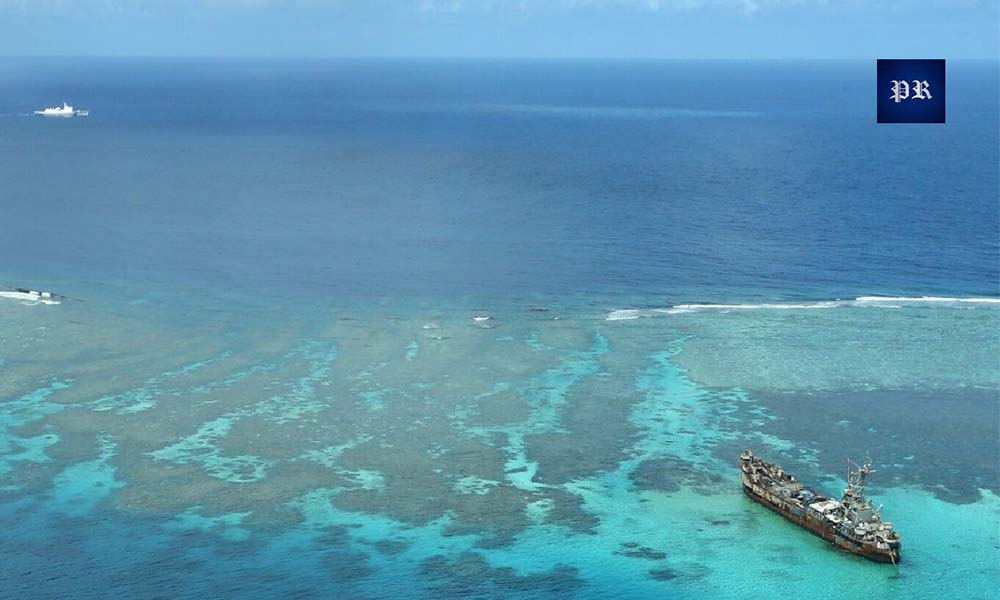
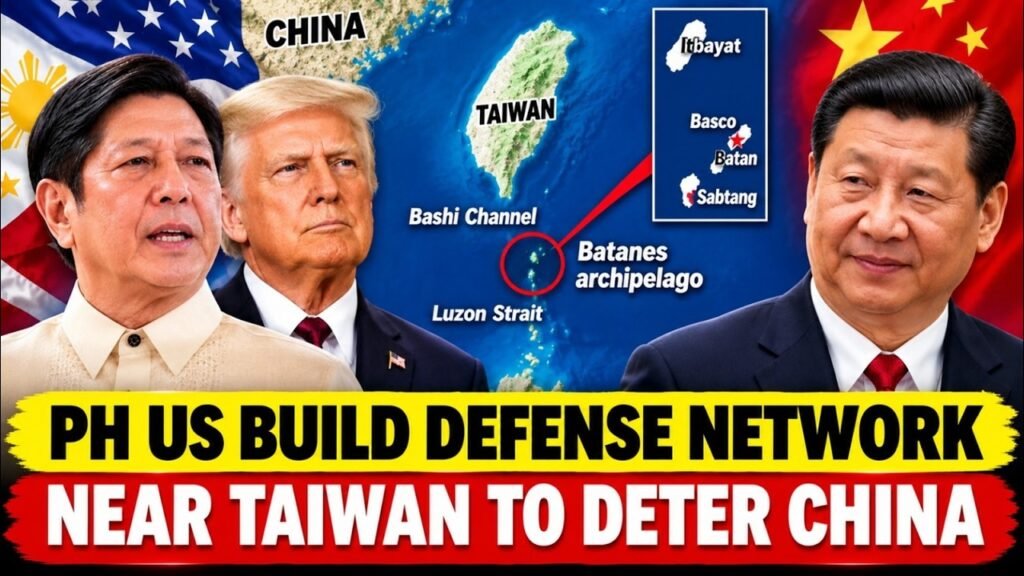
The strategic importance of the northern Philippines is growing as tensions surrounding Taiwan continue to shape the security environment across the Indo-Pacific. At the centre of this changing situation is Batanes, a remote Philippine island province located just south of Taiwan. Although Batanes has traditionally been known for its peaceful communities, fishing activities and geographical isolation, its location is now attracting increasing attention from military planners in both the United States and the Philippines. The islands occupy a strategically important position near the Bashi Channel, a maritime passage connecting the South China Sea with the western Pacific. This location makes Batanes relevant to regional naval movements, maritime surveillance and potential military operations during a Taiwan crisis. For China, access to the western Pacific remains an important strategic objective, while the United States and its regional partners are interested in maintaining awareness of military activity across these maritime routes.
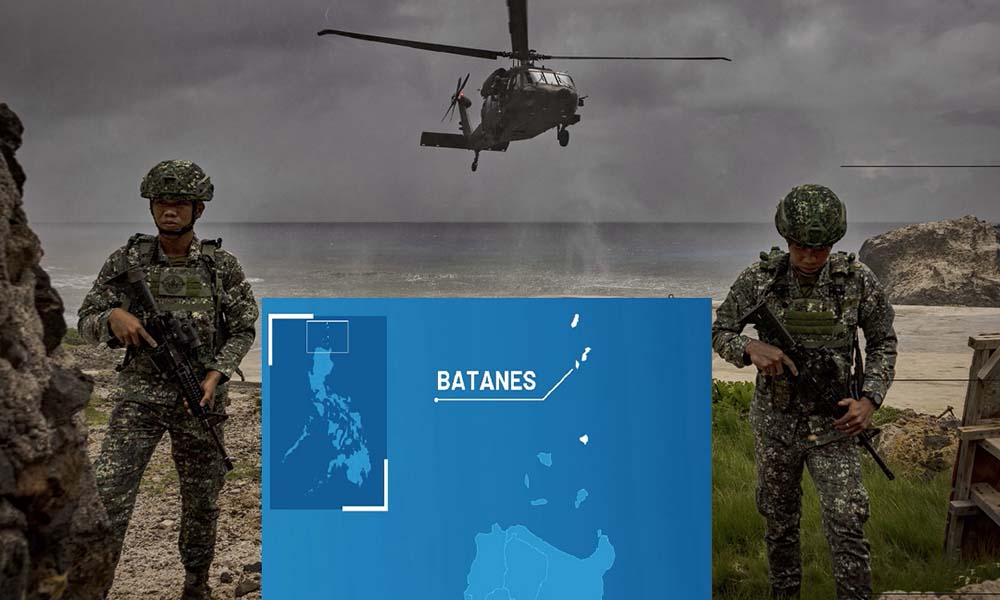
The Philippines is responding to this changing environment by strengthening its northern defence infrastructure, improving military facilities and expanding cooperation with the United States. Joint military exercises have also demonstrated how modern weapons systems and military personnel could operate across remote islands. These developments suggest that Batanes is becoming an increasingly important part of the Philippines’ wider defence planning. However, the issue goes beyond military deployments. The growing strategic importance of Batanes raises important questions about Philippine sovereignty, regional stability and the possibility of a wider conflict involving Taiwan. Manila must strengthen its ability to defend its territory while ensuring that its northern islands do not become unnecessarily exposed to a confrontation between major powers. Understanding the importance of Batanes therefore requires examining its geography, military infrastructure and position within the wider Indo-Pacific security environment.
Batanes Is Strategically Important in the Taiwan-China-US Rivalry
Batanes occupies a geographical position that gives it importance beyond its small population and remote location. Situated between the northern Philippines and southern Taiwan, the island group lies close to maritime routes that connect the South China Sea with the western Pacific. In a region where naval access, surveillance and military positioning increasingly influence strategic calculations, this geographical advantage has become more significant. China has been expanding its naval capabilities and seeking greater operational access beyond its immediate coastal waters. The western Pacific is important for Chinese maritime activity, including naval deployments and broader military operations. The United States, meanwhile, maintains security partnerships across the region and works with allies to monitor developments around important maritime passages. Batanes is relevant to both countries because of its location near the southern approaches to Taiwan.
For the Philippines, the strategic importance is even more direct. A serious military confrontation across the Taiwan Strait could affect Philippine territory, maritime transportation and national security. The country’s northern islands are geographically close to the potential conflict zone, meaning that military activity could take place near Philippine waters even if Manila does not participate directly in a war. This makes northern defence planning an important national security priority. The growing attention towards Batanes should not be understood as an indication that the Philippines intends to become a battlefield. Rather, it reflects the country’s need to prepare for changing regional security conditions. Stronger surveillance, reliable infrastructure and improved military coordination can help Manila protect its territory and respond more effectively to unexpected developments around Taiwan.
A Critical Maritime Passage Near Taiwan
The Bashi Channel is one of the most important geographical features behind Batanes’ growing strategic value. It separates Taiwan from the Batanes island group and forms part of the wider Luzon Strait, which connects the South China Sea to the western Pacific. Its position makes it relevant to naval movements, maritime surveillance and military planning involving China, Taiwan, the United States and the Philippines. For Chinese naval forces, the channel provides one of the maritime routes through which ships can move from waters near the Chinese mainland towards the Pacific. Access to these routes is important for China’s ability to expand its naval operations and operate beyond the immediate areas surrounding its coastline. During a Taiwan crisis, the movement of naval vessels through the Luzon Strait could become particularly important for military planning on both sides. For the United States and its partners, the same passage offers an important location for monitoring regional maritime activity. Awareness of naval movements around the Bashi Channel could help military planners understand how forces are being deployed and how developments around Taiwan might affect the wider western Pacific. The location also highlights the importance of cooperation with countries that occupy strategically positioned territory along the First Island Chain.
U.S Moved Military Aircraft to the Philippines Ahead of Trump’s Visit
However, the Bashi Channel should not be described as a waterway that the United States or the Philippines can automatically control or close. Its strategic importance comes from the ability to observe maritime activity, improve operational awareness and potentially influence military movements. Geography creates opportunities, but effective military operations also depend on surveillance, logistics, communications and the ability to maintain forces in difficult environments. This is why Batanes matters. Its location near the channel provides the Philippines with an opportunity to strengthen its maritime awareness and improve its ability to protect its northern approaches. It also gives Manila an important geographical position within the wider security arrangements involving Washington and other regional partners.
Mahatao Forward Operating Base Strengthens Philippine Defence
The Philippines is increasingly moving from strategic planning towards a more organised military presence in Batanes. One important development took place on August 28, 2025, when the Armed Forces of the Philippines’ Northern Luzon Command inaugurated a Forward Operating Base in Mahatao on Batan Island. The facility is intended to accommodate Philippine Navy and Marine units and support operations around the Batanes Strait. The base is designed to perform several responsibilities, including maritime monitoring, territorial defence and coordination with other government agencies. Its location provides Philippine forces with a more organised position from which to observe activity around the northern islands and respond to potential security concerns. It can also support humanitarian assistance and disaster response, which are particularly important in a province exposed to typhoons, earthquakes and transportation difficulties. Mahatao’s importance is not limited to its military role. Batanes is geographically isolated, and the movement of personnel, equipment and essential supplies can become difficult when weather conditions disrupt transportation. A forward operating facility can improve coordination between military units and local authorities while supporting emergency operations during natural disasters.
American military officers also showed interest in assessing the facility. Naval News reported that Philippine and American military officers conducted a joint assessment in December 2025, examining the base’s terrain, infrastructure and potential for future defence cooperation. Such assessments can help identify opportunities to improve interoperability and strengthen coordination between the two militaries. It is important, however, to distinguish between military cooperation and permanent American basing rights. Mahatao is a Philippine-controlled facility and is not one of the nine designated locations under the Enhanced Defense Cooperation Agreement, or EDCA. The joint assessment does not automatically make it an American military base or establish permanent US access to the facility. This distinction is important for understanding Manila’s defence policy. The Philippines is seeking to strengthen its own military presence in the north while benefiting from cooperation with Washington. Its objective is to improve national defence capabilities without giving up control over decisions concerning Philippine territory.
Ports, Airports and Infrastructure: The Foundation of Batanes Defence
Military strength depends on more than weapons and personnel. In a remote island province such as Batanes, infrastructure can be just as important as military equipment. Ports, airports, electricity, fuel storage and communication networks determine whether government agencies and military units can operate effectively during normal conditions as well as emergencies. Basco Port is one of the province’s important transportation connections with the rest of the Philippines. Improving port capacity could make it easier to transport food, fuel, construction materials and essential supplies. Better maritime infrastructure would also support fishing communities, commercial transportation and emergency response operations. During a regional crisis, reliable shipping connections could become particularly important for maintaining the daily needs of local residents. Basco Airport provides another essential connection. Improved aviation facilities could support civilian transportation, emergency evacuations, surveillance activities and military logistics. Because Batanes is separated from the country’s major population centres, air transportation plays an important role in connecting residents with healthcare, government services and other essential facilities.
Energy security is another major concern. The province’s dependence on diesel-based electricity generation makes fuel transportation and storage essential for maintaining everyday services. Any prolonged disruption to maritime transportation could affect fuel deliveries and create difficulties for households, businesses and government operations. Reliable electricity and sufficient emergency supplies would therefore strengthen both civilian resilience and national security. Communications infrastructure is equally important. Effective coastal surveillance requires reliable information-sharing between the Philippine Navy, Coast Guard, Marines and local authorities. Radar coverage, communication networks and monitoring facilities can help authorities identify maritime activity and coordinate an appropriate response. An October 2026 analysis by the Atlantic Council also highlighted the need to strengthen Batanes through wider infrastructure investment. Its discussion included ports, fuel storage, cold-chain facilities, power generation, communications and transportation. The analysis cited a population of approximately 18,937 residents, demonstrating that infrastructure development is not simply a military issue but also a matter of local economic and social resilience. A stronger Batanes will therefore depend on the government’s ability to maintain a connected, supplied and economically functional province. Investment in infrastructure can improve defence preparedness while directly benefiting the people who live on these islands.
NMESIS and HIMARS: Why US Missile Systems Matter in Batanes
The military importance of Batanes became more visible during recent Balikatan exercises, when American forces deployed advanced mobile weapons systems to remote Philippine islands. Two systems attracting particular attention are the Navy-Marine Expeditionary Ship Interdiction System, commonly known as NMESIS, and the High Mobility Artillery Rocket System, or HIMARS. NMESIS is a mobile, ground-based anti-ship missile system designed to engage maritime targets from coastal positions. Its launcher is remotely operated and mounted on an unmanned Joint Light Tactical Vehicle. The system’s mobility allows military personnel to practise operating from different positions rather than relying entirely on permanent military installations. During Balikatan 2025, US Marines deployed NMESIS to Batan Island on April 26. The system was transported by a US Air Force C-130 aircraft, demonstrating how military equipment could be moved rapidly to a remote island environment. It was the first deployment of the fielded Marine Corps NMESIS system to the Philippines. The exercise focused on maritime key-terrain security and improving the ability of American and Philippine forces to operate together across geographically dispersed locations.
HIMARS adds another capability to this evolving military environment. The High Mobility Artillery Rocket System is a mobile precision rocket artillery platform that can engage selected ground targets using different types of ammunition. Its mobility and air-transportability make it suitable for expeditionary military operations, particularly in areas where conventional ground transportation is limited. During Balikatan 2026, US forces deployed both NMESIS and HIMARS to Itbayat in Batanes. According to USNI News, the systems were transported by C-130 aircraft and inserted and extracted from the island as part of exercises designed to demonstrate the rapid movement of long-range military equipment into remote locations. The wider Balikatan exercise involved approximately 17,000 personnel from participating countries between April 20 and May 8, 2026. The strategic importance of these deployments lies in mobility and operational flexibility. Forces operating across an island environment may need to move equipment quickly, use different locations and maintain coordination despite geographical challenges. Mobile systems can reduce dependence on a small number of fixed facilities and make military planning more complicated for a potential adversary. However, exercise deployments should not be confused with permanent military stationing. The presence of NMESIS and HIMARS during Balikatan does not establish that these systems are continuously based in Batanes or that a permanent wartime mission has been authorised. It demonstrates operational training and the ability to move equipment into remote locations when required. For China, the broader concern may be that closer US-Philippine cooperation could create additional opportunities to monitor maritime movements and complicate the operations of Chinese naval forces near the Luzon Strait. Nevertheless, these capabilities do not give the Philippines automatic control over the Bashi Channel. Their importance lies in strengthening operational options and improving deterrence.
First Island Chain and the Wider US-Philippines Defence Network
Batanes is not an isolated military location. Its strategic value becomes more significant when considered alongside the wider network of Philippine military facilities, airfields, naval installations and logistical connections across northern Luzon. This broader network forms part of the security environment commonly associated with the First Island Chain. The First Island Chain stretches through Japan, Taiwan and the Philippines towards maritime Southeast Asia. It has considerable strategic importance because it includes several geographical positions close to China’s maritime approaches. For Washington and its regional partners, cooperation across this area can improve surveillance, military coordination and the ability to respond to developments in the western Pacific. An important part of the US-Philippines defence relationship is the Enhanced Defense Cooperation Agreement. In 2023, the two countries expanded the arrangement by adding four locations, bringing the total number of designated EDCA sites to nine. These additional locations included Naval Base Camilo Osias, Lal-lo Airport, Camp Melchor F. Dela Cruz and Balabac Island. Three of the four newly added locations are situated in northern Luzon.
EDCA allows American forces access to designated Philippine military facilities for agreed activities, including infrastructure development, equipment pre-positioning and rotational deployments. These facilities remain under Philippine ownership and sovereignty. The agreement does not transform them into American sovereign military bases. Batanes itself is not an EDCA location. Mahatao’s forward operating base remains a Philippine facility, and the assessment conducted by American and Philippine officers should not be interpreted as a permanent basing agreement. Nevertheless, the geographical relationship between these locations is strategically important. Northern Luzon provides military and logistical infrastructure, designated EDCA facilities support agreed cooperation between the two countries, and Batanes offers a forward position close to the Bashi Channel. Together, these locations can provide greater operational flexibility than a single isolated military facility. For the United States, this cooperation strengthens its ability to work alongside an important regional ally. For the Philippines, it creates opportunities to improve military training, infrastructure and national defence capabilities. For China, the development of a more connected defence network may increase concerns about American military access near its maritime approaches.
Japan and Australia Expand Regional Security Cooperation
The changing security environment around Taiwan is also encouraging the Philippines to strengthen cooperation with countries beyond the United States. Japan and Australia have become increasingly relevant to regional security discussions, particularly through military exercises, defence agreements and maritime cooperation. Japan’s relationship with the Philippines has expanded significantly. One important development was the Reciprocal Access Agreement, which entered into force on September 11, 2025. The agreement provides a framework for facilitating visits and activities involving the armed forces of both countries. It creates additional opportunities for defence cooperation, training and military coordination. During Balikatan 2026, Japanese forces participated in maritime strike training in Paoay, Ilocos Norte, involving the Type 88 surface-to-ship missile system. This marked Japan’s first participation in live-fire anti-ship missile training in the Philippines during the exercises. The development highlighted the growing importance of maritime security cooperation between Manila and Tokyo.
Australia has also participated in major Philippine-US military exercises, contributing to multinational training and improving interoperability between participating forces. Its involvement reflects broader regional concerns about maritime security, freedom of navigation and the stability of the Indo-Pacific. However, cooperation between the Philippines, Japan, Australia and the United States should not automatically be described as a single formal military alliance directed against China. Each country has its own security interests, legal obligations and political considerations. Their participation in military exercises does not mean that every country has agreed to become involved in a possible Taiwan conflict. The wider cooperation nevertheless demonstrates that regional governments are paying greater attention to the possibility of instability around Taiwan. Their challenge is to strengthen deterrence and improve preparedness without creating unnecessary tensions that could make a crisis more difficult to manage.
China’s Growing Attention Towards Batanes and the Northern Philippines
China’s response to developments around Batanes is an important part of the wider strategic picture. As the Philippines strengthens its northern military infrastructure and expands cooperation with Washington, Beijing has reasons to monitor activities around the Luzon Strait more closely. According to Channel NewsAsia’s October 15, 2026 report, the Philippine Coast Guard challenged a Chinese research vessel near Batanes on October 1. Manila accused the vessel of conducting unauthorised marine scientific research and stated that a Chinese Coast Guard vessel had sought to shield the research ship. Beijing maintained that the research vessel was conducting normal operations in waters under China’s jurisdiction. Earlier, in May 2026, the Philippine National Maritime Council reported two Chinese research vessels operating near Itbayat. Such incidents demonstrate why maritime monitoring has become increasingly important for the Philippine government. Research vessels, coast guard ships and naval forces can all become part of wider strategic competition, even when individual encounters do not involve direct military confrontation. Another sensitive development emerged in June 2026, when Chinese scholars at Jinan University questioned Philippine sovereignty over Batanes and discussed historical arguments that could potentially support a Chinese claim. These arguments later received attention in Chinese state media. The Philippine Department of National Defense and Department of Foreign Affairs rejected the claims as baseless, according to the Atlantic Council.
It is important to distinguish academic arguments and media discussions from official government policy. The arguments raised by individual scholars do not, by themselves, establish an official Chinese government sovereignty claim over Batanes. From Beijing’s perspective, the growing American military presence and expanding defence cooperation in northern Philippines could create additional opportunities for allied surveillance and complicate Chinese naval operations near the Luzon Strait. From Manila’s perspective, these concerns make it more important to strengthen maritime awareness and protect national sovereignty. China does not necessarily need to use direct military force to exert pressure in this environment. Coast guard activities, research vessels, diplomatic protests and information campaigns can all influence regional tensions. For the Philippines, the challenge is to respond firmly while avoiding unnecessary escalation.
Taiwan Conflict: Why the Philippines Cannot Ignore a Regional War
A possible conflict over Taiwan would have consequences far beyond the island itself. The geographical position of the Philippines means that military operations around the Taiwan Strait could affect its northern territory, maritime routes and national security even if Manila decided not to participate in the fighting. Batanes and northern Luzon could become important areas for monitoring military movements and responding to regional developments. Naval forces from China and the United States might operate in nearby waters, while military aircraft and other assets could increase activity across the wider region. This would place additional pressure on the Philippines to maintain surveillance, protect its territory and manage potential security incidents. The economic consequences could also be serious. A major confrontation around Taiwan could disrupt regional shipping, aviation, trade and energy transportation. The Philippines depends on international maritime connections for essential supplies, and any prolonged disruption could affect fuel deliveries, commercial activity and economic stability. The situation is particularly important because many Filipino nationals live and work in Taiwan. If tensions escalated into military conflict, the Philippine government could face the difficult task of protecting and evacuating its citizens. This would require careful coordination involving air transportation, maritime routes, emergency reception facilities, medical services and humanitarian assistance.
The country’s defence planning must therefore consider both military and civilian requirements. Protecting Filipino citizens, maintaining transportation links and ensuring the safety of communities in northern provinces would become important national priorities during a Taiwan crisis. At the same time, preparing for such a possibility does not mean that the Philippines has committed itself to participating in a war. Manila has a Mutual Defense Treaty with Washington, but developments around Taiwan do not automatically trigger an American-Philippine military response. The treaty’s application depends on the specific circumstances, including the nature and location of an armed attack. Similarly, the presence of American forces in the Philippines does not automatically authorise every possible military operation against China from Philippine territory. Decisions involving the use of national facilities would raise important questions concerning Philippine sovereignty, alliance obligations and domestic political considerations. This creates a difficult balancing act for Manila. The government must prepare for a crisis that could affect its territory and citizens while avoiding unnecessary actions that might increase the possibility of becoming directly involved in a wider conflict.
The Risks of Militarising Batanes: Security, Sovereignty
Strengthening Batanes’ defence capabilities may improve the Philippines’ ability to protect its northern territory, but greater military importance can also create new vulnerabilities. If the islands become more closely connected to regional military operations, their infrastructure and strategic facilities could attract greater attention during a major confrontation. Ports, airports, communication networks and military installations could become important locations in a crisis. Their strategic value may also increase the risks faced by local communities if tensions escalate. This does not mean that Batanes will inevitably become a military target, but it highlights the need to consider civilian safety alongside defence planning. There is also a risk of a regional security dilemma. The Philippines strengthens its military infrastructure to improve national security. The United States expands joint exercises and deploys mobile systems for training purposes. China interprets these developments as a potential expansion of American military access and responds with greater maritime or diplomatic pressure. Manila then faces additional reasons to strengthen its defence capabilities. Such developments can create a cycle of mistrust even when each government describes its actions as defensive. This is why communication, transparency and careful diplomatic management are important for reducing the possibility of accidental escalation.
The interests of Batanes residents must remain central to any long-term strategy. The province is home to communities whose livelihoods depend on fishing, transportation, local businesses and access to essential services. Its population should not be treated merely as part of a military calculation involving larger powers. Infrastructure investment must therefore provide direct benefits to local people. Better ports can support commercial transportation and fishing activities. Improved airports can strengthen civilian connectivity and emergency evacuation capacity. Reliable electricity and communications can improve daily life while also supporting national security. The Atlantic Council’s emphasis on economic resilience highlights an important principle: a strong defence position depends partly on the ability of local communities to remain connected, prosperous and functional during difficult circumstances. Military readiness and civilian development should reinforce each other rather than compete for attention.
The Strategic Future of Batanes and the Indo-Pacific Balance
Batanes is entering a new phase in its strategic development. The establishment of the Mahatao Forward Operating Base, joint military assessments, NMESIS deployment during Balikatan 2025 and NMESIS and HIMARS activities during Balikatan 2026 all indicate that the Philippines is paying greater attention to its northern approaches. At the same time, infrastructure development, expanded cooperation with Japan and Australia and increasing maritime activity near the islands are adding new dimensions to the regional security environment. These developments suggest that Batanes will remain relevant to discussions about Taiwan, the First Island Chain and the future of US-Philippines military cooperation. One possible direction is the development of a stronger Philippine-led defence network. Under this approach, Manila would continue investing in its own military facilities, surveillance systems, transportation infrastructure and coastal-defence capabilities. International partners could provide training and technical support, while the Philippines would retain control over decisions involving its territory.
Another possibility is deeper operational integration between the Philippines and its regional partners. More frequent exercises, improved communications and coordinated logistical planning could create a more connected defence network across northern Luzon and the wider First Island Chain. Such cooperation could strengthen deterrence but would also require careful political and diplomatic management. A third possibility is increasing strategic pressure from China. If Beijing becomes more concerned about the military implications of developments in Batanes, it could increase maritime operations, diplomatic pressure or other forms of regional engagement. More frequent encounters could make the security environment increasingly complicated for Manila. These possibilities are scenarios rather than predictions. Their likelihood will depend on decisions made by governments, developments around Taiwan and the broader balance of power in the Indo-Pacific. The central challenge for the Philippines will be to improve its ability to defend national territory without sacrificing strategic independence or exposing its population to unnecessary risks.
Conclusion
Batanes was once viewed mainly as a remote province on the northern edge of the Philippines. Today, its location near Taiwan and the Bashi Channel has made it an increasingly important part of regional security discussions. China’s expanding naval capabilities, American military cooperation with Manila and the strategic importance of the First Island Chain have all contributed to this change. The Mahatao Forward Operating Base represents a stronger Philippine military presence in the north, while NMESIS and HIMARS deployments demonstrate how modern military systems can operate across remote island environments. Infrastructure investment could further strengthen the province’s resilience, and cooperation with Japan, Australia and the United States may provide additional opportunities to improve regional defence coordination. However, the future of Batanes should not be measured only by the number of military systems deployed on its islands. Its importance also depends on whether the Philippines can maintain reliable infrastructure, protect local communities, preserve national sovereignty and manage relations with neighbouring powers.
The Philippines has a legitimate interest in defending its northern territory and preparing for possible regional instability. At the same time, military preparedness must remain balanced with diplomacy, economic development and civilian protection. Batanes should become a stronger and more resilient part of the Philippines, not simply a frontline in a confrontation between major powers. Ultimately, the real strategic test will be whether Manila can strengthen its defence capabilities while maintaining its freedom to make independent decisions. If tensions over Taiwan intensify further, Batanes could become one of the most important locations in the Philippines’ northern defence network. Whether it serves primarily as a position of deterrence or becomes more exposed to regional conflict will depend on the decisions made in Manila, Washington and Beijing.
About Indo-Pacific Report
For more geopolitical analysis, strategy coverage, and Indo-Pacific security reporting, visit Indo-Pacific Report:
Website
Facebook
YouTube