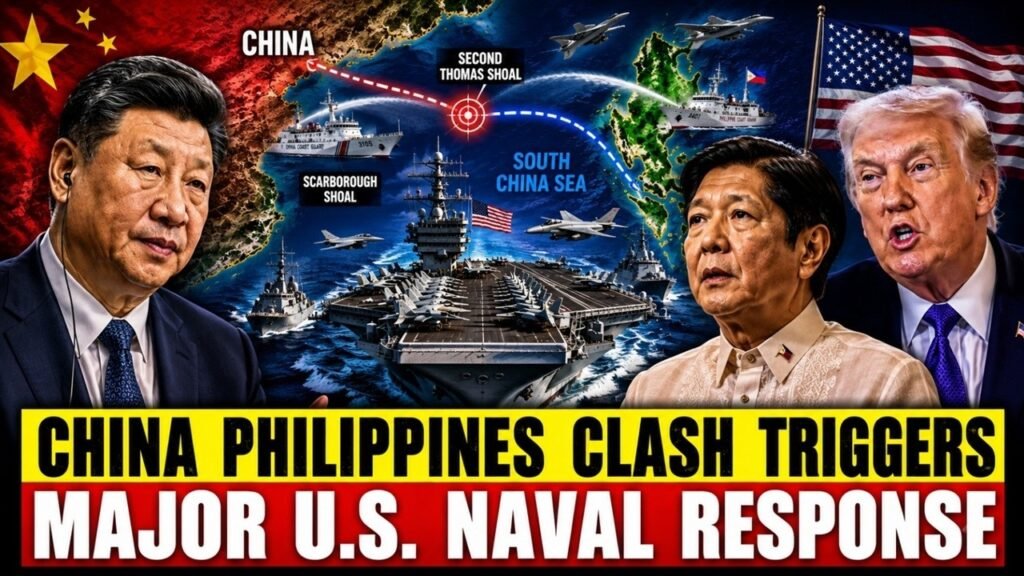
China-Philippines CLASH Triggers Major U.S. Naval Response in the South China Sea!
The South China Sea has once again become the focal point of growing geopolitical tensions, with China and the Philippines edging closer to one of their most serious confrontations in recent years. A violent encounter at the disputed Second Thomas Shoal, which left a Philippine Navy SEAL injured, has intensified regional security concerns and drawn renewed international attention to one of the world’s most contested maritime regions.
The incident did not occur in isolation. It was part of a broader pattern of increasingly aggressive encounters between Chinese and Philippine vessels over competing territorial claims. For several years, the South China Sea has witnessed repeated confrontations involving water cannon attacks, dangerous maritime maneuvers, and the obstruction of Philippine resupply missions. However, the latest clash marked a significant escalation because it reportedly involved direct physical violence between personnel from both sides.
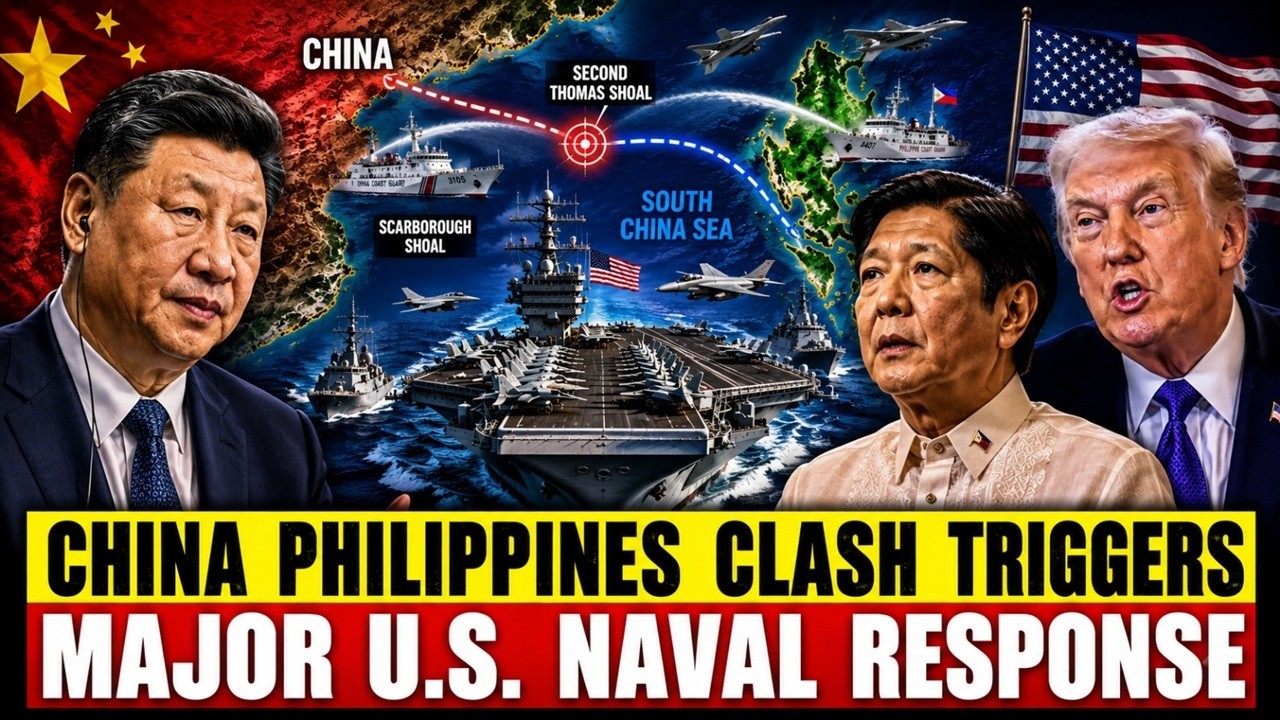
Only days after the confrontation, the USS George Washington Carrier Strike Group, the United States’ only permanently forward-deployed aircraft carrier, entered the South China Sea after operating for nearly two months in the Philippine Sea. Although U.S. officials described the deployment as part of routine Indo-Pacific operations, its timing immediately sparked debate among security analysts and regional observers. Many viewed the carrier’s arrival as a clear signal of Washington’s commitment to supporting its treaty ally, the Philippines, during a period of heightened regional instability.
The deployment comes at a time when strategic competition between the United States and China is reshaping the Indo-Pacific security landscape. While Beijing continues to assert its expansive maritime claims through an increased presence of the China Coast Guard and People’s Liberation Army Navy (PLAN), Washington has strengthened defense cooperation with allies and partners, including the Philippines, Japan, and Australia. This growing military activity reflects a broader struggle over freedom of navigation, international law, and the balance of power in Asia.
China–Philippines Tensions Reach a Dangerous New Level
The latest confrontation between China and the Philippines marks a significant turning point in the long-running dispute over the South China Sea. While both countries have experienced repeated maritime incidents over the past decade, the clash at Second Thomas Shoal (Ayungin Shoal) was widely viewed as one of the most serious encounters to date because it involved direct physical violence rather than the usual use of water cannons, dangerous maneuvers, or vessel collisions.
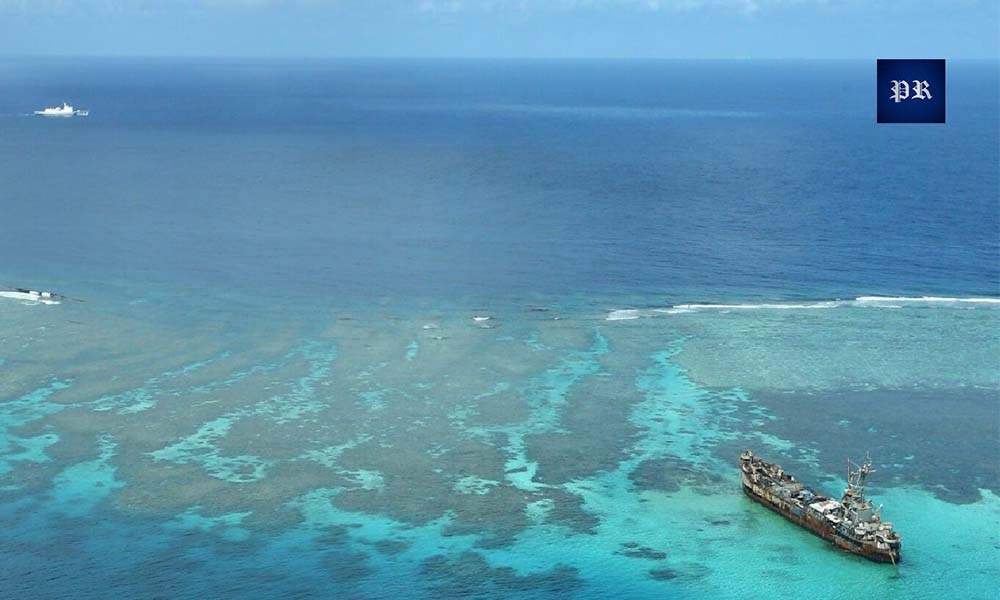
The incident occurred during a Philippine resupply mission to the BRP Sierra Madre, a World War II-era landing ship intentionally grounded on Second Thomas Shoal in 1999. The vessel serves as a military outpost that reinforces the Philippines’ claim over the feature, which lies well within Manila’s 200-nautical-mile Exclusive Economic Zone (EEZ). China, however, claims the shoal as part of its expansive “Nine-Dash Line” claim, making every Philippine resupply mission a source of confrontation.
According to Philippine authorities, Chinese Coast Guard personnel intercepted Philippine vessels and attempted to block the resupply operation. The encounter quickly escalated into close-quarters physical contact, with personnel reportedly using wooden batons and other improvised objects during the confrontation. A Philippine Navy SEAL sustained head injuries and required medical evacuation, making the incident one of the most serious physical clashes between the two sides in recent years.
The confrontation highlighted a noticeable shift in China’s operational approach. Instead of relying solely on water cannons or aggressive navigation tactics, Chinese personnel allegedly engaged directly with Philippine forces. Security experts believe this reflects Beijing’s increasingly assertive efforts to prevent Manila from strengthening its presence on disputed maritime features.
The tensions did not end at Second Thomas Shoal. Within days, Chinese Coast Guard vessels again confronted Philippine government ships near Scarborough Shoal, another strategically important feature in the South China Sea. Philippine authorities released videos showing water cannons, dangerous intercepts, and close-range maneuvers designed to disrupt routine government operations. Manila described these actions as violations of international law and filed fresh diplomatic protests against Beijing.
The dispute over Scarborough Shoal has remained a major flashpoint since 2012, when China effectively took control of the area following a prolonged standoff. Since then, Filipino fishermen have repeatedly reported restricted access to traditional fishing grounds, while Chinese maritime forces have maintained a near-permanent presence around the shoal. These recurring incidents have contributed to growing public concern within the Philippines regarding national sovereignty and maritime security.
Why the USS George Washington’s Deployment Matters
The arrival of the USS George Washington Carrier Strike Group immediately attracted international attention because it represents one of the United States’ most powerful military assets in the Indo-Pacific. Unlike aircraft carriers that deploy from the U.S. mainland, the USS George Washington is permanently forward-deployed in Yokosuka, Japan, allowing it to respond rapidly to emerging crises across East Asia and the Western Pacific.
Its forward presence provides Washington with a critical strategic advantage. Instead of requiring several weeks to cross the Pacific Ocean, the carrier can reach potential flashpoints such as the South China Sea, the East China Sea, or waters surrounding Taiwan within days. This rapid response capability strengthens U.S. deterrence and reassures regional allies during periods of heightened instability.
However, the aircraft carrier itself is only one part of a much larger combat formation. The Carrier Strike Group includes guided-missile destroyers, a guided-missile cruiser, advanced logistics support, submarines when assigned, and Carrier Air Wing Five, equipped with some of the world’s most sophisticated aircraft. These include F-35C Lightning II stealth fighters, EA-18G Growler electronic warfare aircraft, E-2D Hawkeye airborne early warning aircraft, and MH-60 Seahawk helicopters for anti-submarine and search-and-rescue missions.
Together, these assets create a highly flexible military force capable of conducting air superiority missions, intelligence gathering, missile defense, anti-submarine warfare, humanitarian assistance, disaster relief, and combat operations if required. Military analysts often describe a Carrier Strike Group as a mobile military base capable of projecting power far from friendly territory.
Ukraine’s Drone War Is Coming to the Philippines | What Happens Next?
Historically, aircraft carriers have played a central role in U.S. crisis management. During the 1996 Taiwan Strait Crisis, the United States deployed two carrier battle groups after China conducted missile tests near Taiwan. Although no military conflict occurred, the deployment demonstrated American resolve and helped stabilize an increasingly dangerous situation.
The Pattern Behind the Escalation
The recent confrontation between China and the Philippines should not be viewed as an isolated incident. Instead, it forms part of a broader pattern of steadily increasing tensions that has unfolded across the South China Sea over several years. Each new confrontation has gradually raised the level of risk, bringing regional powers closer to potential military miscalculation.
China has significantly expanded the activities of its China Coast Guard and maritime militia throughout disputed waters. These vessels regularly patrol contested areas, monitor foreign ships, challenge fishing operations, and attempt to prevent rival claimants from conducting resupply missions or energy exploration activities. Although these actions often remain below the threshold of open warfare, they create persistent pressure on neighboring states.
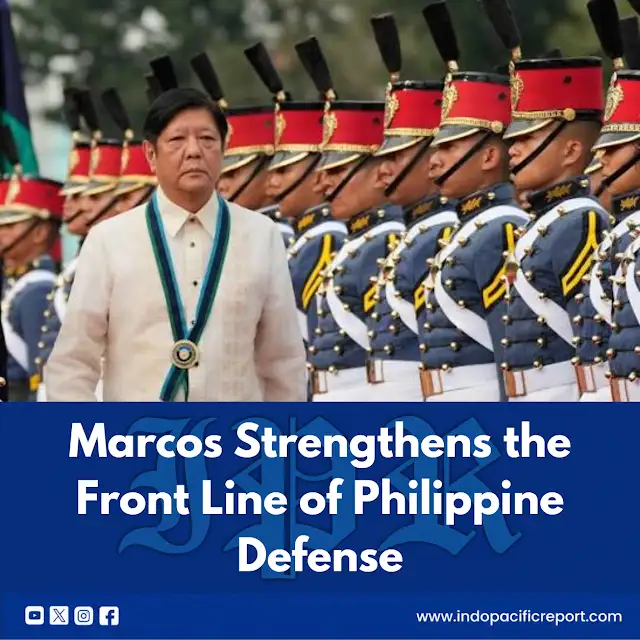
The Philippines has responded by increasing Coast Guard patrols, modernizing its armed forces, strengthening maritime surveillance, and expanding defense cooperation with allies. President Ferdinand Marcos Jr.’s administration has adopted a more transparent approach by publicly releasing videos and photographs of confrontations, drawing greater international attention to China’s activities.
Meanwhile, the United States has intensified security cooperation with Manila through expanded joint military exercises, increased rotational deployments, intelligence sharing, and implementation of the Enhanced Defense Cooperation Agreement (EDCA). Countries such as Japan and Australia have also increased their participation in multilateral maritime activities, reflecting growing concern over regional stability.
Another important trend has been the rise of Multilateral Maritime Cooperative Activities (MMCA) involving the United States, the Philippines, Japan, and other regional partners. These exercises demonstrate greater coordination among like-minded nations while reinforcing support for a rules-based international order in the Indo-Pacific.
Security analysts note that every confrontation now follows a familiar cycle. Chinese maritime forces increase pressure around disputed features, the Philippines protests and continues asserting its maritime rights, the United States publicly reaffirms its treaty commitments, allied naval activities increase, and China responds with additional patrols and diplomatic criticism. This repeating cycle has gradually intensified strategic competition without crossing into full-scale conflict.
America’s Strategy: Deterrence Instead of Conflict
The deployment of the USS George Washington Carrier Strike Group was not intended to prepare for war but to prevent one. This approach reflects a long-standing principle of U.S. military strategy known as deterrence—the idea that demonstrating credible military capability and political commitment can discourage an adversary from taking actions that could lead to armed conflict.
For Washington, maintaining a visible naval presence in the Indo-Pacific serves multiple strategic purposes. It reassures allies such as the Philippines, Japan, and South Korea that the United States remains committed to regional security while simultaneously signaling to potential adversaries that any attempt to alter the status quo through force could carry significant consequences.
Following the confrontation at Second Thomas Shoal, senior U.S. officials reaffirmed America’s support for Manila. Secretary of State Marco Rubio revealed that a U.S. Coast Guard cutter had already been operating in the area during the incident and helped facilitate the safe evacuation of the injured Philippine serviceman. His statement that the United States was “already present” reinforced Washington’s message that it would continue supporting its treaty ally in maintaining stability in the South China Sea.
The United States has repeatedly emphasized that its operations in the region are conducted under international law, particularly the principles outlined in the United Nations Convention on the Law of the Sea (UNCLOS). Although the United States has not ratified UNCLOS, it recognizes many of its provisions as customary international law and regularly conducts Freedom of Navigation Operations (FONOPs) to challenge what it considers excessive maritime claims.
Deterrence is not limited to military deployments. It also includes diplomacy, intelligence sharing, joint military exercises, defense agreements, and economic cooperation. The expansion of the Enhanced Defense Cooperation Agreement (EDCA), the growing scale of the annual Balikatan military exercises, and trilateral cooperation involving Japan all reflect Washington’s broader strategy of strengthening regional partnerships rather than relying solely on military force.
Military analysts argue that forward-deployed carrier strike groups reduce the likelihood of conflict by ensuring that the United States can respond rapidly to any crisis. Their presence increases situational awareness, enhances interoperability with allied forces, and provides political leaders with a wide range of response options before tensions escalate into open hostilities.
How China Views the U.S. Presence
From Beijing’s perspective, the growing presence of American military forces in the South China Sea represents a direct challenge to China’s national security and sovereignty. Chinese leaders have consistently argued that disputes in the South China Sea should be resolved through direct negotiations between regional countries rather than through the involvement of external powers such as the United States.
China bases its claims on historical maps and the so-called Nine-Dash Line, which covers most of the South China Sea. Although these claims were rejected by the 2016 Permanent Court of Arbitration ruling in favor of the Philippines, Beijing continues to reject the decision, insisting that the tribunal lacked jurisdiction and that its sovereignty over the disputed islands and surrounding waters remains indisputable.
Chinese officials frequently criticize U.S. naval operations, describing Freedom of Navigation Operations and carrier deployments as attempts to interfere in regional affairs. According to Beijing, repeated U.S. military patrols encourage rival claimants to adopt more assertive positions, making diplomatic solutions more difficult to achieve.
State media and government statements often portray the U.S. military presence as part of a broader strategy aimed at containing China’s rise. Chinese analysts argue that Washington is strengthening alliances across the First Island Chain—including Japan, South Korea, the Philippines, and Australia—to limit China’s ability to expand its influence in the Western Pacific.
In response to increased U.S. activity, China has continued modernizing the People’s Liberation Army Navy (PLAN), now recognized as the world’s largest navy by number of vessels. Beijing has also expanded the capabilities of the China Coast Guard and maritime militia, built artificial islands equipped with military infrastructure, and increased air and naval patrols across disputed waters.
About Indo-Pacific Report
For more geopolitical analysis, strategy coverage, and Indo-Pacific security reporting, visit Indo-Pacific Report:
Website
Facebook
YouTube
China-Philippines CLASH Triggers Major U.S. Naval Response in the South China Sea!