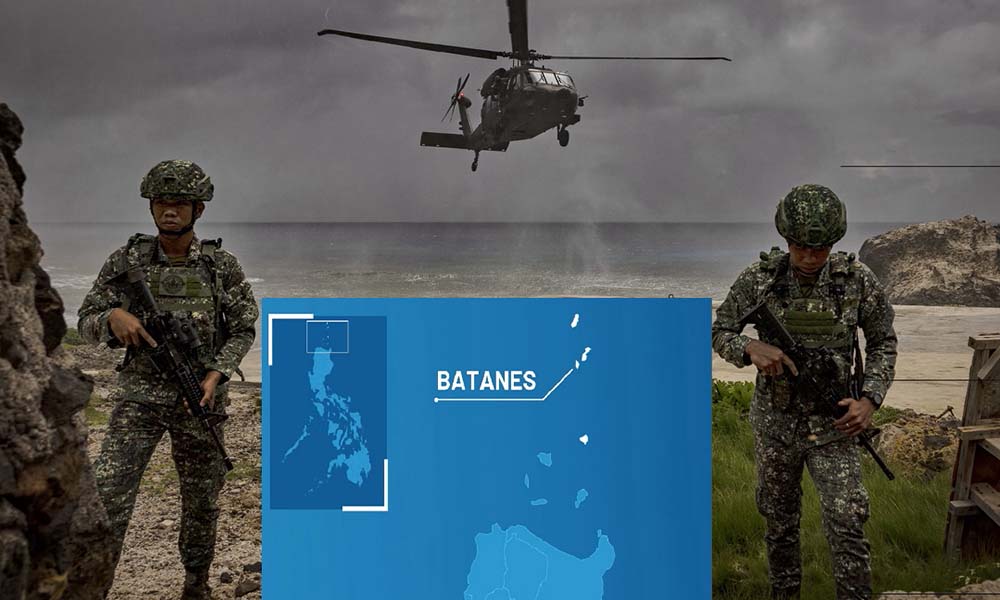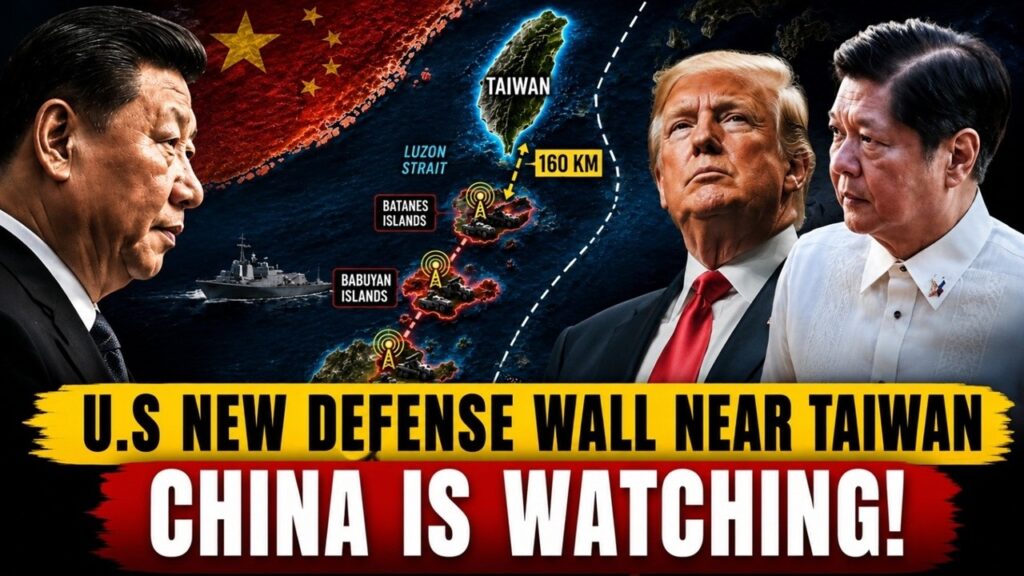
Why the U.S. and Philippines are Turning These Tiny Islands into a Wall
China has resumed large-scale land reclamation at Antelope Reef in the South China Sea. Explore what this means for regional security, maritime trade, and the Indo-Pacific.China’s New Artificial Island at Antelope Reef: What It Means for the South China Sea
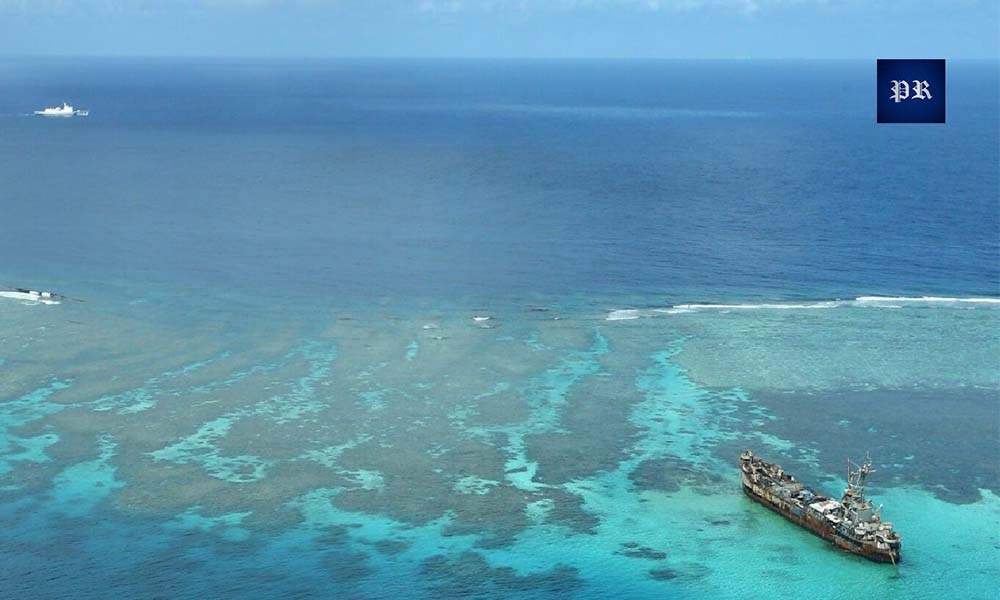
China has once again accelerated land reclamation in the South China Sea, this time at Antelope Reef in the Paracel Islands. Satellite imagery indicates rapid dredging and construction.
Antelope Reef is one of the strategically important features in the Paracel Islands, a disputed archipelago in the northern South China Sea claimed by China, Vietnam, and Taiwan. Although the reef itself remained mostly submerged for decades, its geographic position gives it exceptional military and economic value.
The reef lies close to some of the busiest maritime trade routes in the world. Every year, an estimated one-third of global maritime trade, valued at more than $3 trillion, passes through the South China Sea. Any country capable of maintaining a permanent presence near these shipping lanes gains significant influence over regional maritime security and commercial navigation.
Why Antelope Reef Matters
Although Antelope Reef was once a largely submerged coral formation, its location makes it strategically valuable. Positioned near important sea lanes, it can strengthen China’s logistical reach and support coast guard, surveillance, and maritime operations across the northern South China Sea.
The reef also occupies an advantageous location between China’s southern coastline and several existing Chinese outposts in the Paracel Islands. Once fully developed, it could serve as a logistics hub that allows Chinese Coast Guard vessels, maritime militia ships, and People’s Liberation Army Navy (PLAN) assets to operate farther from mainland bases while reducing response times throughout the northern South China Sea.
What Satellite Images Show
Independent satellite analysis indicates that large-scale reclamation began in late 2025. New reclaimed land, construction facilities, protected berths, and support infrastructure suggest that the project is advancing rapidly. Analysts believe the island could eventually rival or exceed the size of China’s previous artificial islands. Recent commercial satellite imagery has provided the clearest evidence yet that China is significantly expanding land reclamation activities at Antelope Reef. Images released by independent satellite providers show multiple dredging vessels operating continuously around the reef, pumping sand and sediment onto previously submerged coral formations to create new land.
The images reveal rapidly expanding reclaimed areas, temporary construction platforms, and newly established seawalls designed to protect the artificial island from erosion. Analysts note that the pace of construction appears much faster than the early stages of China’s previous island-building projects in the Spratly Islands during the mid-2010s.
Why China Now Sees Japan and the Philippines as America’s Frontline
Several support barges, engineering ships, and heavy construction equipment have also been observed operating around the site. Such equipment is typically used during the first phase of major island construction before permanent infrastructure such as administrative buildings, harbors, fuel depots, communications facilities, and military installations are added.
Satellite analysts also point to the creation of protected harbor areas capable of accommodating coast guard vessels and larger support ships. Although there is currently no confirmed evidence of a military runway, the amount of reclaimed land suggests that China is preserving the option to build additional infrastructure in the future if strategic requirements change.
Experts believe the development follows a familiar pattern seen at Fiery Cross Reef, Subi Reef, and Mischief Reef, where initial reclamation was followed by extensive construction of ports, hangars, radar systems, and logistics facilities. If this pattern continues, Antelope Reef could become another major operational outpost supporting China’s maritime presence across the northern South China Sea.
Strategic Implications
Artificial islands provide space for ports, storage, radar systems, communications equipment, and helicopter facilities. While no confirmed runway is under construction, the reclaimed land increases future infrastructure options. The development also strengthens China’s wider network of outposts throughout the South China Sea.
The project also complements China’s broader Anti-Access/Area Denial (A2/AD) strategy, which seeks to complicate military operations by potential adversaries. A network of interconnected artificial islands equipped with sensors and communications systems creates overlapping surveillance coverage that strengthens China’s maritime awareness.

Regional Response
China describes the project as development within territory under its administration. Vietnam disputes this claim and has criticized the reclamation. Other regional actors, including the United States and several Southeast Asian countries, continue to monitor developments because of their potential impact on regional stability and freedom of navigation.
The United States continues to monitor developments closely through intelligence collection, satellite surveillance, and naval patrols. Washington has consistently opposed coercive actions that alter the status quo in disputed waters and regularly conducts Freedom of Navigation Operations (FONOPs) throughout the South China Sea.
Several ASEAN members remain cautious in their public responses, preferring diplomatic engagement while emphasizing the importance of peaceful dispute resolution under international law. However, continued island construction adds pressure on ASEAN negotiations regarding a long-awaited Code of Conduct for the South China Sea.
Environmental Concerns
Large-scale dredging can permanently damage coral ecosystems and marine biodiversity. Environmental experts have repeatedly warned that extensive reclamation may have long-term ecological consequences.
Sediment released during dredging also spreads through surrounding waters, reducing sunlight penetration and smothering nearby coral colonies. This can disrupt fish populations, damage breeding grounds, and reduce biodiversity across large sections of the surrounding marine environment.
Healthy coral reefs play an essential role in supporting regional fisheries relied upon by coastal communities throughout Southeast Asia. Environmental degradation therefore has economic as well as ecological consequences, affecting food security and local livelihoods.
What Comes Next?
If construction continues, Antelope Reef could become another major operational hub supporting logistics, surveillance, and maritime presence. Regardless of its final configuration, the project demonstrates that infrastructure remains central to strategic competition in the South China Sea.
Diplomatic tensions are also expected to continue as competing territorial claims remain unresolved. Ongoing negotiations between China and ASEAN over a Code of Conduct could become increasingly important as infrastructure development accelerates across disputed waters.
Ultimately, Antelope Reef is likely to become another significant element of China’s broader maritime strategy, shaping security dynamics across the Indo-Pacific for years to come.
Final Analysis
Antelope Reef represents more than another construction project. It reflects how engineering, geography, and geopolitics increasingly intersect in one of the world’s most contested maritime regions. As regional powers respond, the island’s significance will extend well beyond its physical size.
For more Indo-Pacific geopolitical analysis, defense insights, and maritime security coverage, visit Indo Pacific Report and follow our Facebook and YouTube channels for regular updates.
The project also illustrates how modern geopolitical competition increasingly extends beyond traditional military deployments. Engineering, infrastructure investment, satellite surveillance, coast guard operations, and legal claims have become central tools in the contest for regional influence.
Whether Antelope Reef ultimately becomes a logistics hub, surveillance platform, or military outpost, its construction demonstrates that the South China Sea will remain one of the defining geopolitical flashpoints of the coming decade.
About Indo-Pacific Report
For more geopolitical analysis, strategy coverage, and Indo-Pacific security reporting, visit Indo-Pacific Report:
Website
Facebook
YouTube
Why the U.S. and Philippines are Turning These Tiny Islands into a Wall