China Just Claimed New Part of Philippines in Batanes of South China Sea!
The Indo-Pacific is rapidly becoming the center of global strategic competition. Recent U.S.-Philippines military activities in Northern Luzon, the Babuyan Islands, and Batanes highlight a shift toward distributed deterrence rather than large permanent bases. This article explains the strategy in clear, audience-friendly language.This wasn’t simply about improving military cooperation with the Philippines. It was about testing a completely different American approach to deterring conflict in the Western Pacific.
Instead of concentrating forces at a handful of massive military bases, U.S. Marines rehearsed operating in small, highly mobile teams that could disperse across remote islands, remain difficult to detect, and, if necessary, threaten hostile warships moving through critical maritime chokepoints.
For Washington, it’s a strategy designed to strengthen deterrence along the First Island Chain.
For Manila, it reinforces the defense of the country’s northern frontier.
And for Beijing, these same islands sit just outside one of China’s most sensitive strategic theaters—the Taiwan Strait.
So why are these quiet islands suddenly attracting the attention of military planners across the Indo-Pacific?
Because once you understand what the Marines were actually practicing…
you’ll understand why this deployment is about far more than another military exercise.
The United States is reshaping its military posture across the Indo-Pacific. Recent exercises in the northern Philippines, including Balikatan and KAMANDAG, have highlighted a new approach centered on smaller, highly mobile Marine units operating across strategically located islands. Rather than relying solely on large bases, the strategy emphasizes mobility, resilience, and cooperation with allies.
This article explains why islands such as Batanes, Itbayat, and the Babuyan Islands have become increasingly important, how the Marine Littoral Regiment fits into America’s evolving defense strategy, and why the Luzon Strait remains one of the world’s most strategically significant waterways.
Why the Northern Philippines Matters
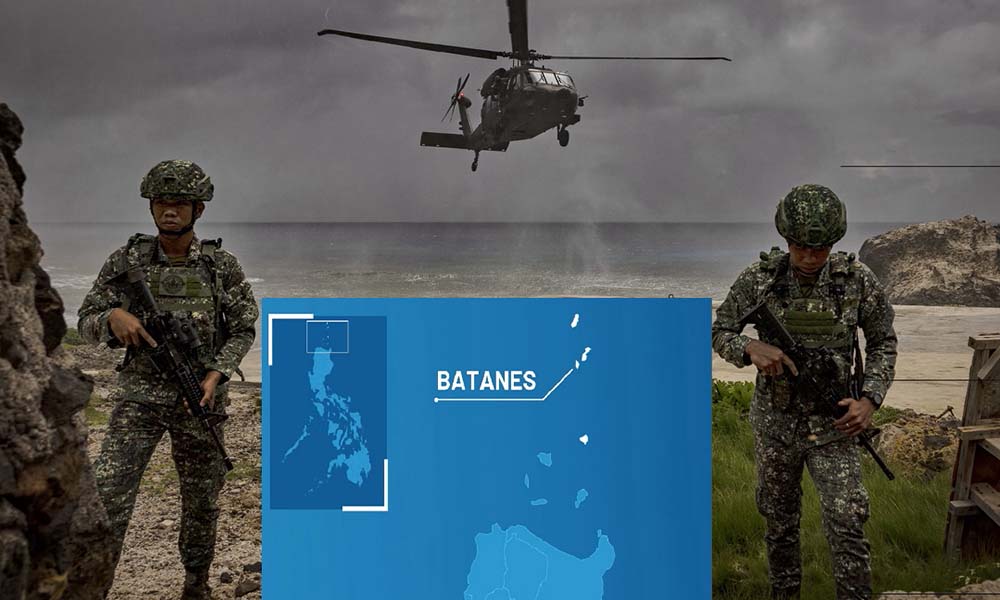
The Batanes island chain sits roughly 160 kilometers south of Taiwan and overlooks the Luzon Strait and Bashi Channel—key maritime routes linking the South China Sea with the Pacific Ocean. These waterways are essential for commercial shipping and are also strategically important for naval operations. Their geography makes them central to discussions about deterrence, maritime security, and regional stability.
Strategic Transformation
The U.S. Marine Corps has transformed under Force Design 2030, emphasizing small, mobile Marine Littoral Regiments capable of operating across islands using advanced sensors and anti-ship missiles. These deployments improve survivability while strengthening deterrence.
Why Batanes and the Luzon Strait Matter
Batanes sits only about 160 kilometers south of Taiwan, overlooking the Luzon Strait and Bashi Channel—critical sea lanes connecting the South China Sea and the Pacific. Control and monitoring of these waters are strategically important for regional security and trade.
The Marine Littoral Regiment
The 3rd Marine Littoral Regiment represents the U.S. Marine Corps’ Force Design 2030 transformation. Instead of concentrating forces in large fixed bases, these units are designed to disperse, relocate quickly, integrate sensors, and employ long-range anti-ship capabilities while remaining difficult to target.
Missiles, Mobility and Deterrence
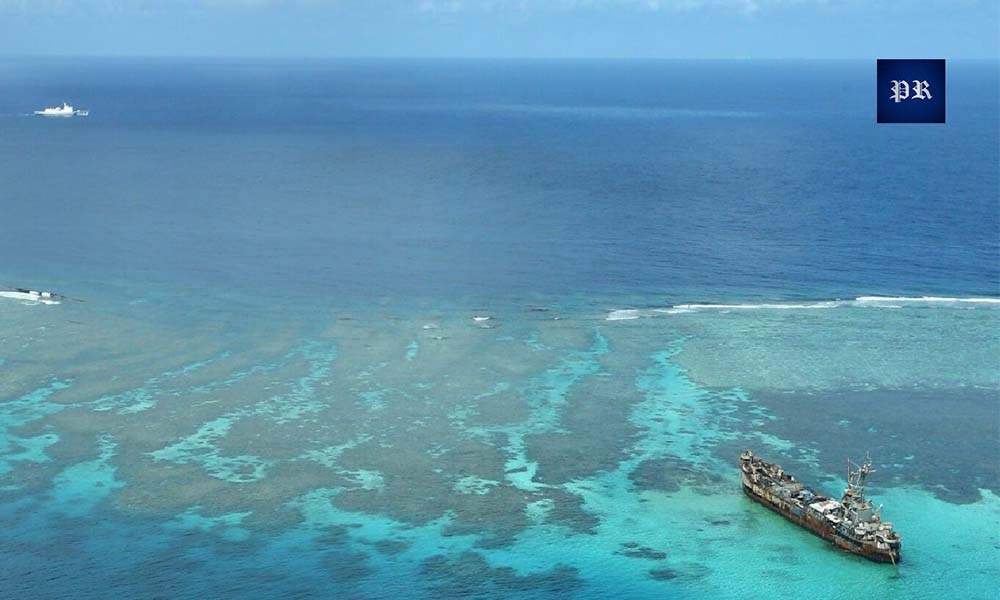
How China Took Over Mischief Reef – Can the Philippines Stop It?
One capability often associated with this concept is the Navy-Marine Expeditionary Ship Interdiction System (NMESIS), which launches Naval Strike Missiles. Combined with surveillance from satellites, aircraft, drones, and allied forces, these systems contribute to maritime deterrence by complicating an adversary’s planning.
Why China Is Watching
Beijing closely monitors these developments because the First Island Chain influences access between China’s near seas and the wider Pacific. At the same time, China continues modernizing its own military capabilities, creating a dynamic strategic competition rather than a simple one-sided buildup.
Taiwan and Regional Security
Any crisis involving Taiwan would have humanitarian and security implications for the Philippines due to geographic proximity and the large Filipino community living in Taiwan. Consequently, Manila views stability in the Taiwan Strait as directly connected to its own national interests.
Modern Deterrence
Exercises such as Balikatan and KAMANDAG demonstrate Expeditionary Advanced Base Operations, where small units rapidly deploy, relocate, and integrate with allied surveillance networks. This approach complicates adversary planning while supporting Philippine territorial defense.
The evolving strategy reflects broader competition between the United States and China. While both sides continue modernizing military capabilities, deterrence aims to reduce the likelihood of conflict by raising the cost of aggression. Any Taiwan contingency would have direct implications for the Philippines because of geography and the large Filipino community in Taiwan.
Conclusion
The northern Philippines has become one of the Indo-Pacific’s most strategically significant regions. Whether viewed from Washington, Manila, or Beijing, these islands now play an increasingly important role in regional security planning.
The northern Philippines has become one of the Indo-Pacific’s most strategically important regions because of geography rather than size. Whether future developments strengthen deterrence or increase tensions will depend on decisions made by governments across the region. What is already clear is that the evolving U.S.-Philippines defense partnership is reshaping regional security discussions.
About Indo-Pacific Report
For more geopolitical analysis, strategy coverage, and Indo-Pacific security reporting, visit Indo-Pacific Report:
Website
Facebook
YouTube
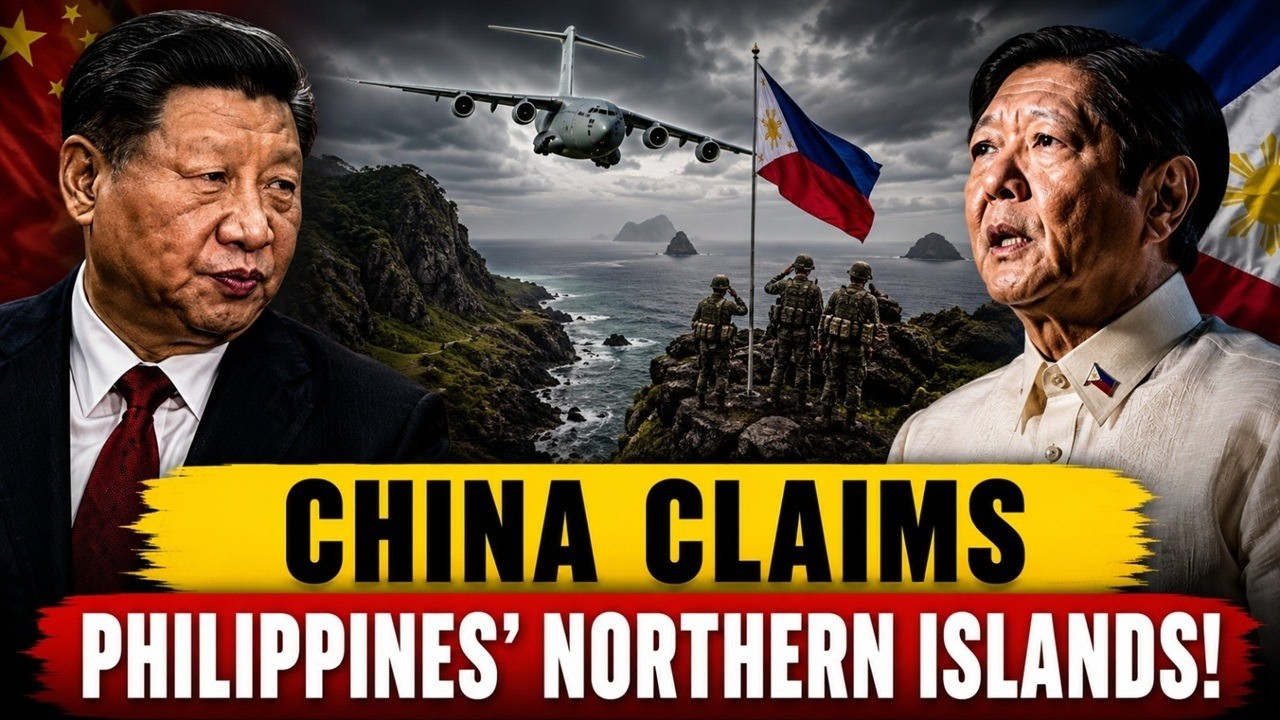
China Just Claimed New Part of Philippines in Batanes of South China Sea!