China Already CONTROLS Scarborough Shoal | Can the Philippines Stop What’s Next?
Philippines fears China may permanently control Scarborough Shoal as Chinese maritime activities increase. Explore the strategic importance of the South China Sea dispute, gray-zone tactics, and regional security implications.
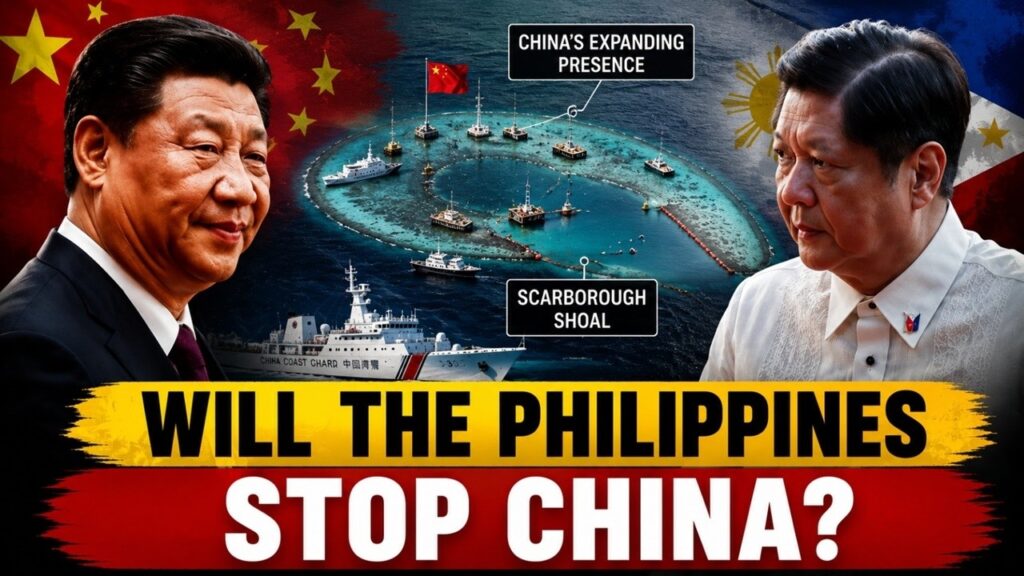
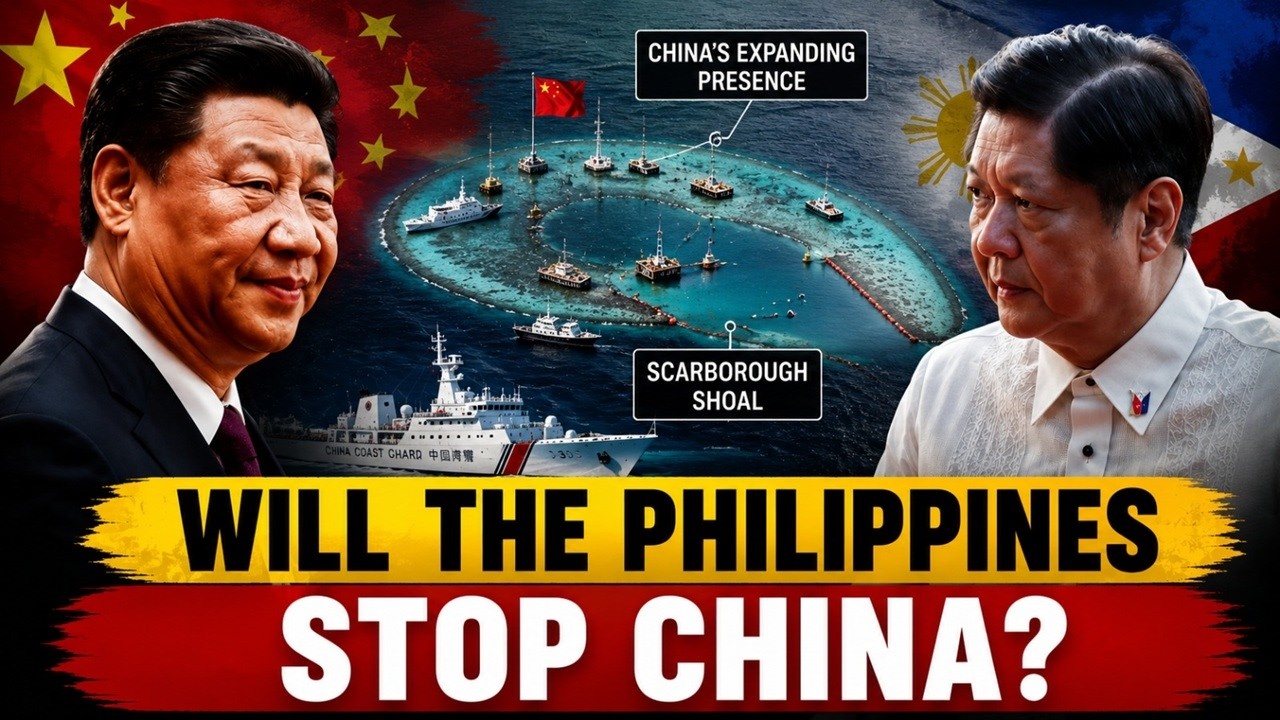
The dispute over Scarborough Shoal has become one of the most important flashpoints in the South China Sea. Since the 2012 standoff between China and the Philippines, Beijing has maintained a strong maritime presence around the shoal without formally declaring annexation. Today, Philippine officials and regional security analysts are increasingly concerned that China’s gradual expansion of control could become permanent.
Scarborough Shoal is not just a small maritime feature. Its location, resources, and strategic value make it a key point in the wider competition between China, the Philippines, and their allies in the Indo-Pacific.
What Is Scarborough Shoal?
Scarborough Shoal, known in the Philippines as Bajo de Masinloc, is located in the South China Sea west of Luzon. It lies within the Philippines’ exclusive economic zone according to the United Nations Convention on the Law of the Sea (UNCLOS).
The shoal has historically supported Filipino fishing communities and serves as a strategic position near important maritime routes. Control of Scarborough Shoal provides advantages in surveillance, maritime access, and regional influence.
How China Gained Control
The 2012 Scarborough Shoal standoff changed the security environment in the South China Sea. After a confrontation involving Philippine and Chinese vessels, China maintained its presence while Philippine vessels withdrew.
Although China did not officially annex the shoal, it gained effective control through continuous coast guard deployment and maritime enforcement. This became a major example of China’s gray-zone strategy.
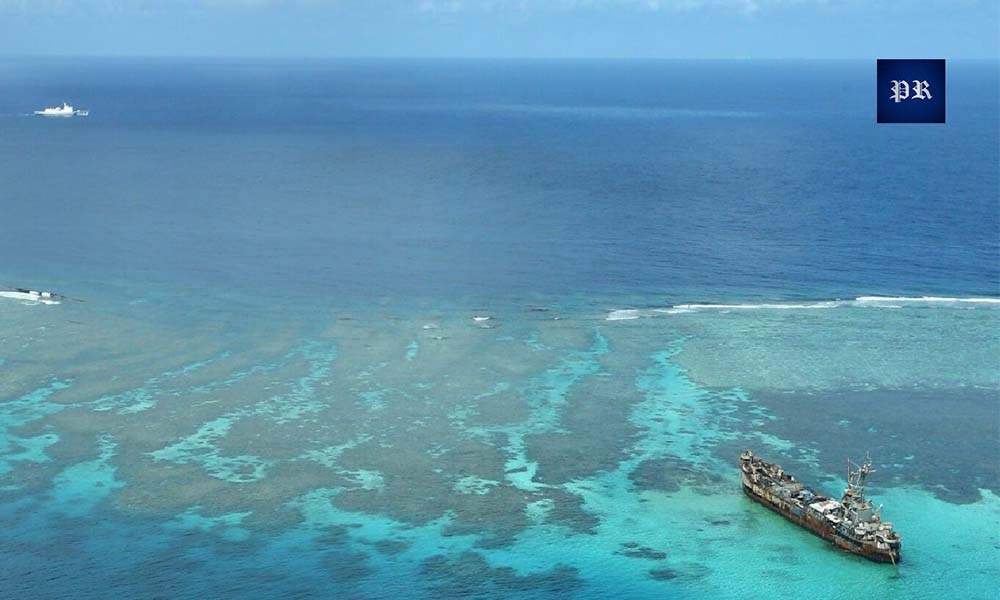
BRP Diego Silang Challenges China Near Scarborough Shoal in the South China Sea
The Gray-Zone Strategy
China’s approach in the South China Sea often relies on actions below the level of military conflict. Instead of using direct force, Beijing has expanded influence through coast guard operations, maritime militia activity, administrative measures, and infrastructure development.
This strategy creates new realities on the water while avoiding the international consequences of a traditional military takeover.
Why Manila Is Worried
The Philippines is concerned that increased Chinese activity around Scarborough Shoal could represent a move toward permanent consolidation. The fear is not only about a sudden seizure, but about gradual changes that become difficult to reverse.
Small installations, monitoring systems, barriers, and continued patrols may appear limited individually, but together they can transform a contested area into a controlled strategic position.
Why Scarborough Shoal Matters
The strategic importance of Scarborough Shoal extends beyond Philippine fishing rights. Its location near Luzon gives it importance for maritime surveillance and regional military planning.
A stronger Chinese position there could improve Beijing’s ability to monitor activities in the northern South China Sea and influence operations near the first island chain.
The United States Factor
The United States remains a central factor in the South China Sea balance because of its defense treaty with the Philippines and its broader Indo-Pacific strategy.
However, gray-zone actions create a difficult challenge because they often avoid the clear conditions of an armed attack. This creates uncertainty about how allies should respond to gradual territorial pressure.
Possible Future Scenarios
The future of Scarborough Shoal could follow several paths: continued Chinese presence without major escalation, further infrastructure development, or stronger regional coordination that limits additional expansion.
The most likely outcome is continued competition, with both sides attempting to strengthen their position without triggering a major crisis.
Conclusion
Scarborough Shoal represents a larger question about power, sovereignty, and international rules in the Indo-Pacific. The dispute shows how modern strategic competition is increasingly shaped not only by military strength, but also by persistence, presence, diplomacy, and long-term planning.
The challenge for the Philippines and its partners is preventing gradual changes from becoming permanent realities.
For more geopolitical analysis and Indo-Pacific security updates, visit:
Website
Facebook
YouTube
China Already CONTROLS Scarborough Shoal | Can the Philippines Stop What’s Next