U.S. Is TURNING South Korea Into Key Military ‘Support Hub’ for the Philippines
South Korea and the Philippines: The Defense Partnership Reshaping the Indo-Pacific In the rapidly changing security environment of the Indo-Pacific, one partnership has quietly grown in importance: the defense relationship between the Philippines and South Korea.
While the United States remains the Philippines’ most important security ally, South Korea has emerged as a major contributor to Manila’s military modernization. From fighter aircraft to naval vessels, South Korean technology is helping the Philippines rebuild capabilities that had weakened over decades.
The South China Sea has become one of the world’s most sensitive geopolitical hotspots. Disputes between China and the Philippines have intensified through maritime confrontations, military patrols, and competing territorial claims. As these challenges increase, the Philippines has focused on strengthening its air force, navy, and defense infrastructure.
A Military Transformation Driven by Need
For many years, the Philippine military struggled with limited resources and aging equipment. After the Cold War, much of its focus shifted toward internal security challenges, leaving modernization behind.
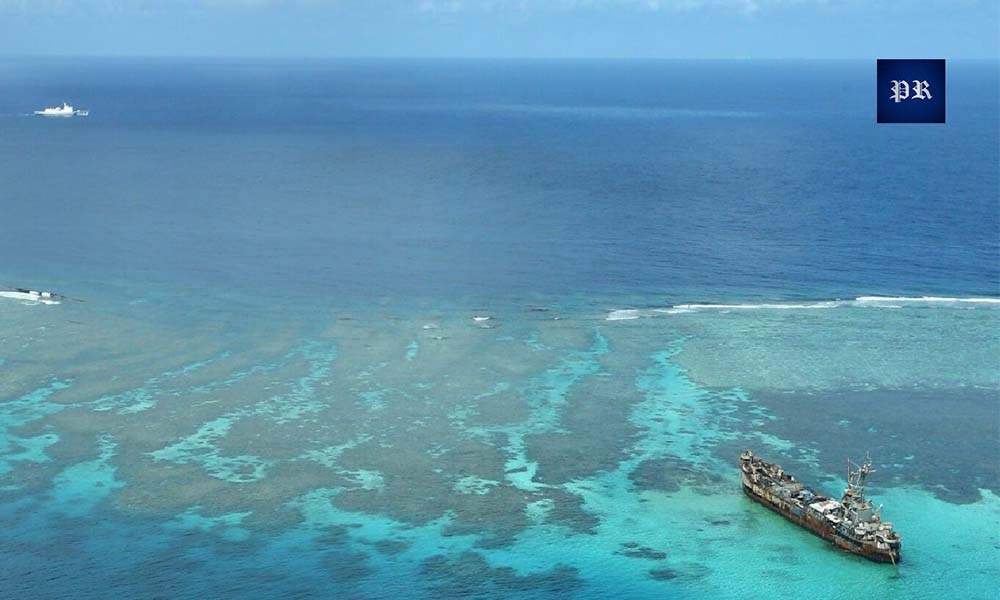
By the 2000s, the Philippines faced a major capability gap. Despite being an island nation surrounded by strategically important waters, it lacked modern fighter aircraft and advanced naval assets. The 2012 Scarborough Shoal standoff with China became a turning point. The event highlighted the need for stronger maritime security and pushed Manila to accelerate military modernization.
Why South Korea Became a Key Partner
South Korea was an attractive defense partner because it offered modern military equipment at competitive costs. Over decades, Seoul developed a strong defense industry due to its own security challenges involving North Korea.
U.S. Military Presence in East Asia Pillar of Indo-Pacific Stability
South Korean companies began producing advanced aircraft, warships, and military systems that could compete internationally. For countries like the Philippines, these systems offered a balance between capability, affordability, and availability.
The FA-50: Restoring Philippine Air Power
One of the most important milestones in the partnership was the acquisition of the FA-50 fighter aircraft from Korea Aerospace Industries.
The aircraft helped restore the Philippine Air Force’s modern fighter capability after years without a supersonic combat platform. Although not designed to compete with the world’s most advanced fighters, the FA-50 provided the Philippines with a reliable aircraft for training, patrol missions, and defensive operations.
The program also strengthened local expertise by improving pilot training and maintenance capabilities.
Building a Stronger Philippine Navy
The partnership also transformed the Philippine Navy. South Korean-built frigates, including the Jose Rizal-class vessels, represented a major improvement compared with older ships previously operated by Manila.
These modern warships improved surveillance, communications, and maritime operations, allowing the Philippines to maintain a stronger presence in contested waters.
More Than Equipment: A Strategic Partnership
The relationship between Manila and Seoul is no longer only about buying military equipment. It has developed into a broader strategic partnership involving security, technology, and regional cooperation.
South Korea benefits from a more stable Indo-Pacific environment because its economy depends heavily on regional trade routes. The Philippines, meanwhile, gains a reliable partner that can support long-term defense development.
The Future of the Indo-Pacific Balance
South Korea’s role in Philippine defense modernization does not mean Manila is replacing its alliance with Washington. Instead, the Philippines is building a wider network of partnerships involving the United States, Japan, Australia, and South Korea.
The changing balance of power in the South China Sea will not be determined by one aircraft or one warship. It will be shaped by long-term investments, stronger partnerships, and improved national capabilities.
Today, South Korean-built aircraft patrol Philippine skies and South Korean-built warships operate in Philippine waters. What began as a defense procurement relationship has become an important strategic partnership that could influence the future of the Indo-Pacific.

For more analysis and updates, visit Indo Pacific Report:
U.S. Is TURNING South Korea Into Key Military ‘Support Hub’ for the Philippines