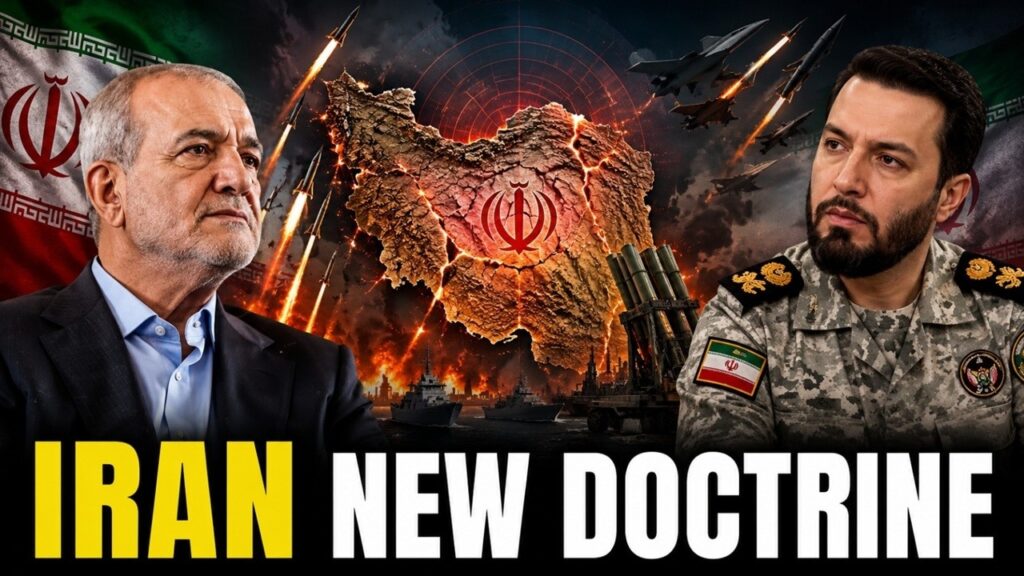
Iran’s New Leaders Are Taking Risks the Old Guard Avoided
For decades, the conflict between Iran and Israel largely unfolded in the shadows.
Rather than engaging in direct military confrontation, both countries relied on intelligence operations, cyber campaigns, proxy groups, and carefully calibrated responses designed to avoid triggering a full-scale regional war. While tensions remained high, both sides generally operated within an unwritten set of limits.
Recent developments suggest that those limits may be changing.
Iran’s decision to launch direct strikes against Israel following Israeli military operations in Lebanon represents a significant shift in the dynamics of the conflict. More importantly, it signals a possible change in Tehran’s strategic thinking under its current leadership.
This is about more than another exchange of missiles. It raises broader questions about how Iran intends to project power in the Middle East and whether the region is entering a new and potentially more dangerous phase of confrontation.
Why Iran Chose to Strike Israel Directly
According to Iranian officials, the strikes were intended as a response to Israeli military actions in Lebanon.
Since the US-Iran ceasefire reached earlier this year, Tehran has repeatedly accused both Washington and Israel of undermining the spirit of the agreement. Iranian leaders point to continued Israeli operations in Lebanon, including reported strikes in and around Beirut, as evidence that tensions never truly subsided.
From Tehran’s perspective, failing to respond could weaken its credibility among regional partners and allies.
By targeting Israel directly, Iran appears to be sending a broader message: attacks on groups aligned with Tehran may no longer be treated as isolated incidents. Instead, such actions could increasingly trigger direct responses from Iran itself.
If this interpretation is correct, it would represent a notable departure from the more indirect approach that characterized much of Iran’s regional strategy over the past several decades.
A New Iranian Strategy May Be Emerging
For many years, Iran’s regional strategy emphasized patience, deterrence, and calculated restraint.
Even after the assassination of General Qasem Soleimani in 2020, Tehran’s response was carefully measured to avoid a wider conflict with the United States. Similarly, during previous confrontations involving Israeli and American military actions, Iran often chose limited responses designed to manage escalation rather than accelerate it.
Today, however, analysts see signs that Iranian policymakers may be reassessing that approach. Rather than relying exclusively on strategic patience, Tehran increasingly appears willing to combine military pressure with diplomatic engagement. Under this model, military actions are not viewed solely as retaliation but also as tools for influencing negotiations and shaping political outcomes.
The objective is relatively straightforward: increase leverage on the battlefield while strengthening bargaining power at the negotiating table.
Whether this strategy proves effective remains uncertain, but it clearly reflects a more assertive posture than the one traditionally associated with Iran’s regional policy.
Why Tehran Believes the Ceasefire Is No Longer Working
A key factor behind Iran’s tougher stance is its growing frustration with the current ceasefire framework.
Iranian officials argue that while diplomatic agreements may exist on paper, military realities on the ground tell a different story. From Tehran’s perspective, continued Israeli military operations demonstrate that the underlying conditions necessary for a stable ceasefire have not been achieved.
Iranian leaders have publicly questioned whether existing arrangements continue to serve their interests. They argue that honoring a ceasefire becomes increasingly difficult if they believe the opposing side is not doing the same.
This perception has contributed to a broader debate within Iran’s leadership about whether traditional approaches to deterrence remain effective in the current security environment.
For Tehran, the issue is not simply about one military operation. It is about whether existing rules still provide meaningful protection against perceived threats.
Testing the Relationship Between Israel and the United States
The latest developments may also reveal another Iranian objective.
Some analysts believe Tehran is closely watching the relationship between Israel and the United States to identify potential differences in strategic priorities.
While US President Donald Trump has repeatedly expressed support for diplomatic engagement with Iran, disagreements have occasionally emerged between Washington and Israeli Prime Minister Benjamin Netanyahu regarding the best path forward.
Following Iran’s strikes, reports suggested that Washington moved quickly to prevent further escalation and maintain space for diplomacy. Such actions may reinforce Iran’s belief that the United States still prefers negotiation over a broader regional conflict.
If Tehran sees growing differences between American and Israeli approaches, it may attempt to use those differences to strengthen its own negotiating position.
Whether such calculations are accurate remains open to debate, but they likely form part of Iran’s broader strategic assessment.
Iran Is Seeking to Reshape Regional Deterrence
Beyond the immediate military exchange, Iran appears focused on establishing a new regional deterrence framework.
The goal extends beyond protecting Iranian territory. Tehran also seeks to strengthen the security of Hezbollah and other groups aligned with its regional network.
In practical terms, Iran wants to increase the costs associated with attacks on its partners. By demonstrating a willingness to respond directly, Tehran may hope to discourage future military operations against groups it considers strategically important.
Iranian officials have publicly warned that additional escalation remains possible if they believe their interests are threatened.
Such statements suggest growing confidence among Iranian decision-makers that military pressure can influence political calculations across the region.
However, confidence and success are not always the same thing. The long-term effectiveness of this strategy remains uncertain.
The Risks of Escalation Are Growing
While Iran’s more assertive posture may provide short-term leverage, it also creates significant risks.
Direct military exchanges between Iran and Israel increase the likelihood of miscalculation. Unlike proxy conflicts, direct confrontations offer less room for ambiguity and fewer opportunities to control escalation.
A single mistake, misunderstanding, or unintended consequence could rapidly expand the conflict beyond its current scope.
The United States remains deeply involved in regional security. Israel continues active military operations. Iran appears increasingly willing to act directly rather than through intermediaries.
Together, these factors create a highly volatile environment in which tensions can escalate quickly.
Many analysts warn that the Middle East may be moving away from the era of shadow warfare and toward a period where direct state-to-state confrontation becomes more common.
The Old Rules Are Changing
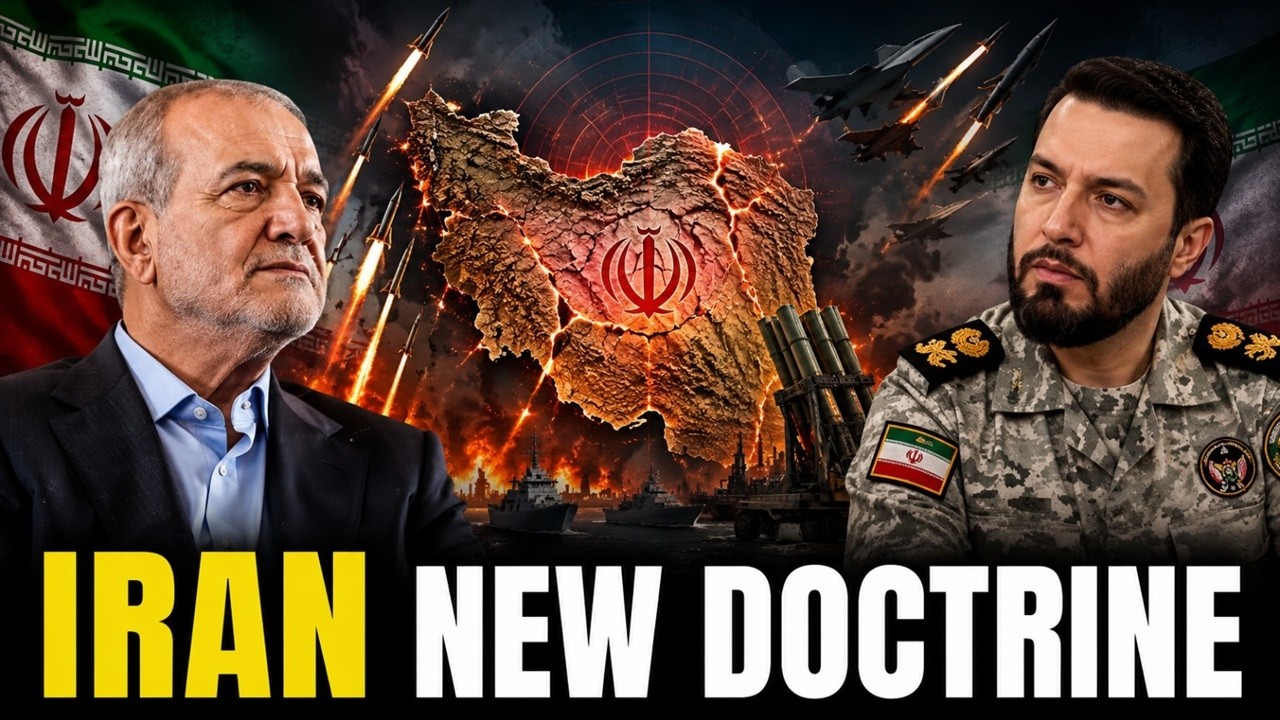
The most important development may not be the strikes themselves, but the strategic thinking that appears to have motivated them.
For decades, Iran’s regional policy was largely defined by deterrence, patience, and indirect pressure. Recent actions suggest that Tehran may now be willing to accept greater risks in pursuit of its objectives.
Whether this approach strengthens Iran’s regional position or exposes it to new vulnerabilities remains uncertain.
What is clear is that long-standing assumptions about how Iran and Israel manage their rivalry are being tested.
As both countries adapt to a changing strategic environment, the Middle East may be entering a new chapter—one where the old rules of restraint no longer apply and where the consequences of miscalculation could be far greater than before.
Follow Indo-Pacific Report
For in-depth analysis of geopolitics, defense strategy, international security, and Indo-Pacific affairs, visit: