Trump Cancels Iran Strikes—Is a Breakthrough Finally Near?
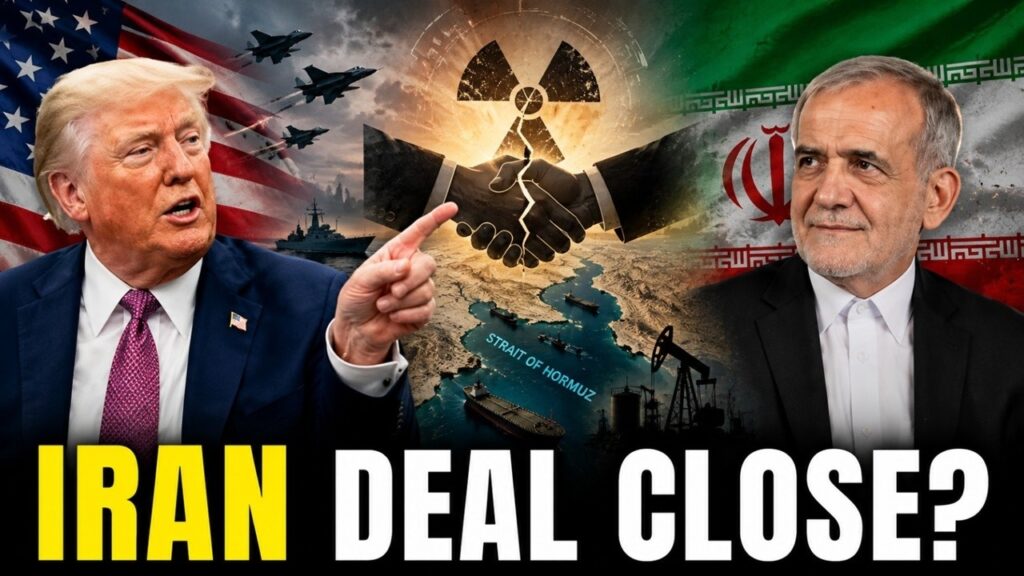
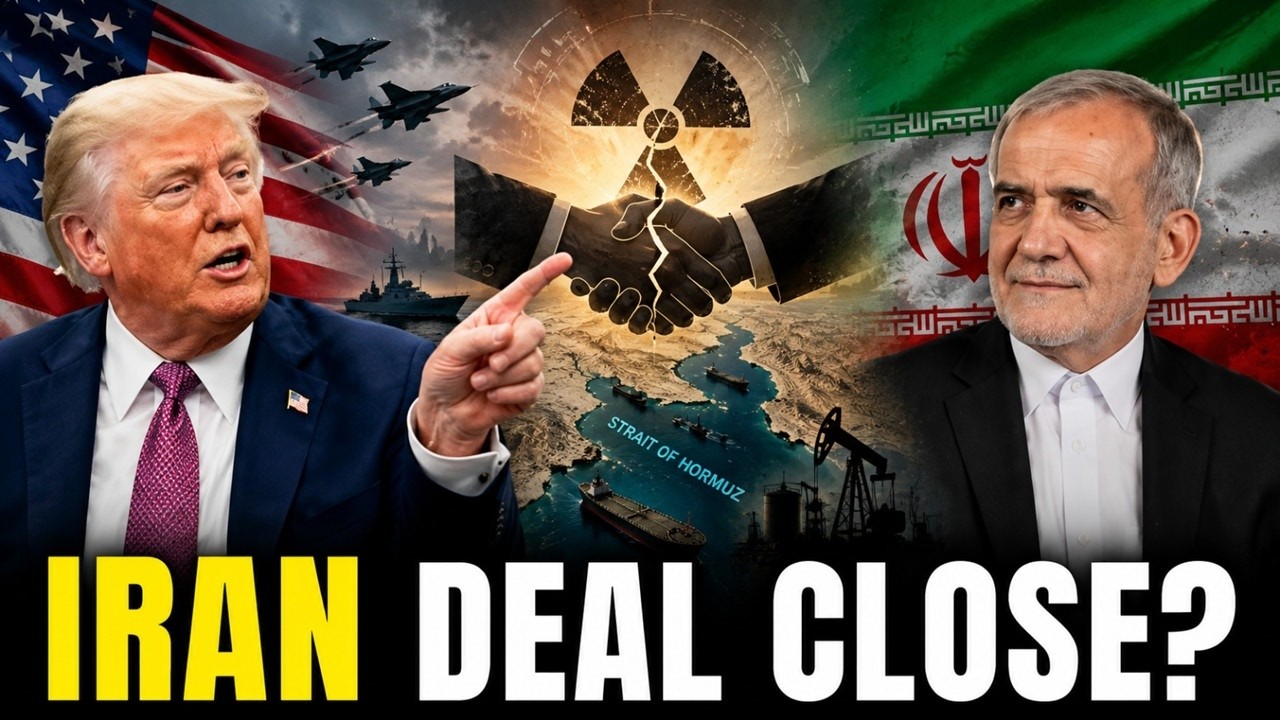
US President Donald Trump has suspended planned strikes on Iran, claiming that nuclear negotiations are nearing completion. Iran, however, says key disagreements remain unresolved. Here is what the latest developments mean for Middle East security, global energy markets, and the future of US-Iran relations.
Trump Reverses Course on Iran as Diplomatic Talks Advance
After days of heightened tensions and warnings of possible military action, US President Donald Trump has unexpectedly announced that planned strikes against Iran have been called off.
The announcement came only hours after Trump warned that the United States was prepared to respond forcefully if negotiations failed. The sudden shift in tone has captured global attention, raising hopes that diplomacy may be gaining ground over confrontation.
According to Trump, ongoing discussions with Tehran have progressed significantly and are now being handled at the highest political levels. He suggested that negotiators are close to reaching an agreement that could ease tensions and reduce the risk of a wider conflict across the Middle East.
For a region that has spent months facing growing uncertainty, the latest development has sparked an important question: Is a diplomatic breakthrough finally within reach, or is this merely a temporary pause in a larger crisis?
Trump Says a Nuclear Agreement Could Be Signed Soon
Speaking about the ongoing negotiations, Trump expressed confidence that a deal is nearing completion.
According to the US president, several parties involved in the talks have already agreed in principle to the major elements of a proposed agreement. He stated that most of the documentation has been finalized and indicated that a formal signing ceremony could potentially take place in Europe within days.
At the center of the proposed deal is Iran’s commitment not to develop nuclear weapons. Trump described the framework as a detailed and comprehensive agreement designed to address long-standing international concerns regarding Iran’s nuclear activities.
If finalized, the agreement could represent one of the most significant diplomatic developments in US-Iran relations in recent years and potentially reduce tensions throughout the Gulf region.
However, Iran’s position appears considerably more cautious.
Iran Says Major Issues Remain Unresolved
While Washington is presenting the negotiations as being close to completion, Tehran insists that important obstacles remain.
Iranian Foreign Ministry spokesman Esmail Baghaei has stated that although much of the agreement has been drafted, several critical issues continue to divide the two sides. Iranian officials have also accused the United States of introducing additional demands during the negotiation process.
At the same time, Tehran has emphasized that it will not compromise on what it considers to be its strategic interests and national “red lines.”
The differing assessments from Washington and Tehran highlight the uncertainty surrounding the talks. While the United States is signaling optimism, Iran continues to stress that significant work remains before any agreement can be finalized.
This gap in expectations is one of the main reasons why analysts remain cautious despite the recent positive developments.
The Strait of Hormuz Remains a Critical Flashpoint
Beyond the nuclear negotiations, the Strait of Hormuz continues to play a central role in the crisis.
The narrow waterway is one of the world’s most strategically important maritime routes, carrying approximately 20 percent of global oil and gas shipments. Any disruption to traffic through the strait can have immediate consequences for international energy markets and global economic stability.
For months, rising tensions between the United States and Iran have fueled concerns about the security of commercial shipping in the Gulf region.
Trump has suggested that restrictions linked to the current standoff could be removed quickly if an agreement is signed. Until then, however, uncertainty surrounding the waterway remains a major concern for governments, shipping companies, and energy traders around the world.
As long as negotiations continue, the Strait of Hormuz will remain one of the most closely watched strategic locations on the planet.
Why Global Markets Are Watching Closely
Financial markets reacted almost immediately to Trump’s announcement.
Oil prices moved lower after investors interpreted the suspension of military action as a sign that an immediate conflict may be avoided. Reduced geopolitical risk often leads to lower energy prices, particularly when tensions involve major oil-producing regions.
Despite the decline, however, oil prices remain elevated compared to levels seen before the latest confrontation began.
Market participants understand that negotiations can change rapidly. A single military incident in the Gulf or a breakdown in talks could quickly reverse recent gains and push energy prices higher once again.
Trump and Netanyahu Wanted to Remake the Middle East — Now They Face a Long War
This explains why every statement from Washington and Tehran continues to attract intense scrutiny from investors and policymakers alike.
Is Trump’s Strategy Working?
The latest developments have renewed debate over the effectiveness of Trump’s approach toward Iran.
Supporters argue that the threat of military action created pressure that encouraged Tehran to engage more seriously in negotiations. From this perspective, the suspension of planned strikes demonstrates how strategic pressure can be used to achieve diplomatic outcomes.
Critics, however, remain unconvinced.
They point out that previous rounds of negotiations have also been described as being close to success, only to stall or collapse later. They argue that without public confirmation from both sides and greater transparency regarding the terms of any agreement, claims of an imminent breakthrough should be treated cautiously.
Iran has not publicly endorsed Trump’s assertion that a final agreement is ready for signature. Meanwhile, Iranian officials continue to warn against further military pressure and maintain that important disagreements remain unresolved.
As a result, the risk of escalation has not disappeared entirely. It has simply moved into the background while diplomacy takes center stage.
The Next Few Days Could Determine the Region’s Future
The coming days may prove decisive for the future of Middle East stability.
If negotiations succeed, the region could witness a major diplomatic breakthrough that lowers the risk of conflict, improves security in the Gulf, and stabilizes global energy markets.
If talks fail, however, tensions could quickly return, raising concerns about military confrontation, economic disruption, and broader regional instability.
For now, Trump says a deal is close. Iran insists that important issues remain unresolved. The Strait of Hormuz remains under pressure, military forces remain on alert, and global markets continue to monitor developments closely.
The world is now watching to see whether diplomacy can achieve what months of threats and escalating tensions could not.
Follow Indo-Pacific Report
For expert analysis of geopolitics, international security, defense affairs, and Indo-Pacific developments, visit: