Russia Is Running Out of Money for Ukraine War
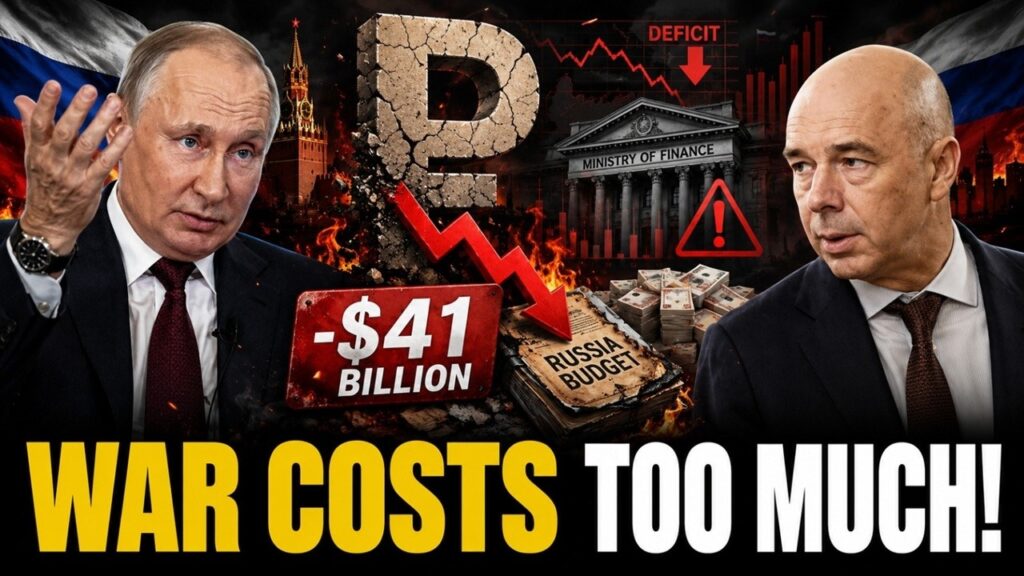
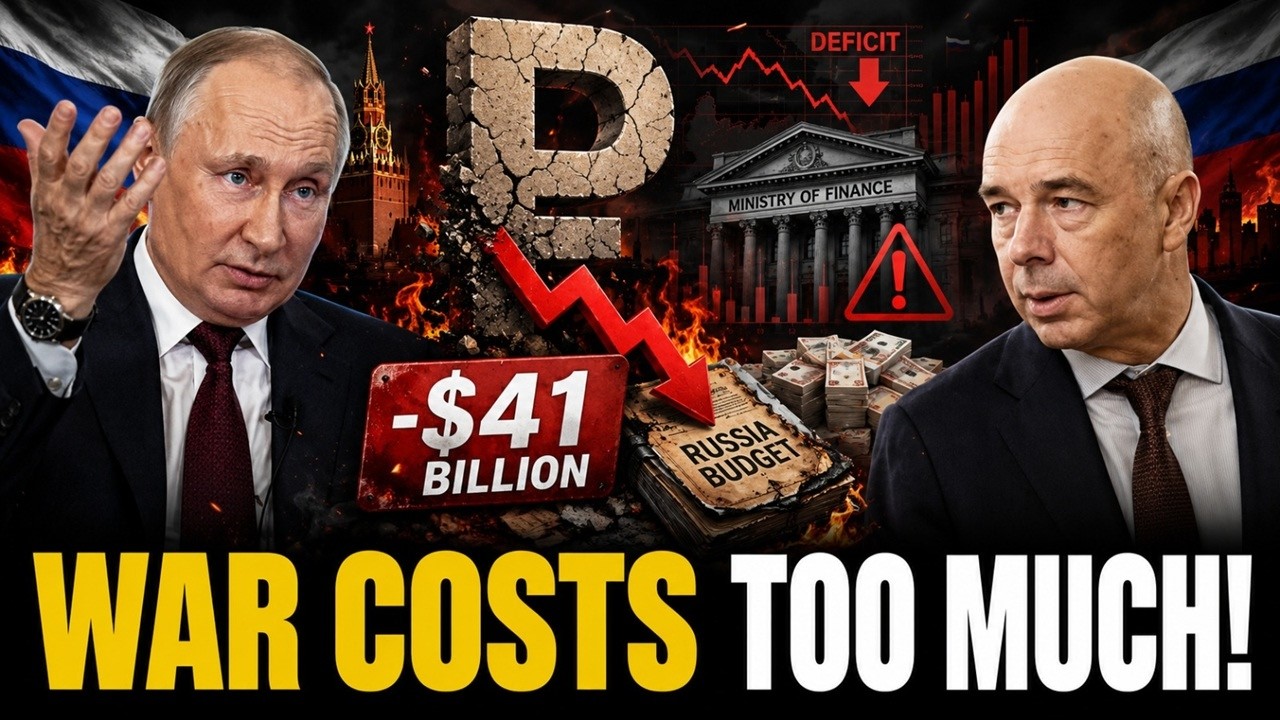
Russia’s financial officials are reportedly warning about growing budget pressures linked to war spending. Here is what the latest reports reveal about Russia’s economy, military expenditures, and long-term fiscal challenges.
More than four years into the Russia-Ukraine war, economic concerns are becoming an increasingly important part of the conversation inside Russia.
According to recent reports, senior financial officials have raised concerns about the long-term sustainability of current government spending levels, particularly as military expenditures continue to consume a large share of state resources.
The discussion highlights a broader challenge facing Moscow: how to balance military commitments with economic stability during a prolonged conflict.
Growing Concerns Inside Russia’s Financial Institutions
Reports indicate that officials within Russia’s financial and economic institutions have warned about rising fiscal pressures and the risks associated with maintaining exceptionally high levels of defense spending.
These concerns are significant because military expenditures have played a central role in Russia’s wartime economic strategy since 2022.
While government spending has helped support industrial production and defense manufacturing, economists continue to debate how sustainable this approach will be if the conflict continues for an extended period.
Why Russia’s Budget Is Under Pressure
Several factors are contributing to the current budget debate.
First, military operations require substantial financial resources. Funding personnel, equipment, logistics, production, and infrastructure places increasing demands on government finances.
Second, economic growth has slowed compared to wartime peaks. As a result, generating sufficient revenue to support expanding expenditures has become more difficult.
Third, reserve funds that previously provided financial flexibility have declined significantly compared to pre-war levels, reducing the government’s ability to absorb future economic shocks.
The Role of Energy Revenue
Russia remains one of the world’s major energy exporters, and oil and gas revenues continue to play a critical role in government finances.
However, fluctuations in global energy prices create uncertainty. While higher oil prices can temporarily boost state revenue, long-term fiscal stability depends on a broader range of economic factors, including investment, productivity, industrial output, and trade conditions.
Many economists argue that relying solely on energy markets cannot fully offset growing budgetary pressures associated with prolonged military spending.
A Debate Inside the Government
Reports suggest that different parts of the Russian government may have varying perspectives on future spending priorities.
Financial officials are focused on maintaining fiscal stability, controlling deficits, and preserving economic resilience. At the same time, defense institutions continue emphasizing the importance of sustaining military capabilities and supporting ongoing operations.

Balancing these competing priorities represents one of the most important economic challenges currently facing Russian policymakers.
The Cost of a Long War
One of the biggest realities of modern warfare is that prolonged conflicts create financial consequences that extend far beyond the battlefield.
Even large economies face difficult decisions when military spending remains elevated for years. Governments must determine how to allocate resources between defense, infrastructure, social services, economic development, and long-term investment.
As the conflict continues, these decisions are becoming increasingly important for Russia’s economic future.
Economic Growth and Future Risks
Recent economic forecasts suggest that Russia may face slower growth in the coming years compared to earlier wartime periods.
Slower growth can make it more difficult to finance large government programs while maintaining budget stability. It can also increase pressure on policymakers seeking to balance economic priorities.
https://indopacificreport.com/zelenskyy-says-russia-is-losing-momentum-in-ukraine/
While Russia retains significant economic resources and industrial capacity, many analysts believe the long-term trajectory will depend heavily on how the government manages spending decisions moving forward.
What This Means for the War
Economic pressures alone do not determine the outcome of conflicts.
However, financial resources influence military capabilities, industrial production, technological development, and overall national resilience.
As a result, budget decisions are likely to remain an important factor shaping Russia’s strategic options in the years ahead.
The key question is not whether Russia can continue funding military operations today. The question is how long current spending levels can be maintained without creating broader economic challenges.
Conclusion
The latest reports highlight an increasingly important aspect of the Russia-Ukraine conflict: economics.
Military operations continue on the battlefield, but financial decisions are becoming equally significant behind the scenes. Russian policymakers now face the challenge of balancing defense requirements with long-term economic stability.
How that balance is managed could play a major role in shaping both Russia’s economic future and the broader trajectory of the conflict.
About Indo Pacific Report
For more geopolitical analysis, international affairs coverage, defense updates, and strategic insights, visit:
Follow Indo Pacific Report for in-depth reporting on global conflicts, diplomacy, security developments, and emerging geopolitical trends.