U.S. Considers Iranian Assets As Reconstruction Debate Grows
The Middle East may be entering a new phase of conflict.
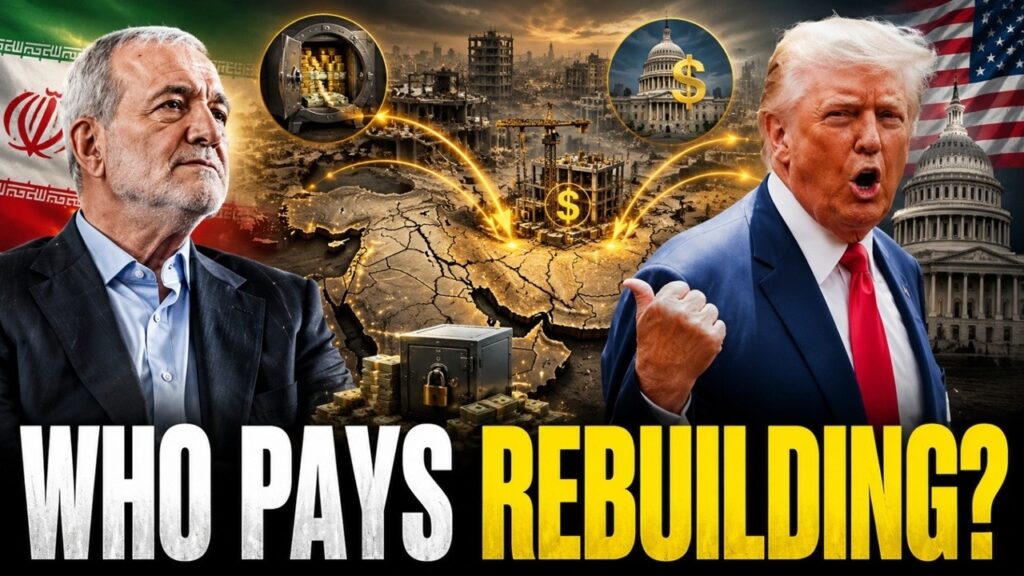
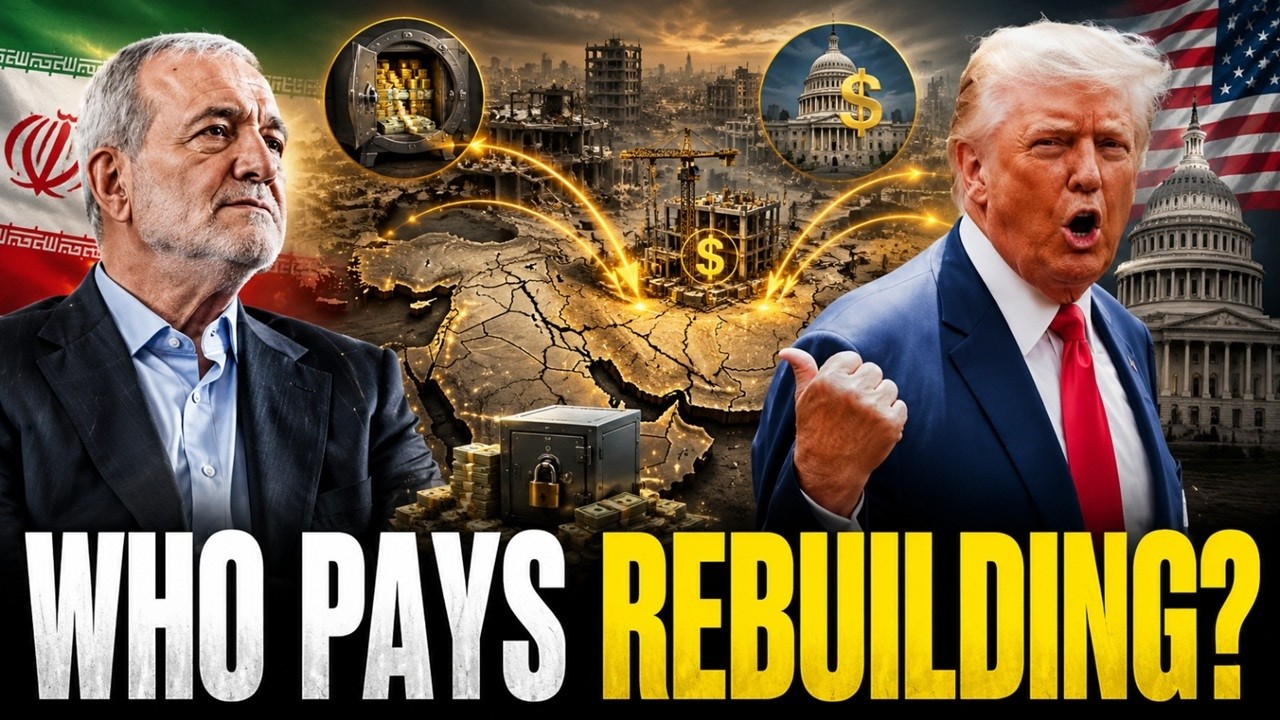
After months of military tensions, attention is increasingly shifting toward a different question: who will pay for reconstruction, and where will the money come from?
According to reports, the United States is exploring options that could involve frozen Iranian assets and financial contributions from Gulf allies as part of future reconstruction efforts.
The discussions remain highly sensitive, but they are already generating debate across the region.
Because this is no longer just about war.
It is also becoming a struggle over money, influence, and the shape of the post-conflict Middle East.
WHAT IS BEING DISCUSSED?
According to reports, U.S. officials have been examining possible funding mechanisms for reconstruction projects in areas affected by conflict.
One proposal reportedly under discussion involves the potential use of Iranian assets that have been frozen under sanctions.
Another option involves financial support from wealthy Gulf states that have the resources to fund large-scale rebuilding efforts.
At this stage, no final decision has been announced.
However, the fact that these discussions are taking place shows that governments are already thinking about the post-war landscape.
WHY IRANIAN ASSETS MATTER
Iran has faced years of international sanctions.
As a result, billions of dollars in Iranian-linked assets have been frozen or restricted in different jurisdictions around the world.
The question now being debated is whether some of those assets could eventually be redirected toward reconstruction efforts.
Supporters argue that reconstruction requires significant funding and that available resources should be used to stabilize affected areas.
Critics argue that using Iranian assets in this way would raise serious legal, political, and diplomatic questions.
For Tehran, the issue would likely be viewed as a direct challenge to its economic interests.
THE ROLE OF GULF STATES
Another important part of the discussion involves Gulf countries.
Nations such as Saudi Arabia, the United Arab Emirates, and Qatar possess significant financial resources and have previously funded reconstruction and development projects across the region.
https://indopacificreport.com/trumps-iran-deal-is-dividing-republicans-and-could-reshape-the-entire-middle-east/
Many analysts believe that any major rebuilding effort would require Gulf participation.
However, Gulf governments are also likely to seek political and security guarantees before committing large amounts of money.
In other words, reconstruction funding may become closely tied to broader diplomatic negotiations.
RECONSTRUCTION IS ALSO ABOUT INFLUENCE
Money is only part of the story.
Reconstruction often shapes political influence for years or even decades.
Countries that finance rebuilding projects frequently gain economic partnerships, political relationships, and long-term strategic influence.
This means the reconstruction debate is not simply about repairing damaged infrastructure.
It is also about determining who will shape the region’s future.
For the United States, reconstruction could strengthen regional stability.
For Gulf states, it could expand influence.
For Iran, it could affect both economic interests and geopolitical standing.
MAJOR CHALLENGES REMAIN
Even if funding becomes available, significant obstacles remain.
First, security conditions must improve.
Governments and investors are unlikely to fund large projects in areas where fighting continues.
Second, legal questions surrounding frozen assets could create lengthy disputes.
Third, regional rivalries could complicate any effort to create a unified reconstruction plan.
These challenges mean that rebuilding efforts may take years rather than months.
Trump’s Iran Deal Is Dividing Republicans and Could Reshape the Entire Middle East
HOW IRAN COULD RESPOND
Iran is likely to closely monitor these discussions.
Tehran has consistently opposed efforts that target its financial assets and has argued that sanctions are unlawful and politically motivated.
If proposals involving Iranian assets move forward, Iranian officials could respond through diplomatic channels, legal challenges, or broader regional negotiations.
As a result, the reconstruction debate could become another point of tension between Iran and the United States.
WHY THIS STORY MATTERS
Many conflicts are ultimately followed by a second struggle.
The first battle is fought on the battlefield.
The second battle is fought over reconstruction, resources, and political influence.
That second phase may now be beginning.
The discussions surrounding Iranian assets and Gulf financing suggest that governments are already planning for what comes after the current conflict.
The decisions made now could influence the region’s political and economic landscape for years to come.