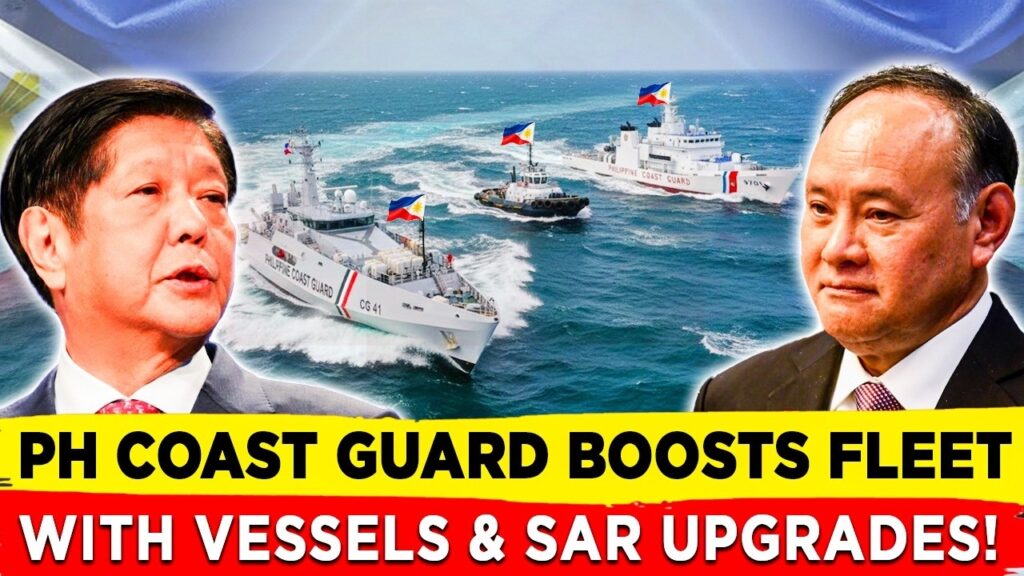
PH Coast guard boosts fleet with new vessels and SAR Upgrades for 2026
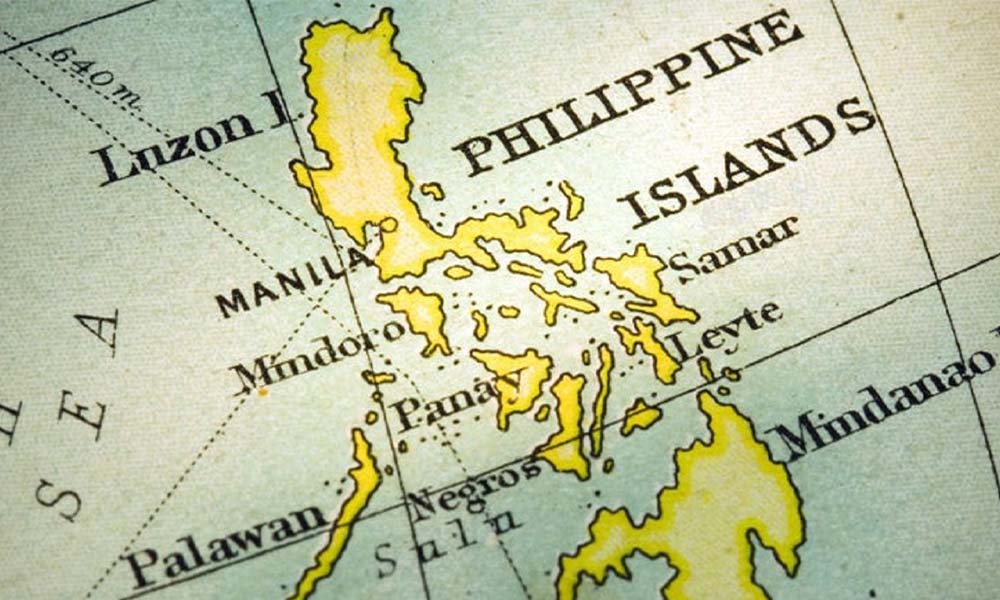
What happens when a distress call comes in at sea and help is hours away, not minutes? In a country made up of more than 7,600 islands, that question isn’t hypothetical. It’s life or death. And in 2026, the Philippine Coast Guard (PCG) is making sure the answer changes.
Quietly, without much noise outside defense circles, the PCG is in the middle of one of the most serious modernization pushes in its history. New vessels. Better sensors. Faster search-and-rescue platforms. Smarter coordination. This isn’t about looking powerful. It’s about getting there in time, when a fishing boat capsizes, when a typhoon rips through coastal towns, when a tanker runs aground, or when foreign ships push too far into Philippine waters.
For decades, the Coast Guard operated with limited hulls, stretched crews, and aging equipment, often asked to do too much with too little. Yet they kept showing up, pulling survivors from rough seas, evacuating families during storms, enforcing maritime law with patience rather than firepower. Now, that burden is finally being matched with investment.
This matters more than ever. Maritime traffic is heavier. The weather is harsher. Regional tensions are sharper. The sea around the Philippines is no longer just a livelihood, it’s a pressure point. Faster response times, wider patrol coverage, and modern SAR systems aren’t upgrades for comfort. They’re necessities for a country whose borders are drawn in water.

This piece breaks down how the Philippine Coast Guard’s fleet expansion and SAR upgrades heading into 2026 are reshaping its ability to save lives, protect coastal communities, and quietly reinforce national security, not through intimidation, but through presence, readiness, and speed. Because in the end, maritime power isn’t always about warships. Sometimes, it’s about who reaches the scene first and who brings people home alive.
Background: Why the Philippine Coast Guard Had to Level Up
The Philippine Coast Guard has always carried a heavy load and not the flashy kind. It sits under the Department of Transportation, not the defense establishment, which already tells you something. The PCG isn’t built to fight wars. It’s built to save lives, keep sea lanes safe, protect the environment, and enforce the law across one of the most complex maritime spaces on the planet. Search and rescue. Oil spill response. Vessel inspections. Maritime security. Day in, day out. Over the years, its role has quietly expanded. As regional waters grew more contested and disasters more frequent, the PCG became the first responder, the buffer, and sometimes the only visible Philippine presence at sea. That’s a lot to ask of a civilian force.
Right now, the PCG operates over 70 vessels, a mixed fleet of multi-role response vessels (MRRVs), patrol boats, and auxiliary craft. Some are modern, capable platforms. Others are aging workhorses that have been pushed far beyond their original design limits. They’ve done the job, but often at a cost: limited range, maintenance strain, and crews stretched thin on long deployments.
Before 2026, those limits were especially obvious in places like the West Philippine Sea. PCG ships were asked to sail farther, stay longer, and operate under pressure, responding to foreign coast guard harassment, escorting Filipino fishers, and managing incidents in waters that are legally Philippine but physically contested. Presence mattered, but endurance and speed mattered just as much. Too often, the tools just weren’t enough.
And the pressure wasn’t only geopolitical. Maritime incidents are rising across the board. Illegal fishing networks have grown bolder. Commercial traffic has intensified. Typhoons are stronger, less predictable, and deadlier. Climate change has turned routine rescue missions into race-against-time operations. Every delay costs lives.
That’s the context behind the current modernization push. A larger, more capable fleet isn’t about flexing, it’s about reach. Upgraded SAR systems aren’t about tech for tech’s sake, they’re about shaving minutes off response times when minutes matter most. Together, these upgrades help the Philippines enforce its Exclusive Economic Zone, protect its people at sea, and respond faster when disaster hits. In short, the PCG didn’t modernize because it wanted to. It modernized because the sea got harder and standing still stopped being an option.
New Fleet Additions: More Hulls, More Reach, More Options
This is where the modernization stops being abstract and starts looking real on the water. The Philippine Coast Guard isn’t just talking about upgrades, it’s adding hulls, and not the symbolic kind. These are vessels designed to move fast, stay out longer, and show up where the PCG used to struggle to reach.
Philippines Expands Patrol Zone in West Philippine Sea | China Shocked!
The headline addition is the 40 fast patrol boats based on France’s OCEA FPB 110 MKII design. At roughly 35 meters long, these boats are built for one thing above all else: speed with endurance. Capable of pushing 28 to 35 knots, they can close distance fast, a critical advantage during search-and-rescue missions, maritime law enforcement, and intercept operations.
Range matters just as much as speed. With an operational reach of up to 1,100 nautical miles, these boats extend the PCG’s presence deep into far-flung maritime zones that were previously harder to cover without larger, slower ships. That means quicker response to distress calls, more persistent patrols, and less time lost just getting to the scene.
The scale of the deal says a lot. Valued at roughly €400 million (about USD $430 million), it includes nine years of maintenance support, a quiet but crucial detail. Sustainment, not just acquisition, has clearly become part of the planning. PCG Commandant Admiral Ronnie Gil Gavan summed it up bluntly: “Acquiring these assets will modernize the PCG fleet, capacitating us to deploy mission-capable and high-speed vessels to further enhance maritime domain awareness…” That line about awareness matters. Speed isn’t just about chasing, it’s about seeing, responding, and being present before situations spiral.

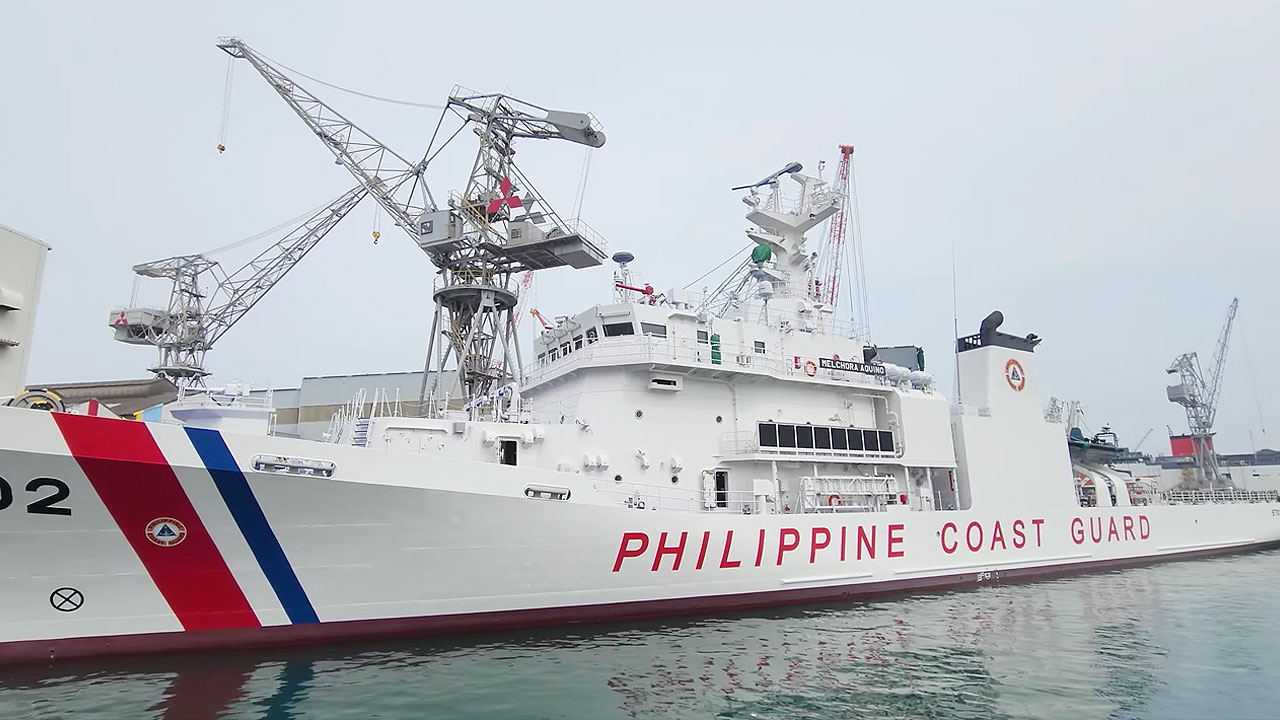
Speed handles the near-term response. Endurance handles the long game. Alongside the fast patrol boats, the PCG is adding 97-meter multi-role response vessels, funded through Japan as part of a broader, long-running modernization partnership. These cutters are the backbone platforms, built to stay at sea, operate in rough conditions, and support missions far from shore. They bring staying power. Longer patrols. Better command-and-control. More space for crews, medical response, and equipment. In contested waters, endurance equals credibility. If you can stay, you can assert.
The planning doesn’t stop there. The PCG is already evaluating next-generation offshore patrol vessels, potentially reaching 110 meters, equipped with advanced sensors, unmanned systems, and helicopter facilities. Nothing is finalized yet, but the direction is clear: more range, more eyes, and more flexibility. These would push the Coast Guard firmly into sustained blue-water operations without crossing into a purely military posture.
Strategically, this layered approach makes sense. Fast patrol boats handle rapid response and law enforcement. Large cutters handle presence and endurance. Together, they extend coverage across the Philippines’ vast maritime zones and strengthen visibility in sensitive areas like the West Philippine Sea.
PH Navy Just Got Stronger! BRP Diego Silang FFG-07 Joins Fleet
Just as important, these new vessels aren’t replacing the existing fleet, they’re filling gaps. They supplement current multi-role ships and patrol boats, finally giving the PCG a balanced force capable of both speed and staying power.
The procurement process itself tells a story. Funding comes from government allocations and intergovernmental financing agreements, mainly with France and Japan. And there’s a domestic angle too: half of the fast patrol boats will be built locally, transferring technology and skills to Philippine shipyards. That’s not just fleet growth, that’s industrial learning. These additions mark a shift. The PCG is moving from a force that reacts when it can, to one that chooses when and where to act. And in a maritime nation like the Philippines, that’s a serious upgrade.
Search and Rescue (SAR) Upgrades: When Minutes Start to Matter Again
For the Philippine Coast Guard, search and rescue isn’t a side mission, it’s the mission people remember. It’s the phone call in the middle of the night. The storm that turns faster than expected. The fishing boat that never came back on time. And heading into 2026, the PCG is quietly fixing the one thing that has always haunted maritime rescues in the Philippines: time.
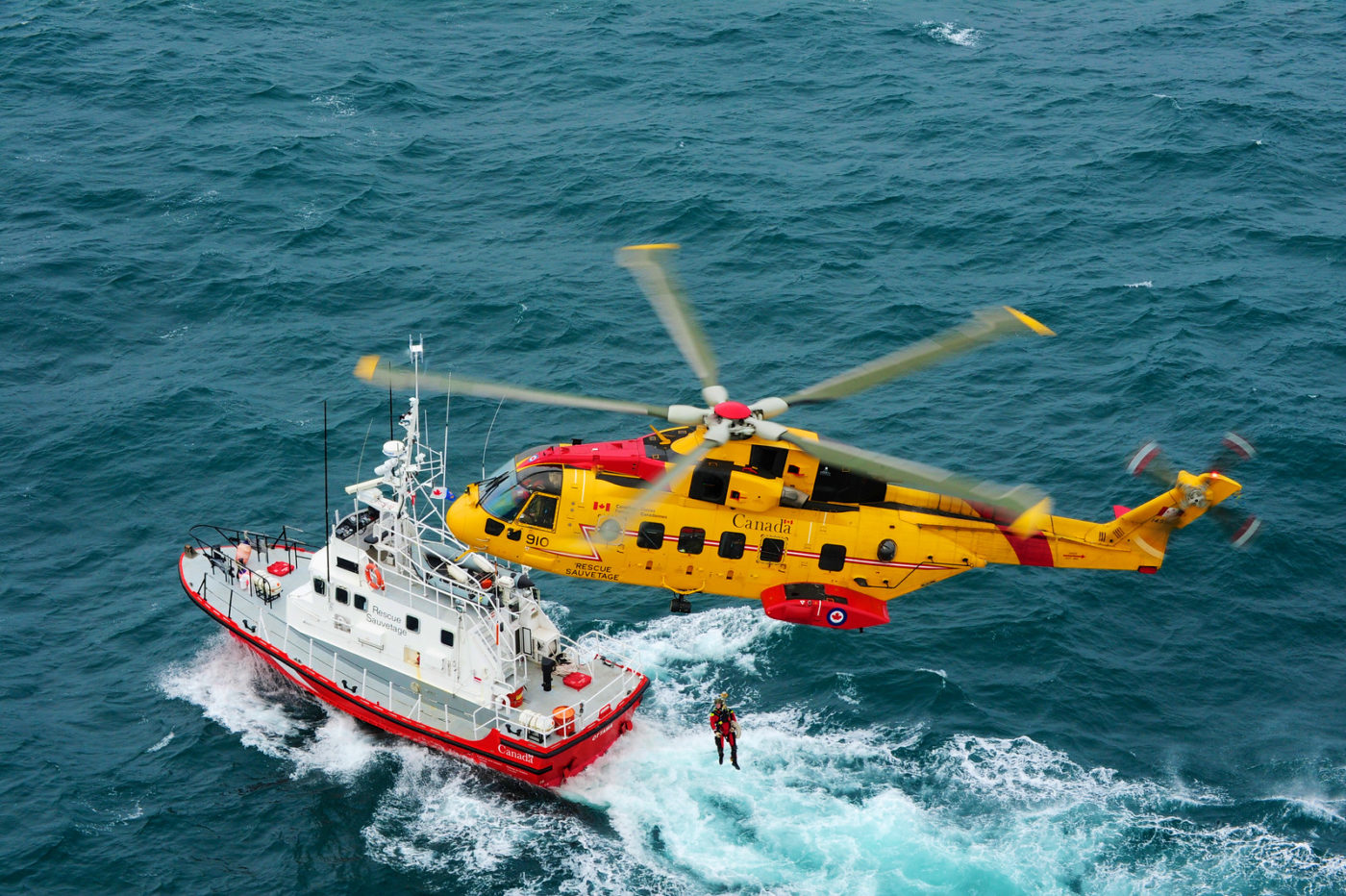
One of the biggest changes is happening behind the scenes. The PCG is upgrading navigation, tracking, and communication systems so units scattered across thousands of islands can coordinate faster and with fewer blind spots. In SAR operations, confusion kills momentum. These upgrades reduce that friction, allowing vessels, aircraft, and coastal stations to share information in real time, even in open waters far from shore.
Alongside this, the Coast Guard is deploying high-speed response boats designed to operate in rough seas, poor visibility, and nighttime conditions. That matters more than it sounds. Most serious maritime accidents don’t happen in calm daylight. They happen when the weather turns and options disappear. Speed plus survivability equals reach.
France to Supply 40 Fast Patrol Boats for the Philippines to Defend the West Philippine Sea
Hardware alone doesn’t save lives, people do. This is where Japan International Cooperation Agency (JICA) support comes in. Under a 2025–2028 cooperation project, JICA will help elevate PCG training in search and rescue, maritime domain awareness, disaster response, and operational coordination. The focus isn’t just drills. It’s a system. Standard operating procedures. Better investigation methods. Stronger maritime traffic safety enforcement. Even criminal investigation techniques tied to maritime incidents. These sound technical, but they shape how fast crews make decisions when pressure hits. Think of it this way: when every unit speaks the same operational language, hesitation disappears. That’s how response times shrink.
What This Changes in Real Life
Put better equipment and sharper training together, and the payoff is simple: faster reactions to real emergencies. Typhoons. Vessel collisions. Oil spills. Distress calls far offshore. The window between alert and arrival gets smaller and in SAR, that window is everything.
We’ve already seen hints of what this looks like in practice. PCG deployments near Scarborough Shoal, escorting and protecting Filipino fishing boats under pressure, show how improved readiness translates into real-time presence. The same coordination that keeps fishers safe under stress is what drives effective rescue when disaster strikes. The upgrades won’t make every mission easy. The sea never is. But for the Philippine Coast Guard, 2026 marks a shift, from reacting late to arriving early, from hoping to reach the scene in time to planning for it. And that’s how lives get saved.
Strategic and National Implications: Why This Goes Beyond Boats
On paper, new ships and SAR gear look like procurement news. In reality, they change how the Philippines shows up at sea, and how seriously others take that presence. The implications stretch far beyond the Coast Guard itself.
Maritime Security: Presence Is the Point
A stronger PCG fleet means fewer gaps and gaps are exactly where illegal activity thrives. With faster patrol boats and longer-range cutters, the Coast Guard is better positioned to deter illegal fishing, smuggling, and piracy, not just react after the fact. Speed allows interception. Endurance allows persistence. Together, they raise the cost of maritime crime. More importantly, sustained presence inside the Exclusive Economic Zone reinforces Philippine rights under international law. You don’t assert sovereignty with statements alone, you assert it by being there, consistently, lawfully, and visibly. When PCG ships patrol contested waters, they signal enforcement, not escalation. That distinction matters.

For a country repeatedly hit by extreme weather, this may be the most immediate payoff. Faster boats, better coordination, and improved SAR training directly translate into quicker response during typhoons, floods, and maritime accidents. When storms like Typhoon Tino slam coastal communities, the difference between arrival in two hours versus six can decide who survives. The Coast Guard often becomes the backbone of early response, evacuations, relief delivery, medical transport. These upgrades mean the PCG can reach isolated islands sooner, operate in worse conditions, and stay on scene longer. That’s humanitarian capacity, not just security.
Regional and International Cooperation: Quiet Alignment
There’s also a diplomatic layer. Partnerships with Japan, France, and JICA aren’t just about equipment or training, they’re about interoperability. Shared procedures. Compatible systems. Common standards. Over time, this aligns the PCG with global maritime best practices, making joint operations smoother and trust easier. This matters in a region where cooperation often happens quietly, away from headlines. When disasters cross borders or maritime incidents involve multiple actors, alignment reduces friction. It turns coordination into reflex rather than negotiation.
In the end, these upgrades do one thing exceptionally well: they make the Philippine Coast Guard more credible. Credible as a law enforcer. Credible as a first responder. Credible as a maritime presence. And in today’s seas, credibility is power, the kind that stabilizes rather than provokes.
Public Engagement and Community Impact: When People Feel the Difference
Modernization only really matters when ordinary people feel safer and that’s where the Philippine Coast Guard’s upgrades hit home. For coastal communities, confidence comes from knowing help isn’t theoretical. Faster vessels and better SAR coordination reassure fishers, ferry operators, and island communities that distress calls won’t vanish into bureaucracy or distance. When people see Coast Guard ships arriving quicker, staying longer, and operating more professionally, trust builds naturally. It’s not about fear, it’s about reliability. That confidence changes behavior. Fishers are more willing to work farther offshore. Passenger vessels follow safety rules more closely. Communities engage rather than hesitate. Presence reduces panic.
The PCG is also leaning into public education and maritime safety awareness. Campaigns focused on preparedness, proper vessel operation, and emergency response give communities tools, not just instructions. In a country where storms can turn deadly with little warning, awareness isn’t optional, it’s resilience. The more the public understands how the Coast Guard operates, the faster coordination becomes during real emergencies. That shared understanding shortens response time before a ship even leaves port.https://youtu.be/bFQ19NoI1DY?si=eHSHUu-fTXkhmy1M
Safer seas quietly support livelihoods. Fisheries benefit when law enforcement deters illegal operators. Tourism improves when safety standards rise. Trade flows more smoothly when ports and sea lanes are secure. These gains aren’t flashy, but they compound over time, especially in maritime-dependent regions.
Future Outlook: Where This Is Headed
Beyond 2026: Smarter Seas
The current upgrades aren’t the end state. Looking ahead, the PCG is expected to explore drones, AI-enabled surveillance, and unmanned surface vessels, tools that extend coverage without overstretching crews. These systems won’t replace people; they’ll give them more eyes, more data, and earlier warning. It’s the natural next step in modernization: persistent awareness without constant physical presence.
A 2030s Vision
By the 2030s, the goal is clear: a fully modern, self-reliant Coast Guard capable of handling security, safety, and humanitarian missions without scrambling for support. That means sustainable training pipelines, domestic maintenance capacity, and vessels built to last decades, not headlines.
Sustainability Matters
Environmental impact is now part of planning. New ships and systems are being designed with fuel efficiency, lower emissions, and disaster resilience in mind. For a force tasked with protecting the sea, sustainability isn’t branding, it’s credibility.
Conclusion: A Quiet Upgrade with Real Weight
The Philippine Coast Guard’s fleet expansion and SAR improvements aren’t just upgrades, they’re foundational. They strengthen maritime safety, reinforce national security, and stabilize the economic lifelines that run through Philippine waters. As the country modernizes its maritime posture, the PCG emerges not as a shadow of the navy, but as something equally vital: a professional, capable guardian of the seas and a first responder people can count on when the ocean turns unforgiving. No slogans. No drama. Just ships that arrive faster and people who make it home.
https://youtu.be/wXBXUXPnT_4?si=5u3GcDazLPEo4CIv