Philippines Set to Receive Historic $1.5B in U.S. Military Assistance
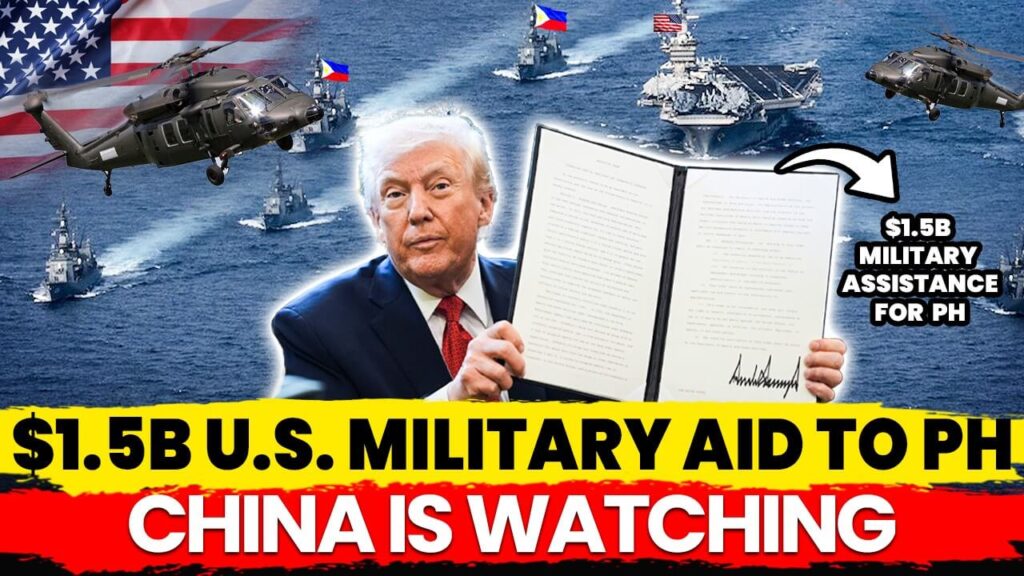
The United States is preparing to deliver one of the largest military assistance packages to the Philippines in modern history, authorizing up to $1.5 billion under the FY2026 NDAA, a move that repositions Manila from a peripheral ally to a frontline security pillar in the Indo-Pacific. This decision is not symbolic; it arrives as Chinese coercion intensifies simultaneously in the West Philippine Sea and the Taiwan Strait, with water-cannon attacks, ramming incidents, militia swarms, and near-daily PLA air and naval operations becoming the new normal.
Washington’s approach has clearly shifted, from reassurance rhetoric to durable capacity-building, combining direct grants with long-term financing so the Philippines can modernize, sustain, and fight through a crisis rather than depend on episodic support. In comparative terms, the Philippines now stands apart. Japan’s support model emphasizes co-development and cost-sharing, arms sales dominate Taiwan’s security assistance, and Vietnam’s cooperation remains politically constrained.
Still, Manila is now one of the few partners where grants, financing tools, basing access, and operational integration converge at scale, a model once reserved for NATO and Middle East frontline states.
This reflects a broader U.S. strategic recalibration: deterrence is no longer centered only on carriers and forward-deployed forces, but on resilient partners equipped with maritime domain awareness, mobility, logistics, and the ability to counter gray-zone pressure without immediate U.S. intervention.
For the Philippines, this means faster modernization, stronger deterrence credibility, and rising strategic weight along the First Island Chain; for the region, it signals that U.S.–Philippines defense cooperation has moved from reactive and episodic to institutionalized and long-term. Philippines-France Maritime Drills Strengthen Indo-Pacific Security
At its core, the $1.5 billion authorization is not just about weapons; it is about locking geography into strategy, anchoring the Philippines firmly into the Indo-Pacific security architecture at a moment when pressure, proximity, and power are converging. What emerges is a turning point where alliance commitments move from intent to infrastructure, and where Manila’s role shifts decisively from supporting actor to central security stakeholder in Asia’s most contested waters.
Background
The foundation of the current U.S. military assistance package rests on a long and evolving defense relationship between Washington and Manila that dates back more than seven decades. At its core is the 1951 Mutual Defense Treaty, which commits both countries to act in response to an armed attack on either party, establishing the Philippines as one of America’s oldest treaty allies in Asia. Over time, this framework has been reinforced by additional agreements designed to keep the alliance operationally relevant.
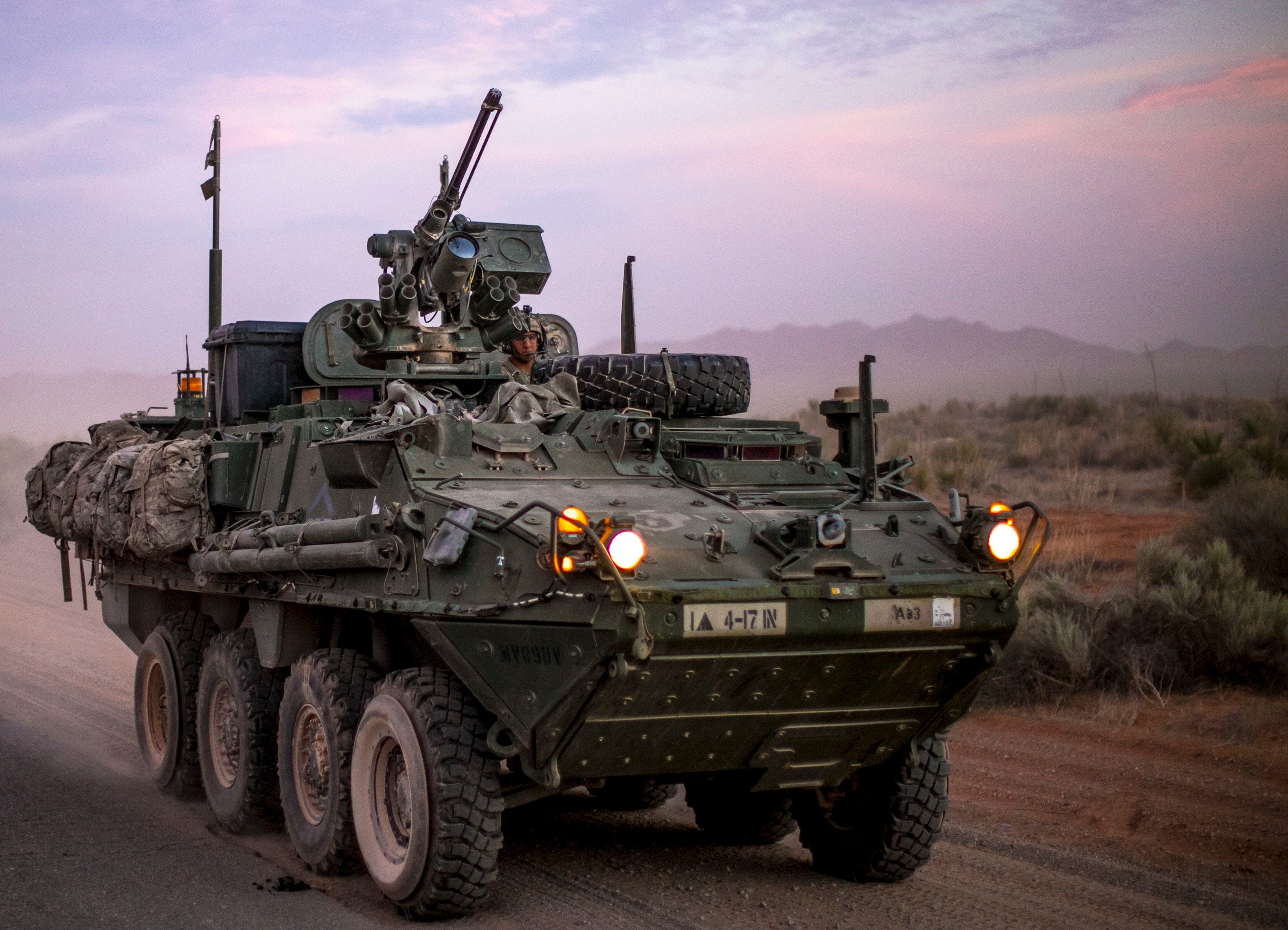
The Visiting Forces Agreement enabled regular joint training and rotational deployments, while the Enhanced Defense Cooperation Agreement expanded access to agreed locations across the Philippines, allowing U.S. forces to pre-position equipment, conduct rapid-response operations, and improve interoperability with the Armed Forces of the Philippines. Together, these arrangements transformed the alliance from a Cold War legacy into a living security partnership.
U.S. military support has consistently underpinned this relationship. The Philippines has received equipment transfers, capacity-building assistance, and sustained training through large-scale exercises such as Balikatan, which in recent years have grown in scope, complexity, and realism, incorporating live-fire drills, maritime scenarios, and joint command-and-control operations. These activities are no longer symbolic demonstrations of friendship; they are increasingly designed to prepare both forces for real-world contingencies involving territorial defense, disaster response, and gray-zone maritime pressure.
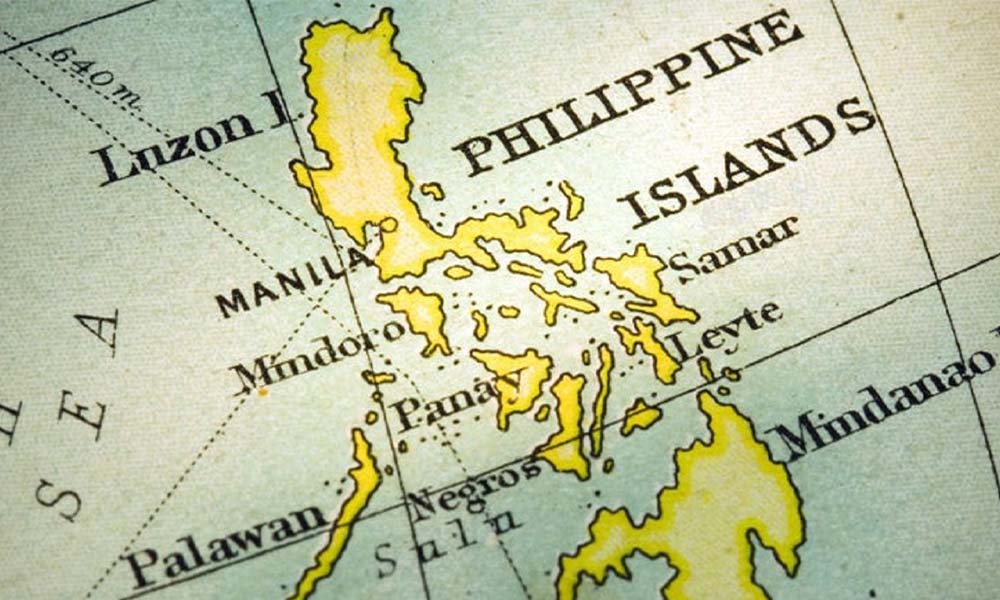
This alliance architecture has taken on heightened significance because of geography. The Philippines sits astride some of the most critical sea lines of communication in the Indo-Pacific, adjacent to contested areas of the South China Sea and directly south of the Taiwan Strait. Its proximity to flashpoints such as Scarborough Shoal, Second Thomas Shoal, and the Luzon Strait makes it indispensable to any strategy aimed at maintaining regional stability and freedom of navigation. As tensions with China over maritime claims have intensified, marked by water-cannon attacks, close encounters, and sustained coast guard presence, the emphasis has shifted from alliance reassurance to alliance hardening.
In this geopolitical context, strengthening Philippine defenses is no longer viewed in Washington as optional or secondary. It is increasingly seen as essential to preserving deterrence credibility, protecting shared interests, and preventing coercion from becoming normalized. The historic scale of the newly authorized assistance reflects this reassessment: a recognition that treaty commitments, basing access, and exercises must be matched by real, durable capability on the ground.
The background to today’s funding decision, therefore, is not a sudden policy pivot, but the culmination of decades of alliance evolution meeting a moment of acute strategic pressure.
Details of Philippines Set to Receive Historic $1.5B in U.S. Military Assistance
The Philippines Set to Receive Historic $1.5B in U.S. Military Assistance authorized under the FY 2026 National Defense Authorization Act represents a comprehensive and flexible security package rather than a single lump-sum transfer. The legislation authorizes up to $1.5 billion in new security assistance specifically for the Philippines, reflecting congressional intent to significantly accelerate Manila’s defense modernization and interoperability with U.S. forces.
Preliminary reporting indicates that the package is structured in two complementary parts: up to $500 million in direct grant assistance, and up to $1 billion in loan guarantees designed to facilitate the acquisition of U.S. defense equipment. This dual-track approach is notable because it combines immediate, non-repayable support with longer-term financing mechanisms, allowing the Philippines to plan and scale procurement without overwhelming its national defense budget.
In practical terms, the assistance is expected to target high-impact capability areas rather than prestige platforms. Likely priorities include coastal defense systems, air and maritime surveillance assets, and maritime domain awareness technologies that enhance early warning, tracking, and response across the West Philippine Sea and adjacent approaches. These capabilities directly address the types of gray-zone challenges the Philippines faces daily, where persistence, awareness, and rapid reaction matter more than headline-grabbing hardware.
Alongside equipment and technology, a substantial portion of the assistance is expected to support expanded training programs, deepening interoperability with U.S. forces through joint exercises, technical instruction, and operational integration. This reflects a broader U.S. emphasis on ensuring that new capabilities can be effectively employed and sustained, rather than simply delivered.
Infrastructure and logistics support form another critical pillar of the package. While specific projects have not yet been publicly detailed, the authorization opens the door for investment in defense infrastructure, logistics networks, and sustainment systems that underpin long-term readiness. This aligns with recent U.S.–Philippines cooperation under the Enhanced Defense Cooperation Agreement, where access to agreed locations and pre-positioning of equipment require supporting facilities, maintenance capacity, and resilient supply chains. Philippines Commissions Its Latest Frigate, BRP Diego Silang (FFG-07)
Implementation of the assistance is designed to be phased and closely monitored. Rather than disbursing funds all at once, the assistance would be programmed over multiple fiscal years, with grants and loan guarantees likely utilized between 2026 and 2030. Annual spending plans, coordinated by the U.S. Departments of State and Defense, would be subject to oversight and reporting requirements to Congress.
This multi-year structure reflects an understanding that meaningful capability development takes time, and that sustained, predictable support is more strategically valuable than short-term surges. The scope, components, and implementation framework of the $1.5 billion package show a shift toward a long-horizon defense partnership, one aimed at building enduring capacity rather than delivering episodic aid.
Strategic Implications
The strategic implications of the Philippines Set to Receive Historic $1.5B in U.S. Military Assistance package extend well beyond the immediate transfer of funds, reshaping defense planning for the Philippines, reinforcing U.S. regional posture, and influencing the broader Indo-Pacific security environment. For Manila, the assistance offers a rare opportunity to accelerate defense modernization at a scale and pace that aligns with the ambitions of the Armed Forces of the Philippines’ Horizon 3 program.
With Horizon 3 projecting billions of dollars in national defense spending to address external defense requirements, U.S. grants and loan guarantees can help close critical gaps in coastal defense, radar and surveillance networks, maritime patrol vessels, and air assets. More importantly, the funding supports a shift from piecemeal upgrades toward integrated capability development, enhancing the Philippines’ ability to monitor, deter, and respond to coercive actions in disputed waters.
This acceleration directly feeds into deterrence credibility. Improved maritime domain awareness, faster response times, and more resilient logistics reduce the effectiveness of gray-zone tactics designed to exploit weakness and hesitation. By strengthening its defensive posture without resorting to provocative force projection, the Philippines gains greater confidence in asserting its rights under international law while lowering the risk that coercion becomes normalized.
In strategic terms, deterrence here is less about matching adversaries ship-for-ship and more about denying them easy opportunities to apply pressure at low cost.
For the United States, the assistance reinforces its Indo-Pacific posture at a moment of intensifying strategic competition with China. Rather than relying solely on forward-deployed U.S. forces, Washington is investing in the resilience and capability of frontline allies, signaling that deterrence is a shared endeavor. U.S. lawmakers have framed the package explicitly as a means to counter coercive behavior and uphold freedom of navigation, security, and prosperity in the Indo-Pacific.
This approach reflects a broader U.S. strategy of distributed deterrence, where allied capacity, interoperability, and presence collectively shape the regional balance without requiring constant escalation.
At the regional level, the move is likely to have ripple effects. Enhanced support for the Philippines may encourage similar frameworks for other key partners such as Taiwan and Japan, reinforcing a connected network of defense cooperation across the First Island Chain. Such a network complicates unilateral attempts to change the status quo by raising the political and operational costs of coercion. At the same time, increased U.S. involvement is likely to draw diplomatic pushback from China, which has consistently viewed expanded U.S. military cooperation in the region with suspicion.
While Beijing may criticize the assistance as destabilizing, the scale and structure of the package suggest a different intent: not to provoke confrontation, but to ensure that deterrence, stability, and allied confidence are sustained in an increasingly contested maritime environment.
Political and Economic Dimensions
The Philippines Set to Receive Historic $1.5B in U.S. Military Assistance. The package also carries significant political and economic implications within the Philippines, shaping domestic debate and long-term development considerations. At the government level, Philippine officials have largely welcomed the enhanced defense cooperation, framing it as essential to protecting national sovereignty, strengthening deterrence, and responding to an increasingly challenging security environment.
For policymakers in Manila, the scale of the assistance reinforces the credibility of the U.S. alliance at a time when maritime pressure and strategic uncertainty are intensifying. However, public discourse is likely to remain nuanced. While many view deeper cooperation as a pragmatic necessity, others may raise concerns about over-dependence on external partners or the implications for national identity and strategic autonomy in foreign policy. This debate reflects a long-standing tension in Philippine politics between reliance on alliances and the desire for independent decision-making.
Economically, the assistance package presents both immediate and longer-term opportunities. On the U.S. side, defense manufacturers and service providers stand to benefit from increased procurement and financing facilitated by loan guarantees. Within the Philippines, expanded defense cooperation can stimulate domestic sectors involved in logistics, maintenance, infrastructure, and support services tied to new equipment and training programs.
Over time, sustained engagement in advanced military systems also contributes to investment in technology, skills development, and human capital. Training programs, technical maintenance, and interoperability requirements can raise professional standards within the Armed Forces of the Philippines and related civilian industries.
In this sense, the economic impact extends beyond procurement transactions, embedding defense cooperation into broader national development pathways that link security, technology, and workforce capability.
Challenges and Considerations
Despite its scale and promise, the $1.5 billion U.S. military assistance package brings with it a set of operational, diplomatic, and governance considerations that will shape its ultimate effectiveness. At the operational level, integrating new systems into the Armed Forces of the Philippines requires more than procurement. Training personnel, establishing sustainment and logistics pipelines, and ensuring infrastructure readiness are essential to translating funding into real capability. Without adequate absorption capacity, even advanced systems risk underutilization or delayed deployment, undermining the strategic intent of the assistance.
Diplomatically, Manila faces the challenge of balancing deepened security ties with the United States against the need to manage economic and diplomatic relations with Beijing. China remains a major trade partner and an influential regional actor, and increased U.S. military involvement is often portrayed by Beijing as destabilizing. At the same time, perceptions within Southeast Asia matter. Some ASEAN members remain sensitive to narratives of militarization and great-power rivalry, and how the Philippines frames and implements the assistance could influence regional cohesion and diplomatic trust.
Accountability and sustainability represent a third critical dimension. The scale of funding demands rigorous oversight, transparent reporting, and effective evaluation mechanisms across both U.S. and Philippine institutions. Ensuring that resources are allocated efficiently, aligned with strategic priorities, and protected from misuse is essential not only for operational success but also for maintaining public confidence and congressional support over time. Long-term sustainability will depend on whether the assistance builds self-sustaining capability rather than recurring dependence, reinforcing resilience and readiness well beyond the initial funding period.
Broader Significance
The $1.5 billion U.S. military assistance package carries broader significance because it consolidates and elevates an alliance that has steadily deepened over the past decade. It builds directly on existing frameworks such as the Mutual Defense Treaty, the Visiting Forces Agreement, the Enhanced Defense Cooperation Agreement, and increasingly sophisticated joint exercises like Balikatan, which now feature complex, multi-domain scenarios rather than symbolic drills.
By pairing these institutional arrangements with substantial, long-horizon funding, the assistance expands joint planning, interoperability, and readiness, transforming the alliance from one centered on access and reassurance into one focused on shared capability and sustained deterrence.
Beyond the bilateral relationship, the package delivers clear geopolitical messaging. To allies and partners, it signals U.S. resolve to uphold a rules-based order in the Indo-Pacific through tangible investment rather than rhetoric alone. To adversaries, it demonstrates that coercion and gray-zone pressure will be met not with retreat, but with deeper alliance integration and strengthened frontline capacity. The emphasis on defensive capabilities, infrastructure, and interoperability shows that the objective is stability and deterrence, not escalation, reinforcing the credibility of U.S. commitments while avoiding overt provocation.
Looking ahead, the assistance opens pathways for more ambitious collaboration. With financing, training, and infrastructure aligned, future cooperation could expand into joint capability development, technology sharing, and co-production arrangements that further embed the Philippines into the regional security architecture. Such initiatives would not only enhance Philippine self-reliance but also contribute to a more distributed and resilient Indo-Pacific deterrence network, where partners are empowered to manage security challenges collectively rather than individually.
In sum, the authorized $1.5 billion in U.S. security assistance represents a historic deepening of the U.S.–Philippines defense partnership, focused on modernization, interoperability, and shared strategic challenges. Its impact will extend well beyond procurement timelines or budget cycles. If implemented effectively, this assistance has the potential to shape the trajectory of bilateral relations, influence regional defense policies, and alter the strategic balance in the Indo-Pacific for years to come, marking a shift from episodic support to enduring alliance investment.