U.S. and Philippines Build AI Hub at Clark China Is Watching
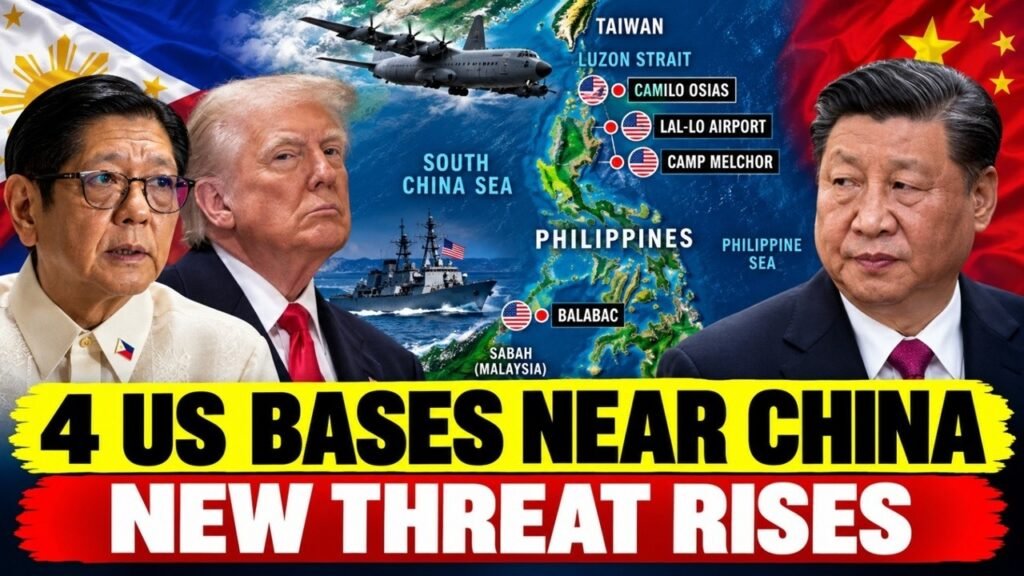
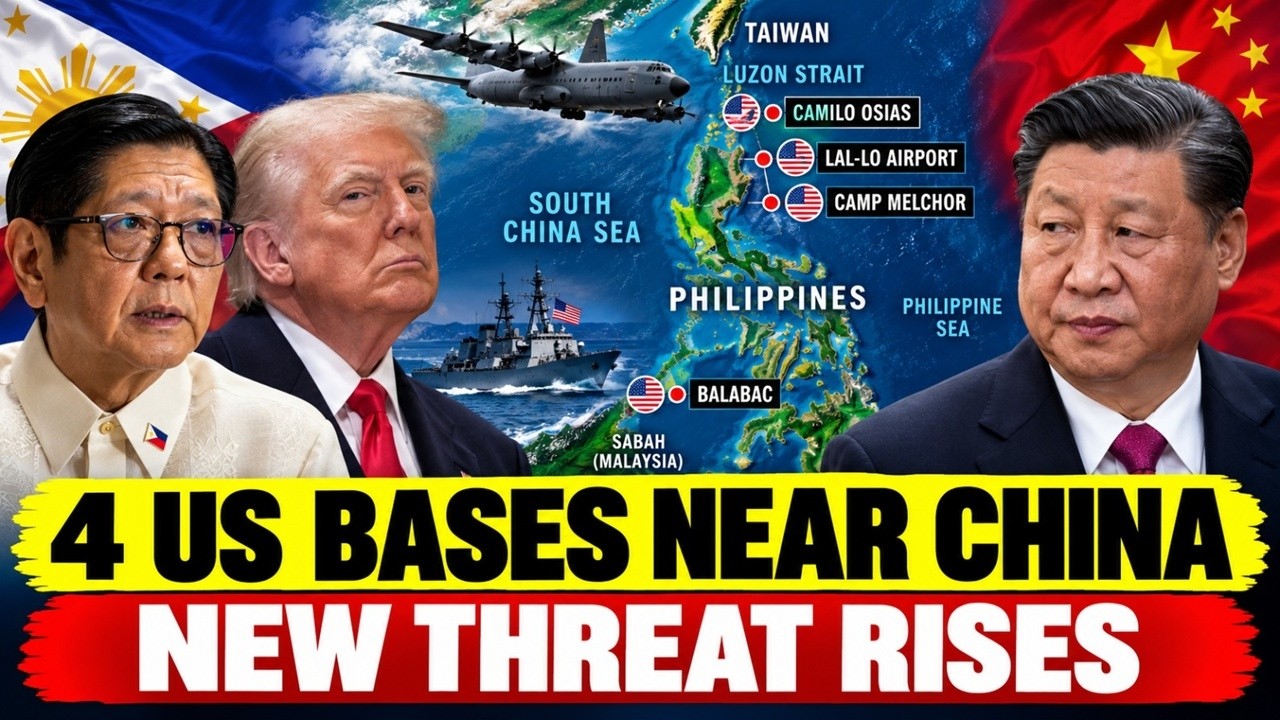
For the Philippines, the wider objective is to improve its ability to monitor and respond to developments around its northern maritime approaches. For the United States, the location adds another potential point of access in a region that could become important during a Taiwan-related crisis. China is likely to assess this geographic advantage as part of the broader expansion of American defense cooperation with regional allies. Lal-lo Airport in Cagayan adds an aviation-related location to the northern part of the EDCA network. Airports can support the movement of personnel, supplies, and equipment, depending on their facilities and the arrangements governing their use. In a country as geographically dispersed as the Philippines, dependable air transport can make a substantial difference to military mobility and emergency response. The airport’s importance becomes clearer when it is considered alongside the other locations in northern Luzon. A coordinated network can allow air transport, ground-force activities, and logistical support to complement one another. This does not mean every location will perform the same function. Instead, different facilities may contribute different capabilities to the wider defense framework.
Nevertheless, inclusion in EDCA does not automatically transform an airport into a fully equipped military airbase. Its ability to support military aviation depends on runway conditions, aircraft requirements, fuel supplies, maintenance facilities, communications, security, and connections to the wider transport network. These practical requirements determine whether an airport can sustain demanding activities over an extended period. The strategic question is whether Lal-lo Airport can contribute to reliable transportation and logistical support when the need arises. During a prolonged emergency or regional crisis, the ability to move personnel and supplies repeatedly can be as important as the initial availability of a facility. Without adequate investment and maintenance, geographic advantages may not translate into dependable operational capacity.
Camp Melchor Dela Cruz: Strengthening Ground-Force Cooperation
Camp Melchor Dela Cruz in Isabela provides a land-based component to the expanded agreement. Its inclusion creates opportunities for approved training, coordination, and logistical activities involving Philippine and American forces. Ground-force facilities play a different role from airports and maritime installations because soldiers require suitable areas for training, preparation, coordination, and support.
Joint activities at such locations can help Philippine personnel improve their familiarity with allied procedures and develop experience working with American forces. Training can also identify weaknesses in communications, planning, transportation, and coordination before those problems become more serious during an emergency. These benefits, however, depend on the quality and frequency of the activities conducted rather than the designation of the location alone.
For Manila, one of the most important considerations is whether cooperation strengthens the capabilities of the Philippine Army and contributes to national defense priorities. The benefits should not be measured solely by the amount of access provided to American personnel. Infrastructure improvements, professional training, and better coordination should also help the Philippines build a more effective and sustainable defense system. Taken together, the three northern locations create a wider range of potential options for the allies. Their proximity to Taiwan is strategically significant, but it does not establish that each facility has been assigned a specific combat mission. Their ultimate importance will depend on how the sites are developed, what activities take place there, and how regional security conditions evolve.
Why the Balabac Military Site Matters for the South China Sea
Balabac Island in southwestern Palawan gives the EDCA expansion a different strategic dimension. Unlike the three northern locations, which are relevant to the approaches toward Taiwan, Balabac is positioned near the southern approaches to the South China Sea and the maritime area close to Sabah, Malaysia. This location matters because Philippine security concerns extend beyond the northern islands and include maritime routes, disputed waters, and the protection of national interests in the western Philippines. The South China Sea is important for international trade, commercial shipping, fishing, and regional security. It is also the focus of competing maritime claims, including disputes involving China and the Philippines. For Manila, improving its ability to monitor and defend its maritime approaches is an important part of national defense. Additional infrastructure in southwestern Palawan could provide more options for logistical support, training, and other approved defense activities.
Balabac should not, however, be treated as an isolated military outpost whose significance can be understood without considering the wider Philippine defense network. Its potential value depends on its relationship with existing facilities, transport routes, communications systems, and the resources available to support operations. As with the northern locations, the geographic position is important, but infrastructure and practical capability determine how much that position can contribute to national security. The island’s proximity to Malaysia also makes diplomacy an important part of the discussion. Military developments near a neighboring country can influence its security assessments even when the facilities are not intended to threaten it. In the event of a major confrontation in the South China Sea, neighboring states could face pressure from disrupted maritime activity, increased military movements, or concerns about the conflict spreading beyond its original location.
The central challenge for Manila is to strengthen its southwestern defenses while reassuring neighboring countries that the expansion is intended to support legitimate Philippine defense objectives. Balabac therefore illustrates why the EDCA agreement should be assessed as both a military arrangement and a regional diplomatic issue.
Why Is China Concerned About the Philippines-US Military Agreement?
China’s concerns about EDCA are closely connected to the broader competition between Beijing and Washington. Chinese officials have argued that expanded American military access in the Philippines could increase pressure on China, particularly in relation to Taiwan. In 2023, Chinese Ambassador to the Philippines Huang Xilian criticized the expansion and raised concerns about the possible strategic implications of the locations.
From Beijing’s perspective, three additional locations in northern Luzon could become relevant during a crisis involving Taiwan, while Balabac could contribute to a wider American and Philippine defense network near the South China Sea. The concern is not simply the number of facilities but the possibility that improved access, logistics, and coordination could give the allies more options during a regional confrontation.
This interpretation does not prove that the sites have been designated for an attack on China or that a conflict is inevitable. It reflects China’s assessment of the potential military consequences of closer cooperation between Washington and Manila. The distinction between a country’s stated defensive purpose and another country’s perception of a possible threat is important when examining strategic competition.
The disagreement also reflects a security dilemma. The Philippines may view cooperation with the United States as necessary to strengthen its defenses and deter coercion. China may interpret the same cooperation as an expansion of American influence near its strategic interests. Each side’s response can then influence the other side’s calculations, potentially creating additional tension even when neither government claims to seek an immediate conflict.
For the Philippines, the challenge is to maintain a credible defense partnership without allowing strategic competition to dictate every aspect of its foreign policy. For the United States, the challenge is to reassure its ally while managing the risks associated with a larger regional confrontation. For China, the expansion raises questions about how its actions and relationships with neighboring countries affect their security decisions. Whether the four locations strengthen regional stability will depend partly on how the countries involved respond. If the expansion contributes to credible deterrence and clearer security arrangements, it may discourage coercion. If it leads to increased military pressure, mistrust, and countermeasures, it could contribute to a more tense regional environment.
EDCA in 2026: Why Military Access Does Not Automatically Mean Readiness
The announcement of additional EDCA locations in 2023 created expectations about the expansion of defense cooperation, but the practical value of the facilities depends on implementation. Land arrangements, construction schedules, funding, infrastructure, and administrative coordination can all affect how quickly a location becomes useful for its intended activities. A signed agreement provides a framework for cooperation, but it does not mean that every facility is immediately ready to support demanding operations. The draft reporting on developments in 2026 highlights this distinction. Philippine Defense Secretary Gilberto Teodoro reportedly acknowledged in April that land-related issues and implementation delays had limited the use of some EDCA facilities. American officials subsequently reported progress in developing the locations. These developments suggest that implementation should be assessed through the actual condition and capabilities of the facilities rather than through the number of sites announced. It is important not to assume that every location has experienced the same delays or that all four additional sites are either fully operational or unusable. Each facility may have different infrastructure requirements, development schedules, and logistical limitations. Reliable conclusions require location-specific information about completed projects, available equipment, access arrangements, and the activities the facilities can support.
The difference between access and readiness is particularly important during a prolonged crisis. A facility may be geographically well positioned but still lack sufficient fuel, storage, maintenance capacity, communications, or transport connections. If equipment and supplies cannot be delivered consistently, the location may be less useful than its strategic position initially suggests.
Does the United States Control the Philippine Military Sites?
The description of the locations as US military sites can create the impression that the Philippines has transferred ownership or surrendered control of its territory. The actual arrangement is more specific. Under EDCA, the Philippines retains ownership of the agreed facilities, while American forces receive access for activities permitted under the agreement. The framework allows cooperation on infrastructure development, equipment pre-positioning, and rotational activities without establishing permanent American military bases under EDCA itself. This distinction is important for understanding Philippine sovereignty. Access to a facility does not automatically mean that another country owns the land or has unrestricted authority to conduct any activity it chooses. The agreement operates within arrangements established by the two governments, and the practical use of the locations depends on the relevant permissions and applicable rules.
For Manila, the potential benefits include infrastructure improvements, more opportunities for joint training, better logistical cooperation, and stronger coordination with an important defense partner. These benefits can support national defense if the projects are implemented effectively and contribute to the capabilities of the Armed Forces of the Philippines.
However, the Philippines must also consider the long-term implications of deeper military cooperation. It needs to ensure that national decision-making remains central to its security policy and that investments serve Philippine priorities as well as the needs of the alliance. Public understanding of the agreement also matters because military access can generate domestic debate about sovereignty, foreign influence, and the country’s role in regional disputes.
The risks should neither be exaggerated nor dismissed. EDCA does not automatically eliminate Philippine sovereignty or commit the country to every future American military operation. At the same time, expanded cooperation can increase the strategic importance of Philippine territory during a crisis, creating additional responsibilities for policymakers. The long-term success of the arrangement will depend on clear coordination, transparent implementation, effective oversight, and sustained investment in Philippine capabilities. A strong alliance should help the Philippines make informed national security decisions rather than make those decisions unnecessary.
Will Four New Military Sites Deter China?
The four additional EDCA locations could contribute to deterrence by expanding the options available to the Philippines and the United States. If the facilities are properly developed and supported, they may improve logistics, training, coordination, and the ability of Philippine forces to respond to security challenges. A more capable defense network can make coercion more difficult by increasing the range of possible responses available to the countries involved.
However, deterrence depends on more than geography. The facilities must be supported by trained personnel, reliable equipment, effective communications, adequate supplies, and sustained funding. Philippine military modernization also remains essential because the country needs forces capable of protecting its territory and maritime interests, including when American support is limited or when circumstances require independent national action.The expansion may also influence China’s strategic calculations, but its effects cannot be measured solely by the number of facilities available. Beijing’s response will depend on its assessment of the alliance, the broader balance of military capabilities, diplomatic developments, and the actions of other regional countries. Additional access may strengthen deterrence, but it may also encourage countermeasures if China interprets the expansion as a growing threat to its interests.
Diplomacy will therefore remain as important as infrastructure. The Philippines needs to maintain its defense partnership with Washington while managing the risks of escalation with Beijing and preserving productive relationships with neighboring countries. Clear communication, crisis-management mechanisms, and respect for international law can help reduce the possibility that competition will develop into a broader confrontation. The four sites do not prove that war over Taiwan or the South China Sea is inevitable. Nor do they establish that China has lost its ability to influence events in the region. Their importance lies in the additional options they create and the extent to which those options can be translated into practical defense capabilities. Ultimately, the expansion will be judged by its results. If it strengthens Philippine readiness, improves cooperation, and discourages coercion, it could contribute to a more credible defense posture. If implementation remains limited or regional tensions rise without corresponding security benefits, its value may be more modest than the original announcement suggested.
What the EDCA Expansion Means for Indo-Pacific Security
The expansion of EDCA reflects a wider transformation in the Indo-Pacific security environment. Governments across the region are reconsidering their defense relationships as strategic competition, maritime disputes, and concerns about regional stability shape their policies. The Philippines occupies an important position in this environment because of its geography, its treaty relationship with the United States, and its interests in the South China Sea.
The four additional locations give Manila and Washington more potential options for defense cooperation across the archipelago. Northern Luzon is relevant to the approaches toward Taiwan, while Balabac adds a southwestern dimension connected to the wider South China Sea. Together with the existing sites, the locations create a broader framework for training, logistics, infrastructure development, and coordination.
Yet the future of regional security will not be determined by military infrastructure alone. Economic relationships, diplomatic engagement, international law, crisis communication, and domestic political decisions will also influence the direction of US-China competition. Military readiness may help discourage coercion, but it cannot replace diplomacy or guarantee that every crisis will be contained. For the Philippines, the priority should be to ensure that expanded cooperation delivers practical benefits to its own defense forces. This includes investing in personnel, surveillance, logistics, communications, maintenance, and the wider capabilities needed to protect national territory. The country must also assess the potential costs of deeper strategic competition and maintain the flexibility to pursue its national interests.
Conclusion
The Philippines’ decision to add four locations to the Enhanced Defense Cooperation Agreement has expanded the geographic scope of its defense partnership with the United States. The three northern locations provide additional options in a region close to Taiwan, while Balabac extends the arrangement toward the southwestern Philippines and the southern approaches to the South China Sea. Their positions explain why the expansion has attracted attention from Washington, Beijing, and neighboring countries. For the United States, the locations create opportunities for closer cooperation with a treaty ally. For the Philippines, they offer potential benefits for military modernization, logistical support, and national defense. China, meanwhile, is concerned that the expansion could increase American strategic flexibility near areas that Beijing considers important to its security interests. But the agreement should not be judged by geography alone. Land arrangements, infrastructure, maintenance, funding, communications, and trained personnel will determine whether the sites can support their intended activities. Philippine sovereignty, regional diplomacy, and the management of tensions with China and Malaysia will also remain central to the outcome.
About Indo-Pacific Report
For more geopolitical analysis, strategy coverage, and Indo-Pacific security reporting, visit Indo-Pacific Report:
Website
Facebook
YouTube