Breaking Ground: DOE’s Landmark Solar Launch in Balabac
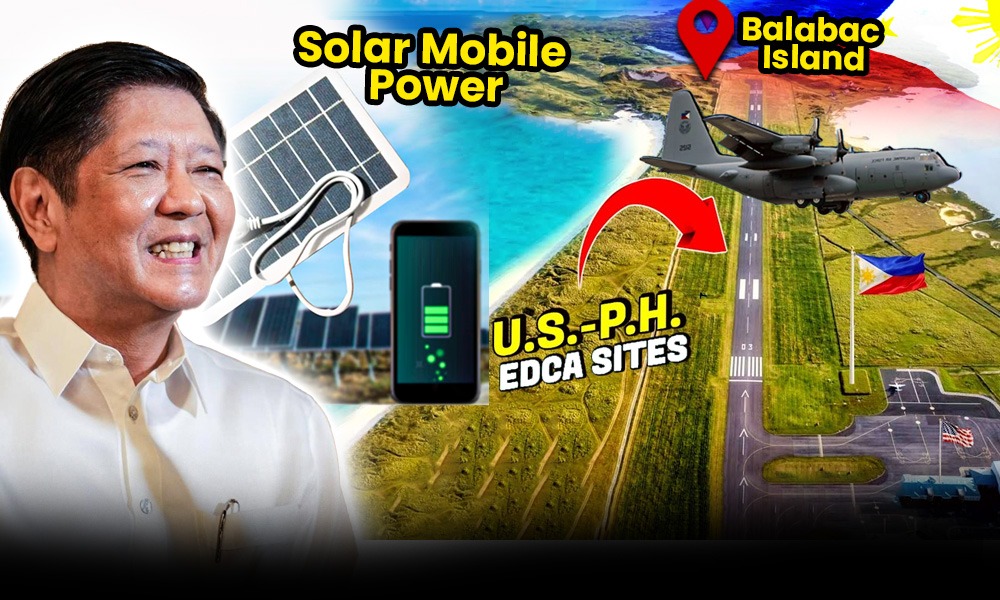
Picture this: On October 3, 2025, under the tropical sun of Palawan, the Philippine Department of Energy (DOE) flipped the switch on a revolutionary solar mobile power system—the Mobile Energy System (MES)—bringing reliable, clean electricity to one of the country’s most isolated spots. This isn’t just another panel on a roof; it’s a self-contained, trailer-mounted powerhouse packed with cutting-edge battery storage, designed to conquer off-grid solar power challenges in remote islands. It’s a bold step in the Philippines renewable energy push, backed by a powerhouse partnership: DOE, National Power Corporation (NPC), and the Armed Forces of the Philippines (AFP), who handled the tough logistics and security in this far-flung frontier.
At the heart of it all is the Energy Secure Philippines Activity (ESPA), a US-funded initiative that’s turbocharging decentralized renewable energy across the archipelago. Energy Secretary Sharon Garin nailed it during the launch: “Under President Ferdinand Marcos Jr.’s vision, we’re not just flipping lights on—we’re sparking opportunities, bolstering security, and building resilience for Balabac Island folks.” This DOE Balabac solar launch isn’t only about green power; it’s a smart blend of energy development, national resilience, and geopolitical strategy, proving solar energy Palawan can fuel both homes and homeland defense.
Why Balabac? The Strategic Heart of a Remote Paradise
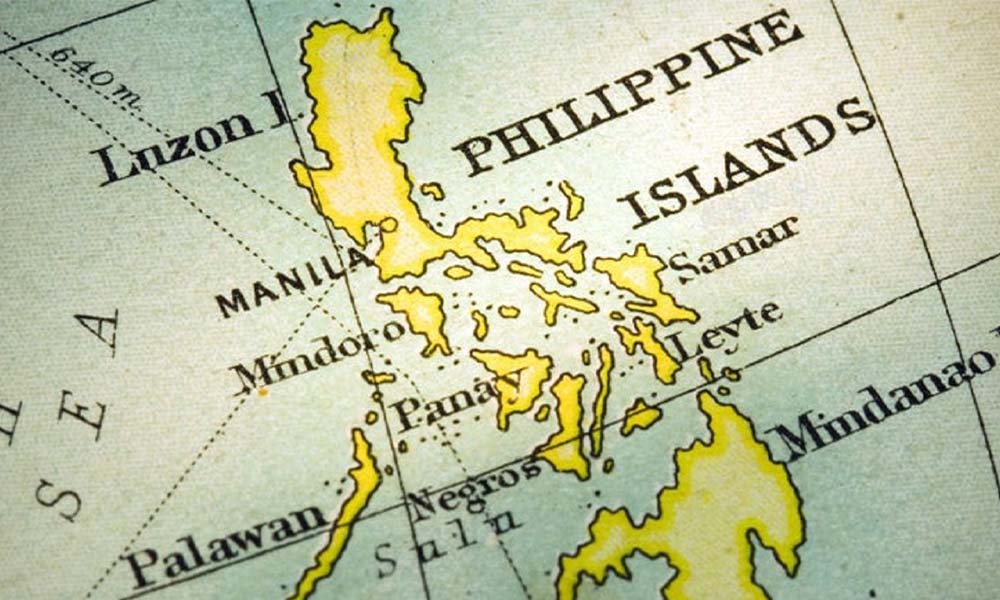
Nestled at Palawan’s southern tip, Balabac Island is the Philippines’ southernmost gem, hugging the Malaysia maritime boundary and guarding key Sulu and Celebes Seas shipping lanes. Forget postcard beaches—this place is a maritime security outpost, vital for Philippines sovereignty in a tense neighborhood. But for its 40,000 residents, life has been a daily grind: flickering diesel generators that guzzle fuel, spew pollution, and black out when supplies run dry.
Enter the MES Balabac—a fix tailored for climate resilient energy Philippines. Pre-launch studies showed a 1.5 MW solar PV farm could power the island through 2030, ditching fossils for sun-soaked savings. This Balabac Island solar project slashes costs, cuts emissions, and ignites local vibes: think thriving fisheries, buzzing schools, and fortified outposts. It’s inclusive growth meets national security, turning a vulnerable edge into a resilient beacon.
Tech Deep Dive: Inside the Mobile Energy System (MES)
Let’s geek out on the Mobile Energy System (MES)—the star of the DOE Balabac launch. Housed in a rugged 20-foot trailer, this beast is built for adventure: ship it, truck it, or airlift it to any geographically isolated area (GIDA) without breaking a sweat. Quick-setup means power where you need it, when you need it—perfect for off-grid solar power Philippines headaches.
Specs that shine:
- Solar Array: 9.18 kWp PV panels, tuned for tropical sunlight—harvesting every ray.
- Hybrid Inverter: 60 kVA smart brain, juggling solar and storage like a pro.
- Battery Beast: 102.4 kWh lithium-ion storage, stashing daytime juice for 24/7 flow, rain or shine.
No more diesel drama: This setup reduces emissions by 90% and maintenance costs by half. DOE and NPC say it’s enough to juice Balabac Central School, health clinics, comms towers, and even defense command posts. First-timers in the barangays are already buzzing—kids studying late, docs chilling vaccines, and emergency alerts pinging non-stop.
This MES Philippines is more than a gadget; it’s a proof-of-concept for nationwide rollout. DOE eyes expansions to southern Palawan and Sulu Archipelago, where energy insecurity stalls progress. Aligned with ESPA, it’s climate-resilient energy that empowers and protects.
Philippines Draws Line Against China: ‘Scarborough Will Not Become Another Mischief Reef’
Real Impacts: From Wallets to Borders
NPC boss Koko Nograles sums it up: “Energy access is the spark of inclusive growth and resilience—lifting Balabac from the shadows.” Here’s how this solar energy Palawan win shakes things up:
Socio-Economic Boost
- Education: Balabac Central School goes digital—night classes, online tools, brighter futures.
- Healthcare: Fridges hum for vaccines; docs connect seamlessly.
- Livelihoods: Fishermen ice their catch; shops run late—PHP 480K annual savings from ditching diesel (per 70kWh benchmarks).
Rural-urban gap? Closing fast, pulling 40,000 Balabac residents into the modern economy.
Environmental Wins
Diesel’s dirty days are over: Fuel imports drop, carbon footprint shrinks, noise fades. DOE Secretary Raphael Lotilla says: “Saved pesos fuel communities; local kWhs mean energy independence.” It supercharges National Renewable Energy Program (NREP) and Philippine Energy Plan (PEP) 2023–2050—aiming for 35% renewables by 2030.
Security & Resilience Edge
Modular magic: Deploy post-typhoon (like in Cagayan’s Lal-lo/Santa Ana). In Balabac, it powers radar, comms, and command centers—merging energy security with territorial defense. AFP logistics make it a force multiplier in Sulu-Celebes hotspots.
This Balabac Island renewable energy trio—social, green, secure—embodies sustainable development Philippines.
China’s Bombers Move In, Manila Refuses to Back Down – South China Sea Crisis Escalates
The Bigger Picture: DOE’s Renewable Revolution
The MES Balabac isn’t solo—it’s the crown jewel in DOE’s renewable energy strategy. Fueled by USAID ESPA, it’s US-PH teamwork on clean energy systems: tech transfers, training, and builds. AFP seals the deal with transport and security, proving whole-of-government wins.
Policy powerhouse: Ties into PEP 2023–2050 for 50% renewables by 2040, MEDP for missionary electrification, and Paris Agreement pledges. MES is the adaptable hero—portable, tough, cheap—for island municipalities.
Secretary Lotilla beams: “Innovation + collaboration = sustainable tomorrow.” From Batanes to Sulu, it’s scaling decentralized solar solutions.
Looking Ahead: Bright Horizons for Philippine Clean Energy
The DOE Balabac solar project is a triumph of grit and green tech, zapping energy poverty in a strategic hotspot. It’s inclusive growth incarnate—electricity as a right, not luxury—while fortifying maritime frontiers.
Future? DOE rolls out more MES units to Palawan, Sulu, and Batanes. Green Energy Auction 4 (GEA-4) unleashes IRESS (solar + BESS) for grid smarts. This movement lights lives, guards borders, and cements Philippines energy security.
Balabac MES: Not an end, but a sunrise for renewable energy Philippines 2025.