Welcome to The Pacific Report. In today’s episode, we’re sailing into the heart of the South China Sea, a region rich in resources and rife with geopolitical tensions. As the renowned China military expert Oriana Skylar Mastro insightfully put it, ‘Even against this backdrop, China’s official position is that it remains committed to a peaceful resolution of the South China Sea issue. And the rhetoric China employs at different times does make for a fascinating contrast.’
From being a major shipping route to housing abundant oil and gas reserves, the South China Sea has become a coveted prize for several nations, including China, Malaysia, Brunei, the Philippines, and Vietnam. Yet, it’s China’s expansive claims, marked by its infamous ‘nine-dash line,’ that have ignited fears and stoked tensions in the region.
Malaysia’s Stance and the Economic Considerations
Malaysia, with its extensive coastline and rich maritime heritage, has found itself increasingly entangled in the South China Sea dispute. Chinese vessels, particularly those belonging to its coastguard, have repeatedly encroached upon Malaysia’s exclusive economic zone (EEZ), especially around the resource-rich waters of Sabah and Sarawak. These incursions, which often involve large, heavily armed ships, have escalated in recent years, fueled by the discovery of substantial oil and gas deposits within Malaysia’s EEZ.
Despite the growing frequency and intensity of these incursions, Malaysia has largely adopted a cautious and accommodating approach towards China. This stance is motivated by a complex web of factors, including economic considerations, historical ties, and a desire to avoid direct confrontation with a much larger and more powerful neighbor.
In terms of economic considerations, Malaysia’s economy is heavily reliant on trade with China, its largest trading partner. In 2022, the total trade value between Malaysia and China was about 17.1% of Malaysia’s total global trade worth 2.8 trillion Malaysian Ringgit. The total trade between the two countries in 2022 was 487.13 billion Malaysian Ringgit, which is an increase of 15.6% compared to the previous year. Malaysia is wary of jeopardizing this lucrative relationship by taking a hardline stance on the territorial dispute.
However, this conciliatory approach has not gone unchallenged. Toshi Yoshihara, a renowned expert on China’s military and a senior fellow at the Center for Strategic and Budgetary Assessments in Washington, has cautioned Malaysia against prioritizing short-term economic gains over long-term strategic interests. He argues that appeasing China in the South China Sea could have dire consequences for Malaysia in the future, potentially leading to economic penalties, territorial concessions, and regional instability.
Yoshihara’s warning was echoed by the remarks of former Malaysian Prime Minister Mahathir Mohamad, who suggested that Malaysia should accept China’s claims over the disputed waters as long as Chinese vessels do not impede the free passage of ships through the South China Sea. This stance, however, sparked widespread criticism, with many accusing Mahathir of undermining Malaysia’s sovereignty and emboldening China’s assertive behavior.
The Philippine Approach: A Case Study in Confrontation
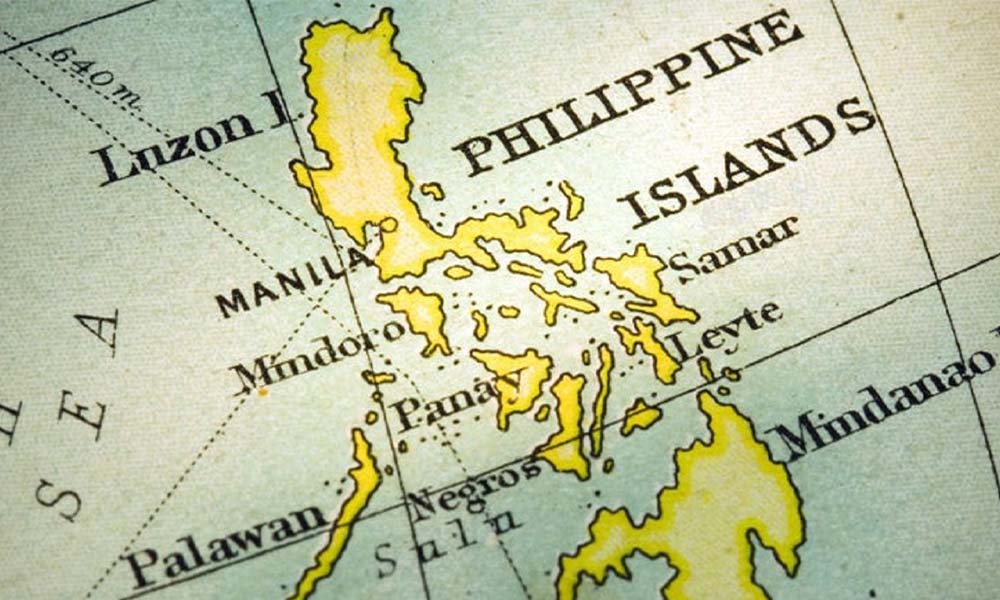
In contrast to Malaysia’s cautious approach, the Philippines has taken a more confrontational stance against China’s maritime claims. The Philippine navy has actively documented its encounters with Chinese vessels, releasing footage and images of tense standoffs and near-collisions in the South China Sea. This strategy has not only exposed China’s aggressive tactics but has also garnered international support for the Philippines’ position.
During several of these encounters, Chinese ships have employed water cannons against Philippine vessels, causing damage and injuring crew members. This use of force, while not lethal, has raised concerns about the potential for escalation and has drawn condemnation from the international community.
Philippine President Ferdinand Marcos Jr. has taken a firm stance on the issue, warning China that any harm inflicted upon Filipino citizens or military personnel would be considered an act of war. This bold declaration has resonated with many in the region who share concerns about China’s growing assertiveness in the South China Sea.
Lessons for Malaysia: A Delicate Balancing Act
The Philippine experience offers valuable lessons for Malaysia as it navigates the complex and often treacherous waters of the South China Sea dispute. By taking a more proactive approach to documenting and publicizing Chinese incursions, Malaysia could raise international awareness of the issue and garner support for its own claims. Furthermore, by strengthening its naval capabilities and enhancing cooperation with regional partners, Malaysia could deter further Chinese aggression and protect its maritime interests.
However, Malaysia’s unique circumstances require a delicate balancing act. The country’s economy is deeply intertwined with China’s, and any drastic action could have severe repercussions. Therefore, Malaysia must pursue a multi-pronged strategy that combines diplomacy, economic engagement, and military preparedness.
Diplomacy remains a crucial tool for managing the dispute. Malaysia should continue to engage with China through bilateral and multilateral channels, seeking peaceful resolutions and upholding international law. At the same time, Malaysia should strengthen its ties with other claimant states, such as Vietnam and the Philippines, and foster cooperation on maritime security issues.
Economic engagement is also essential. While Malaysia should not be overly reliant on China, it should continue to promote trade and investment ties, while diversifying its economic partnerships with other countries. This would not only reduce Malaysia’s vulnerability to Chinese economic pressure but also enhance its leverage in negotiations.
Military preparedness is a critical component of Malaysia’s strategy. By modernizing its navy and air force, and by conducting joint exercises with regional partners, Malaysia can demonstrate its resolve to defend its territorial integrity and deter further Chinese encroachments.
Conclusion: Charting a Course Towards Peace and Stability
The South China Sea dispute is a complex and multifaceted issue with no easy solutions¹. However, by learning from the experiences of other claimant states, such as the Philippines, and by adopting a balanced and comprehensive approach, Malaysia can safeguard its national interests, protect its sovereignty, and contribute to peace and stability in the region.
Malaysia’s future in the South China Sea depends on its ability to navigate the turbulent waters of geopolitics with wisdom, resolve, and a steadfast commitment to its own values and principles¹. Only then can it hope to emerge from this crisis stronger and more resilient, ensuring a prosperous and secure future for generations to come.