The JIA HAI KE 7 Incident Shows Why Maritime Surveillance Matters
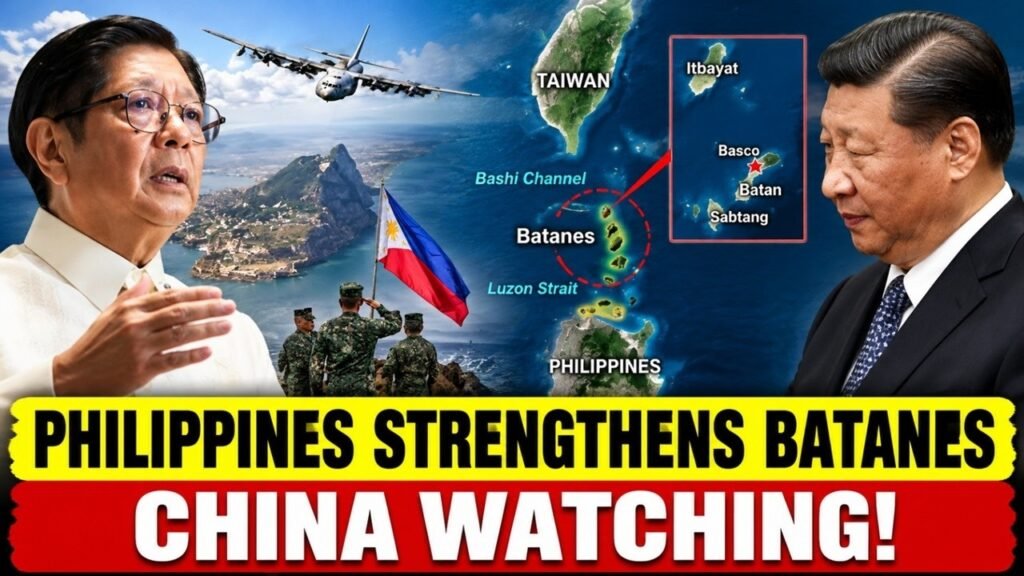
Batanes has gained additional attention as tensions between the Philippines and China have continued across the wider South China Sea and Western Pacific. Its location places the province close to Taiwan and near maritime routes that could become increasingly important during a regional crisis. This does not mean that conflict around Taiwan would automatically involve Batanes, but the province’s geographic position makes it relevant to any serious discussion about northern Philippine security. The importance of Batanes also increased after Chinese scholars publicly questioned the historical basis of Philippine sovereignty over the islands in 2026. Such statements generated concern in the Philippines, particularly because they appeared at a time when Batanes was already receiving greater military and maritime attention. However, it is important to distinguish between statements made by individual scholars and an official territorial claim by the Chinese government. A careful analysis should not turn an academic or political argument into something more than the available evidence establishes.
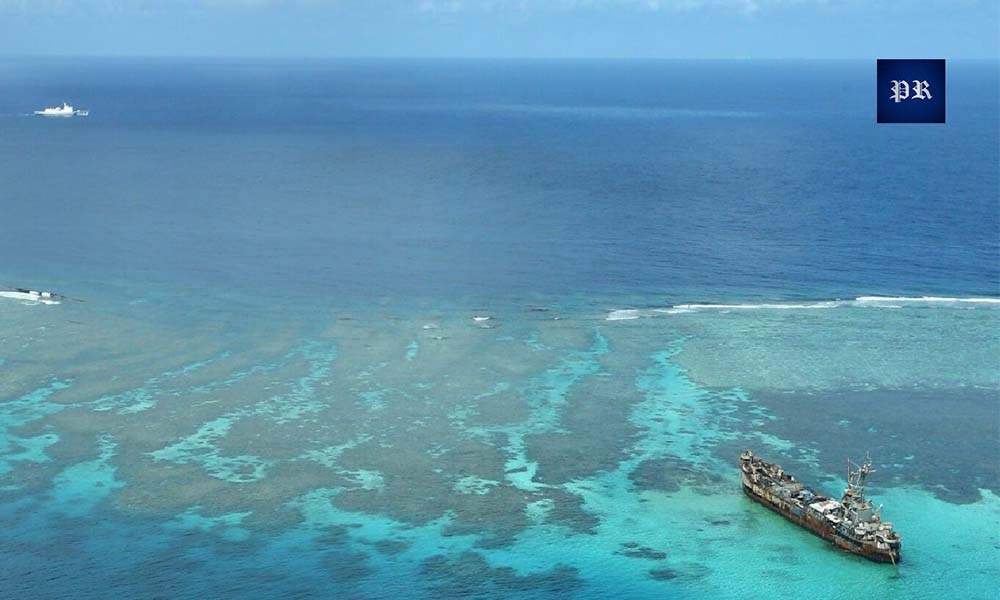
For Manila, the broader issue is that sovereignty is reinforced not only through diplomatic statements but also through effective administration and continued national presence. Roads, ports, airports, communications networks, government services and economic connections all demonstrate that Batanes is an integrated part of the Philippines. The stronger these connections become, the more difficult it becomes to treat the province as an isolated or strategically detached territory. The strategic importance of Batanes became particularly visible during the Philippine encounter with the Chinese research vessel JIA HAI KE 7 near Itbayat. Philippine authorities said the vessel was operating inside the country’s exclusive economic zone and raised concerns about its activity and movements. The Philippine Coast Guard monitored the vessel, challenged it by radio and deployed additional assets to establish a closer presence in the area.
Balikatan and the Military Experiment in Batanes
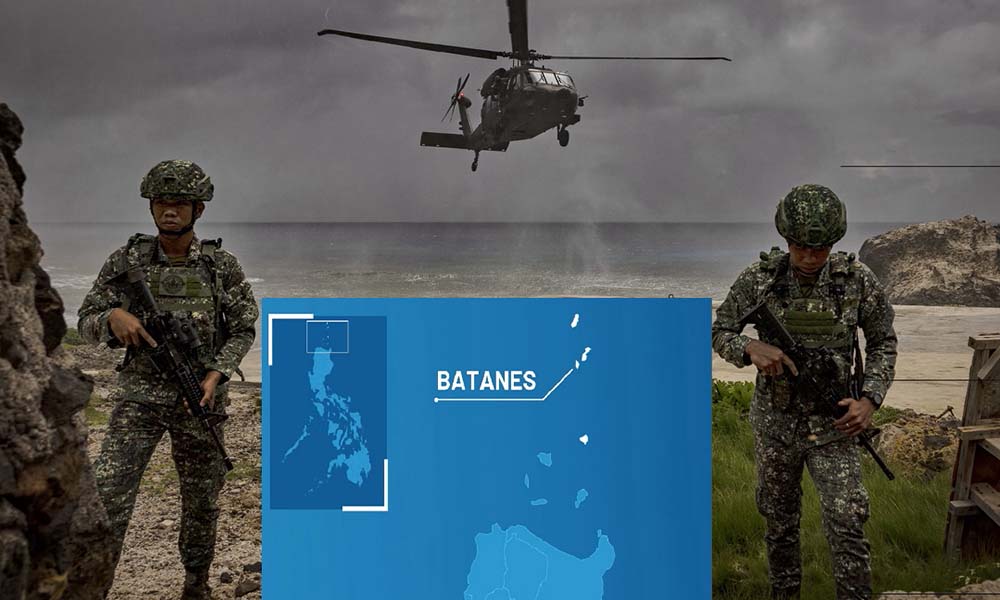
The Philippines and the United States have already tested the strategic potential of Batanes through military exercises. During Balikatan, American and Philippine forces demonstrated their ability to move personnel and equipment into northern Philippine locations and operate from geographically dispersed positions. These activities provided a practical test of how relatively small expeditionary forces could function in an island environment far from major military bases. One of the most significant demonstrations involved the U.S. Marine Corps’ Navy-Marine Expeditionary Ship Interdiction System, commonly known as NMESIS. The deployment of this mobile anti-ship capability on Batan Island demonstrated that modern military forces do not necessarily need to depend on large permanent bases. Equipment can be transported to strategically important locations, established temporarily and supported by surveillance and communications systems.
The larger lesson from these exercises is mobility. Batanes does not need to become a heavily fortified military island to have strategic importance. Instead, the Philippines can develop the ability to move aircraft, ships, personnel, sensors and other equipment into the province when circumstances require it. This approach gives Manila greater flexibility while reducing the need for a massive permanent military footprint.The incident demonstrated why maritime-domain awareness is becoming one of the most important parts of the Philippines’ northern security strategy. A country cannot respond effectively to vessels or activities that it cannot detect. Surveillance systems, aircraft, patrol vessels and communications networks therefore become the first layer of national security. Before a government can decide whether a vessel is commercial, scientific, coast guard or military, it needs to know where that vessel is and what it is doing. The encounter also showed that maritime security does not necessarily mean military confrontation. A research vessel is not automatically a warship, and a maritime dispute does not automatically mean armed conflict. Coast Guard vessels can play an important role in managing such situations while reducing the risk of unnecessary escalation. For the Philippines, the ability to detect, identify, monitor and communicate with foreign vessels is therefore just as important as having larger military platforms.
Why Infrastructure May Matter More Than Missiles
Military hardware receives most of the attention whenever Batanes is discussed, but infrastructure may ultimately determine whether the province can function as a durable strategic position. A missile system or surveillance platform can be transported to an island, but it cannot operate indefinitely without electricity, fuel, maintenance, communications, food, personnel and spare parts. This makes infrastructure a central part of national security. Ports allow supplies and equipment to arrive. Airports provide rapid transportation and emergency access. Roads connect communities and facilities. Reliable electricity keeps communications and essential services operating. Telecommunications allow local authorities to remain connected with national agencies. Fuel storage provides an additional layer of resilience when transportation becomes difficult. For Batanes, these requirements are particularly important because the province is geographically isolated and exposed to severe weather. A typhoon can disrupt transportation and supply chains even without any military crisis. If the Philippines wants to maintain a reliable strategic presence in the province, it must therefore build infrastructure capable of supporting both civilian life and emergency government operations.
Basco Port and the Civilian Foundation of Batanes’ Strategic Role
The development of Basco Port illustrates how civilian infrastructure can have strategic consequences without being a military project. Improvements to the port can strengthen trade, tourism, fishing, transportation and the movement of essential supplies. These benefits directly affect the daily lives of Batanes residents and can help reduce the province’s geographic isolation from the rest of the Philippines. At the same time, a stronger port gives the government more options during an emergency. Coast Guard vessels, government ships, humanitarian assets and supply vessels require functioning port facilities. If a major typhoon damages infrastructure elsewhere or transportation routes are disrupted, the ability to receive supplies and move personnel becomes extremely important. This is why the strategic value of Basco Port should not be measured only by military activity. Its most important contribution may be its ability to strengthen the overall resilience of the province. A Batanes that is better connected economically and logistically is also a Batanes that is easier for the Philippine government to support during a crisis.
Batanes should not be viewed as an isolated military position. Its importance increases when it is considered together with northern Luzon and Cagayan. These locations form part of a wider geographic network surrounding the Luzon Strait. Instead of concentrating every capability in one large military base, the Philippines can potentially distribute sensors, logistics, aircraft and defense assets across several locations. This distributed approach is particularly relevant to the Philippines because the country is an archipelago. Geographic dispersion is already a natural characteristic of the country. The challenge is connecting those separate locations through reliable communications, transportation and logistics. Military exercises with the United States have increasingly tested how forces can move and operate across this dispersed environment. The advantage of such a system is flexibility. If one location becomes unavailable because of weather, technical problems or a security incident, other locations can potentially continue supporting operations. But dispersion also creates challenges because every location needs supplies, communications and coordination. That is why Batanes’ future strategic role will depend on how well it is connected to the broader Philippine national network.
The Real Batanes Strategic Shield Is a Combination of Capabilities
The phrase “strategic shield” can sound as though Batanes is simply becoming a missile platform. The reality is much more complicated. A genuine strategic shield would consist of several connected capabilities working together. Maritime surveillance would provide information about activity around the islands. Aircraft and ships would provide mobility. Ports and airports would support logistics. Communications would connect local and national authorities. Military systems would provide additional deterrence and response options. If one of these elements is missing, the entire system becomes weaker. Surveillance without response provides information but limited action. Military equipment without logistics cannot remain operational for long. A port without reliable transportation connections cannot solve every supply problem. Communications without power become useless during an extended outage.
The strength of Batanes therefore comes from integration rather than from any single weapon system. The more effectively Manila can connect surveillance, transportation, infrastructure, civilian services and defense capabilities, the more useful the province becomes as a strategic position.The Philippines has already demonstrated several important capabilities in Batanes, but maintaining a long-term strategic presence is much more difficult than conducting a military exercise. A temporary deployment can prove that equipment can reach the islands. A real crisis would test whether that equipment can remain operational for weeks or months. The Philippines would need reliable fuel supplies, food, spare parts, communications, electricity and transportation. Personnel would need accommodation and medical support. Ports and airfields would need to remain functional. Government agencies would have to continue providing services to civilians while also responding to security developments. That is why the long-term success of the Batanes strategy will depend on sustained investment rather than a single major defense project. The province needs a system that works during normal conditions and remains functional during emergencies. If Manila can achieve that balance, Batanes could become a durable strategic asset without requiring the construction of a huge permanent military fortress.
China Rejects Philippines’ New South China Sea Chart — Manila Just Drew a Line
Batanes Does Not Need to Become a Military Fortress
There is a natural temptation to describe Batanes as a future military fortress because of its location near Taiwan and the Bashi Channel. But the fortress model may not be the most effective way to understand what is happening. Modern military planning increasingly emphasizes mobility, dispersion, surveillance and resilience rather than placing every important capability inside one heavily fortified location. A more flexible Batanes strategy would allow the Philippines to maintain a strong civilian presence while retaining the ability to move defense capabilities into the islands when necessary. This approach would reduce the pressure to permanently militarize every part of the province while still improving national security. The civilian population must remain central to this strategy. Batanes is not simply a military position on a map. It is a province where people live, work, operate businesses, fish, travel and raise families. Infrastructure that improves their daily lives can also strengthen national resilience. That combination may ultimately provide a more sustainable form of strategic security than military infrastructure alone.
The biggest security challenge for Batanes may not always be a military confrontation. Remote islands can become vulnerable because of disrupted supply chains, damaged ports, severe weather, communications failures or economic pressure. A province that cannot receive essential supplies quickly can become vulnerable even without a direct attack. That is why resilience needs to become a central part of the Batanes strategy. Better transportation, stronger communications, reliable power, improved ports and a healthier local economy can all reduce the province’s vulnerability. These improvements may appear primarily civilian, but they also strengthen the government’s ability to maintain its presence during difficult circumstances. The concept is simple: a strategically important island must be capable of functioning. If residents can continue receiving food, fuel, medical care and government services during a crisis, the state is better positioned to maintain sovereignty and respond to external pressure.
From a Remote Philippine Province to a Strategic Position
For many years, Batanes was viewed primarily as one of the Philippines’ most remote provinces. Its distance from Manila made it seem isolated from the country’s major strategic centers. But its location tells a different story. The province sits beside the Luzon Strait, near Taiwan and close to maritime routes connecting the South China Sea with the Western Pacific. That geography cannot be changed, but Manila’s ability to use it can change. Military exercises have shown that equipment can be moved into the islands. Maritime incidents have demonstrated the importance of surveillance. Port development is improving civilian connectivity. Communications and transportation improvements can make the province more resilient. The result is a gradual transformation in how Batanes should be viewed. It is no longer simply a remote northern province. It is becoming an important part of the Philippines’ broader network of sovereignty, maritime awareness, infrastructure and defense readiness.
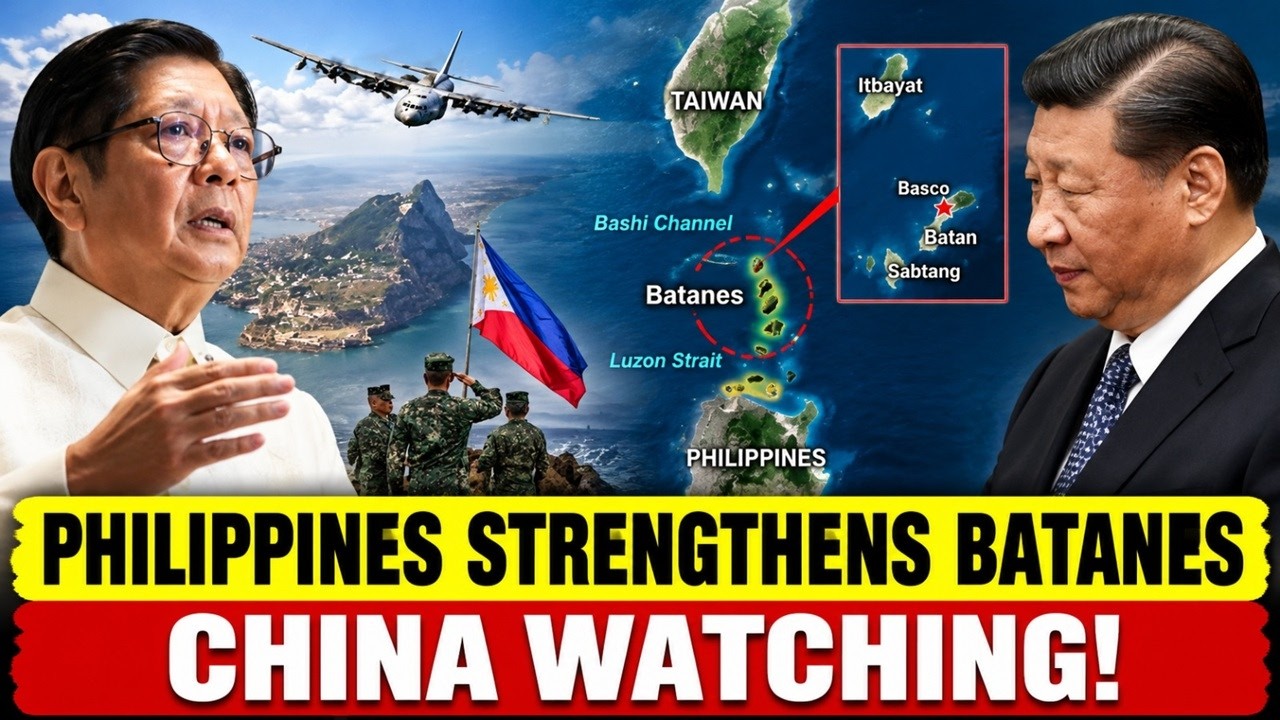
The most important part of the Batanes strategy may not be a missile launcher or a military exercise. It may simply be the ability to remain. The ability to continue operating ships and aircraft, maintain communications, provide electricity, move fuel and supplies, support civilians and keep government services functioning can be more strategically important than any single weapons system. That is what turns geography into lasting strategic power. Batanes already has the location. What Manila is now developing is the capacity to use that location effectively. The Philippines therefore does not necessarily need to transform Batanes into a giant military fortress. A more sustainable approach would be to build a resilient province that can function normally during peacetime and remain operational during a serious regional crisis. If the Philippines can successfully connect maritime surveillance, infrastructure, mobility, civilian resilience and defense capabilities, Batanes could become one of the most important strategic positions in the northern Philippines without losing its identity as a civilian province.