Philippines Is Building a 12-Frigate Navy China Won’t Like This Move
The Philippine Navy is undergoing one of the most significant transformations in its modern history. For decades, its primary mission focused on coastal defense, disaster response, and internal security. However, the rapidly changing security environment in the Indo-Pacific, particularly the growing tensions in the West Philippine Sea, has forced Manila to rethink its maritime strategy. The commissioning of the first Miguel Malvar-class guided-missile frigates marked more than just the arrival of new warships; it represented a strategic shift toward building a navy capable of protecting the country’s vast Exclusive Economic Zone and safeguarding its national interests against increasingly complex regional challenges.
This modernization is being driven by the Armed Forces of the Philippines Modernization Program, which seeks to replace aging platforms with advanced naval assets equipped with modern sensors, missiles, and combat systems. Rather than relying on outdated vessels with limited endurance, the Philippine Navy is now investing in ships that can conduct long-range patrols, participate in multinational exercises, and respond more effectively to maritime security challenges. This transformation reflects a broader recognition that maritime security has become central to the country’s national defense strategy.
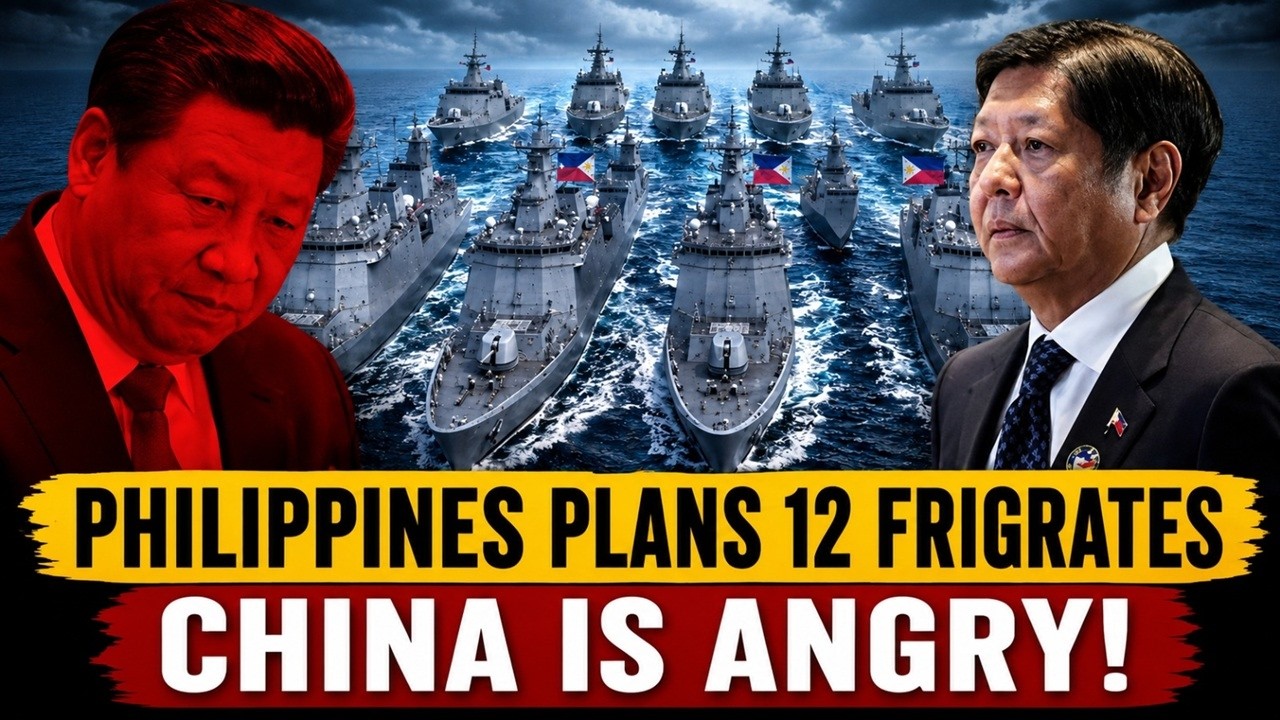
Reports suggesting that President Ferdinand Marcos Jr. has requested six additional Miguel Malvar Flight IV frigates have further intensified discussions about the future of the Philippine Navy. If approved, the total fleet could eventually reach twelve guided-missile frigates, creating the largest and most capable surface combatant force the country has ever possessed. Although these reports have not yet resulted in confirmed procurement contracts, they indicate a long-term vision aimed at strengthening maritime deterrence and ensuring a continuous naval presence across key strategic waters.
The significance of this development extends beyond fleet expansion. A larger and more capable navy would enable the Philippines to maintain operational readiness, rotate ships through maintenance without leaving critical areas exposed, and deepen cooperation with regional partners. As the Indo-Pacific becomes an increasingly contested region, the Philippine Navy’s modernization is emerging as a key pillar of Manila’s broader defense and foreign policy objectives.
Why the Philippines Needs More Modern Frigates
The Philippines is an archipelagic nation consisting of more than 7,600 islands, making maritime security one of its most important national priorities. Unlike countries with a single coastline, the Philippines must safeguard multiple strategic waterways, shipping routes, fishing grounds, and an Exclusive Economic Zone (EEZ) covering more than 2.2 million square kilometers. For decades, however, the Philippine Navy operated with an aging fleet that lacked the endurance, advanced sensors, and firepower needed to effectively monitor and defend these vast maritime areas. As regional security challenges intensified, it became increasingly clear that the country’s existing naval capabilities were no longer sufficient to meet modern threats.
The growing number of confrontations in the West Philippine Sea has become one of the primary reasons behind the country’s naval modernization efforts. Philippine Coast Guard and Navy vessels have repeatedly encountered Chinese Coast Guard ships and maritime militia vessels during routine patrols and resupply missions. These incidents have highlighted the need for a stronger naval presence capable of conducting continuous patrols, protecting sovereign rights, and ensuring freedom of navigation within Philippine waters. Modern frigates provide not only enhanced combat capabilities but also a stronger deterrent by demonstrating the country’s commitment to defending its maritime interests.
Another important reason for acquiring additional frigates is the changing nature of naval warfare. Today’s maritime operations require ships equipped with sophisticated radar systems, anti-air missiles, anti-ship weapons, anti-submarine warfare capabilities, and integrated combat management systems. Modern frigates like the Miguel Malvar-class are designed to perform multiple missions simultaneously, including maritime surveillance, escort operations, humanitarian assistance, disaster response, and participation in multinational naval exercises. Their advanced technology allows them to operate effectively in both peacetime and high-threat environments, making them one of the most versatile assets in any modern navy.
The acquisition of more advanced frigates also supports the Philippines’ long-term defense strategy under the Armed Forces Modernization Program. Rather than responding only to immediate security concerns, Manila is investing in capabilities that will remain relevant for decades. By building a larger fleet of modern surface combatants, the Philippine Navy aims to maintain a continuous presence across critical maritime regions while improving interoperability with allies such as the United States, Japan, Australia, and South Korea. This modernization reflects a strategic shift from a force focused primarily on internal security toward one capable of protecting national interests throughout the wider Indo-Pacific region.
The Road Toward a 12-Frigate Fleet
When the first two Miguel Malvar-class frigates entered service, many observers viewed them as the completion of another phase in the Philippine Navy’s modernization program. However, events quickly demonstrated that these initial vessels were only the beginning of a much more ambitious long-term strategy. Following the successful commissioning of the first ships, the Department of National Defense announced plans to acquire two additional frigates through a repeat-order program, signaling strong confidence in the design, operational performance, and strategic value of the Miguel Malvar-class.
The modernization effort gained even greater momentum as defense planning documents revealed expectations for another two frigates under the next phase of the Armed Forces of the Philippines Modernization Program. This indicated that the Miguel Malvar-class was gradually evolving from a limited procurement project into the future backbone of the Philippine Navy’s surface combatant fleet. Rather than introducing multiple classes of ships with different maintenance and training requirements, Manila appeared to be focusing on expanding a single, highly capable platform that could serve multiple operational roles across the country’s maritime domain.
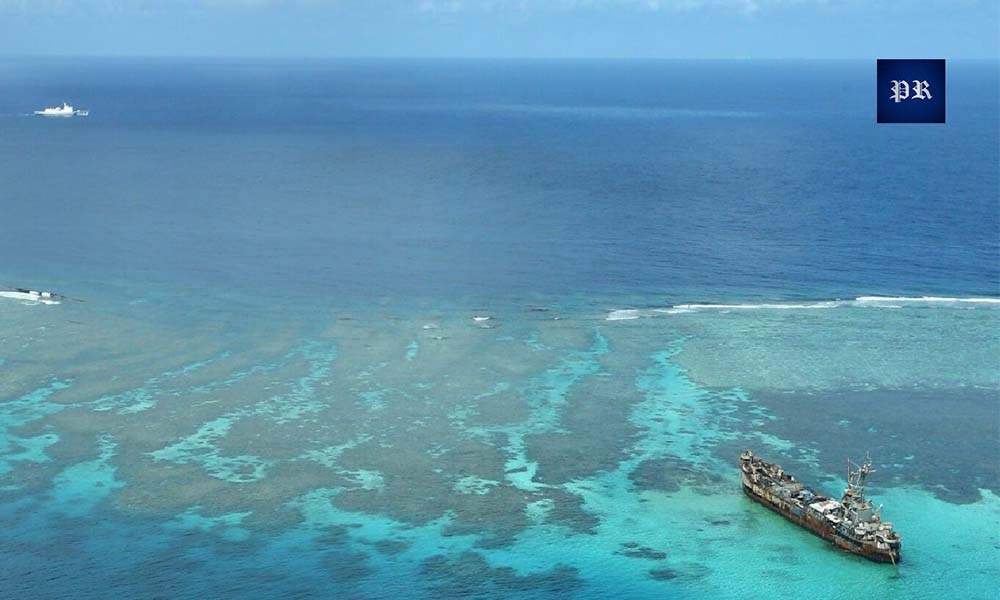
How China Took Over Mischief Reef – Can the Philippines Stop It?
The discussion reached a new level following reports that President Ferdinand Marcos Jr. had reportedly requested six additional Miguel Malvar Flight IV frigates. Although these reports have not yet resulted in officially approved contracts or budget allocations, they have generated significant interest among defense analysts and regional observers. If the proposal eventually receives government approval, the Philippine Navy could field a total of twelve Miguel Malvar-class guided-missile frigates, creating the largest and most capable surface fleet in the nation’s history. Such an expansion would represent a transformational shift rather than a routine procurement program.
A twelve-frigate fleet would provide the Philippine Navy with greater operational flexibility and sustained maritime presence. With multiple ships available for deployment while others undergo maintenance, training, or modernization, the Navy would be better positioned to conduct continuous patrols throughout the West Philippine Sea and other strategic waterways. It would also strengthen the country’s ability to participate in multinational exercises, humanitarian missions, disaster response operations, and regional security initiatives. More importantly, it would demonstrate Manila’s commitment to building a credible maritime force capable of protecting national interests in an increasingly competitive Indo-Pacific security environment.
Why Geography Makes a Larger Fleet Essential
The Philippines is one of the world’s largest archipelagic nations, with more than 7,600 islands spread across a vast maritime area. This unique geography presents both opportunities and security challenges that few countries face. Unlike nations with a single coastline, the Philippines must safeguard multiple seas, international shipping lanes, fishing grounds, and strategic chokepoints simultaneously. Its Exclusive Economic Zone (EEZ), covering more than 2.2 million square kilometers, contains valuable natural resources, rich fishing areas, and important energy reserves that are vital to the country’s economy and long-term development. Protecting such an enormous maritime domain requires far more than a small fleet of patrol vessels; it demands a navy capable of maintaining a continuous presence across several regions at the same time.
The West Philippine Sea has become the focal point of these security concerns. Over the past several years, Philippine vessels have encountered repeated challenges while conducting routine patrols and resupply missions in disputed waters. At the same time, the country must also monitor the Luzon Strait, one of the world’s most strategically important waterways connecting the Pacific Ocean to the South China Sea. Other areas, including Benham Rise, the Philippine Sea, and the Sulu Sea, also require regular naval patrols to prevent illegal fishing, smuggling, piracy, and other maritime security threats. These responsibilities illustrate why the Philippine Navy cannot concentrate all of its resources in a single location.
One of the biggest misconceptions surrounding the proposal for twelve frigates is the assumption that all twelve ships would always be available for operations. In reality, modern naval fleets operate on carefully planned maintenance and deployment cycles. While some vessels are deployed at sea, others undergo scheduled maintenance, system upgrades, crew training, or logistical replenishment. This means that even a fleet of twelve advanced frigates may have only four to six ships available for sustained operational missions at any given time. Nevertheless, this level of availability would still allow the Philippine Navy to maintain a far more consistent and effective presence across multiple maritime regions than it can today.
A larger fleet also enhances operational flexibility during emergencies. Whether responding to natural disasters, protecting commercial shipping, conducting search-and-rescue missions, or supporting humanitarian assistance operations, additional frigates provide commanders with more options without weakening security in other areas. Continuous naval presence serves not only military purposes but also reinforces national sovereignty by demonstrating that the Philippines is actively monitoring and protecting its maritime territory. In today’s Indo-Pacific security environment, maintaining a visible and capable naval presence has become just as important as possessing advanced weapons systems.
Could Twelve Frigates Really Deter China?
Many observers naturally ask whether a fleet of twelve guided-missile frigates could realistically deter a naval power as large as China. At first glance, the comparison appears uneven because the People’s Liberation Army Navy possesses hundreds of modern warships, supported by one of the world’s largest coast guards and an extensive maritime militia. However, modern deterrence is not measured solely by the total number of ships. Instead, it is based on the ability to raise the cost of aggression, complicate an adversary’s planning, and demonstrate the capability and determination to defend national interests whenever necessary.
A larger Philippine frigate fleet would significantly improve the country’s ability to maintain persistent patrols throughout the West Philippine Sea. Rather than relying on a limited number of ships that must cover enormous distances, multiple frigates could simultaneously escort Coast Guard vessels, monitor disputed waters, respond rapidly to maritime incidents, and support law enforcement operations. This constant operational presence would make it far more difficult for any external actor to exploit temporary gaps in naval coverage or challenge Philippine sovereignty without facing an immediate response. Presence itself becomes a powerful form of deterrence because it signals readiness and commitment.
Equally important is the fact that these frigates would not operate in isolation. Modern military strategy increasingly emphasizes networked operations in which warships, coastal missile batteries, surveillance aircraft, radar systems, satellites, and allied forces work together as a unified defense system. The Philippines has already strengthened defense cooperation with partners such as the United States, Japan, Australia, and South Korea through joint exercises, intelligence sharing, maritime patrols, and technology cooperation. These partnerships enhance the effectiveness of the Philippine Navy by providing greater situational awareness and operational support during peacetime as well as potential crises.
Building an Integrated Naval Combat Network
Modern naval warfare has evolved far beyond individual warships fighting independently at sea. Today’s military operations rely on integrated combat networks in which ships, aircraft, coastal defense systems, satellites, unmanned platforms, and intelligence assets work together to create a unified operational picture. The Philippine Navy’s modernization reflects this changing reality. Rather than viewing the Miguel Malvar-class frigates as standalone assets, defense planners envision them as central components of a much broader maritime security network designed to protect one of the world’s largest maritime domains.
Within this integrated structure, the Miguel Malvar-class and Jose Rizal-class frigates would operate alongside Offshore Patrol Vessels to maintain continuous surveillance across the country’s Exclusive Economic Zone. Advanced AW159 Wildcat helicopters would extend the fleet’s anti-submarine capabilities, while maritime patrol aircraft would provide long-range reconnaissance and real-time intelligence on activities occurring far beyond the horizon. This combination of surface ships and aerial surveillance platforms would allow commanders to detect, monitor, and respond to emerging threats much more rapidly than relying on ships alone.
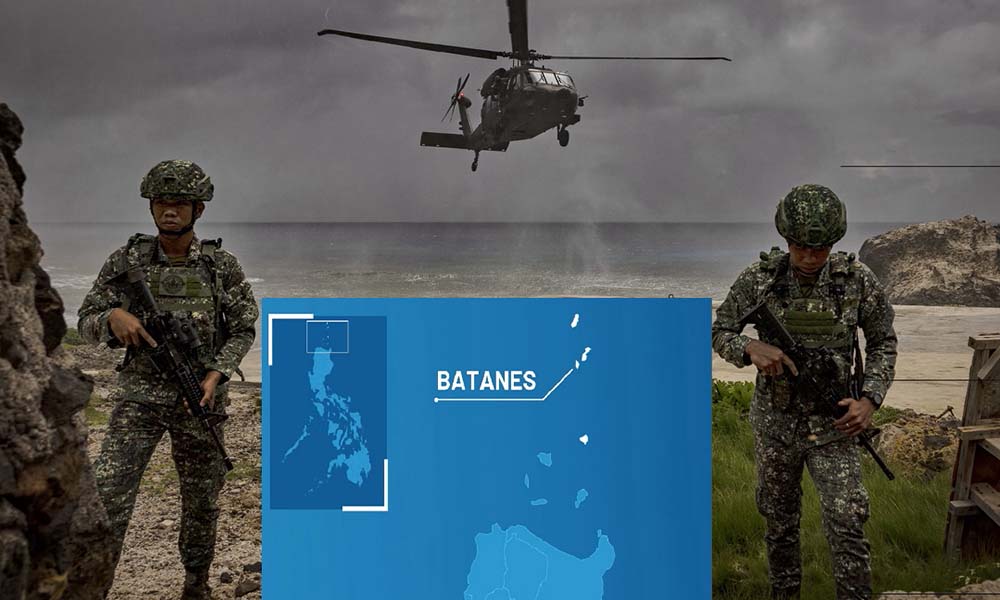
Land-based defense systems further strengthen this growing combat network. The deployment of BrahMos supersonic coastal missile batteries adds another layer of deterrence by providing the Philippines with the capability to engage hostile surface vessels from land. At the same time, expanding radar coverage, satellite surveillance, and modern command-and-control systems improve maritime domain awareness, enabling decision-makers to coordinate military responses more efficiently. Future investments in submarines, unmanned surface vessels, and unmanned aerial systems could make this network even more capable over the coming decade, creating a highly interconnected defense architecture across the country’s maritime territory.
Challenges That Could Shape the Future of the Philippine Navy