Philippines Wins Major U.S. Golden Dome Defense Contract
The Philippines has invested heavily in modernizing its military over the past decade. New warships, coastal missile systems, stronger alliances, and expanded naval patrols all point toward one strategic priority: responding to growing challenges in the South China Sea. Yet many readers ask an important question—if the Philippines also maintains a long-standing claim over Sabah in Malaysia, why has its defense planning focused overwhelmingly on China.
Historical Roots of the Sabah Claim
Drawing from the source material, this issue is best understood by comparing history, geography, military realities, and current security challenges. The Sabah dispute remains primarily diplomatic and historical, while the South China Sea involves frequent maritime encounters, competing EEZ claims, strategic shipping lanes, fisheries, and military competition. Because confrontations occur regularly in the West Philippine Sea, Philippine defense planners prioritize capabilities such as maritime surveillance, coastal defense missiles, modern naval assets, and international security cooperation. This reflects present-day operational needs rather than the abandonment of the Sabah claim.
The Philippine claim to Sabah is rooted in history rather than current military competition. Manila traces its claim to the Sultanate of Sulu, which exercised authority over parts of North Borneo before the territory was administered by the British North Borneo Company under an 1878 agreement. When Malaysia was formed in 1963, Sabah became one of its constituent states, a status recognized by most countries. Although the Philippines has never formally abandoned its claim, successive governments have generally pursued the issue through diplomacy and peaceful dialogue instead of military pressure. The 2013 Lahad Datu incident, in which followers of the Sultan of Sulu entered Sabah and clashed with Malaysian security forces, further reinforced the risks of confrontation and strengthened Manila’s preference for diplomatic engagement.
Why the South China Sea Is Different
Drawing from the source material, this issue is best understood by comparing history, geography, military realities, and current security challenges. The Sabah dispute remains primarily diplomatic and historical, while the South China Sea involves frequent maritime encounters, competing EEZ claims, strategic shipping lanes, fisheries, and military competition. Because confrontations occur regularly in the West Philippine Sea, Philippine defense planners prioritize capabilities such as maritime surveillance, coastal defense missiles, modern naval assets, and international security cooperation. This reflects present-day operational needs rather than the abandonment of the Sabah claim.
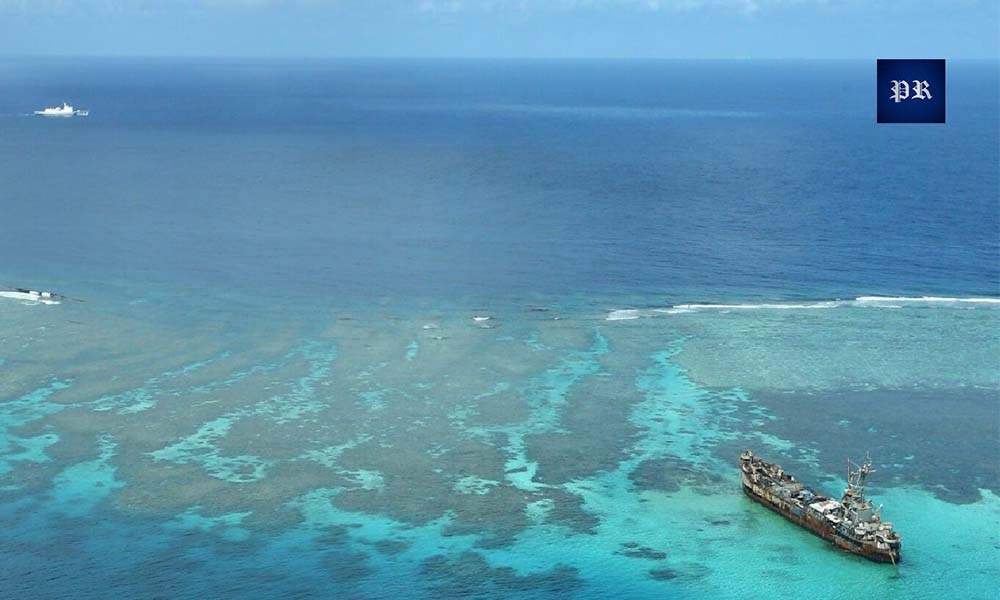
The South China Sea presents a fundamentally different challenge because it is an active geopolitical and security hotspot. Unlike the Sabah dispute, which remains largely dormant, the West Philippine Sea experiences frequent encounters between Philippine and Chinese vessels. China claims most of the South China Sea through its Nine-Dash Line, a claim that overlaps with the Philippines’ Exclusive Economic Zone under the United Nations Convention on the Law of the Sea (UNCLOS). In 2016, the Permanent Court of Arbitration ruled in favor of the Philippines and found that China’s historic rights claim had no legal basis under international law. However, Beijing rejected the ruling and continues to maintain a strong presence in disputed waters, making the issue an immediate security concern.
Geography Drives Strategy
Drawing from the source material, this issue is best understood by comparing history, geography, military realities, and current security challenges. The Sabah dispute remains primarily diplomatic and historical, while the South China Sea involves frequent maritime encounters, competing EEZ claims, strategic shipping lanes, fisheries, and military competition. Because confrontations occur regularly in the West Philippine Sea, Philippine defense planners prioritize capabilities such as maritime surveillance, coastal defense missiles, modern naval assets, and international security cooperation. This reflects present-day operational needs rather than the abandonment of the Sabah claim.
Geography plays a major role in shaping Philippine defense priorities. The country’s western coastline directly faces the West Philippine Sea, where disputed reefs, shoals, and maritime features lie close to Philippine territory. These waters are vital because they support fisheries, contain potential oil and natural gas reserves, and form part of one of the world’s busiest shipping routes through which trillions of dollars in global trade pass every year. Protecting these maritime interests requires continuous naval patrols, maritime surveillance, and rapid response capabilities, making the region a natural focus of defense planning.
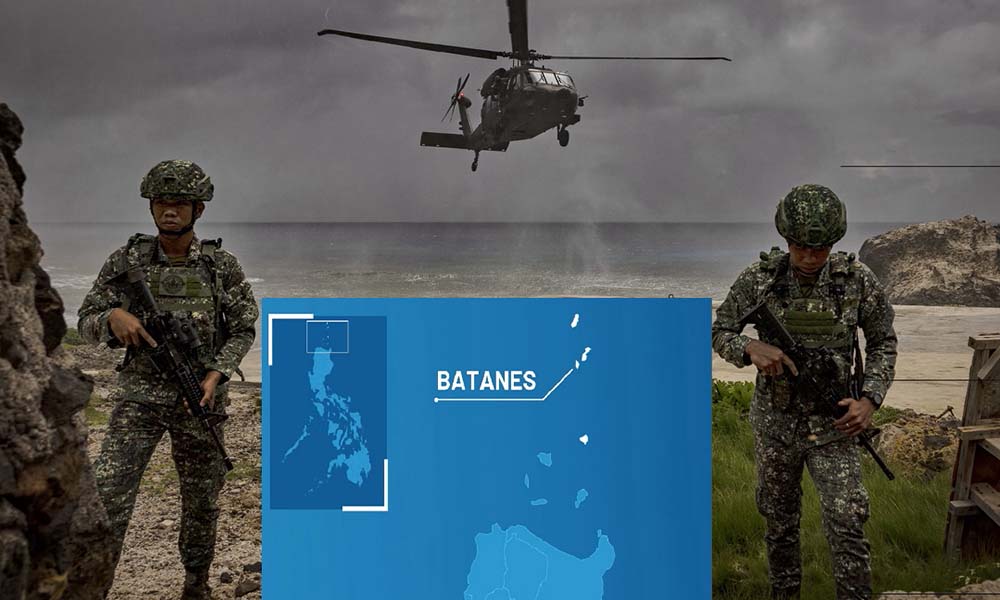
Philippines–US–Japan Military Drills Over the Bashi Channel (Feb 2026)
Military Balance Matters
Drawing from the source material, this issue is best understood by comparing history, geography, military realities, and current security challenges. The Sabah dispute remains primarily diplomatic and historical, while the South China Sea involves frequent maritime encounters, competing EEZ claims, strategic shipping lanes, fisheries, and military competition. Because confrontations occur regularly in the West Philippine Sea, Philippine defense planners prioritize capabilities such as maritime surveillance, coastal defense missiles, modern naval assets, and international security cooperation. This reflects present-day operational needs rather than the abandonment of the Sabah claim.
Military capabilities also influence Manila’s strategic priorities. China possesses the world’s largest navy by number of warships, supported by advanced submarines, aircraft carriers, long-range missiles, and a powerful coast guard. Chinese maritime militia vessels also play a significant role in asserting Beijing’s claims without engaging in conventional warfare. In contrast, Malaysia maintains a comparatively modest military posture and enjoys generally stable diplomatic relations with the Philippines despite the Sabah dispute. Because there is no ongoing military confrontation with Malaysia, Philippine defense planners see China as the more immediate challenge requiring investment in modern military capabilities.
Why Modernization Targets China
Drawing from the source material, this issue is best understood by comparing history, geography, military realities, and current security challenges. The Sabah dispute remains primarily diplomatic and historical, while the South China Sea involves frequent maritime encounters, competing EEZ claims, strategic shipping lanes, fisheries, and military competition. Because confrontations occur regularly in the West Philippine Sea, Philippine defense planners prioritize capabilities such as maritime surveillance, coastal defense missiles, modern naval assets, and international security cooperation. This reflects present-day operational needs rather than the abandonment of the Sabah claim.
Role of Alliances
Drawing from the source material, this issue is best understood by comparing history, geography, military realities, and current security challenges. The Sabah dispute remains primarily diplomatic and historical, while the South China Sea involves frequent maritime encounters, competing EEZ claims, strategic shipping lanes, fisheries, and military competition. Because confrontations occur regularly in the West Philippine Sea, Philippine defense planners prioritize capabilities such as maritime surveillance, coastal defense missiles, modern naval assets, and international security cooperation. This reflects present-day operational needs rather than the abandonment of the Sabah claim.
What Experts Say
Drawing from the source material, this issue is best understood by comparing history, geography, military realities, and current security challenges. The Sabah dispute remains primarily diplomatic and historical, while the South China Sea involves frequent maritime encounters, competing EEZ claims, strategic shipping lanes, fisheries, and military competition. Because confrontations occur regularly in the West Philippine Sea, Philippine defense planners prioritize capabilities such as maritime surveillance, coastal defense missiles, modern naval assets, and international security cooperation. This reflects present-day operational needs rather than the abandonment of the Sabah claim.
Most security experts agree that the Sabah issue remains an important historical and diplomatic matter but does not represent an immediate military threat. By contrast, developments in the South China Sea create daily operational challenges that require constant attention from the Philippine Navy and Coast Guard. Analysts argue that defense modernization is driven by practical security needs, including protecting the country’s Exclusive Economic Zone, ensuring freedom of navigation, securing energy resources, and preserving regional stability. This broad consensus explains why Philippine defense planning continues to focus primarily on maritime security rather than the Sabah dispute.
Conclusion
Drawing from the source material, this issue is best understood by comparing history, geography, military realities, and current security challenges. The Sabah dispute remains primarily diplomatic and historical, while the South China Sea involves frequent maritime encounters, competing EEZ claims, strategic shipping lanes, fisheries, and military competition. Because confrontations occur regularly in the West Philippine Sea, Philippine defense planners prioritize capabilities such as maritime surveillance, coastal defense missiles, modern naval assets, and international security cooperation. This reflects present-day operational needs rather than the abandonment of the Sabah claim.
The Philippines has not abandoned its historical claim over Sabah, but it has chosen to manage the issue through diplomacy instead of military force. In contrast, the South China Sea presents ongoing security challenges involving competing territorial claims, frequent maritime incidents, and strategic competition among major powers. As a result, Manila’s military modernization, stronger alliances, and enhanced maritime capabilities are directed toward protecting its sovereign rights and national interests in the West Philippine Sea. This approach reflects current strategic realities and demonstrates how modern defense planning is shaped by present-day threats rather than historical disputes alone.

Final Thoughts
The Philippines has not abandoned its historical claim over Sabah. However, national defense planning naturally focuses on the challenge that presents the greatest day-to-day strategic risk. Today, that challenge is the increasingly contested South China Sea. As a result, Manila’s modernization efforts, regional partnerships, and maritime strategy are centered on protecting its maritime interests and strengthening deterrence.
About Indo-Pacific Report
For more geopolitical analysis, strategy coverage, and Indo-Pacific security reporting, visit Indo-Pacific Report:
Website
Facebook
YouTube
Why the Philippines Prepares for China—Not Malaysia (Even Though It Claims Sabah)