U.S. Army QUIETLY Demonstrated a Wartime Refueling Capability at Philippines’ Basa Air Base
The United States is quietly transforming Basa Air Base in the Philippines into a critical logistics and refueling hub. Learn why fuel, logistics, and Agile Combat Employment may play a decisive role in any future Indo-Pacific conflict.
America Turns Basa Air Base Into a Strategic Fuel Hub: Why Logistics Could Decide the Next Pacific Conflict
When people think about military power, they usually picture stealth fighters, aircraft carriers, missiles, and advanced weapons systems. Yet history repeatedly shows that wars are often decided by something much less glamorous: logistics.
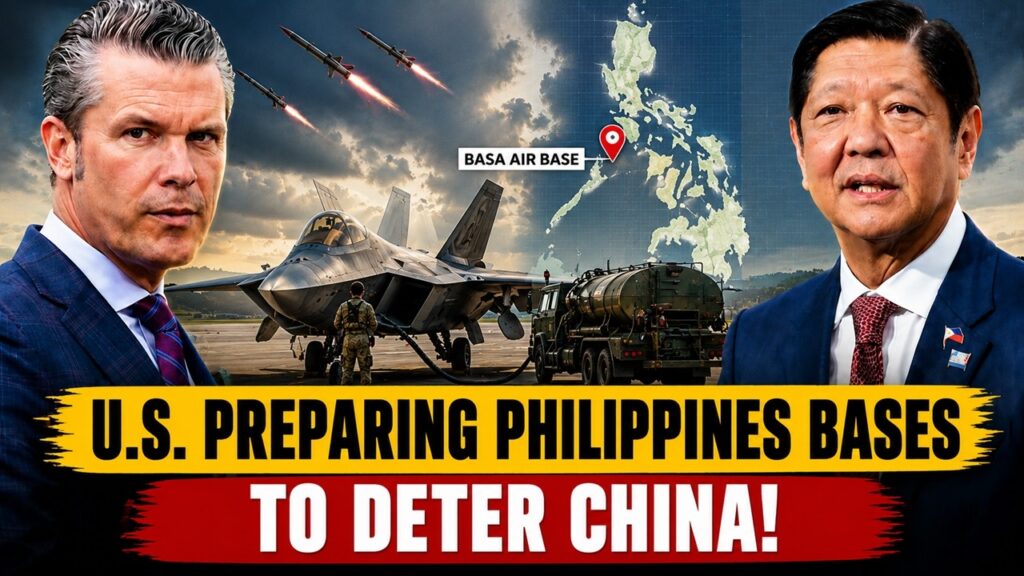
That reality was quietly demonstrated at Basa Air Base in the Philippines during Cope Thunder 26-1, a joint U.S.-Philippine military exercise. While headlines focused on the deployment of American F-22 Raptors and Philippine FA-50 fighter jets, the most important development may have happened on the ground.
A small team of U.S. Army logisticians established a forward refueling capability that allowed combat aircraft to receive fuel rapidly from a temporary setup. It may not sound dramatic, but this capability offers a revealing glimpse into how the United States and its allies are preparing for the security challenges of the Indo-Pacific.
Why Basa Air Base Matters
Located in Pampanga, north of Manila, Basa Air Base occupies a strategically important position in the western Pacific. Its location places it within reach of key maritime routes, including the South China Sea and the Luzon Strait, both of which are increasingly important in regional security planning.
As competition intensifies across the Indo-Pacific, the Philippines has become a critical partner in efforts to improve operational flexibility, regional deterrence, and alliance readiness.
The Real Story Behind Cope Thunder 26-1
Cope Thunder 26-1 brought together thousands of American and Filipino military personnel. Advanced aircraft participated in realistic combat training, showcasing the growing interoperability between both air forces.
Philippines Continues to Signal Interest in Acquiring F-16 Block 70/72 Fighters
However, the most strategically significant lesson from the exercise was not about air combat. It was about sustaining air combat.
Modern fighter aircraft consume enormous amounts of fuel. Without reliable fuel distribution networks, even the most advanced aircraft become ineffective. The ability to rapidly move, store, and distribute fuel across dispersed locations is therefore essential for maintaining operational readiness during a crisis.
The Four Fuel Trucks That Tell a Bigger Story
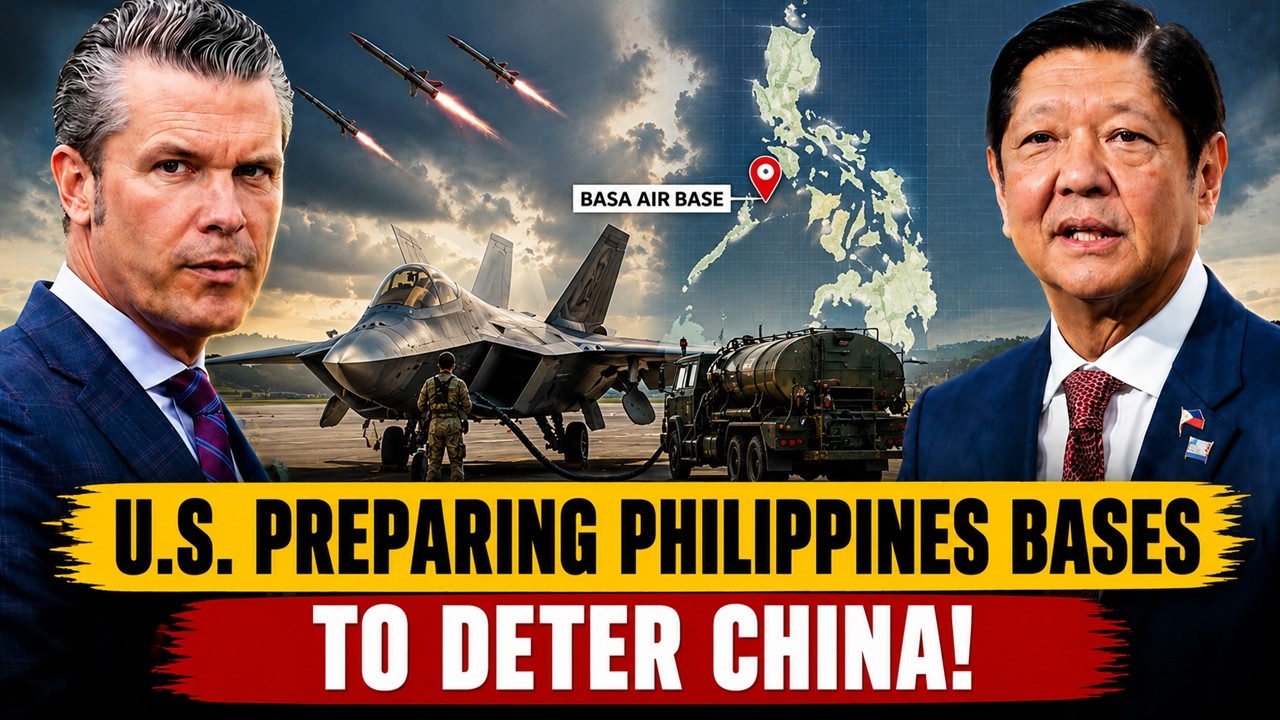
During the exercise, U.S. Army personnel established a Forward Arming and Refueling Point (FARP) using Heavy Expanded Mobility Tactical Trucks (HEMTTs) equipped with fuel distribution systems.
This temporary network enabled the rapid refueling of F-22 Raptors directly at the airfield. While the operation appeared routine, it represented something much larger: proof that American forces can support combat aircraft from locations with limited permanent infrastructure.
In practical terms, this means aircraft can operate from a wider range of locations rather than relying solely on a handful of major bases.
The Indo-Pacific’s Biggest Challenge: Distance
One of the greatest challenges facing military planners in the Indo-Pacific is geography.
Unlike Europe, where allied bases are relatively close together, the Pacific is vast. Aircraft, ships, and support forces must travel across thousands of miles of ocean. Every mission depends on a reliable logistics network capable of moving fuel, equipment, and supplies where they are needed.
This is why military planners often say that logistics wins wars.
No matter how advanced an aircraft may be, it cannot perform its mission without fuel. Sustaining operations across long distances is therefore just as important as possessing advanced weapons.
Why the United States Is Changing Its Strategy
For decades, American military power in the Pacific relied heavily on a limited number of major bases. While these facilities remain important, they also present potential vulnerabilities because they are well known and easily identifiable.
To address this challenge, the U.S. military has increasingly adopted a concept known as Agile Combat Employment (ACE).
The idea is simple: disperse aircraft across multiple locations, making it more difficult for any adversary to predict where aircraft will operate from or where support assets are located.
Under this approach, smaller airfields can quickly become operational hubs capable of supporting combat missions. The fuel operation demonstrated at Basa Air Base directly supports this strategy.
The Philippines at the Center of Regional Security Planning
The Philippines has become increasingly important in regional defense planning due to its geography and strategic location.
Its position near major sea lanes and critical chokepoints makes it a valuable partner for both regional security cooperation and military contingency planning. Recent years have seen growing defense cooperation between Manila and Washington, including expanded exercises, infrastructure improvements, and operational coordination.
The developments at Basa Air Base should be viewed within this broader context. They reflect long-term efforts to improve readiness, flexibility, and resilience across the Indo-Pacific.
Why Logistics Could Be the Decisive Factor
Military history often celebrates fighter pilots, warships, and battlefield victories. Yet behind every successful operation are logistics personnel who ensure that fuel, ammunition, and supplies arrive where they are needed.
The recent demonstration at Basa Air Base highlights a reality that many observers overlook: logistics is not a supporting function—it is a strategic capability.
The ability to rapidly establish fuel distribution networks at forward locations gives military planners more options, improves operational resilience, and reduces dependence on large fixed facilities.
Conclusion
The transformation of Basa Air Base into a more capable logistics and refueling hub reflects a broader shift in Indo-Pacific security strategy.
While fighter jets and advanced weapons attract public attention, fuel and sustainment capabilities often determine whether those systems can actually be used when it matters most.
The quiet refueling operation conducted during Cope Thunder 26-1 may not have generated major headlines, but it revealed how the United States and the Philippines are preparing for a future in which mobility, flexibility, and logistics could be just as important as firepower.
For military planners, the lesson is clear: in the Indo-Pacific, fuel is more than a resource. It is the foundation that keeps airpower alive.
About IndoPacific Report
For more Indo-Pacific defense, security, and geopolitical analysis, visit: