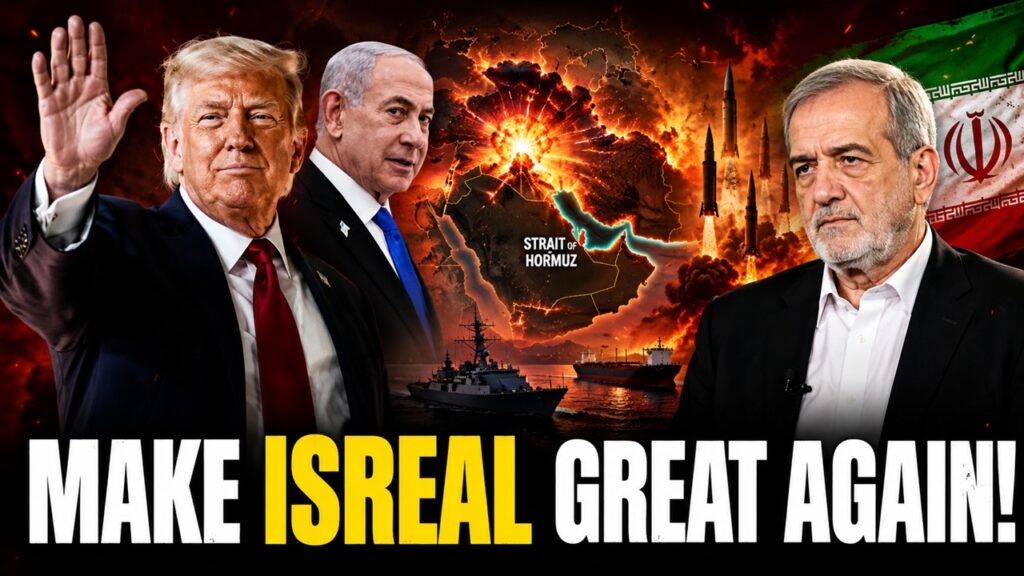
Trump and Netanyahu Wanted to Remake the Middle East — Now They Face a Long War
More than three months after the United States and Israel intensified pressure on Iran, the conflict has evolved into a prolonged regional crisis. Here is why expectations of a rapid strategic transformation have not materialized and what it means for the future of the Middle East.
The conflict involving Iran, the United States, and Israel was widely expected by some observers to reshape the Middle East. Supporters of a tougher approach toward Tehran believed that sustained military and economic pressure could weaken Iran’s leadership, reduce its regional influence, and create a new strategic balance across the region.
However, months into the confrontation, the situation appears far more complicated. Rather than producing a clear and decisive outcome, the crisis has evolved into a prolonged geopolitical struggle with significant military, economic, and diplomatic consequences.
Iran’s Leadership Remained Intact
One of the most important developments has been the resilience of Iran’s political and security institutions. Despite significant pressure, leadership changes within military and security structures did not produce the collapse that many analysts once considered possible.
Iran has demonstrated an ability to replace key personnel, maintain government functions, and continue pursuing its strategic objectives. This resilience has led many experts to argue that Tehran’s political system has adapted to decades of sanctions, regional competition, and external pressure.

A Conflict Without a Clear End
As the crisis continues, policymakers in Washington, Jerusalem, and Tehran face an increasingly complex reality. Military operations can influence events on the ground, but achieving long-term political objectives remains far more difficult.
The conflict has created uncertainty across the region while increasing concerns about future escalation. Instead of a short-term strategic shift, the Middle East is experiencing a period of prolonged instability.
The Strait of Hormuz and Global Economic Concerns
One of the most significant consequences of regional tensions has been uncertainty surrounding the Strait of Hormuz, one of the world’s most important maritime routes.
A substantial share of global energy shipments normally passes through these waters. Any disruption can affect oil prices, energy markets, shipping costs, and global economic stability.
The Challenge Facing Washington
For the United States, the situation presents difficult policy choices. American leaders must balance military deterrence, regional security commitments, economic interests, and diplomatic objectives.
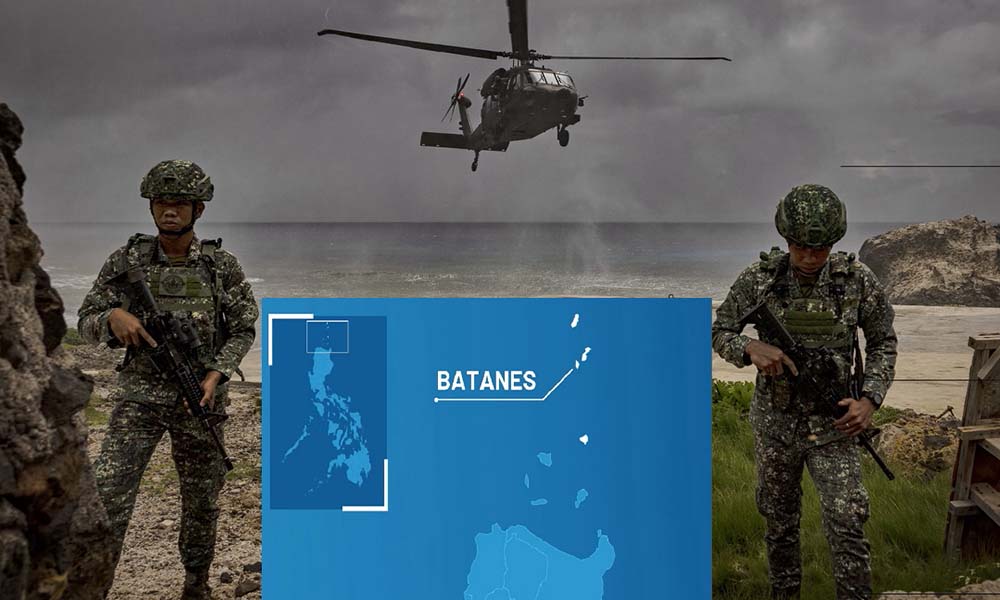
US to Deploy Advanced Missiles in Philippines Amid South China Sea Tensions
Israel’s Long-Term Security Debate
The conflict has also intensified debate inside Israel regarding long-term security strategy. Security experts increasingly emphasize that military success and political success are not always the same. Long-term stability often requires a combination of deterrence, diplomacy, regional partnerships, and strategic planning.
Why This Matters
The broader lesson from the current crisis is that major conflicts rarely unfold exactly as expected. Strategic assumptions can be challenged, alliances can evolve, and outcomes often remain uncertain long after military operations begin.
About Indo Pacific Report
Follow Indo Pacific Report for regular coverage of global conflicts, international diplomacy, defense developments, and emerging geopolitical trends.