Philippines Is Building 56 New Ships And China Is Watching
The Philippines is launching its largest coast guard expansion in modern history, planning to acquire at least 56 new vessels. Here is why the program matters, how it changes the balance of presence in the South China Sea, and what it means for regional security.
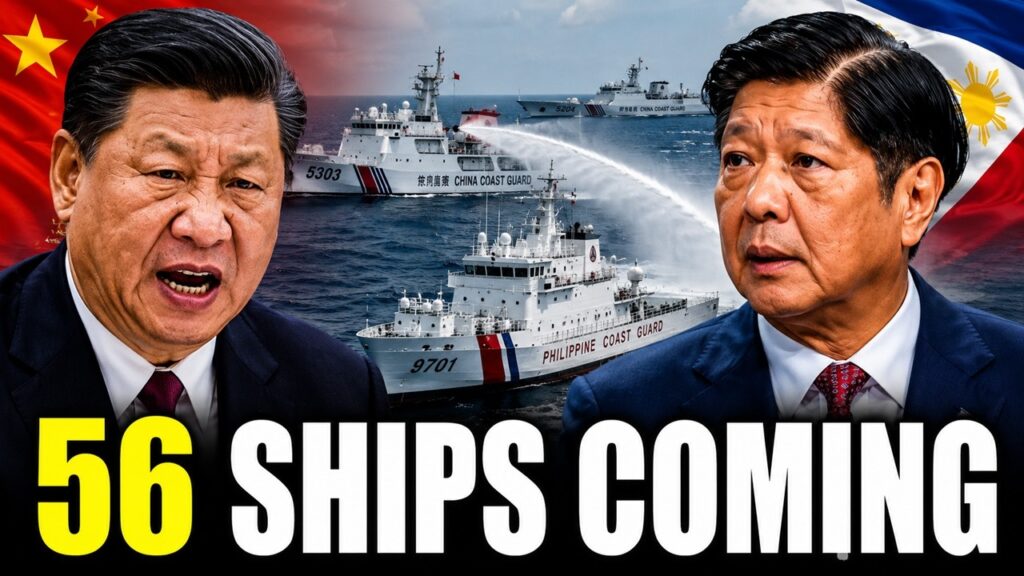
The South China Sea is increasingly becoming a contest of presence rather than open warfare. Day after day, coast guard vessels, fishing fleets, and maritime patrol ships interact across disputed waters. For the Philippines, the challenge is straightforward but enormous: protect a maritime domain spanning millions of square kilometers while facing growing pressure in the West Philippine Sea. That challenge explains why Manila is pursuing one of the largest coast guard modernization programs in Southeast Asia. Over the next several years, the Philippine Coast Guard plans to acquire at least 56 vessels, dramatically expanding its ability to patrol, respond, and maintain a presence at sea
Why the Philippines Needs More Ships
The Philippines is an archipelagic nation with more than 7,600 islands and one of the longest coastlines in the world. Monitoring fisheries, shipping lanes, remote islands, and disputed waters requires a fleet capable of operating across vast distances. For years, Philippine authorities have faced a simple reality: there was more ocean to patrol than ships available to patrol it. Recent incidents in the West Philippine Sea have reinforced the importance of maintaining a consistent maritime presence. Many observers focus on warships and naval power, but much of the day-to-day competition in the South China Sea involves coast guard vessels. These ships perform law-enforcement missions, escort civilian vessels, monitor activities, and maintain national presence without escalating tensions into direct military conflict. In practice, coast guard fleets have become one of the most important instruments of maritime influence in the region.
From One Ship to a National Strategy
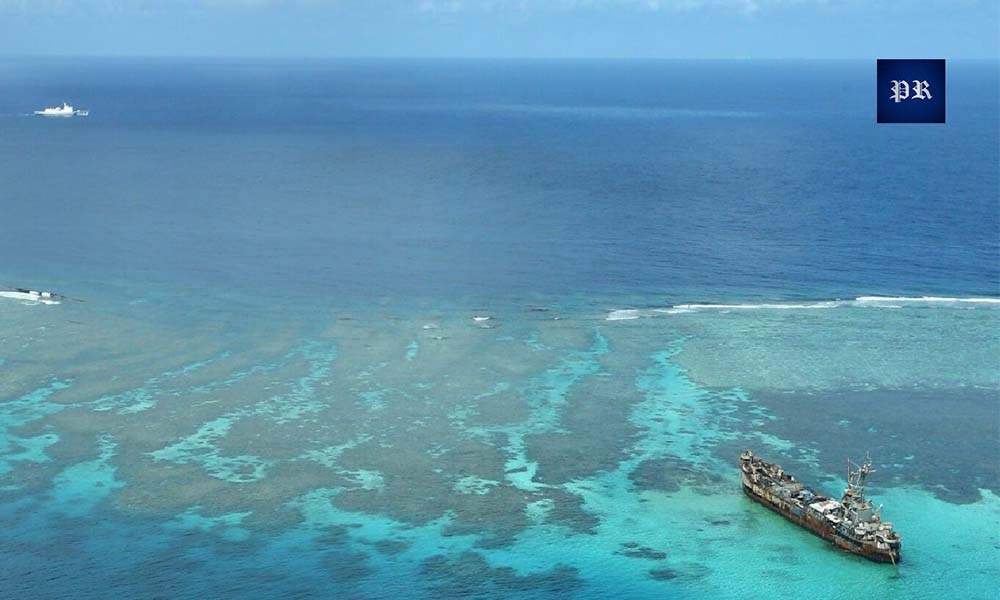
The BRP Teresa Magbanua became a symbol of Philippine persistence after maintaining its presence during periods of heightened tension. Its experience highlighted a broader lesson: one vessel can symbolize national resolve, but a single ship cannot cover an entire maritime domain. The planned fleet expansion aims to transform isolated acts of presence into a sustainable national strategy.
https://indopacificreport.com/china-just-sent-more-aircraft-and-warships-near-taiwan/
What the 56-Ship Expansion Includes
The modernization effort combines endurance and speed. Larger offshore patrol vessels are expected to conduct long-range patrols, search-and-rescue operations, and sovereignty missions. Smaller and faster patrol boats can respond quickly to incidents, support coastal security, and increase coverage across remote areas. Together, these platforms create a layered maritime security network capable of addressing different operational requirements.
The Role of International Partners
The Philippines is not undertaking this effort alone. Japan has emerged as a major maritime partner through financing, vessel support, training, and technical assistance. France is contributing patrol boat capabilities, while the United States and Australia continue expanding maritime cooperation, intelligence-sharing, and joint activities. These partnerships increase the effectiveness of Philippine maritime operations while strengthening broader Indo-Pacific security cooperation.
Why Presence Matters More Than Numbers
The purpose of the expansion is not to match larger maritime powers ship for ship. Instead, the objective is to improve awareness, responsiveness, and persistence. In maritime disputes, visibility often matters as much as capability. A nation that can maintain regular patrols, support its fishermen, respond to emergencies, and enforce its laws across its waters gains practical advantages that extend beyond simple fleet size.
The Challenges Ahead
Acquiring vessels is only the first step. Maintaining a larger fleet requires trained personnel, infrastructure, maintenance facilities, spare parts, fuel, and sustained funding. Many modernization programs succeed during procurement but struggle during long-term operations. The true measure of success will be whether these vessels remain active and effective years after entering service.

Strategic Implications for the Indo-Pacific
The fleet expansion reflects broader changes occurring across the Indo-Pacific. Maritime security, supply chains, fisheries protection, and freedom of navigation have become increasingly interconnected. As competition intensifies in the South China Sea, countries throughout the region are investing in capabilities that allow them to maintain presence without escalating disputes into open conflict.
Conclusion
The Philippine Coast Guard’s planned acquisition of 56 vessels represents far more than a procurement program. It is a long-term investment in maritime presence, sovereignty protection, and national resilience. Whether responding to emergencies, supporting fishermen, monitoring disputed waters, or strengthening maritime security, the expanded fleet could play a central role in shaping the future of the West Philippine Sea. Ultimately, the lesson is simple: sovereignty is not defended by maps alone. It is reinforced through consistent presence, operational endurance, and the ability to show up every day where it matters most.
About IndoPacific Report
For more analysis on geopolitics, maritime security, defense, and the Indo-Pacific region:
Website
Facebook
YouTube