Philippines vs Vietnam: The Race to Become ASEAN’s Next Tiger Economy
Vietnam and the Philippines are emerging as Southeast Asia’s most closely watched economies. One is becoming a manufacturing powerhouse, while the other is building a service-driven future. Which country is better positioned for the next decade? Few economic rivalries in Southeast Asia are as fascinating as the one unfolding between Vietnam and the Philippines. Both countries have populations exceeding 100 million people, both are attracting global attention, and both are viewed as potential candidates to become ASEAN’s next tiger economy. Yet they are pursuing very different development models. Vietnam has become a manufacturing and export powerhouse, while the Philippines has focused on services, demographics, remittances, and its strategic geopolitical position.
What Is a Tiger Economy?
The term ‘tiger economy’ refers to countries that achieve rapid industrialization, sustained economic growth, rising incomes, and growing global influence within a relatively short period. South Korea, Taiwan, Singapore, and Hong Kong became famous examples. Today, analysts increasingly ask whether Vietnam or the Philippines could become Southeast Asia’s next economic success story.
Vietnam’s Manufacturing Success Story
Vietnam’s rise has been driven by exports, industrial policy, infrastructure development, and foreign investment. Global companies such as Samsung, Intel, and Foxconn have expanded their operations in the country. Vietnam has benefited from supply chain diversification as companies seek alternatives to China. Strong trade agreements and long-term policy continuity have further strengthened investor confidence.
https://indopacificreport.com/philippines-vs-indonesia-the-race-for-dominance-in-southeast-asia/
Why Vietnam Is Winning Headlines
Vietnam’s economic performance has attracted significant international attention. Strong export growth, rising foreign direct investment, expanding industrial parks, and integration into global supply chains have helped position the country as one of Asia’s fastest-growing economies. Its ability to attract multinational corporations has transformed it into a critical manufacturing hub.
The Philippines’ Different Economic Model
Unlike Vietnam, the Philippines has focused on a more service-oriented growth model. The country is a global leader in business process outsourcing (BPO), customer support, and back-office services. Millions of Filipinos also work abroad, sending remittances that support domestic consumption and economic stability.

The Demographic Advantage
One of the Philippines’ greatest strengths is its youthful population. While many Asian countries are aging rapidly, the Philippines continues to benefit from a young workforce and a growing consumer market. This demographic profile could become a major economic advantage over the coming decades.
The Geopolitical Factor
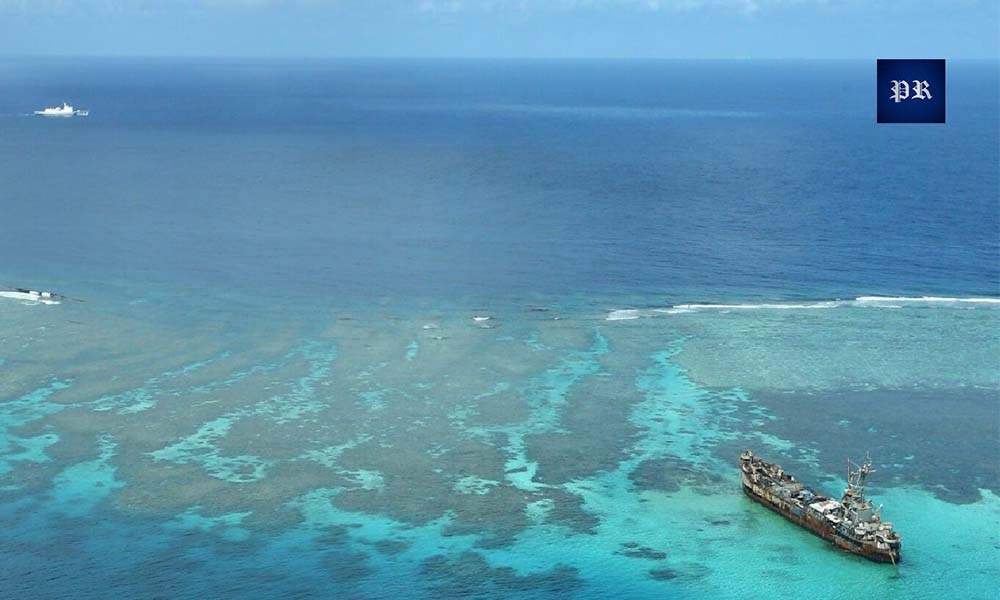
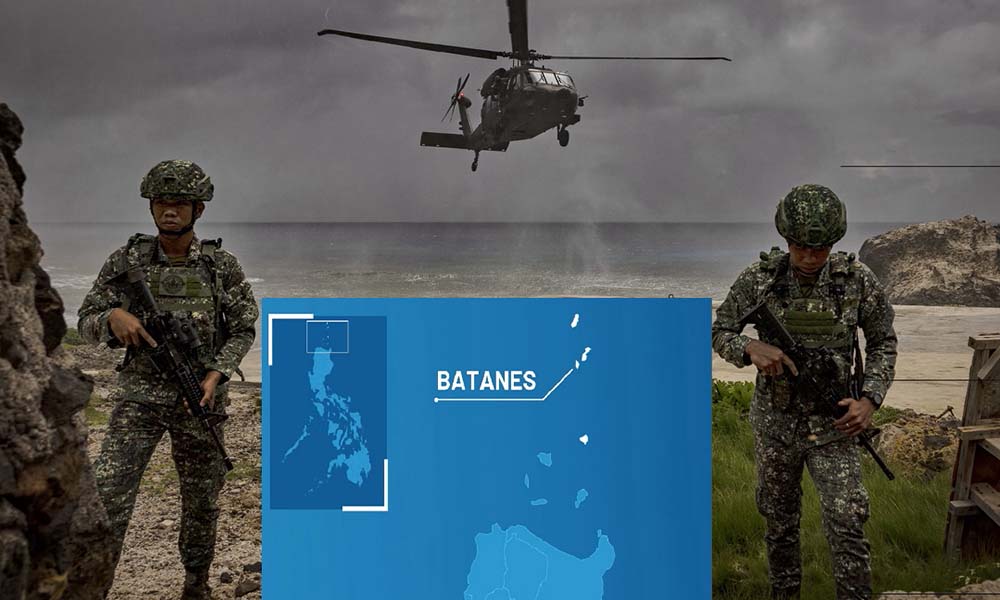
The Philippines occupies a strategically important location in the Indo-Pacific. As competition between major powers intensifies, the country’s position near key maritime routes and the South China Sea has increased its importance to investors and strategic partners. This could translate into greater investment in infrastructure, technology, and manufacturing.
The Risks Facing Vietnam
Despite its success, Vietnam faces challenges. A significant portion of its exports comes from foreign-owned companies. This creates dependence on multinational corporations and global demand. Vietnam must also avoid the middle-income trap by moving from assembly and manufacturing toward innovation, technology development, and higher-value industries.
The Risks Facing the Philippines
The Philippines faces its own obstacles, including infrastructure gaps, regulatory challenges, energy costs, and the need to attract more manufacturing investment. Sustained reforms will be necessary if the country wants to accelerate growth and compete more effectively with regional peers.
Who Is Better Positioned for the Future?
Philippines vs Indonesia The Race for Dominance in Southeast Asia
The answer depends on how success is measured. Vietnam currently leads in manufacturing, exports, and industrial output. The Philippines possesses advantages in demographics, services, language skills, and strategic geography. Rather than viewing the competition as a zero-sum contest, it may be more accurate to see both countries succeeding in different ways.
Conclusion
Vietnam and the Philippines represent two distinct paths toward economic development. Vietnam has emerged as ASEAN’s factory powerhouse, while the Philippines is building a service and consumption-driven economy with significant demographic and geopolitical advantages. The coming decade will reveal which model proves more resilient, but both countries are likely to play major roles in shaping the future of Southeast Asia.

Why This Matters for the Indo-Pacific
The competition between Vietnam and the Philippines is about more than economic growth. It reflects broader trends in global supply chains, demographics, technology, and geopolitics. Understanding these developments is essential for anyone interested in the future of the Indo-Pacific region.
About IndoPacific Report
For more analysis on geopolitics, economics, security, and the Indo-Pacific region, visit:
Website
Facebook
YouTube