When Philippine President Ferdinand Marcos Jr. spoke to members of the United Nations this week to support Manila’s bid for a seat on the United Nations Security Council, one issue was strikingly absent from his speech: the dispute in the South China Sea.
This omission was significant. In recent years, the South China Sea dispute has been at the center of Philippine foreign policy. Tensions between the Philippines and China have increased over territorial claims, coast guard confrontations, and access to disputed waters. Yet Marcos deliberately avoided mentioning the issue. Instead, he presented the Philippines as a bridge between developing countries and middle-income economies.
This diplomatic choice reflects a calculated geopolitical strategy. In global forums like the United Nations, support from the Global South matters. Many countries in Africa, Latin America, and Asia prefer to avoid taking sides in disputes between major powers. If the Philippines had framed its campaign around confronting China, it could have alienated states that maintain close economic ties with Beijing. By shifting the narrative toward cooperation and development, Manila is trying to build a broader voting coalition.
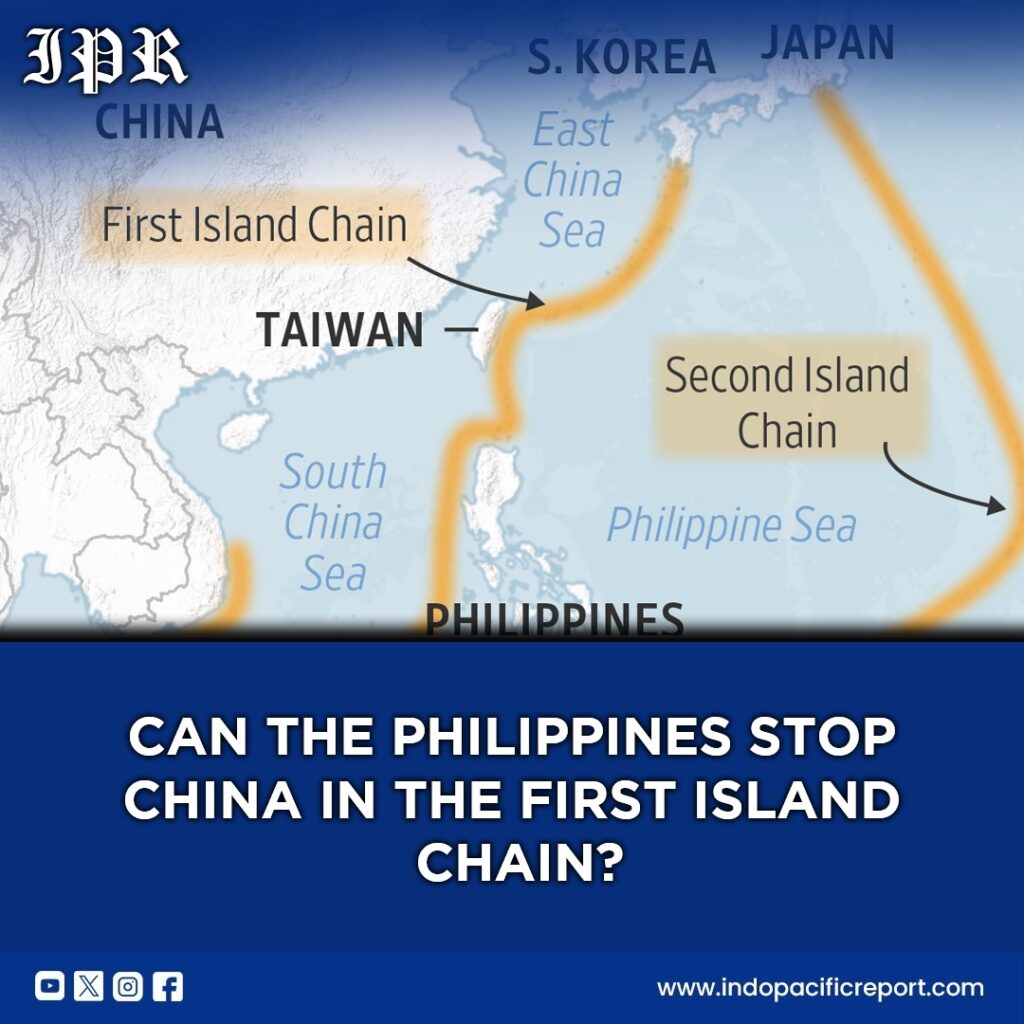
At the same time, this does not mean the Philippines is stepping back from the maritime dispute. In the regional security architecture of the Indo-Pacific, the South China Sea remains a key strategic arena. The Philippines continues to strengthen its alliance with the United States through expanded military access agreements and joint patrols. These moves are aimed at strengthening deterrence against Chinese pressure in contested waters. In simple terms, Manila is separating its strategies: strong security coordination in the region, but careful diplomacy at the global level.
This dual approach reflects a common strategy among middle powers in the Indo-Pacific. Countries in the region must balance economic ties with China while maintaining security partnerships with the United States. The Philippines is trying to manage this delicate balance. By avoiding confrontation in global forums, it preserves diplomatic flexibility. But by strengthening defense cooperation with allies, it signals that it will still defend its maritime rights.
Winning a seat on the Security Council would also give the Philippines greater strategic visibility. Membership in the council allows states to shape discussions on international security, maritime law, and conflict resolution. For Southeast Asian countries, this platform is valuable. It allows them to influence global debates that affect the Indo-Pacific order. For Manila, a Security Council seat would reinforce its role as an active middle power in regional geopolitics.
The broader lesson is that influence in today’s international system is not only about military power. It is also about diplomatic positioning and narrative control. By avoiding the South China Sea issue in this speech, Marcos showed that Manila understands how global diplomacy works. Sometimes silence on a contentious issue can help achieve a larger strategic goal.
As great-power competition between China and the United States continues to shape the Indo-Pacific, middle powers like the Philippines will increasingly rely on this kind of strategic balancing. Their ability to navigate between competing powers may ultimately shape the region’s future stability.
But this raises an important question:
Should the Philippines openly challenge China in global forums, or is quiet diplomacy the smarter strategy for middle powers in today’s Indo-Pacific order?