Can the Philippines and China Ease South China Sea Tensions?
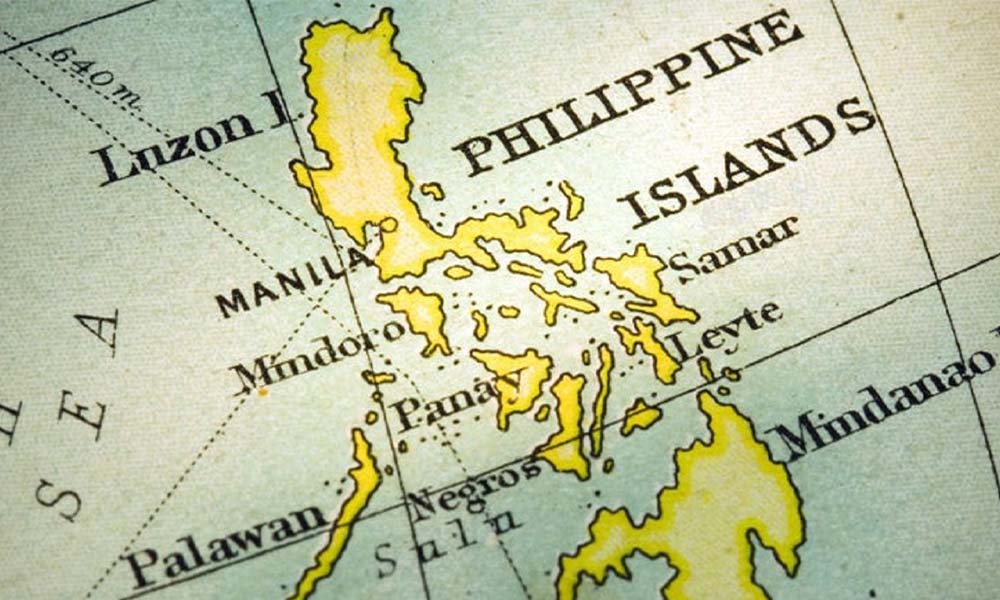
The South China Sea remains one of the world’s most combustible maritime flashpoints, and nowhere is this tension more visible than between the Philippines and China. The dispute is not only about fishing rights, rocks, and reefs—it is a clash of sovereignty, national identity, and strategic ambitions.
Beijing insists on its sweeping historic claims, while Manila relies on international law, particularly the 2016 arbitral ruling under UNCLOS, to assert its rights. With the United States bound by treaty to defend the Philippines, and other Southeast Asian claimants like Vietnam, Malaysia, and Brunei watching closely, the stakes could not be higher.
Strategic Stakes: Why Tensions Persist
The South China Sea is an economic and strategic lifeline. An estimated $3.36 trillion in global trade passes through these waters annually, nearly one-third of all maritime trade worldwide. For China, 80% of its energy imports and 40% of total trade move through these lanes. The sea’s untapped resources, including up to 11 billion barrels of oil and 190 trillion cubic feet of natural gas, make the region even more contested.
For the Philippines, these waters are crucial for fishermen’s livelihoods and national energy security. Beyond economics, the dispute involves competing legal narratives: China relies on its Nine-Dash Line, while Manila leans on UNCLOS and international law to defend its sovereignty.
The Military Reality on the Water
China has fortified disputed reefs, reclaiming about five square miles of land on features like Mischief Reef and Fiery Cross Reef, creating militarized islands with ports, runways, radar, and missile defenses. Its coast guard, backed by the world’s largest navy, can harass Philippine vessels without firing a shot, engaging in grey-zone operations.
The Philippines, with a smaller fleet, relies on alliances, legal mechanisms, and international attention to level the playing field. Manila’s approach, called active and assertive transparency, involves releasing videos, photos, and radio logs to expose Chinese harassment and rally global support.
Case Studies: Peak Tensions
-
Second Thomas Shoal (Ayungin Shoal): The rusting BRP Sierra Madre symbolizes Philippine sovereignty. Chinese harassment escalated to water cannon attacks and attempts to tow Philippine equipment in 2024.
-
Thitu Island (Pag-asa) and Scarborough Shoal: In October 2025, a Chinese vessel rammed the BRP Datu Pagbuaya, marking one of the most violent encounters in years. Analysts warn these incidents show a pattern of creeping blockade and physical confrontation.
China Deploys Buoys & Jets Inside Philippine Waters West Philippine Sea Tension Rises
Philippines–China Coast Guard Deal: Can It Work?
A Philippines–China Coast Guard deal aims to create a communication mechanism between the PCG and CCG to prevent collisions and escalation. This includes protocols on minimum distances, maneuver sequences, and restrictions on water cannons.
The July 2024 provisional arrangement at Second Thomas Shoal showed promise, with a resupply mission going off without incident. A presidential hotline was also set up for crisis communication.
Why it might succeed:
-
Reduces split-second accidents during high-tension encounters.
-
Aligns with the Mutual Defense Treaty (MDT), raising the stakes for Beijing to escalate.
-
Provides temporary calm while maintaining sovereignty claims.
Why it might fail:
-
Sovereignty disputes remain unresolved; tactical fixes cannot replace legal or strategic solutions.
-
On-the-ground behavior often contradicts agreements, with Chinese vessels continuing grey-zone operations.
-
Diplomatic gaps exist between what capitals sign and what frontline forces do.
-
China’s intent is strategic control, not permanent peace; the deal is a “seatbelt,” not a roadmap.
Conclusion: Tactical Calm vs. Strategic Peace
The Philippines–China Coast Guard arrangement can prevent disasters at sea, save lives, and temporarily reduce tensions. However, it cannot resolve the fundamental dispute over sovereignty, the Nine-Dash Line, or Manila’s rights under UNCLOS.