

In the decades since its establishment on August 8, 1967, in Bangkok by the original five member countries—Indonesia, Malaysia, the Philippines, Singapore, and Thailand—ASEAN has seen significant advancements in military modernization across its member states. Brunei Darussalam joined in 1984, followed by Vietnam in 1995, Laos and Myanmar in 1997, and Cambodia in 1999. After the conclusion of the Vietnam War in 1975, Southeast Asian nations began a period of substantial modernization of their armed forces. However, progress was interrupted by the 1997 Asian financial crisis. During this time, ASEAN countries saw an increase and modernization of combat helicopters, combat planes, medium-range howitzers, tanks, armored personnel carriers (APCs), missile-armed naval vessels, and military personnel. While defense spending in Southeast Asia has remained relatively stable in relation to GDP, it has increased significantly in absolute terms. Let us explore this topic in detail.
Indonesia
Indonesia ranks 13th among the world’s top 15 military powers, according to the 2024 GFP index, with a Power Index score of 0.2251. Home to about 260 million people, Indonesia is the fourth most populous country globally. Its Armed Forces comprise the Air Force, Navy, including the Marine Corps, and Army, with approximately 400,000 active-duty soldiers. In 2023, Indonesia’s defense budget stands at $8.8 billion, making it the second-largest military spender in Southeast Asia after Singapore. Driven by ongoing modernization efforts, this expenditure is expected to rise to $9.7 billion by 2028, according to Global Data. The TNI originated from informal militias and guerrilla warfare during the Indonesian National Revolution and has since focused on maintaining internal stability and defending against external threats, structured around the nation’s geographical boundaries.
Historically, the military held significant political influence until reforms in 1998 removed its official legislative representation, though some political sway remains. Since gaining independence, Indonesia has faced local insurgencies and separatist movements, particularly in Aceh and Papua. The Aceh conflict was resolved in 2005, while tensions in Papua persist despite efforts to implement regional autonomy laws and reduce violence and human rights abuses.
The Indonesian National Armed Forces (TNI) has a complex history marked by significant conflicts, including the war against the Netherlands over Dutch New Guinea in the late 1950s, where the TNI played a crucial role in asserting Indonesia’s claim, leading to the New York Agreement in 1962. In the early 1960s, the TNI opposed the formation of Malaysia through covert operations and border skirmishes under the policy of “Konfrontasi.” Following the 1965 failed coup attempt, the TNI conducted mass executions of Indonesian Communist Party (PKI) members, profoundly impacting the political landscape. In 1975, the TNI spearheaded the controversial invasion of East Timor, marked by human rights abuses and resistance from independence fighters. These events have significantly influenced Indonesia’s military doctrine, strategic outlook, and regional relations, highlighting the TNI’s role in safeguarding national interests amidst complex geopolitical challenges.
Economically, Indonesia stands as the 16th largest economy globally, with a nominal GDP exceeding $1 trillion. Over the past two decades, Indonesia has demonstrated remarkable economic resilience, consistently achieving annual growth rates above 5%, except for a 2.07% contraction in 2020 due to the pandemic, marking its first decline since the Asian financial crisis of 1998. Indonesia is on track to become the world’s seventh-largest economy by 2030, according to McKinsey & Company. As the sole Southeast Asian representative in the G20, Indonesia boasts a dynamic demographic with 272 million people, making it the fourth most populous country globally. Two-thirds of its population is of working age, contributing to an educated labor force of over 130 million, with an average age of 28 years. This young, vibrant demographic is fueling a rapidly growing middle class, which includes 52 million individuals spending between $7.75 and $38 per day and an additional 115 million aspiring middle-class members earning $3.3 to $7.75 daily. Furthermore, Indonesia’s investment landscape is highly attractive, with most corporate sectors permitting 100% foreign ownership and expanded opportunities for Foreign Direct Investment (FDI).
Challenges
Over the past decade, the Indonesian government has emphasized the “million friends, zero enemy” ideology, complicating strategic policymaking by necessitating defense procurement decisions. The acquisition of new weaponry could potentially disrupt the balance of military power in the region, and distinguishing between offensive and defensive arsenals is increasingly challenging. Nevertheless, Indonesia’s growing maritime issues compel politicians and parliamentarians to modernize the military’s armament. President Joko Widodo’s strong political commitment to his maritime vision highlights the urgency of this task. Increasing Indonesia’s defense budget to 1.5 percent of GDP is essential to fund the TNI’s weaponry acquisition and maintenance programs. A significant shift in Indonesia’s defense strategy, referred to as “mindset change” (revolusi mental), highlights the need for robust air and naval power in response to the region’s growing strategic significance.
Vietnam
Vietnam ranks 22nd out of 145 countries in the 2024 GFP index, with a Power Index score of 0.3158. The Vietnam People’s Armed Forces consist of the Vietnam People’s Army (VPA), the Vietnam People’s Public Security, and the Vietnam Self-Defense Militia. The VPA includes the Vietnam People’s Air Force, Navy, Ground Forces, Border Guards, and Coast Guards. With approximately 450,000 active personnel and a potential force of up to 5 million, as for 2024, the country’s defense budget has increased. It is now estimated to be around $7.8 billion, with a robust forecasted compound annual growth rate of more than 5% during the period from 2025 to 2029. The country has participated in joint military drills and simulations with the US, Singapore, Russia, Laos, India, and Brunei. In 2017, Vietnam ratified the UN Treaty on the Prohibition of nuclear weapons.
Vietnam was the fifteenth largest weapons importer globally between 2010 and 2022, ranked among the top six in the Asia-Pacific region alongside China, India, Australia, South Korea, and Japan. From 1995 to 2022, Vietnam imported $9.16 billion worth of weapons, with Russia providing 81.5% of that total. Vietnam has shifted its military focus to include maritime security missions, enhancing surface, subsurface, air defense, and air force capabilities. There is increasing demand for naval combatants, aerial defense systems, intelligence systems, and surveillance and reconnaissance (ISR) equipment. Improved regulatory environments have opened significant economic opportunities for American defense companies, particularly following the easing of the long-standing arms embargo by President Obama during his 2016 visit to Vietnam.
Vietnam’s military capabilities have grown since the end of the Vietnam War. However, the Cambodian Civil War’s leadership was forced to demobilize when the Soviet Union, a long-time supporter, cut off its backing. Consequently, Vietnam did not modernize to the same extent as Singapore, Malaysia, Thailand, and Myanmar during the 1990s. Military spending estimates indicate a gradual increase from 2009 to 2018, with a real-term rise of 75%, although off-budget spending reports also emerged. Vietnam collaborates militarily with India, acquiring several advanced Indian weapons, and receives training support from Japan and Australia. Foreign assistance has boosted Vietnam’s indigenous armaments industry, enabling the construction of warships using foreign designs. Despite these advancements, Vietnam remains focused on the threat from China, expanding and modernizing its navy with new submarines and modern frigates, thereby achieving blue-water capability.
Challenges
Vietnam’s military continues to rely on outdated equipment, which can hinder its operational effectiveness. Despite modernization efforts, various Soviet-era systems remain in service, often lacking the advanced capabilities of newer technologies. This legacy poses a challenge in maintaining a competitive edge. Funding limitations significantly constrain Vietnam’s military modernization, necessitating careful allocation of the defense budget to balance upgrading existing systems and acquiring new technologies. Despite these challenges, Vietnam’s military remains formidable, particularly in coastal defense. Its strategic focus on defending its extensive coastline and territorial waters has led to the development of active naval and missile capabilities.
Thailand
Thailand is ranked 25th out of 145 countries in the 2024 GFP review, with a Power Index score of 0.3389. The Royal Thai Armed Forces, comprising the Royal Thai Air Force, Royal Thai Navy, and Royal Thai Army, along with various paramilitary groups, consist of 306,000 active-duty members and 245,000 active reservists. The king serves as the commander-in-chief, while the Chief of Defence Forces, under the Minister of Defence, oversees the armed forces. From 2005 to 2016, Thailand’s annual defense budget more than tripled from $1.98 billion to $5.88 billion, accounting for 1.4% of GDP. A 2015 Credit Suisse analysis ranked Thailand 16th on the global Military Strength Index. The military also undertakes humanitarian tasks, such as escorting Rohingya refugees to Malaysia or Indonesia and ensuring migrant safety during the Indochina refugee crisis. Thai males over 21 are subject to an active draft system, with service duration varying based on their reserve training and educational background. In 2017, Thailand ratified the UN Treaty on the Prohibition of nuclear weapons.
US military assistance during the Vietnam War significantly boosted Thailand’s military modernization plans, especially after the Communist victory in 1975 and subsequent US withdrawal. Since the 1990s, Thailand has focused on strengthening its fleet to safeguard its Exclusive Economic Zone (EEZ), acquiring the aircraft carrier Chakri Naruebet to develop blue-water capabilities. Reform initiatives aimed at creating a smaller, more skilled force prioritized acquiring artillery, IFVs, tanks, submarines, fighter planes, and frigates. Concerns over falling behind Malaysia prompted Thailand to upgrade existing weapons or purchase used ones. Military corruption is evident in Thailand. Domestic political considerations influenced defense decisions, such as reimbursing the navy for not joining the military junta in 1991. Defense ministers have often justified submarine acquisitions by citing the need to keep up with other nations. Following the 2014 coup, military spending has surged, a trend likely to continue under the 20-year national strategic blueprint. Since 2010, China has been a significant supplier, including an order for three S-26T submarines. The decommissioning of outdated weapons slightly increased the military arsenal’s volume. Thailand’s modern weaponry includes F-16s and Saab JAS 39 Gripen multirole aircraft, T-84 Oplot M main battle tanks, and Knox-class, Type 025T, and Type 053HT missile frigates.
Challenges
Thailand’s internal political issues significantly impact its defense planning and military operations. Frequent changes in government, coups, and political unrest create an unstable environment that complicates long-term defense strategies and the consistent implementation of modernization plans. Adequate funding for defense remains a persistent challenge for Thailand. Economic limitations and competing priorities within the national budget affect the ability to invest in new technologies and maintain existing equipment. This financial strain can lead to gaps in capability and readiness. Thailand’s military is competent and well-trained, but it faces substantial internal challenges.
Singapore
Singapore ranks 30th out of 145 countries in the 2024 GFP review, with a Power Index score of 0.4087. The Singapore Armed Forces (SAF), comprising the Air Force, Navy, Army, and Digital and Intelligence Service, are among Southeast Asia’s most technologically advanced military force. Singapore allocates 4.9% of its GDP to defence, with one-quarter of its budget dedicated to military spending. After gaining independence, Singapore’s military was initially limited to two British-commanded infantry regiments. The British withdrawal in 1971 left Singapore with minimal defense capabilities, prompting the nation to prioritize military expansion. Israel, despite not being recognized by neighboring Malaysia and Indonesia, played a crucial role in developing the SAF. Israeli Defense Forces (IDF) commanders helped establish the SAF from scratch, and Israeli instructors trained Singaporean soldiers. The IDF framework influenced Singapore’s military education and conscription system, leading to ongoing close security ties and significant purchases of Israeli weaponry, such as the MATADOR anti-tank weapon.
The SAF is designed to address both conventional and unconventional warfare challenges. The Defence Science and Technology Agency (DSTA) manages military procurement. The small population necessitates a substantial reserve force alongside a small active force. All physically fit males must enlist at 18, with deferments available for those completing pre-university education, holding Public Service Commission scholarships, or pursuing local medical degrees. Women, although not subject to conscription, have increasingly taken up roles within the SAF since 1989.
Recruits undergo at least nine weeks of basic military training before joining specific branches of the armed forces. Due to limited space on the main island, amphibious warfare and live-firing exercises often occur on restricted nearby islands or overseas in countries such as the US, Thailand, Brunei, and Indonesia. The Republic of Singapore Air Force (RSAF) maintains several overseas bases, including in Australia, the US, and France, to overcome airspace and land constraints.
The SAF has participated in various international missions, providing military and humanitarian assistance in places like Afghanistan, Iraq, East Timor, Aceh (post-2004 tsunami), and as part of Task Force 151 combating piracy in the Gulf of Aden. Singapore is also a member of the Five Power Defence Arrangements (FPDA) with Australia, Malaysia, New Zealand, and the United Kingdom.
By 2004, Singapore’s military was considered the most advanced in Southeast Asia. From 2009 to 2018, Singapore consistently dedicated a fixed portion of its GDP to defense, maintaining its status as the region’s largest arms importer and ranking highly on the Bonn International Centre for Conversion’s Global Militarization Index. Singapore’s established armaments industry allows it to domestically produce and export ships, artillery, and armored vehicles. The RSAF is renowned for its long-range operational capabilities and has participated in the US F-35 program since 2003.
Challenges
Singapore’s relatively small population limits the size of its ground forces. This demographic challenge necessitates a focus on maximizing the effectiveness of a smaller number of personnel through extensive training, advanced technology, and efficient force multipliers. Singapore relies heavily on imports for its military equipment, as it lacks a large domestic defense manufacturing base. This dependence on foreign suppliers leads to vulnerabilities in supply chain security and delays in acquiring new technologies, especially during times of international tension. Despite its small manpower pool and reliance on imported equipment, Singapore invests heavily in cutting-edge technology and rigorous training programs. This approach ensures that its military remains a formidable and efficient force, capable of defending the nation and contributing to regional security.
Philippines
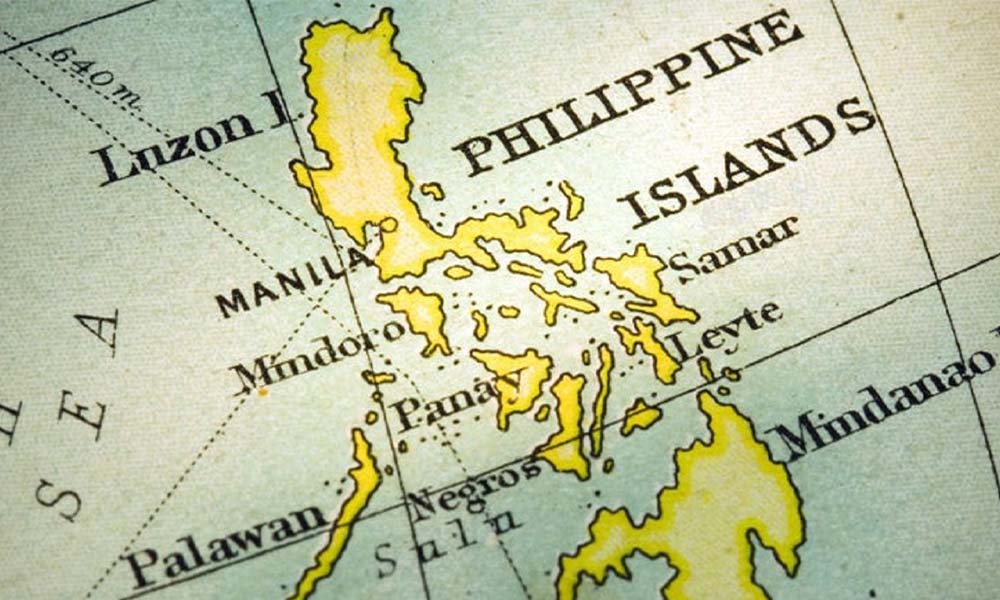
The Philippines is ranked 34th out of 145 countries in the 2024 GFP review, with a Power Index score of 0.4691. The Armed Forces of the Philippines (AFP) consist of the Philippine Air Force, Philippine Army, and Philippine Navy. Additionally, the Philippine National Police, under the Department of the Interior and Local Government, is responsible for civilian security. As of 2022, the AFP employed over 280,000 personnel, including 130,000 active military soldiers, 100,000 reservists, and 50,000 paramilitaries. In 2021, the Philippine military budget was $4.09 billion, which represented 1.04% of GDP. The Philippine Armed Forces are undergoing a significant modernization through the “Re-Horizon 3” program, aimed at enhancing defense capabilities against emerging threats. This ambitious initiative involves a substantial investment of approximately $35 billion over the next decade to acquire modern weapons, equipment, and technology.
A key focus area of the modernization plan is improving domain awareness. The Philippines intends to enhance its surveillance capabilities within its territorial waters and airspace to better monitor and respond to activities in critical areas. This effort is complemented by improvements in connectivity, with the armed forces working on enhancing communication networks to ensure seamless coordination and rapid response during operations. Surveillance and reconnaissance are also major priorities. Investments are being made in advanced surveillance systems, reconnaissance aircraft, and unmanned aerial vehicles (UAVs). These technologies will provide the Philippines with better situational awareness and the ability to conduct effective reconnaissance missions. Additionally, robust intelligence gathering capabilities are recognized as essential for addressing security challenges, and efforts are underway to strengthen these capabilities.
Recent procurements and collaborations highlight the progress made in the modernization plan. The Philippines signed a $375 million deal with India for BrahMos supersonic cruise missiles, significantly boosting its missile capabilities. Collaborations with South Korean shipbuilder Hyundai Heavy Industries have resulted in the acquisition of Jose Rizal-class frigates, with two already in service, and plans for six offshore patrol vessels (OPVs) and two missile corvettes. Furthermore, an agreement with Sweden has been reached for the planned acquisition of Gripen multi-role fighter jets for the Philippine Air Force.
Challenges
Despite the ambitious nature of the plan, the Philippines faces economic challenges. Revised growth projections and borrowing costs pose concerns for funding the modernization. Achieving the $35 billion goal will require a significant increase in defense spending, which is contingent on sustained economic growth. This financial strain affects overall military readiness and capability development. The ongoing territorial disputes in the South China Sea significantly impact regional stability and the security environment of the Philippines. These disputes with China and other neighboring countries over maritime boundaries and resources increase tensions and require the Philippines to maintain a vigilant and capable defense posture. The Philippines’ military is steadily improving but continues to face significant challenges. Budget constraints and the complexities of regional territorial disputes necessitate a careful balancing act in defense planning and resource allocation.
Myanmar
Myanmar is ranked 35th out of 145 countries in the 2024 GFP review, with a Power Index score of 0.5251. The Myanmar Army, the largest branch of the armed forces, has historically received the majority of the military budget. Since 1948, the army has been a key player in conflicts against over 40 rebel groups, earning a reputation as a resilient and cunning force. In 1981, it was considered “perhaps the best army in Southeast Asia, aside from Vietnam’s,” a sentiment echoed in 1983, which described Myanmar’s infantry as one of the toughest and most combat-seasoned in the region. The Myanmar Air Force, established on January 16, 1947, during the British colonial period, initially consisted of a modest fleet including Airspeed Oxfords, de Havilland Tiger Moths, Austers, and Supermarine Spitfires. Its primary role has been to support the army’s counterinsurgency efforts through close air support, transportation, and logistics. The Myanmar Armed Forces, known as the Tatmadaw, have been at the center of significant turmoil and conflict following the military coup in February 2021. Led by Senior General Min Aung Hlaing, the military ousted the democratically elected government, resulting in widespread protests and resistance. This move has united various opposition forces, including activists, ousted politicians, civilian-led People’s Defense Forces, and ethnic armed groups, all working towards the common goal of overthrowing the military junta, officially known as the State Administration Council, and establishing a genuine federal democracy.
The resistance movement has achieved notable victories, such as the capture of Myawaddy, a strategically important town on the Myanmar-Thai border in Kayin (Karen) State. Myawaddy is crucial for trade, with billions of dollars’ worth of goods passing through its border crossing to the Thai town of Mae Sot. Despite these achievements, the resistance faces significant challenges. The Tatmadaw maintains an advantage in firepower due to its military strength. In response to the intensifying conflict, the regime activated a military conscription law in February 2024, mandating military service for both men and women and aiming to conscript 60,000 new recruits annually. The current resistance is marked by its persistence and intensity, distinguishing it from previous uprisings. Despite brutal crackdowns by the military, the resistance movement remains steadfast in its objectives. The success in capturing strategic locations like Myawaddy demonstrates the opposition’s resolve and capability to contest the junta’s authority. China plays a role in the conflict, maintaining relations with the junta while also engaging with ethnic armed groups. China’s primary interest lies in ensuring stability in Myanmar to protect its economic interests, leading to a delicate balancing act in its involvement.
Challenges
The historical dominance of military rule in Myanmar continues to impact its governance. The military, or Tatmadaw, retains substantial influence over political and administrative affairs, often leading to tensions and conflicts between military and civilian authorities. This ongoing struggle complicates efforts to establish stable and democratic governance structures. Myanmar faces intense international scrutiny due to widespread human rights abuses, particularly against ethnic minorities such as the Rohingya. Reports of extrajudicial killings, forced displacements, and other violations have led to global condemnation and sanctions, further isolating the country and affecting its international relations and economic development. Myanmar’s military is significant in terms of size and influence but faces severe internal issues. The complex civil-military relations and persistent human rights concerns undermine the country’s stability and development. While the military remains a powerful force within Myanmar, these internal challenges hinder its effectiveness and international standing.
Malaysia
Malaysia is ranked 42nd out of 145 countries in the 2024 GFP review, with a Power Index score of 0.5992. The Malaysian Armed Forces (MAF) consist of the Royal Malaysian Air Force, the Malaysian Army, and the Royal Malaysian Navy. The MAF has 113,000 active personnel and 51,600 reserve members. The highest-ranking official in the MAF is the King of Malaysia, Yang di-Pertuan Agong. Recent developments in the Malaysian Armed Forces highlights renewed emphasis on military modernization efforts under the current government. Proposals have been made for a 10% increase in the defense budget to support the acquisition of new combat aircraft and drones. Prime Minister Anwar Ibrahim’s administration is prioritizing these efforts despite competing demands on government spending. In the regional context, Malaysia faces growing tensions and challenges. In the South China Sea, Malaysian interests are contested, particularly concerning China’s use of grey-zone tactics to disrupt efforts to exploit undersea oil and gas resources within Malaysia’s Exclusive Economic Zone. Additionally, challenges persist in the Sulu Sea, including issues with smugglers, pirates, and extremist groups.
Despite these challenges, Malaysia remains a non-aligned country without any clear adversaries. While the pressure from China in the maritime domain is concerning, it is unlikely that Malaysia would engage in hostilities with China, given their significant economic ties. The armed forces of Malaysia are primarily geared towards responding to low-intensity contingencies. Following the Asian financial crisis over 25 years ago, Malaysia has opted out of military competition with neighboring Indonesia and Singapore, focusing instead on maintaining stability and economic recovery. Malaysia faces infrastructure challenges within its armed forces, with plans for remedial measures expected to start by 2024. However, immediate priorities for the government include repairing dilapidated school buildings. Additionally, there is a focus on rebalancing the ethnic composition within the armed forces to better reflect the country’s diversity.
Challenges
Adequate funding remains a challenge for Malaysia’s military, affecting its ability to modernize and maintain existing equipment. Financial constraints limit the acquisition of advanced technologies and the implementation of comprehensive training programs, impacting overall military readiness and capability. Malaysia faces a shortage of personnel for its ground forces, which hinders its ability to fully staff and operate its military units. This shortage necessitates a focus on optimizing the efficiency and effectiveness of the available manpower through rigorous training and strategic deployment. Malaysia’s military is capable and maintains a reasonable level of readiness, but it faces significant resource constraints.
Concluding Note
In the end, while Indonesia currently leads in terms of military strength within ASEAN, each ASEAN member state has its unique strengths and challenges. For instance, Vietnam is formidable in coastal defense but struggles with outdated equipment and budget constraints. Thailand has a competent military but faces significant challenges due to political instability and funding limitations. Singapore boasts a technologically advanced military despite a small manpower pool and reliance on imported equipment. The Philippines is steadily improving its military capabilities but is hampered by budget constraints and territorial disputes in the South China Sea. Myanmar has a significant military presence but deals with complex civil-military relations and severe human rights concerns. Malaysia maintains a capable military but faces resource constraints, including budget limitations and personnel shortages are a concern.
Co-operation and regional stability remain crucial for addressing these challenges and enhancing collective security within the region. Through joint exercises, intelligence sharing, and diplomatic efforts, ASEAN member states can manage their limitations more effectively and increase regional defense capabilities. Collaborative initiatives such as the ASEAN Defense Ministers’ Meeting (ADMM) and the ADMM-Plus provide platforms for fostering military cooperation, promoting peace, and ensuring a stable and secure Southeast Asia.
Pingback: Whose Military is Strongest among ASEAN Nations? - Laos Invitation