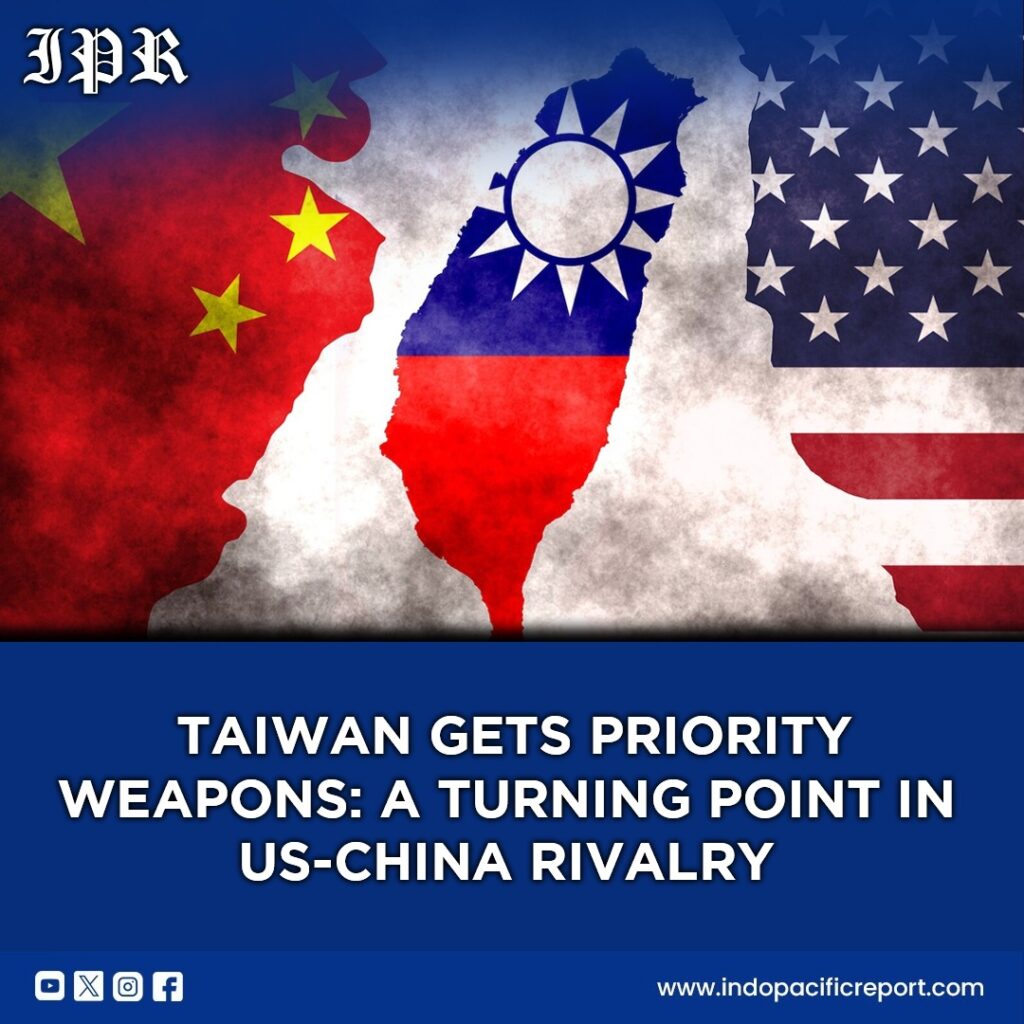
The message from Wellington Koo is clear: the United States is speeding up weapons deliveries to Taiwan because the security situation is getting tighter. This is not just about fixing delays. It shows that Washington now sees timing as critical. In military strategy, capability matters—but when that capability arrives can decide outcomes. With China increasing military pressure, slow deliveries are no longer acceptable.
At the level of great-power competition, this is part of the larger U.S.-China rivalry. Taiwan sits at the center of this contest. For Beijing, Taiwan is about sovereignty and strategic depth. For Washington, it is about credibility and deterrence. If the U.S. cannot support Taiwan quickly, its broader security commitments in Asia may be questioned. That is why systems like the F-16V fighter jet are important. These jets, built by Lockheed Martin, are not just platforms—they are part of a deterrence strategy designed to raise the cost of any Chinese military move.
This also affects the regional security architecture. Countries like Japan, South Korea, and the Philippines are watching closely. They want to see if the U.S. can deliver under pressure. The decision by the Defense Security Cooperation Agency to prioritize Taiwan shows a clear shift in urgency. But it also creates a trade-off. If Taiwan moves to the front of the queue, others may have to wait longer. This could quietly reshape how regional partners think about U.S. reliability and defense planning.
Alliance dynamics here are complex. Taiwan is not a formal U.S. treaty ally, yet it is receiving top-level attention. This reflects a strategy of “strategic ambiguity,” but with more practical support on the ground. The goal is simple: strengthen Taiwan enough to deter conflict, without triggering escalation. Faster arms deliveries suggest the U.S. is focusing more on denial strategy—helping Taiwan make any invasion too costly—rather than relying only on the threat of later intervention.
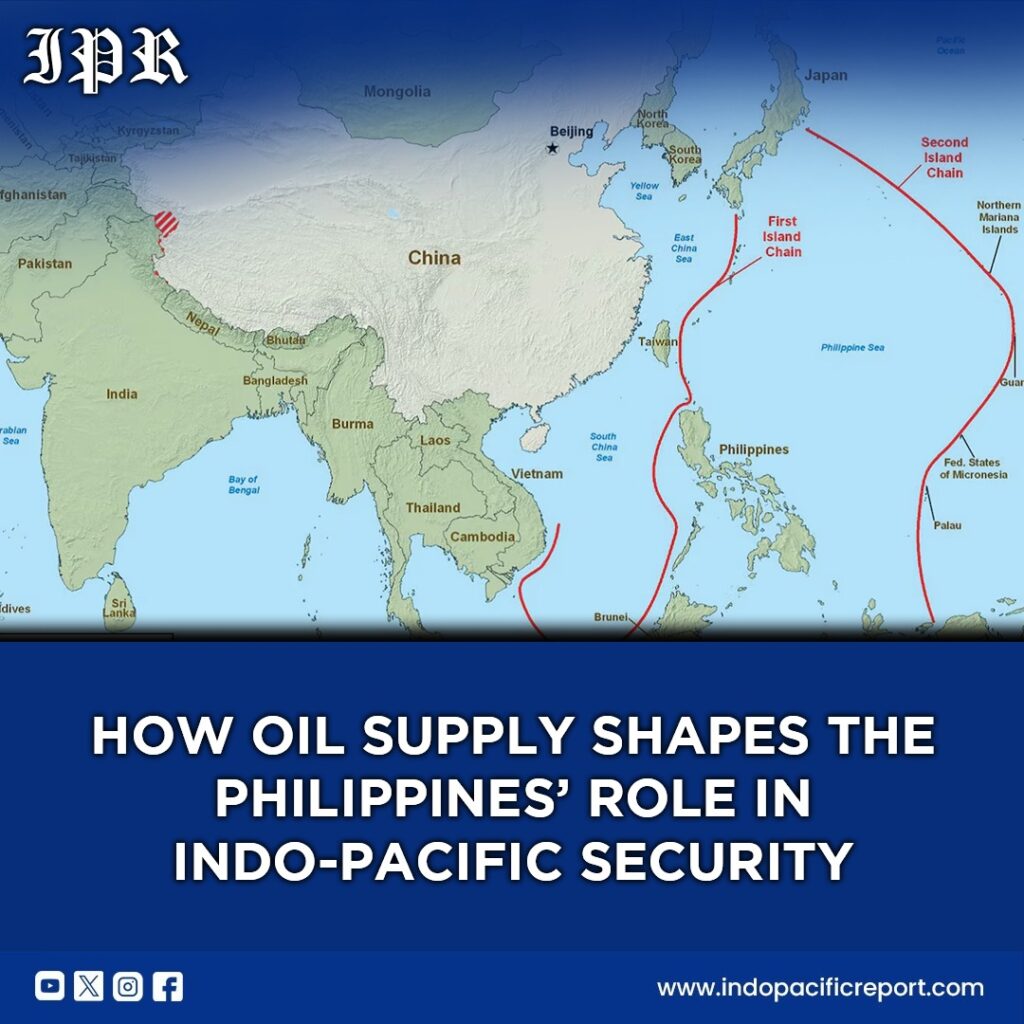
From a maritime and geographic perspective, Taiwan is extremely important. It sits along key sea lanes and forms part of the first island chain that limits China’s access to the Pacific. Strengthening Taiwan’s air and naval defenses improves its ability to control nearby airspace and waters. In simple terms, it makes it harder for China to project power outward. This is not just about Taiwan’s survival—it is about control of the wider Indo-Pacific theater.
There is also an economic and industrial angle. The push to deliver weapons faster shows the pressure on the U.S. defense industry. Production lines are being pushed to operate at full speed. This raises a key issue: can the U.S. sustain high output if multiple crises happen at once? Defense supply chains are now part of strategic competition. Delays are not just technical problems—they are strategic risks.
In the bigger picture, this move strengthens deterrence but also raises tensions. Faster arms deliveries may reduce the chance of a quick Chinese success, but they may also push Beijing to act sooner or respond more aggressively. This creates a classic security dilemma: one side’s defense looks like a threat to the other.
Will faster U.S. arms deliveries stabilize the Taiwan Strait—or accelerate the path to confrontation?