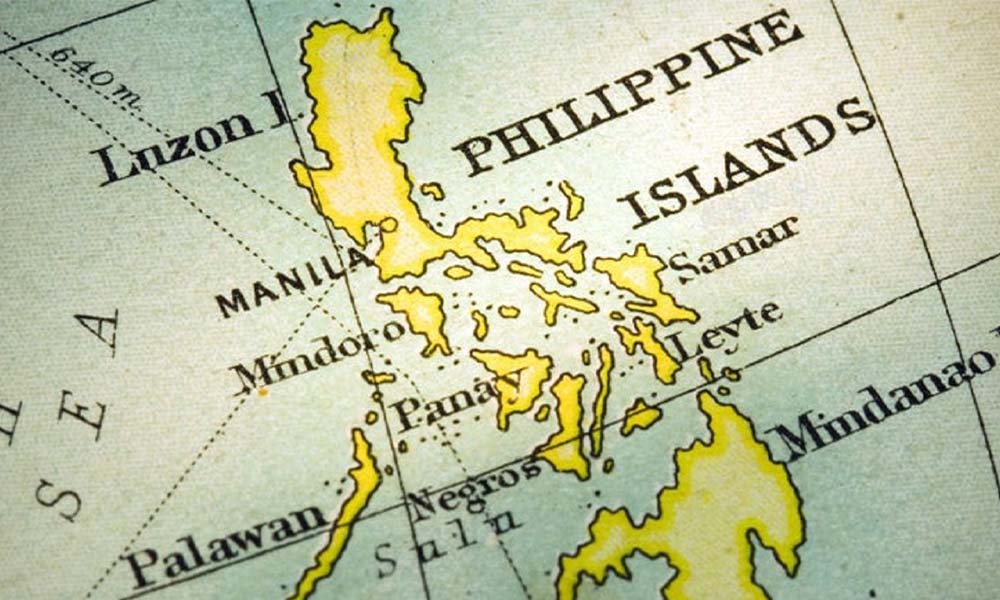
Introduction: Turning Geography into a Strength
The Philippines, an archipelago of over 7,000 islands, has long been defined by its geography—but now, it’s turning that geography into a strength. The Luzon Bypass Infrastructure (LBI), a groundbreaking terrestrial fiber-optic corridor, is reshaping the country’s role in global telecommunications. By bypassing the Luzon Strait, one of the most seismically active and vulnerable underwater cable routes, the Philippines is securing its digital future.
The Problem: A Fragile Digital Lifeline
The Luzon Strait, a critical underwater cable route between the Philippines and Taiwan, has been a single point of failure for Asia’s internet connectivity. Sitting at the intersection of the Eurasian and Philippine Sea Plates, this region is prone to earthquakes and underwater landslides that can sever multiple submarine cables at once.
The 2006 Hengchun Earthquake: A Wake-Up Call
In December 2006, a 7.0-magnitude earthquake near Taiwan triggered massive undersea landslides, cutting 22 submarine cables in a single event. The result was a digital blackout across East Asia, disrupting:
- Banking transactions
- Stock exchanges
- Business Process Outsourcing (BPO) operations
- Government services
The economic impact was staggering, with billions of pesos in losses and weeks of recovery time. This incident exposed the vulnerability of the Philippines’ internet infrastructure and the urgent need for a resilient alternative.
The Solution: The Luzon Bypass Infrastructure (LBI)
To address this critical weakness, the Philippine government launched the Luzon Bypass Infrastructure (LBI), a terrestrial fiber-optic network that reroutes internet traffic away from the Luzon Strait. This project, led by the Department of Information and Communications Technology (DICT) and the Bases Conversion and Development Authority (BCDA), includes:
- Two new cable landing stations (Baler, Aurora, and San Fernando, La Union)
- A 240–250 km fiber-optic corridor across Luzon
- Initial government investment of ₱975 million (US$18 million)
Strategic Partnerships: Meta’s Role in Boosting Bandwidth
The LBI’s impact was amplified by a landmark partnership with Meta (formerly Facebook). By landing its Pacific Light Cable Network (PLCN) through the LBI, Meta provided the Philippine government with a dedicated fiber pair, delivering:
- 2 Terabits per second (2 Tbps) of bandwidth—50 times the government’s previous capacity
- Nearly the combined bandwidth of the country’s top two telcos at the time
This deal was a game-changer, enabling faster, more reliable, and more affordable internet for millions of Filipinos.
https://www.youtube.com/watch?v=6kQfmtu6lE4
Broader National Broadband Plan & Latest Initiatives
The LBI is just one part of the Philippines’ broader digital transformation. The National Broadband Plan (NBP) and National Fiber Optic Backbone (NFOB) aim to:
- Expand high-speed internet access to 20 million Filipinos, especially in rural areas
- Improve climate resilience with buried conduits and reinforced substations
- Attract private investments from global tech giants and local telcos
World Bank Funding & Private Sector Expansion
In October 2024, the World Bank approved a €268.22 million (US$287.24 million) loan to support the Philippines Digital Infrastructure Project, ensuring climate-resilient internet access for underserved communities.
Meanwhile, private companies like Converge ICT (US$1.8 billion expansion) and PLDT are investing heavily in domestic fiber networks, ensuring seamless connectivity from international cables to local users.
https://indopacificreport.com/philippines-asias-next-big-economy/
Conclusion: A Resilient Digital Future for the Philippines
The Luzon Bypass Infrastructure (LBI) is more than just a fiber-optic project—it’s a strategic pivot in the Philippines’ digital future. By:
- Bypassing the earthquake-prone Luzon Strait
- Boosting bandwidth with 2 Tbps capacity
- Enhancing climate resilience
- Attracting global investments
The Philippines is transforming from a vulnerable digital hub into a resilient, high-capacity telecommunications powerhouse. This shift ensures economic stability, digital inclusion, and global competitiveness in the Indo-Pacific region.
The Future of Philippine Connectivity
With continued public-private partnerships, sustained investments, and innovative infrastructure, the Philippines is poised to secure its place as a leading digital hub in Asia. The LBI is just the beginning—a bold step toward a connected, resilient, and future-ready Philippines.