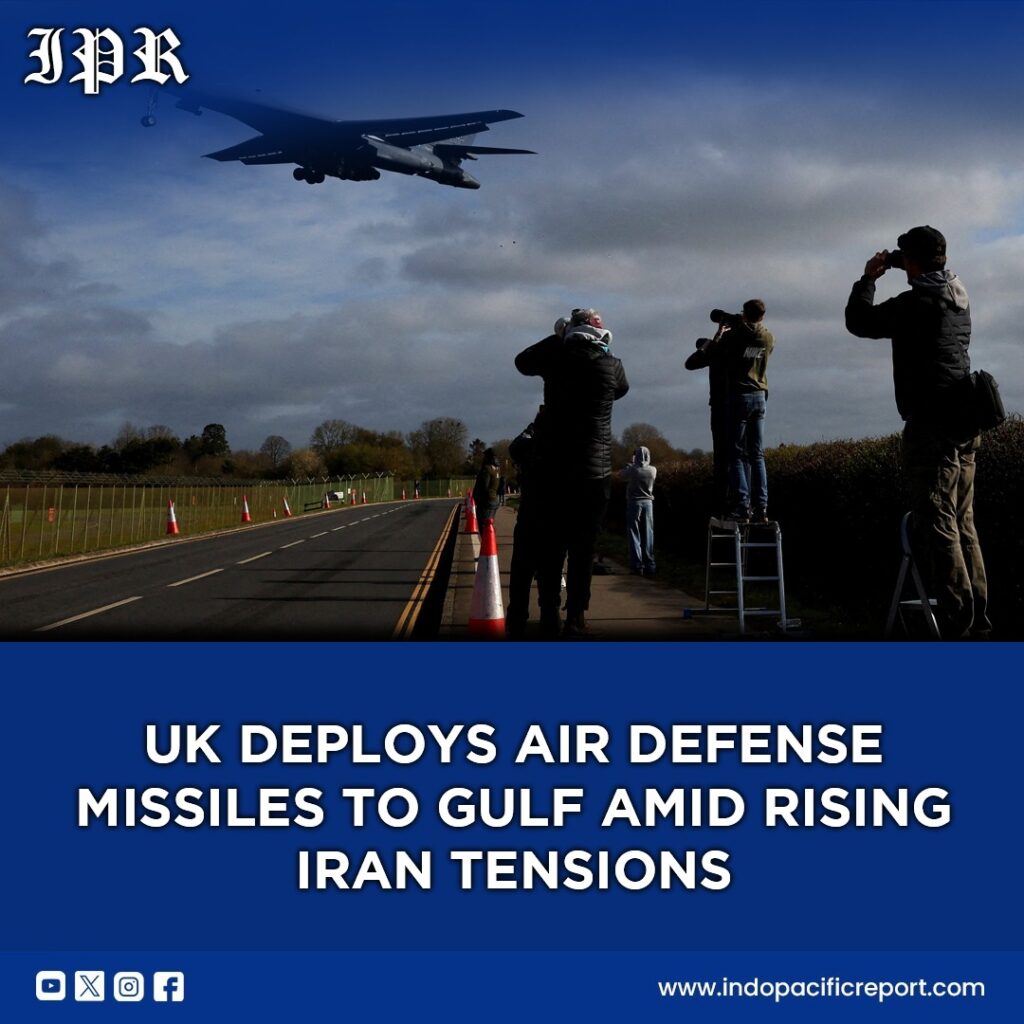
On March 23, 2026, UK Prime Minister Keir Starmer confirmed that London is deploying short-range air defense systems to Bahrain and coordinating missile deliveries to Kuwait and Saudi Arabia. The move comes as part of a broader effort to strengthen Gulf partners’ defensive capabilities amid heightened tensions in the region, particularly following ongoing conflicts involving Iran. Starmer emphasized that these actions were urgent and required close coordination with the UK defense industry, including plans to procure additional lightweight missiles for both domestic forces and regional allies.
From a strategic perspective, this rapid deployment signals the UK’s intent to maintain influence in the Gulf while deterring regional threats. By positioning advanced air defense systems and providing missile capabilities, London is reinforcing forward deterrence and signaling that its partners can rely on Western support. The move also highlights the growing importance of integrating industry and government in rapid military support, reflecting lessons from recent conflicts where supply chain agility proved decisive.
The deployment has broader regional security implications. With Iran threatening to deploy naval mines and the Gulf remaining a critical energy chokepoint, bolstering air defenses enhances partner resilience against missile attacks and potential asymmetric warfare. The UK’s engagement also complements U.S. efforts in the region, reinforcing a network of allied defenses designed to prevent escalation and maintain freedom of navigation in critical maritime corridors.
From an alliance and power projection lens, this initiative demonstrates London’s continued role as a security provider outside Europe. It strengthens the UK’s strategic relevance post-Brexit and underscores its willingness to act in concert with Gulf partners. By enhancing partner capabilities, the UK helps create a layered defense architecture that reduces over-reliance on U.S. forces, increases regional deterrence, and enhances interoperability among allied militaries.
Economically, the integration of domestic defense industry with operational deployments signals a dual-use strategic approach: supporting both national industrial base and regional security objectives. Expedited procurement and delivery processes illustrate the UK’s capacity to leverage defense manufacturing as a tool of geostrategic influence, a model increasingly relevant in other contested regions of the Indo-Pacific.
Looking forward, continued UK-Gulf collaboration may shape regional deterrence dynamics. As missile threats evolve and Iran modernizes its military capabilities, the UK’s rapid deployment strategy demonstrates a proactive posture designed to prevent conflict escalation. These developments also highlight the interconnectedness of energy security, maritime strategy, and allied defense networks in global power competition.
Could Britain’s rapid missile deployment to Gulf partners trigger a regional arms race, or does it strengthen stability through deterrence?