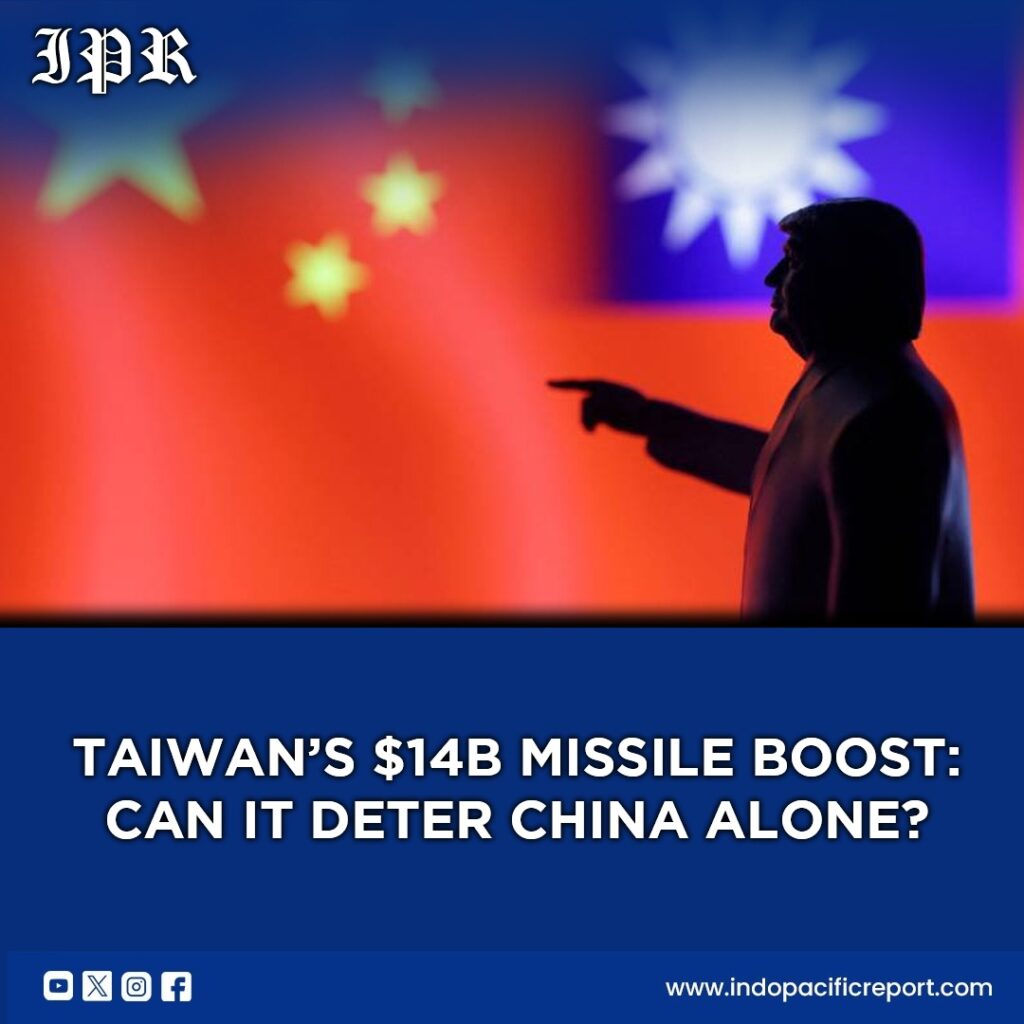
Taiwan’s Defense Ministry has confirmed that the U.S. is moving forward with the internal review for a second major arms package. Valued at roughly $14 billion, it includes advanced PAC-3 interceptor missiles. While the approval might coincide with U.S. President Donald Trump’s delayed China visit, Taipei reports that the review remains on schedule. This reassurance comes despite concerns that shifting U.S. military focus to the Middle East could affect readiness in the Taiwan Strait.
From a great-power competition perspective, this arms sale highlights the ongoing strategic rivalry between Washington and Beijing. China considers Taiwan part of its territory and has repeatedly called on the U.S. to halt such transfers. The U.S., under the Taiwan Relations Act, is legally obligated to provide Taipei with the means to defend itself. The sale signals that, even amid competing global priorities, Washington seeks to maintain credibility in its Indo-Pacific commitments.
In terms of regional security architecture, Taiwan’s acquisition of advanced interceptors strengthens its layered missile defenses. These systems improve Taiwan’s ability to counter potential PLA missile strikes and enhance its asymmetric defense posture. The move reassures neighboring allies—including Japan, South Korea, and the Philippines—about the U.S. commitment to deterring Chinese coercion across the region.
Alliance dynamics are also at play. Taiwan relies on Washington not only for military hardware but also for strategic assurance. However, U.S. operations in the Middle East and Trump’s transactional approach to diplomacy could strain this assurance. Taipei is closely monitoring Chinese military exercises and other indicators, reflecting its need to remain vigilant even as it deepens coordination with the U.S.
From a maritime and economic strategy lens, Taiwan’s security is critical for regional trade and technology supply chains. The Taiwan Strait channels a large portion of global semiconductor exports and international shipping. By strengthening its missile defenses, Taiwan not only protects its territory but also safeguards critical trade routes. The arms sale thus functions as both a deterrent to aggression and a signal of stability to regional actors.
The balance of power in the Indo-Pacific depends on sustained U.S. support. Enhanced missile defenses increase Taiwan’s resilience and reduce vulnerability to coercion. But any hint of delay or reduced commitment could embolden Beijing, destabilizing the region. Maintaining credible deterrence in the Taiwan Strait is therefore a strategic priority for Washington, Taipei, and regional allies alike.
Looking ahead, Taiwan will continue to monitor PLA developments while working closely with the U.S. and other partners. U.S. arms transfers, even amid global crises, are key to sustaining the strategic balance in East Asia. The effectiveness of these measures will shape the Indo-Pacific security environment for years to come.
Audience Question:
If the U.S. shifts focus to the Middle East, can Taiwan maintain credible deterrence on its own, or will regional tensions escalate?