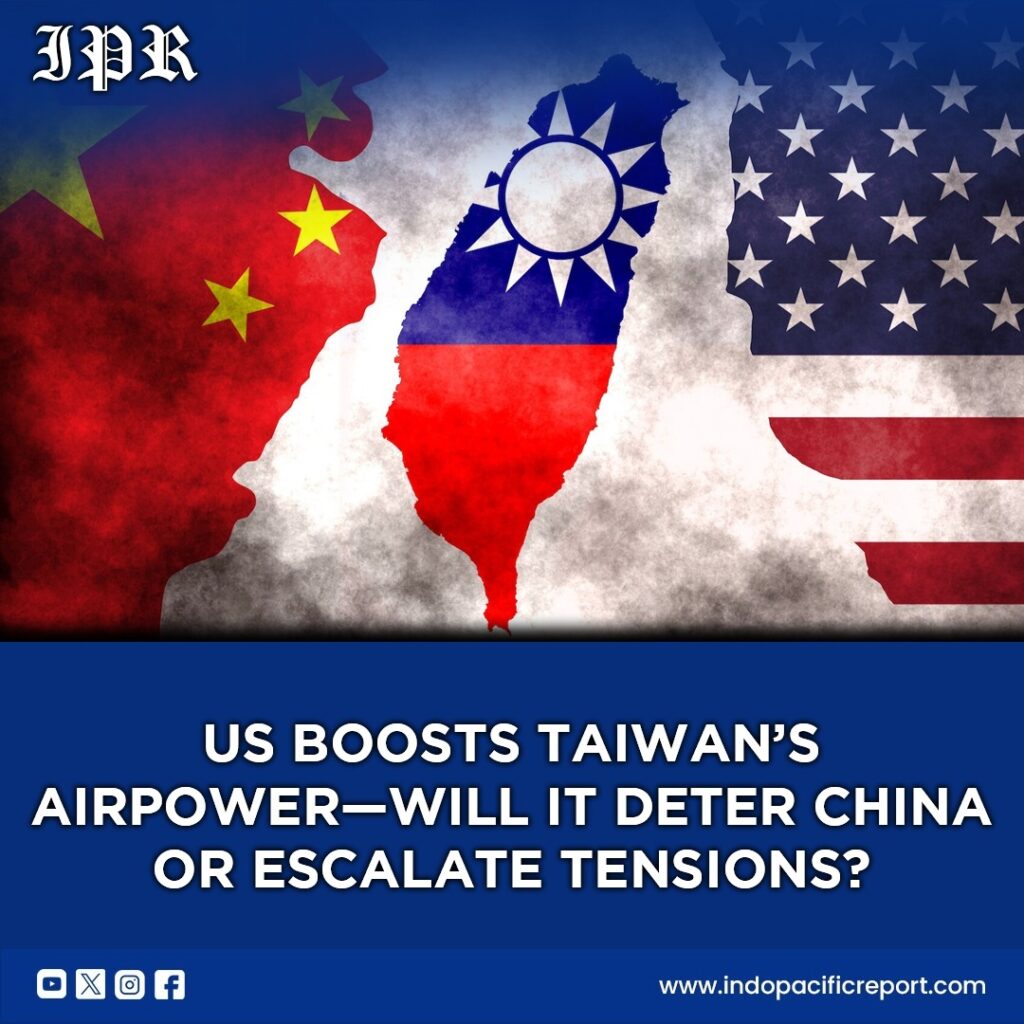
Taiwan is set to start receiving F-16V fighter jets from the United States later this year, after years of delays. The jets are part of an $8 billion deal approved in 2019, aimed at expanding Taiwan’s fleet to over 200 aircraft. These deliveries, combined with upgraded older F-16s and MQ-9B SkyGuardian drones, strengthen Taipei’s air defense and intelligence-gathering capabilities. This is more than a hardware upgrade—it’s a clear signal that the U.S. remains committed to Taiwan’s security amid rising tensions with China.
From a great-power competition standpoint, the F-16Vs are tailored to counter China’s growing air power, including stealth fighters like the J-20. By providing advanced avionics, radar, and weapons systems, the U.S. ensures Taiwan can defend its airspace effectively. It also sends a clear message to Beijing: any attempt to coerce Taiwan would face a serious cost.
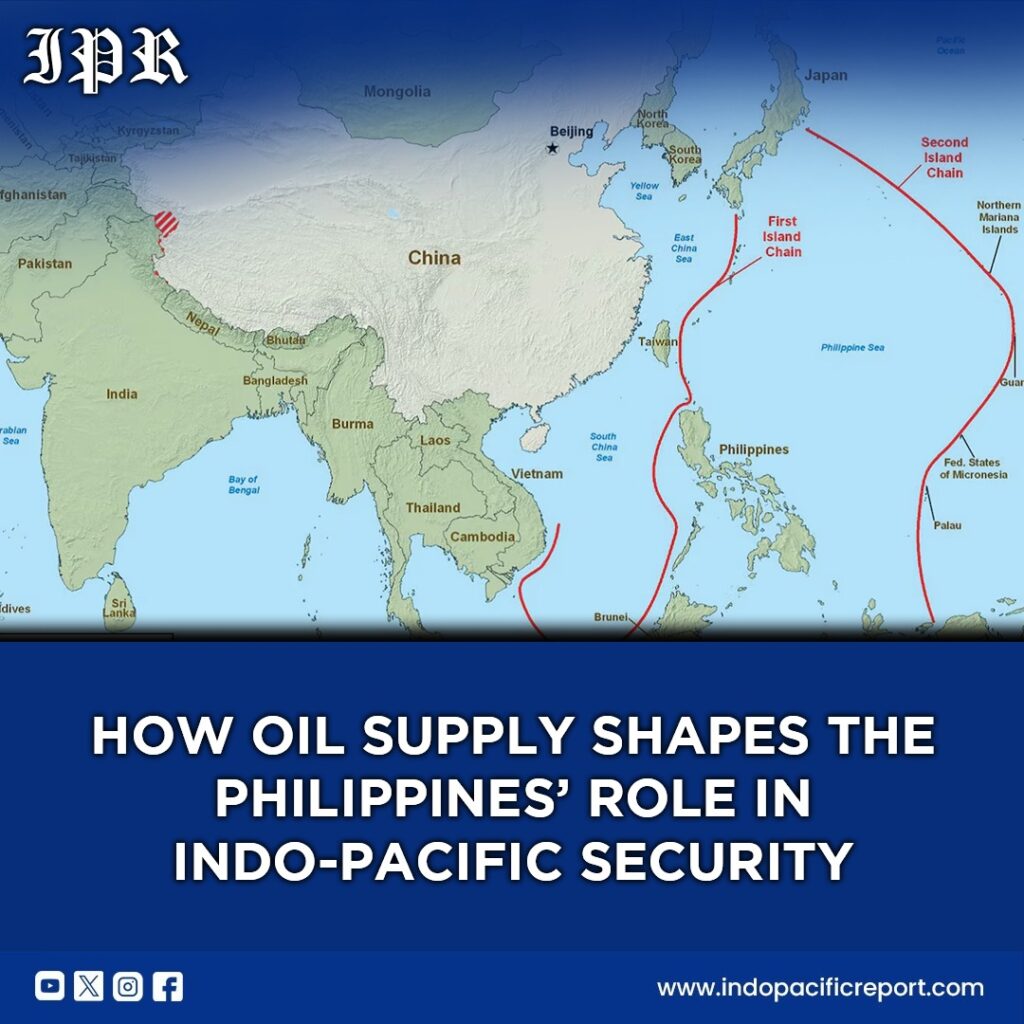
These new jets also reshape the regional security architecture. Taiwan’s upgraded airpower, paired with drones, strengthens surveillance and strike capabilities over the Taiwan Strait and nearby sea lanes. This enhances Taiwan’s ability to respond quickly to threats, reinforces the first island chain, and contributes to broader maritime stability in the region.
The deliveries affect alliance dynamics too. For regional partners like Japan, South Korea, and Australia, U.S. support for Taiwan reassures them that Washington is willing to uphold security commitments. For China, it increases the strategic cost of aggression while giving Taiwan more confidence in its deterrent posture.
From an economic and maritime strategy perspective, Taiwan’s airpower also protects vital trade routes through the Taiwan Strait, one of the world’s busiest shipping corridors. Strengthening air and drone surveillance ensures uninterrupted trade and energy flows, even under regional pressure.
In terms of Indo-Pacific balance of power, these upgrades make Taiwan a more resilient actor. They raise the cost of potential Chinese military actions, force the PLA to plan more carefully, and strengthen U.S. influence in the region. Taiwan is not just defending itself—it is becoming a more capable partner in maintaining regional security.
Looking ahead, Taiwan’s F-16Vs and drones show how small states can use advanced technology and alliances to offset larger neighbors. The strategic message is clear: modern deterrence relies on both capability and credible partnerships.
If Taiwan continues to modernize its military with U.S. support, will this stabilize the Taiwan Strait or risk provoking Beijing further?