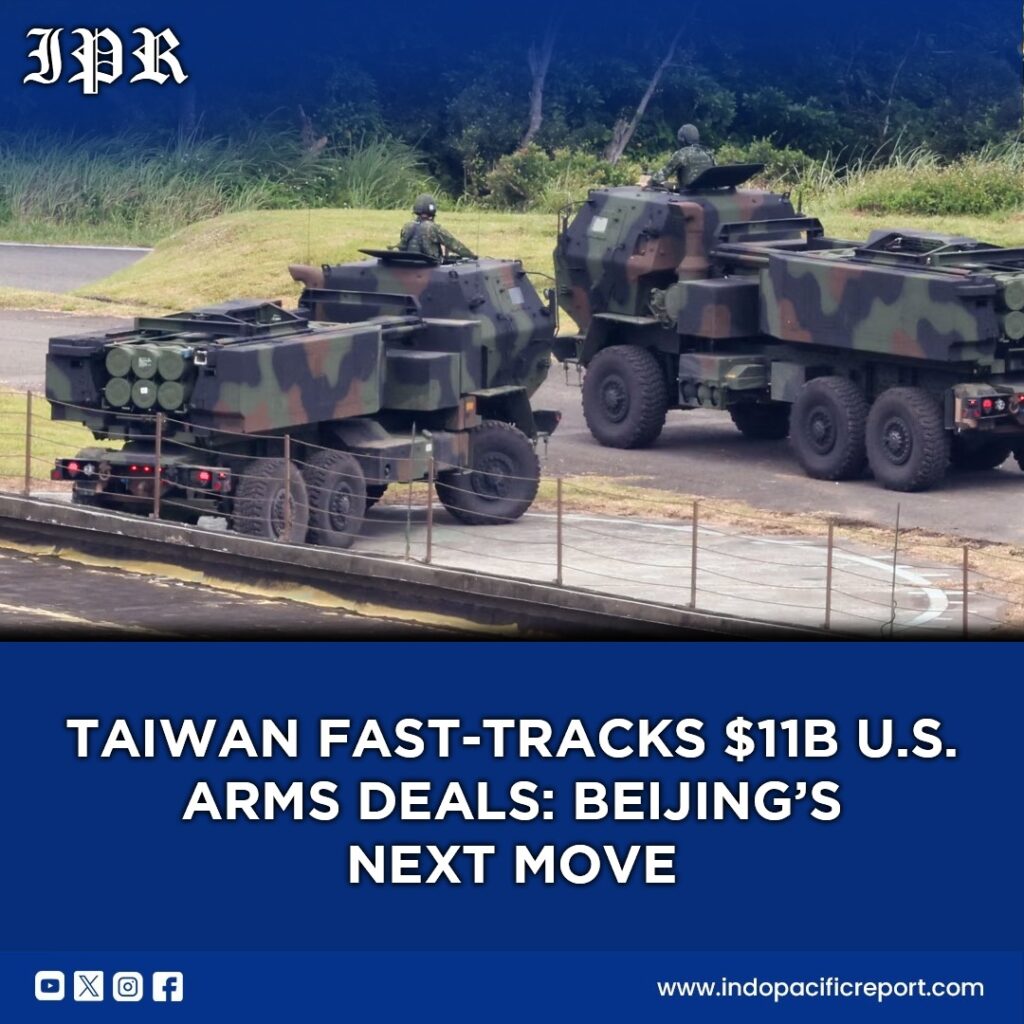
Taiwan’s parliament has cleared the government to sign four major U.S. arms agreements, part of an $11.1 billion package announced in December. The deals include M109A7 self-propelled howitzers, Javelin and TOW 2B anti-armor missiles, and HIMARS artillery systems. Lawmakers acted before the approval of a proposed $40 billion special defense budget, underscoring the urgency of bolstering Taiwan’s defensive posture amid rising Chinese military pressure.
From a great-power competition standpoint, these deals show the intensifying U.S.-China rivalry over Taiwan. Advanced artillery and missile systems enhance Taipei’s deterrence, signaling that any attempt at coercion by Beijing would face significant risk. This strengthens the credibility of U.S. security commitments in the region without provoking immediate conflict.
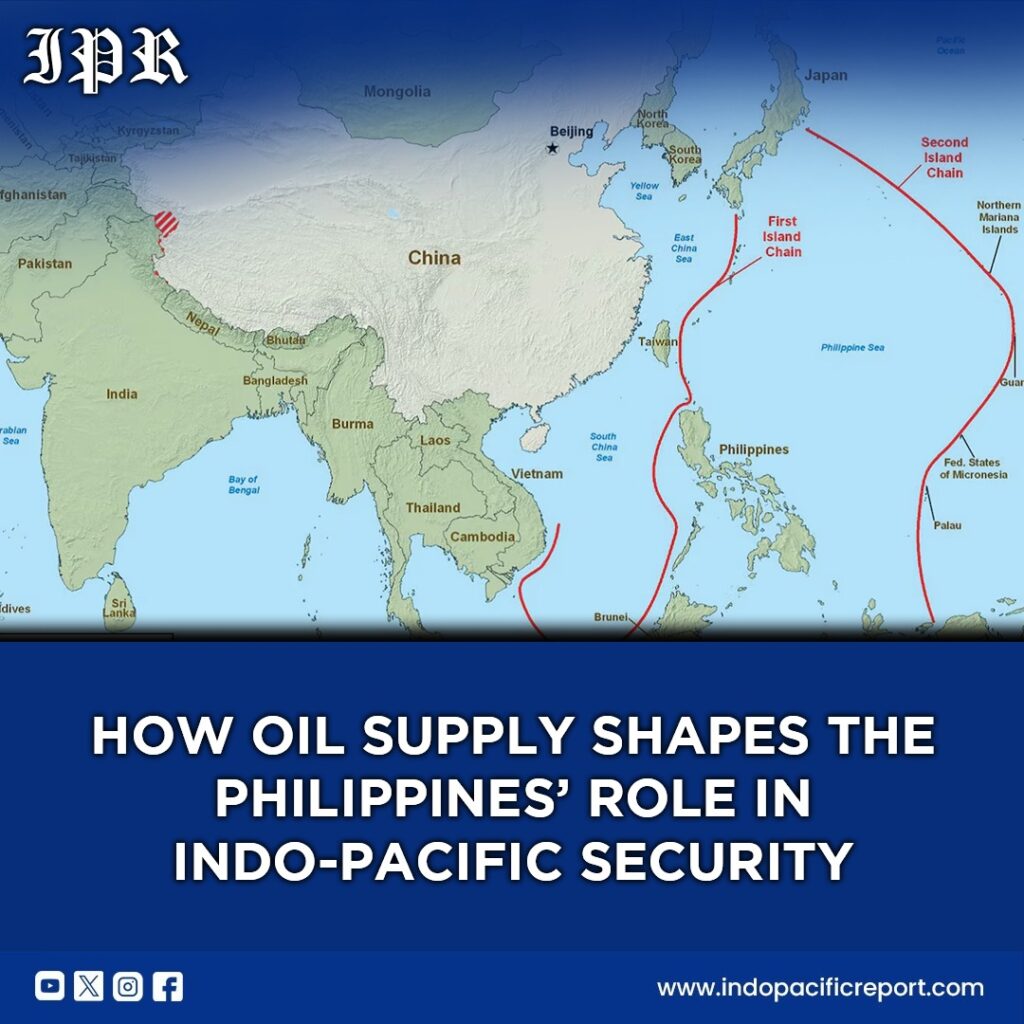
In terms of regional security architecture, the acquisitions expand Taiwan’s asymmetric capabilities. Systems like HIMARS give Taiwan long-range precision strike options, complicating any potential amphibious assault by China. This improves the island’s defensive depth and reinforces the U.S.-backed security framework in the first island chain—a critical strategic line for the Indo-Pacific.
Alliance dynamics are also highlighted. By fast-tracking these weapons deals, Taiwan reassures the U.S. and regional partners—Japan, South Korea, and Australia—of its readiness and Washington’s active support. At the same time, domestic political consensus is tested, as funding these purchases requires careful balancing between fiscal limits and strategic necessity.
From a maritime and economic strategy perspective, Taiwan’s strengthened defenses protect the Taiwan Strait, a key global shipping route, and ensure the security of critical semiconductor exports. A more secure Taiwan indirectly shields Indo-Pacific trade and supply chains, which are essential to regional economic stability and U.S. strategic interests.
In terms of the Indo-Pacific balance of power, Taiwan’s upgraded capabilities increase deterrence but may accelerate China’s investment in missile, cyber, and asymmetric warfare tools. While this arms buildup strengthens defensive credibility, it also introduces the risk of escalating tensions, requiring careful diplomacy to avoid miscalculation.
Forward-looking assessment: Taiwan’s approval to sign these U.S. weapons deals represents a pragmatic, security-first strategy in an era of rising U.S.-China competition. These measures enhance deterrence and regional stability now, but long-term balance in the Taiwan Strait will depend on coordinated U.S.-Taiwan strategy and ongoing diplomatic engagement with Beijing.
Audience Debate Question: Do Taiwan’s new U.S. arms deals make the island safer, or do they risk provoking a military clash with China?
#TaiwanDefense #USChinaRivalry #IndoPacificSecurity #HIMARS #CrossStraitTensions #RegionalDeterrence #ArmsSales #MaritimeSecurity