The Philippine military recently took action to monitor a Russian submarine, the Ufa, which passed through the South China Sea off the western coast of the country. According to a security official, the submarine identified itself after the Philippine Navy inquired via radio. The Russian vessel explained that it was heading back to Vladivostok, a city in eastern Russia, after taking part in an exercise with the Malaysian navy.
The Ufa, like all foreign ships, has the right to make “innocent passage” through the Philippines’ Exclusive Economic Zone (EEZ). However, its presence raised concerns when it was spotted about 80 nautical miles off the Philippine province of Mindoro on November 28. The submarine had surfaced due to weather-related conditions, which added to the heightened attention it received.
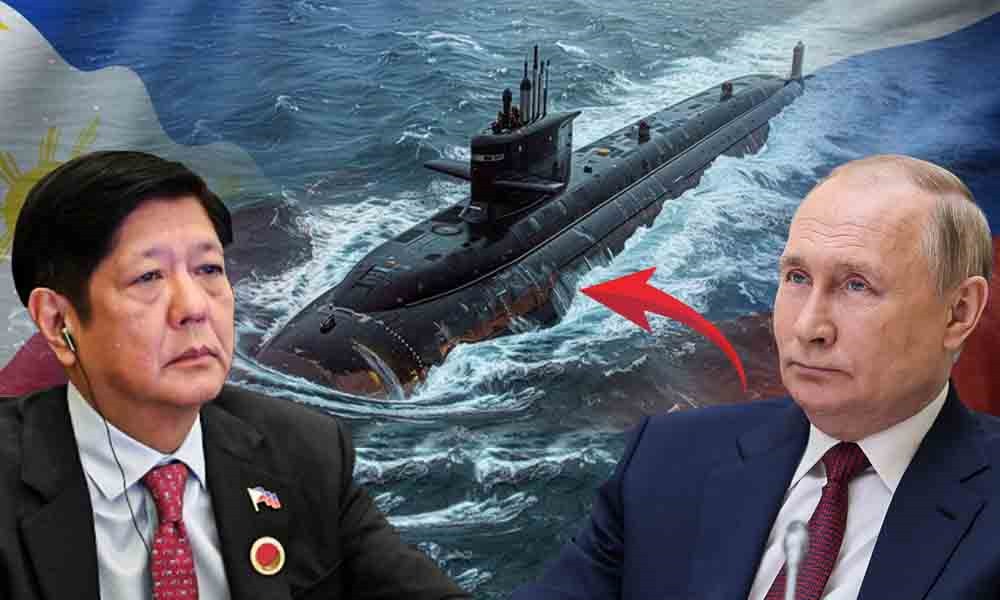
President Ferdinand Marcos Jr. expressed his concern over the Russian submarine’s presence in the West Philippine Sea, calling the situation “very worrisome.” In a media interview in Marikina City, the President stated that any intrusion into the country’s EEZ or its baselines was a serious matter. He stated that he would allow the military to handle the situation, acknowledging the potential risks posed by the presence of foreign military assets in the region.
The Philippine Navy immediately began tracking the movements of the Ufa, which remained surfaced as it slowly moved outside the country’s territorial waters. The Navy deployed a warship, the BRP Jose Rizal, and an aircraft to monitor the submarine’s passage. The Ufa was identified as a Russian Kilo-class submarine, a diesel-electric attack vessel designed by the Soviet Union in the 1970s. Despite its older design, the Kilo-class submarines have been modernized over the years, with the Ufa being one of the newer models.
The Kilo-class submarines, including the Ufa, remain an important asset to the Russian Navy. The Ufa, commissioned in 2022, is an advanced variant of the Kilo-class, known for its stealth capabilities and armed with Kalibr cruise missiles, capable of striking targets over long distances. The Philippine Navy highlighted the potential security implications of having such a vessel in the region, particularly given its offensive capabilities.
Senate President Pro Tempore Jinggoy Estrada voiced significant concern over the Russian submarine’s presence in the West Philippine Sea. Estrada, who heads the Senate panel on national defense and security, warned that foreign military units with offensive capabilities in the area increase the risk of misunderstandings and conflicts. He called for prompt action from the Department of National Defense (DND), the Armed Forces of the Philippines (AFP), and the Department of Foreign Affairs (DFA) to clarify the submarine’s intentions.
Estrada expressed alarm that the West Philippine Sea is already a flashpoint for geopolitical tensions and said the presence of foreign military assets could escalate the situation further. He emphasized the need for immediate and coordinated action to prevent potential conflicts and ensure the security of the country’s maritime domain.
The AFP confirmed that the Russian Kilo-class submarine, Ufa 490, was detected 80 nautical miles west of Cape Calavite, Occidental Mindoro. The Philippine Navy quickly deployed its assets to monitor the situation, ensuring that the country’s waters remained secure. The submarine’s ability to launch Kalibr cruise missiles added to the concern, as these weapons are known for their long-range strike capabilities.
The presence of the Russian submarine in the West Philippine Sea highlights the growing complexity of regional security dynamics. It also adds to the already tense geopolitical climate in the South China Sea, where overlapping territorial claims and the presence of various foreign military forces create potential flashpoints.
The incident drew attention not only in the Philippines but also across the broader region, with other countries watching closely. As a major global shipping route, the South China Sea is of strategic importance, and any military activity in the area can raise alarms about regional stability. The event has highlighted the need for vigilance and cooperation among nations to maintain peace and security in these contested waters.
This incident highlights Russia’s increasing naval presence in the Indo-Pacific region. The Ufa’s participation in joint exercises with China and its recent visits to Malaysia and Indonesia are part of a broader strategy to strengthen Russia’s ties in the region. This coincides with the ongoing naval operations of the U.S., adding complexity to the geopolitical situation.
The Ufa’s journey through the West Philippine Sea also comes at a time when tensions between China, the U.S., and other regional players have been intensifying. China’s claims over much of the South China Sea are contested by several countries, including the Philippines. The presence of foreign military forces in these waters can exacerbate these tensions, making the region increasingly volatile.
Philippine officials continue to call for greater international cooperation and dialogue to ensure maritime security in the South China Sea. The incident with the Russian submarine has highlighted the importance of maintaining peace and stability in the region. The Philippine military’s prompt response and monitoring efforts have been crucial in preventing the situation from escalating into a more serious conflict.
Detection of Russian Submarine
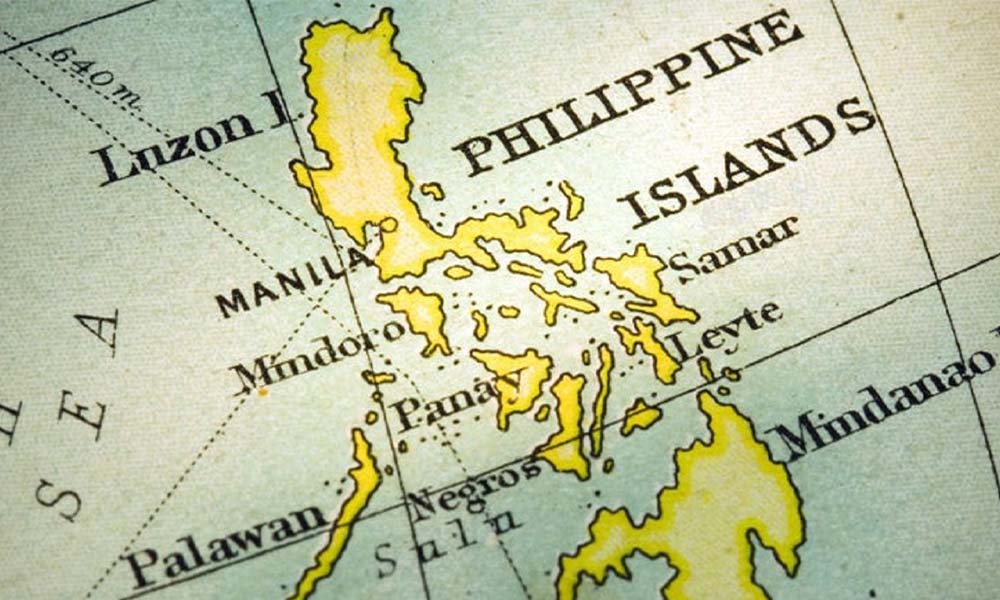
On November 28, 2024, the Philippine Navy detected a Russian Kilo-class attack submarine, the Ufa (UFA 490), in the West Philippine Sea. The submarine was spotted about 148 kilometers (80 nautical miles) west of Occidental Mindoro. This rare sighting caught the attention of security experts, as such incidents are uncommon in this area.
The Ufa is a modern Kilo II-class diesel-electric submarine that belongs to the Russian Navy’s Pacific Fleet. Commissioned in 2022, it is one of six submarines in Project 636.3, known for their advanced stealth features. Measuring 74 meters in length, the Ufa has an impressive range of 12,000 kilometers (7,500 miles). It is equipped with Kalibr cruise missiles, which Russia has used in its ongoing conflict in Ukraine.
Upon detecting the submarine, the Philippine Navy quickly responded by deploying assets, including the guided missile frigate BRP Jose Rizal, to monitor its movements. Communication was established with the Russian crew, who explained that they were waiting for better weather conditions before continuing their journey to Vladivostok.
The presence of the Ufa in Philippine waters has raised significant concerns about security and regional stability. President Ferdinand Marcos Jr. described the incident as alarming and stressed the need to address any potential violations of the Philippines’ Exclusive Economic Zone (EEZ). Analysts believe that the submarine’s appearance may be a deliberate move by Russia to signal its willingness to support allies and assert its influence in the region.
Initial Sighting and Monitoring
The submarine was identified using advanced surveillance technology, including the ScanEagle Unmanned Aerial System (UAS), which provides valuable intelligence, surveillance, and reconnaissance capabilities. This marked a significant moment, showcasing the effectiveness of the Navy’s monitoring systems in identifying foreign vessels in Philippine waters.
In response to the detection, the Philippine Navy deployed the BRP Jose Rizal, a highly capable frigate, to monitor the submarine’s movements closely. The BRP Jose Rizal is equipped with state-of-the-art systems such as the TRS-3D Baseline D radar for tracking air and surface targets, a Harris Model 997 sonar for underwater detection, and the Safran PASEO NS electro-optical tracking system for surveillance and targeting. With its advanced sensors and multi-role capabilities, the frigate is well-suited for operations including coastal patrols and anti-submarine warfare. Its ability to remain at sea for up to 30 days and cover a range of 4,500 nautical miles ensured a sustained and effective monitoring operation.
The Philippine Navy successfully established communication with the Ufa, and the Russian crew indicated that they were waiting for improved weather conditions before continuing their journey to Vladivostok.
This incident highlights the importance of maintaining strong maritime surveillance and defense capabilities. The presence of a foreign submarine in Philippine waters serves as a reminder of the need for constant vigilance to safeguard territorial integrity.
Specifications of the Submarine
The Russian Kilo-class submarine Ufa is a diesel-electric attack submarine that has a displacement of about 3,900 tons and a length of 74 meters (243 feet). It has a beam of 9.9 meters (32 feet 6 inches) and a draft of 6.2 meters (20 feet 4 inches). The submarine is manned by a crew of 52 submariners and is capable of staying at sea for up to 45 days on extended patrols.
In terms of performance, the Ufa can reach a surface speed of 17 knots (31 km/h or 20 mph) and a submerged speed of 20 knots (37 km/h or 23 mph). When operating with a snorkel, the submarine has a range of 7,500 nautical miles (13,900 km or 8,600 miles), and while submerged, it can travel 400 nautical miles (740 km or 460 miles). The Ufa can dive to a depth of up to 300 meters (980 feet), giving it impressive stealth capabilities.
The submarine is equipped with 6 torpedo tubes, each capable of launching 533 mm (21-inch) torpedoes, and it carries a total of 18 torpedoes. Additionally, it is armed with Kalibr-PL cruise missiles and surface-to-air missiles. The Ufa also carries 24 mines and 8 surface-to-air missiles, which can be of the SA-N-8 Gremlin or SA-N-10 Gimlet types.
One of the key features of the Ufa is its advanced stealth technology, which helps to reduce the likelihood of detection. Its propulsion system includes 2 diesel generators, each producing 1000 kW, and a propulsion motor that generates between 5,500 and 6,800 shaft horsepower. For detecting submarines and surface vessels, the Ufa is equipped with the MGK-400EM sonar system, which provides it with superior surveillance capabilities.
https://indopacificreport.com/2024/11/19/russia-vastness-is-its-strength/
Unusual Movements
Despite its ability to submerge, the Russian Kilo-class submarine Ufa chose to remain surfaced as it moved slowly northward through the West Philippine Sea. This unusual behavior caught the attention of the Philippine Navy, which immediately deployed the BRP Jose Rizal warship and surveillance aircraft to closely monitor the submarine’s movements.
Throughout its passage, the Philippine Navy kept a constant watch on the Ufa, with the BRP Jose Rizal tracking its every move. The Philippine Navy also established communication with the submarine, which explained that it was waiting for better weather conditions before continuing its journey to Vladivostok.
The decision for the Ufa to remain surfaced, despite its advanced stealth technology, raised concerns among analysts who saw it as a potential strategic move by Russia. This could have been a way for Russia to show its presence in the region and signal its readiness to support its allies.
Geopolitical Implications
The presence of the Russian Navy in the South China Sea is probably the part of a larger strategy for its Indo-Pacific deployment. This deployment includes port visits to Malaysia and Indonesia, along with military drills in the disputed waters. The Russian fleet, which features corvettes like the Gromky, Rezky, and Hero of Russia Aldar Tsydenzhapov, has been conducting air defense training and joint exercises with regional navies.
This increased Russian naval activity comes at the same time as U.S. naval operations in the area, such as those involving the USS Abraham Lincoln. The U.S. Navy has been carrying out freedom of navigation operations and joint exercises with its allies to challenge China’s assertive claims in the South China Sea.
The geopolitical effects of these concurrent deployments are significant. Russia’s presence in the region reflects its strategic partnership with China, both of which oppose what they see as “interference by extra-regional forces” in the South China Sea disputes.
This situation has created a complicated and crowded maritime environment, with several powerful nations conducting operations and exercises as it increases the potential for tensions and the risk of miscalculation.
Concerns Over Sovereignty
The South China Sea is a region marked by significant geopolitical tension due to competing sovereignty claims from several countries. China claims almost the entire sea, based on its so-called nine-dash line, which covers about 90% of the area. This claim is disputed by neighbouring nations, including the Philippines, Vietnam, Malaysia, Indonesia, and Taiwan.
Recently, China has become more assertive in the region, increasing its air and naval patrols around contested areas like the Scarborough Shoal. This move is seen as part of China’s effort to “resolutely defend” its national sovereignty, which has led to frequent confrontations with the Philippines, sometimes resulting in injuries and damage.
In response to these growing tensions, the Philippines has introduced new maritime laws to define its maritime boundaries and establish fixed lanes for foreign ships. Beijing views this as a direct challenge to its claims in the region.
The United States and the Philippines have strengthened their military cooperation by signing a security agreement that includes sharing classified information. This agreement is seen as a step toward countering China’s growing influence in the South China Sea. China has criticized such alliances, seeing them as attempts to form blocs that could increase regional tensions.
The South China Sea holds immense strategic importance, as it is a major shipping route through which about one-third of global trade passes annually. The region is also believed to be rich in natural resources, such as crude oil and natural gas. The control of these resources and the key shipping lanes makes the South China Sea a critical area for both regional and global interests.
Senate Reaction
Senate President Pro Tempore Jinggoy Estrada has voiced serious concerns over the presence of the Russian submarine Ufa in the West Philippine Sea. He pointed out the security risks posed by foreign military assets, especially those with offensive capabilities, operating in such a sensitive region. Estrada warned that such a presence increases the chances of misunderstandings and potential conflicts in an area already fraught with tensions.
He called on the Department of National Defense (DND), the Armed Forces of the Philippines (AFP), and the Department of Foreign Affairs (DFA) to take immediate action and clarify the intentions behind the submarine’s presence. Estrada emphasized the need for a swift, coordinated response to safeguard the stability and security of the Philippines’ maritime territory.
His statement highlights the importance of staying vigilant and taking proactive steps to protect the country’s waters while ensuring peace and stability in the region.
Geopolitical Tensions
The recent incident involving the Russian submarine Ufa highlights the ongoing geopolitical struggles in the South China Sea, a region that has long been marked by overlapping territorial claims and competing strategic interests. The presence of military forces from countries like China, the United States, and Russia further emphasizes the sensitivity of the area and the potential for conflict.
China claims nearly the entire South China Sea based on the nine-dash line, which overlaps with the Exclusive Economic Zones (EEZs) of several Southeast Asian nations, including the Philippines, Vietnam, Malaysia, Indonesia, and Taiwan, all of which contest China’s claims and assert their own territorial rights. The United States has also become involved by conducting freedom of navigation operations and supporting its allies in the region, aiming to uphold international law and ensure maritime security.
https://indopacificreport.com/2024/05/06/what-happens-if-china-russia-and-north-korea-join-forces-against-the-us-indo-pacific-allies/