Russia and China in the Gray Zone: Redefining Conflict in the Indo-Pacific
The Gray Zone is the new frontier of strategic competition. It sits between peace and full-scale war, where states pursue goals without triggering open conflict. Both Russia and China have mastered this space, using subtle, non-kinetic tools—disinformation, cyber operations, proxies, and economic pressure—to advance their interests while avoiding conventional military escalation. For the Indo-Pacific, this trend is shaping the rules of engagement in ways that traditional militaries are not fully prepared to respond to.
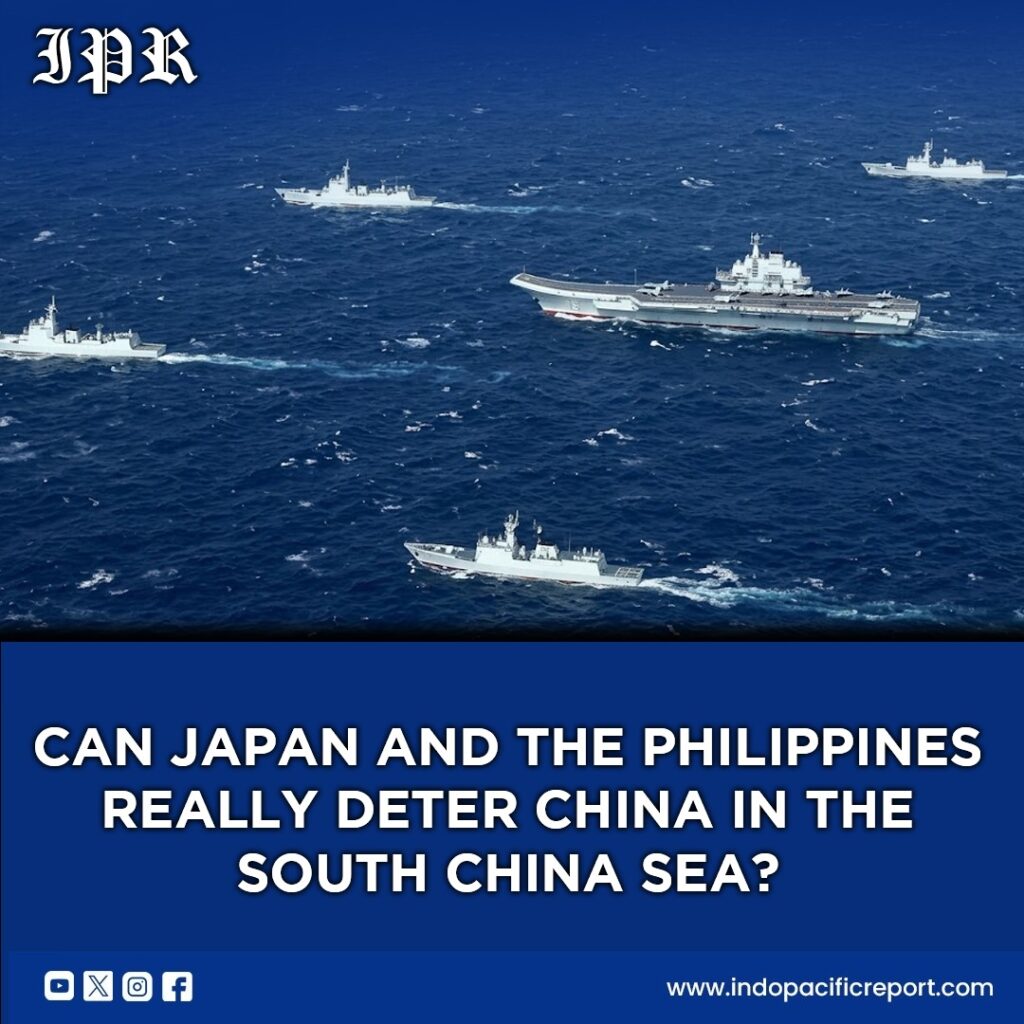
Russia uses Gray Zone tactics mainly in its near abroad. Election interference, support for separatist groups, covert deployments like the “little green men” in Crimea, and disinformation campaigns allow Moscow to influence neighboring states without provoking NATO or the U.S. China has adapted similar approaches in the Indo-Pacific. Large commercial fishing fleets can act as maritime militias. Island construction, persistent naval patrols, cyber operations, and economic coercion let Beijing assert control over contested areas like the South China Sea and Taiwan Strait while maintaining plausible deniability.
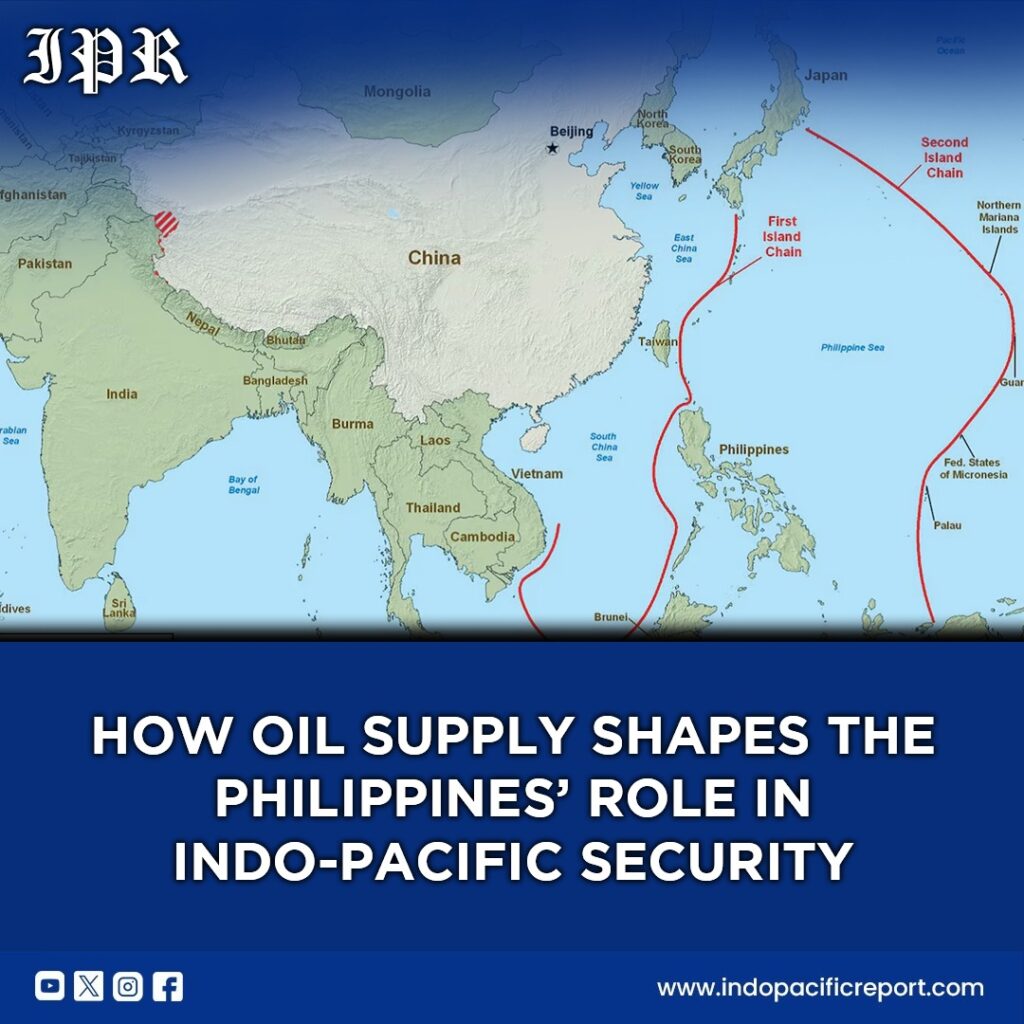
These tactics strain the regional security architecture. Traditional defense systems are designed to counter conventional attacks, not ambiguous threats where civilians and military actors mix. In the South China Sea, China’s maritime militia and artificial islands create constant friction, testing the unity of ASEAN and challenging international maritime law. Gray Zone pressure campaigns also complicate freedom-of-navigation operations, requiring nuanced responses rather than direct military confrontation.
Alliance dynamics must evolve to meet these challenges. U.S. partners, including the Quad countries and bilateral allies like Japan, Australia, and South Korea, need to integrate military, economic, and informational tools. Gray Zone conflicts demand coordination across cyber defense, intelligence sharing, and economic policy. Simply relying on conventional deterrence is no longer enough; allied nations must be prepared to respond in multiple domains simultaneously.
Gray Zone strategies also affect maritime and economic security. Chinese influence over sea lanes and resource-rich waters changes trade patterns and undersea resource access. Russian Gray Zone methods in Europe have shown that hybrid operations can destabilize economies without direct combat. For Indo-Pacific states, supply chain resilience, maritime chokepoint monitoring, and economic diversification are essential to withstand coercive pressures.
The balance of power in the Indo-Pacific is shifting. Gray Zone tactics allow China to consolidate territorial claims, test U.S. and allied resolve, and influence smaller states without triggering war. Moscow’s methods in Europe serve as a template for what small or medium states might face in the Pacific. Deterrence now requires credibility not only in conventional force but also in cyber, informational, and economic domains. The most effective strategy combines resilience, rapid response, and multilateral coordination.
Looking ahead, the Indo-Pacific must adapt to this reality. Non-kinetic, ambiguous threats are becoming the standard mode of competition. Countries that can integrate intelligence, cyber capabilities, and allied coordination into a coherent Gray Zone strategy will shape the regional order. Deterrence today is about managing risk, signaling capability, and making ambiguity costly for adversaries.
Audience Question: Can Indo-Pacific nations deter China’s Gray Zone strategies without triggering full-scale war, or is strategic ambiguity the new normal?